This year when COVID-19 took over the country and the world, we knew a lot of events we love would inevitably be canceled or postponed. One of the biggest and grandest was that of the legendary SWAIA Santa Fe Indian Market. And while we won’t see the massive in-person celebration of Native art that we know and love until 2021, SWAIA bounced back in record time putting together a Virtual Indian Market that will run through August 1 to 31, spearheaded by new SWAIA executive director Kim Peone.
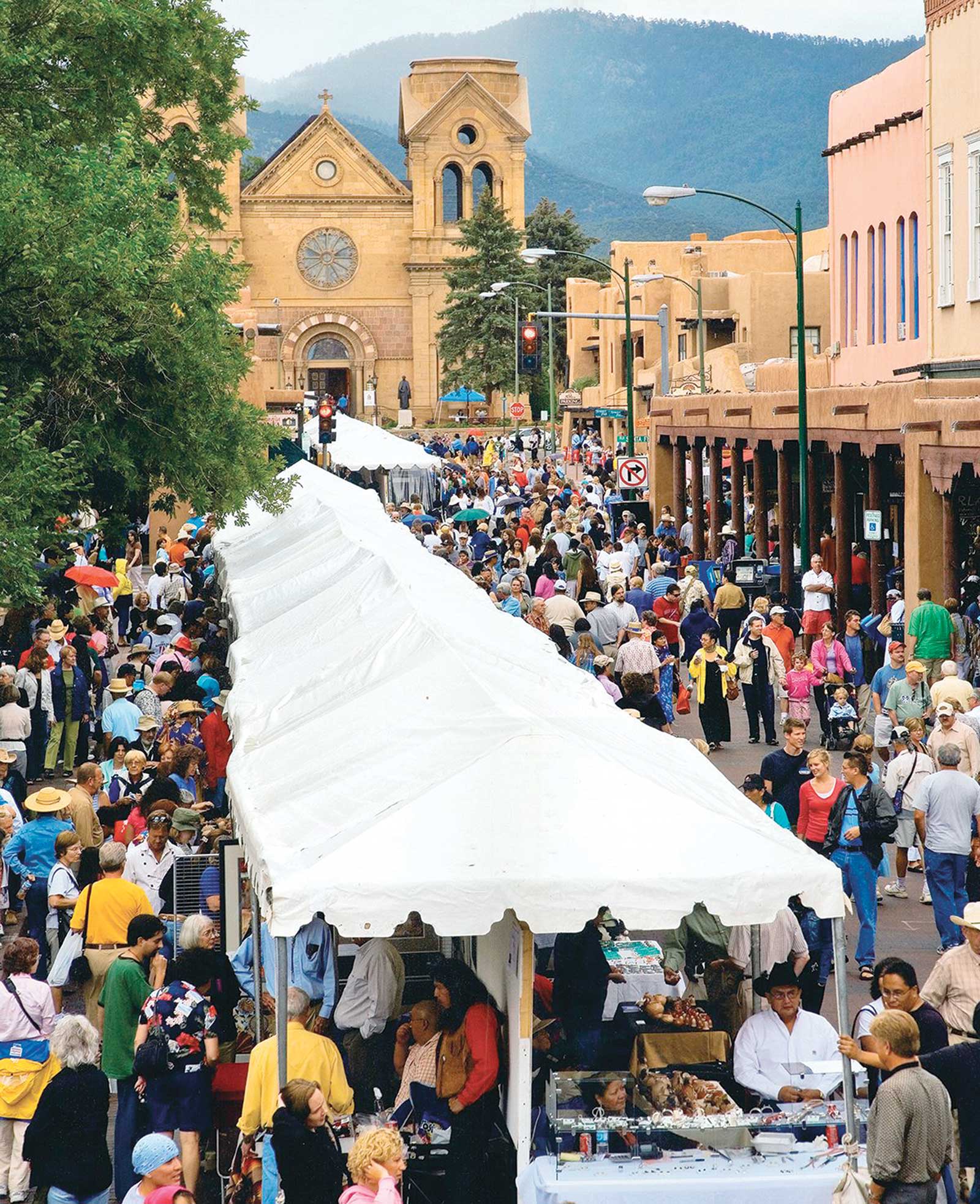 An overhead view of a previous Santa Fe Indian Market punctuated by the Cathedral Basilica of St. Francis of Assisi in the backdrop.
“The whole goal of this initially is to bring people to our website and promote Indian Market artists, and then direct them to the artists’ [individual] websites,” says Peone. In lieu of a booth, each participating artist will receive assistance from SWAIA, The Clark Hulings Fund, ArtSpan and other computer-based companies to bolster their online presence and expand their existing marketplace. For some artists, this means creating a website for the first time to promote their artwork.
For 2020, collectors and lovers of Indian Market can go to www.swaia.org and explore every Market artist that piques their interest or ignites their passion for art. They can then go directly to the artist’s own website, where they’ll find an e-commerce platform to view and purchase artwork, bringing works in front of collectors on both a national and global scale. In some ways, Indian Market has never been more accessible.
 Kim Peone, executive director of SWAIA.
“My big vision for this is that we create a virtual platform that has traffic in order to help our artists in their individual marketing efforts,” says Peone. The total number of artists participating in the 2020 Virtual Indian Market at this time is around 500.
Undoubtedly, one of the draws of Market is the chance to hear stories from artists—stories about their art, their processes and their lives, stories about what’s driving them forward and inspiring them to create right now. Another key component of the Virtual Indian Market that will bring this to life is the “Featured Artist” section, which will highlight certain artists and link to the artist’s personal website. “This is not only for August, but something we can use perpetually,” Peone adds. There will also be a variety of special online events including a fashion show (featuring designer Orlando Dugi) and a Gala Live Auction.
“I think that this vision for [Virtual Indian Market] has been absolutely thrilling for me because it’s coming together as a very seamless thing,” says Peone. “When we’re able to have our beloved Indian Market back, we’ll be able to [continue using] our virtual model. So in the future, people who can’t come to Santa Fe will still be able to experience Indian Market.”
Basketry
One of the wonders of Native American basketry is that the modern age has not made basketry any easier. There are no shortcuts. Just to get into the studio can take a great deal of time as basket makers harvest materials, dry them, dye them and prep their designs. Only then can work on a basket begin, and that in itself requires many years of experiences, an eye for perfection and lots of patience.
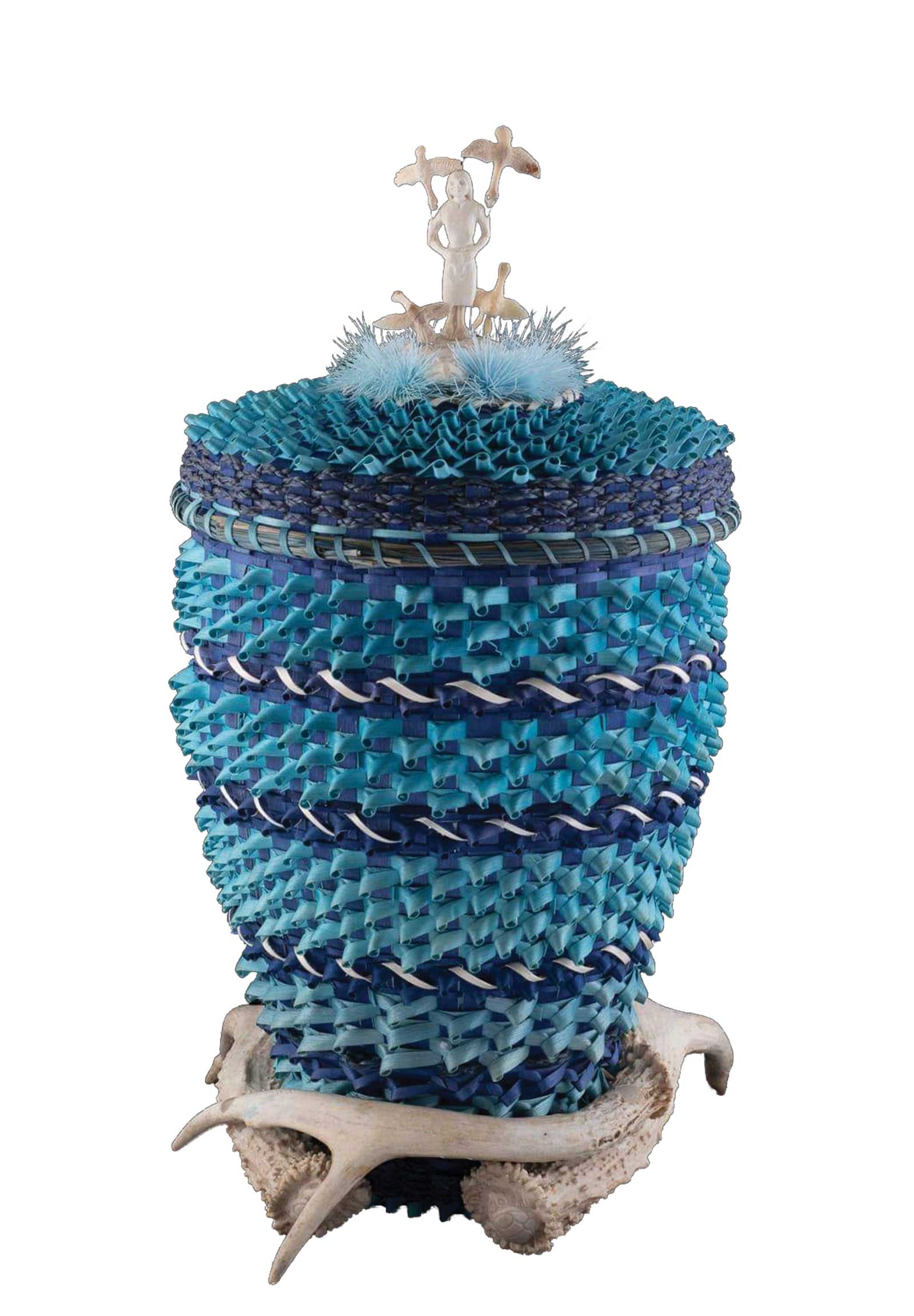 Ronni-Leigh Goeman (Onondaga) and Stonehorse Goeman (Tonawanda Seneca)
“When I weave a basket I share the living past of my people. I am able to pass on a traditional art form, as well as the stories of those who came before, intertwining the past, present and future.” —Ronnie-Leigh Goeman
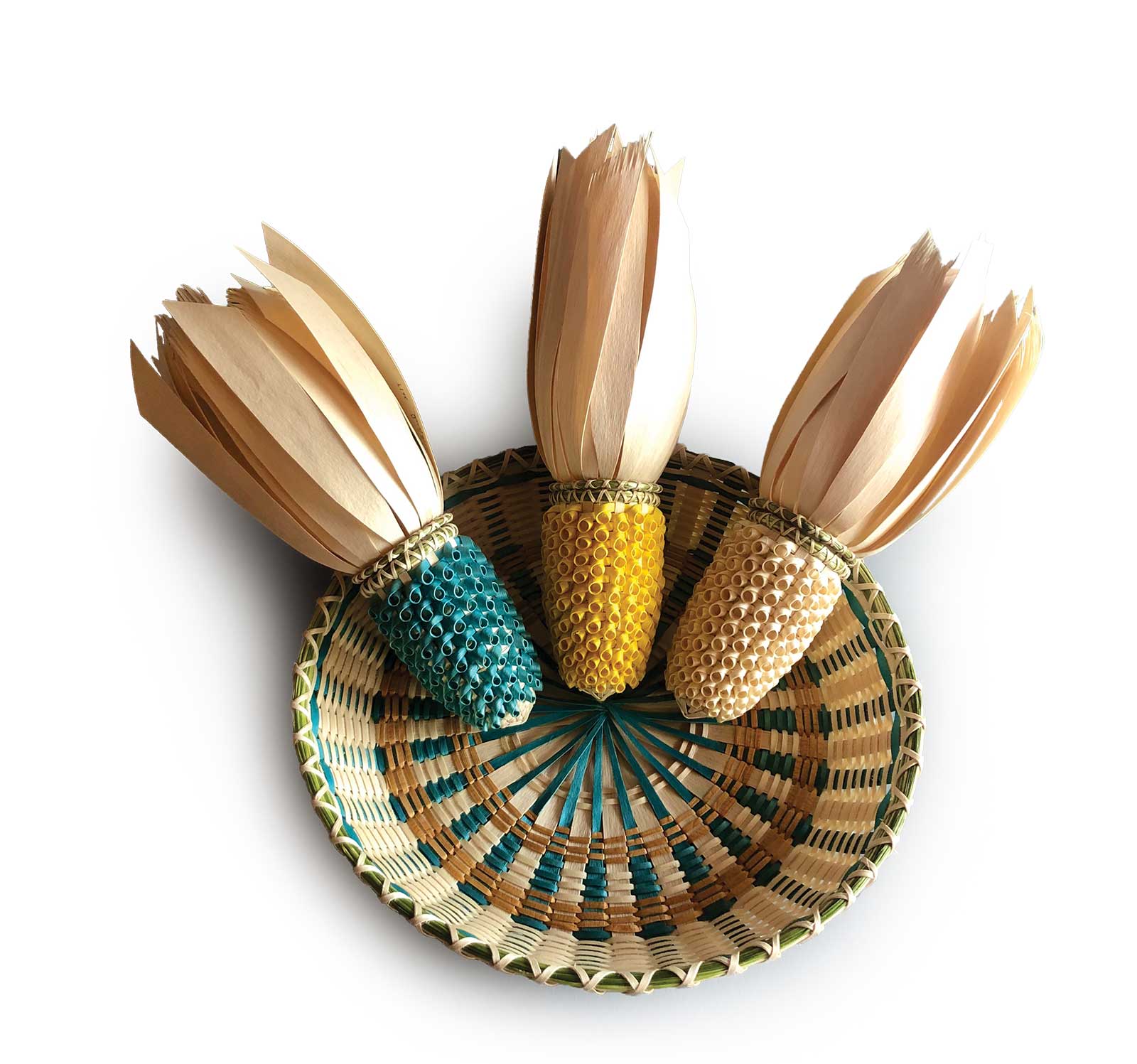
Theresa Secord (Penobscot)
“More recently, my work incorporates cedar bark to help conserve our sacred ash trees, now that the emerald ash borer beetle is in Maine, destroying much of our weaving resource the ash tree, and the source of our very Creation. It is said, that ‘Gluskabe,’ our culture hero, ‘shot an arrow into the ash tree and from the tree came the Wabanaki, the people of the dawn, singing and dancing.’”
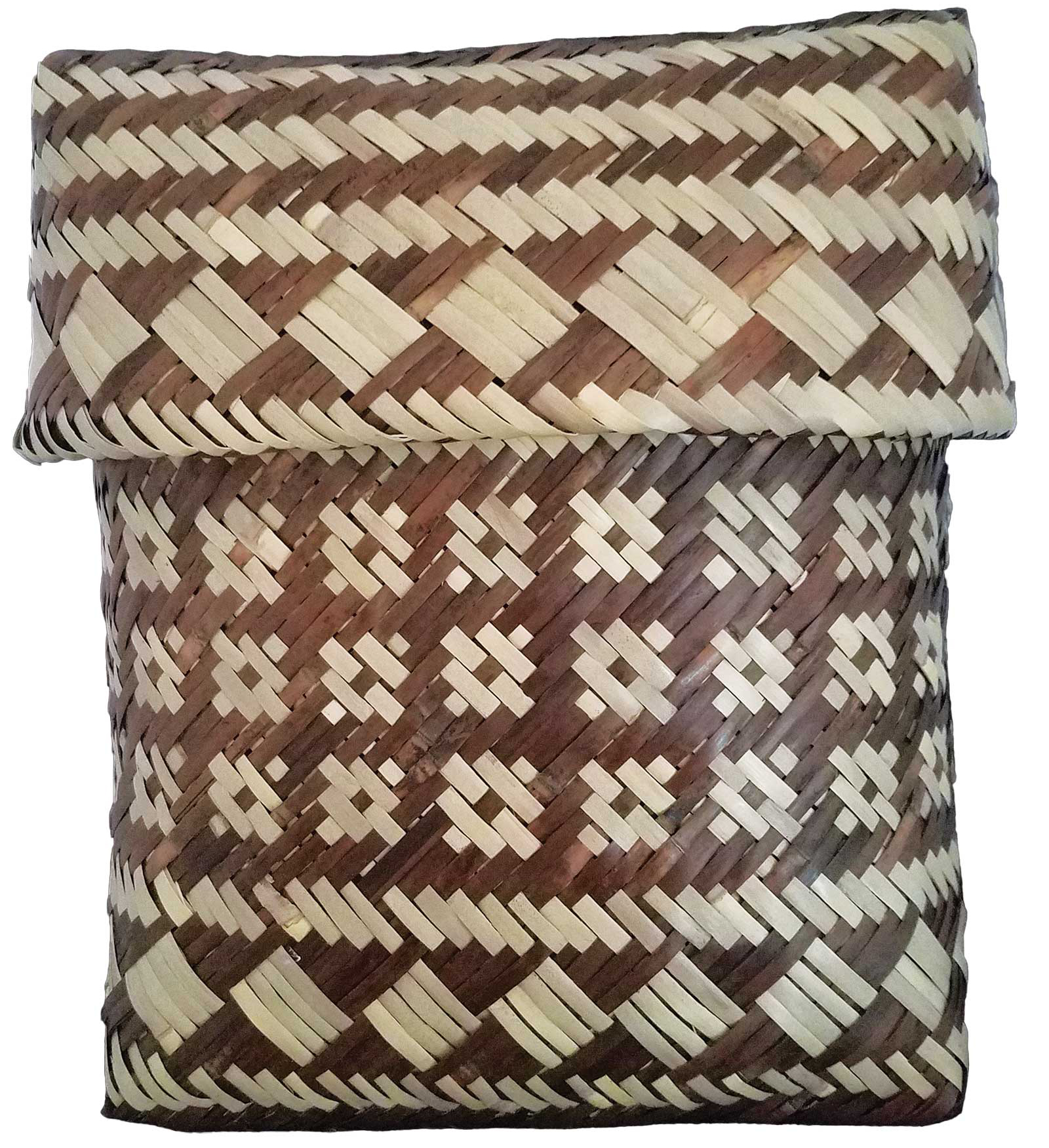
Vivian Cottrell (Cherokee)
“As a fourth-generation basketmaker…and Cherokee National Treasure…it has been an honor to represent Cherokee basketry. I am currently working with rivercane. This weaving material is woven either as a single weave or a doubleweave. I weave large storage baskets with lids first and as my cane supply is used, my baskets become smaller. I call these baskets heirloom baskets because they…can be passed on to future generations.”
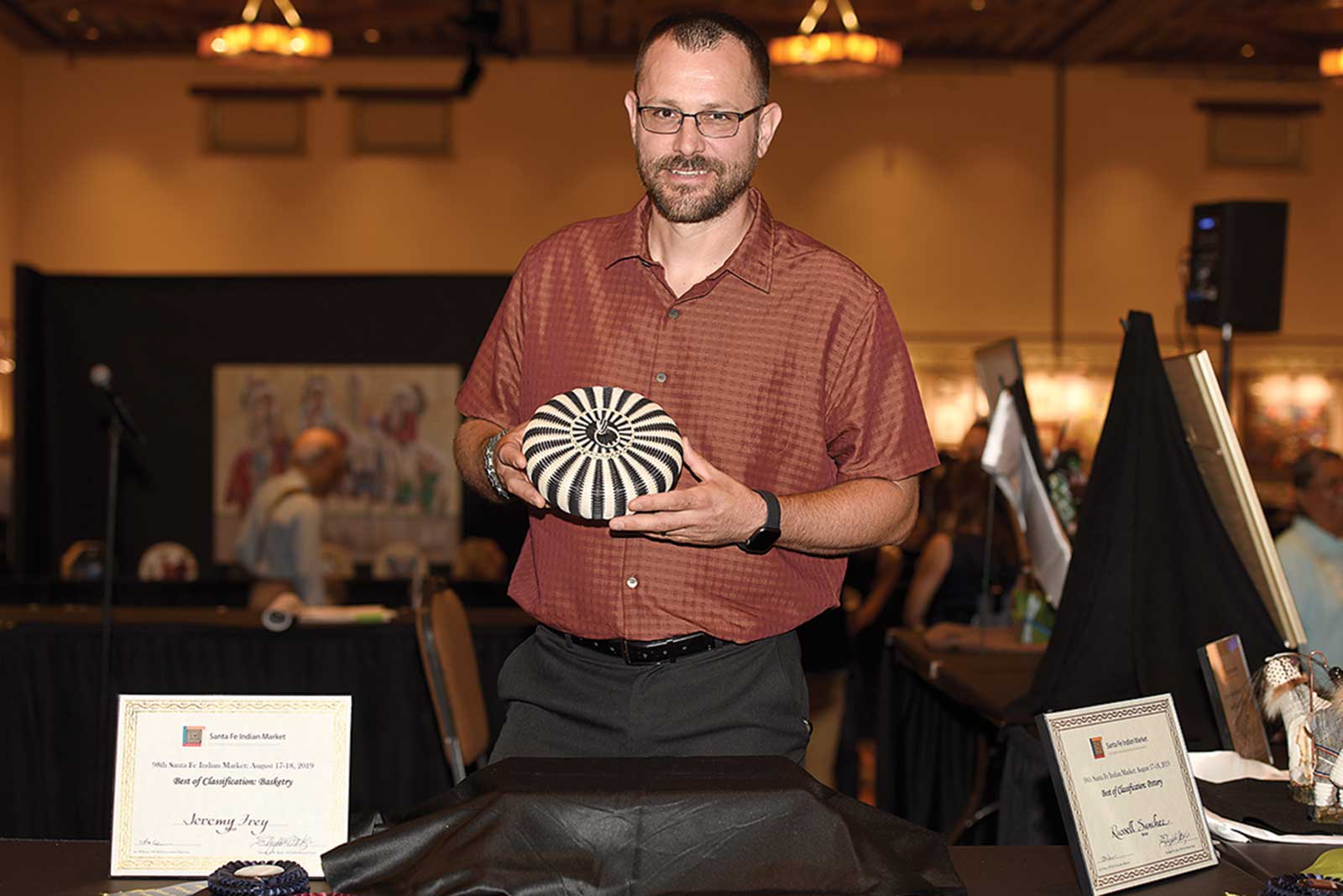
2019 Winner
Jeremy Frey (Passamaquoddy)
“As an artist it’s always a great honor to be recognized for your work. To be recognized by SWAIA at Indian Market is an exceptional honor for a person working in the Native art world. Santa Fe Indian Market is by far my favorite gathering of artists and friends each year. This year was especially wonderful for me because the piece that won is based on a very ancient design. It doesn’t have all the fancy and contemporary weaving I’m usually known for. Rather, it is an elegant design that my ancestors modeled after the sea urchin shells we find on the beaches of Maine.”
Beadwork/Quillwork
Native American beadwork and quillwork is rooted in tradition—from creating beads out of shells, bones and stones to obtaining the quills—but many of today’s artists are also focused on innovation. Collectors will find pieces with traditional designs and patterns that reflect the artists’ heritages, while some develop their own compositions to contemporize the techniques that have been passed down from generation to generation.
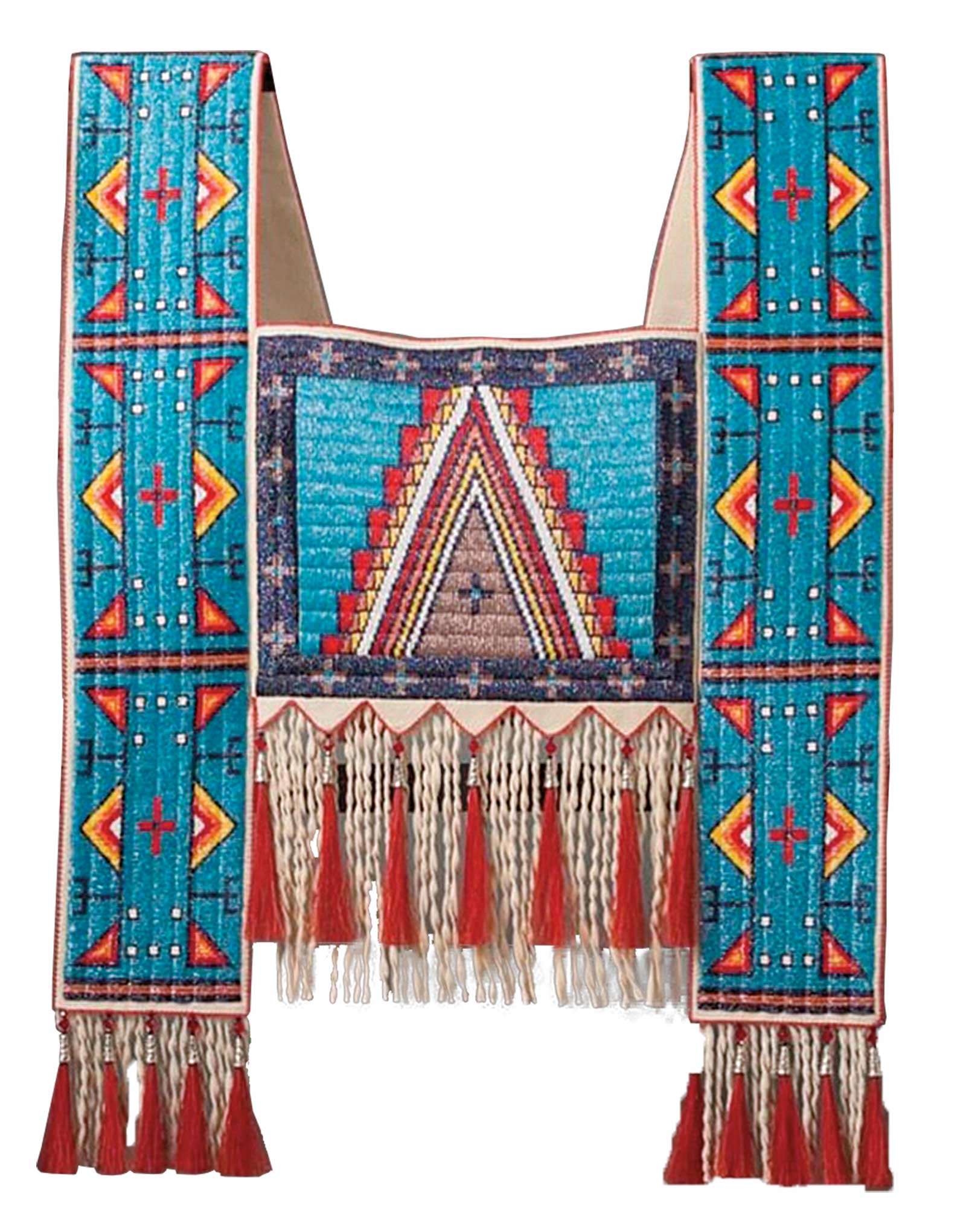
Beverly (Bear King) Moran (Standing Rock Sioux)
“The use of horse regalia was common amongst the Lakota for giveaways in honor of a relative and ceremonies. The making of horse regalia is being revitalized. Inspired by the Horse Nation and the reemergence of dressing horses, I created and beaded a horse collar utilizing our Lakota designs.”
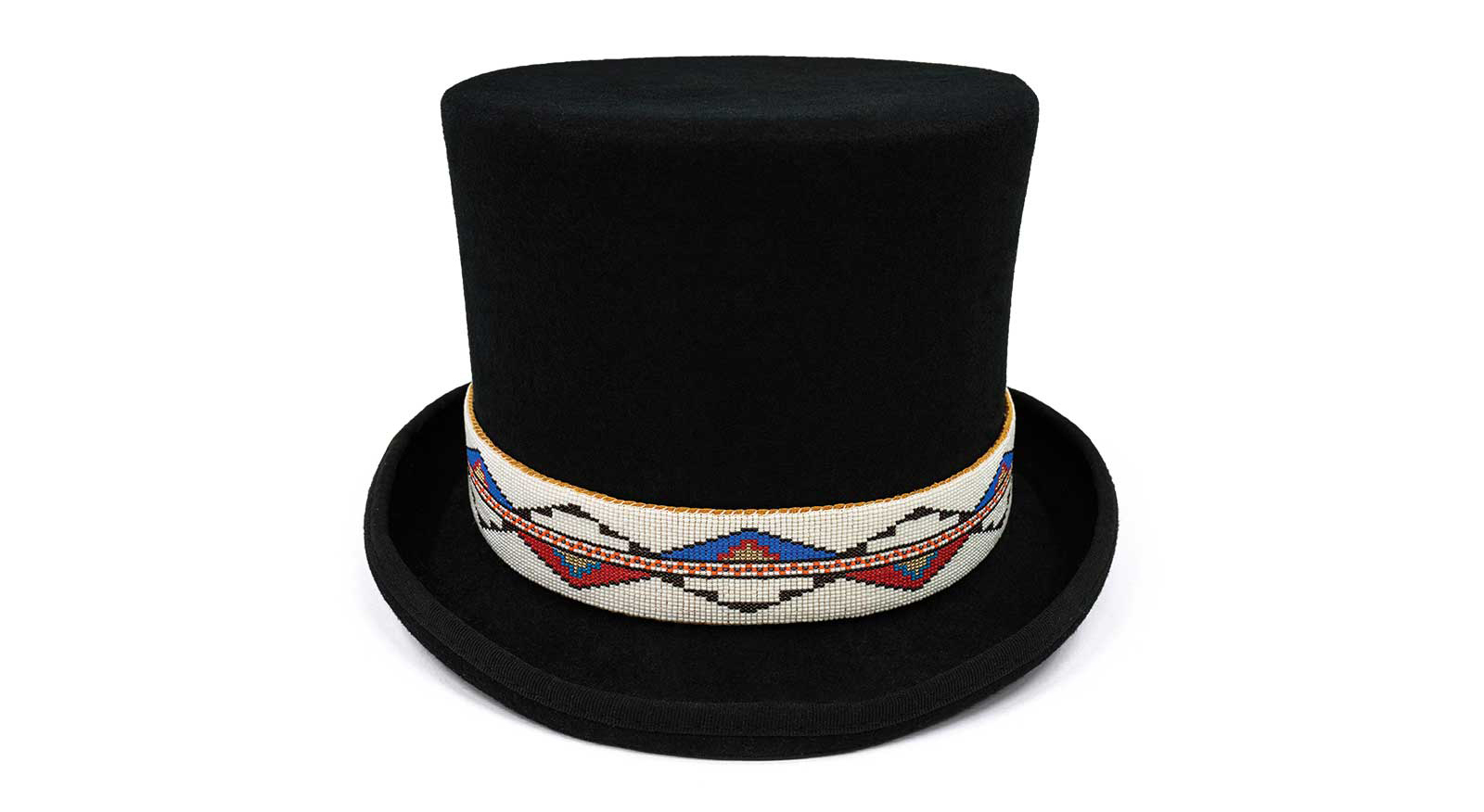
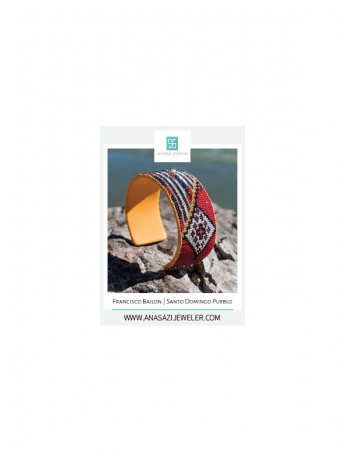
Francisco Bailon (Kewa)
“My works are inspired by the beauty found in my ancestral lands: the valleys, deserts and mountains.”
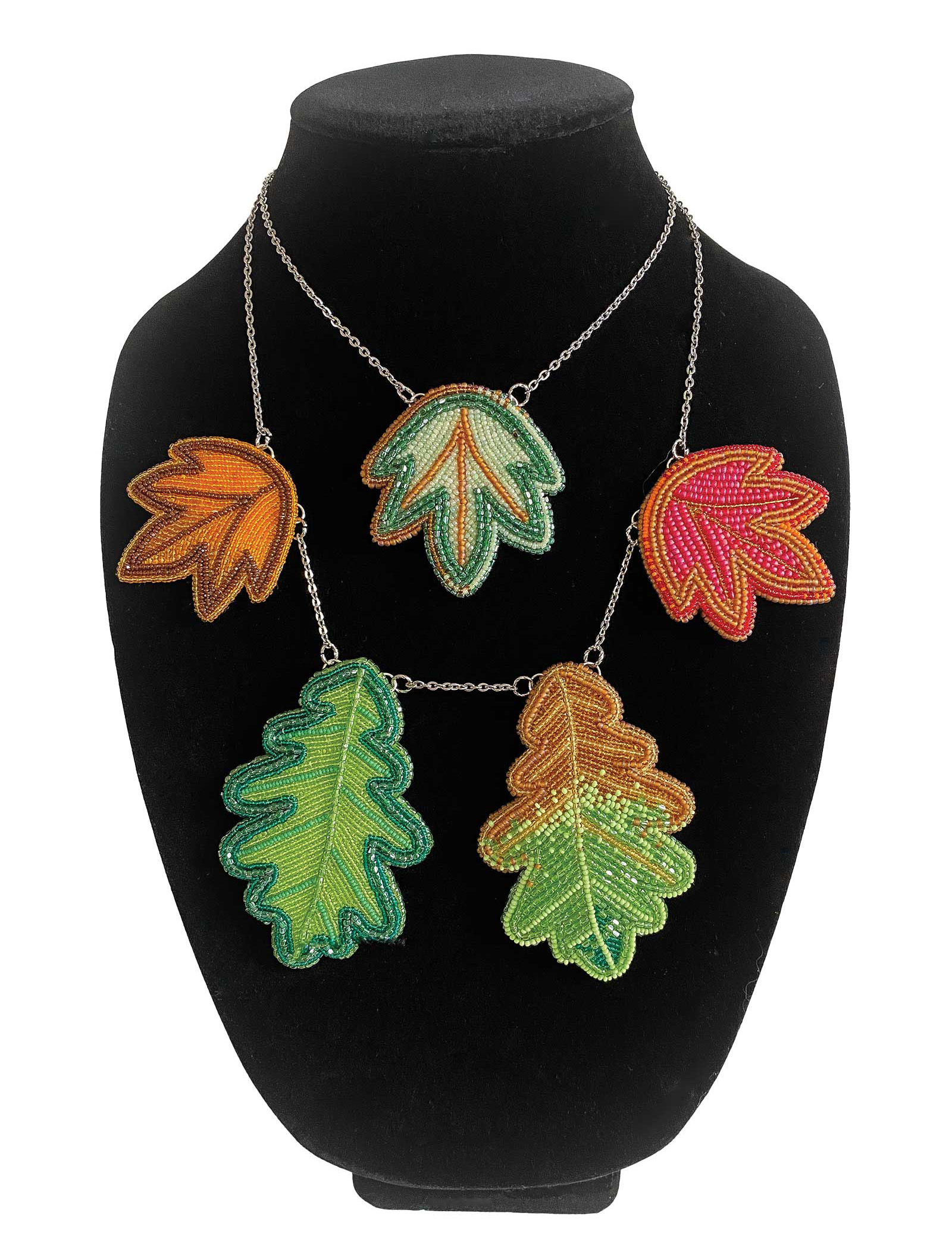
Summer F. Peters (Saginaw Chippewa)
“The transition from my former life to reestablishing my roots in my homeland has had a profound effect on my art. Reconnecting brings a whole new depth to my art and this statement necklace is a reflection of this transformation. The leaves on this necklace reflect the four seasons in the Great Lakes and is reminiscent of the emotion and change I have experienced in this past year, while staying true to my eclectic aesthetic.”
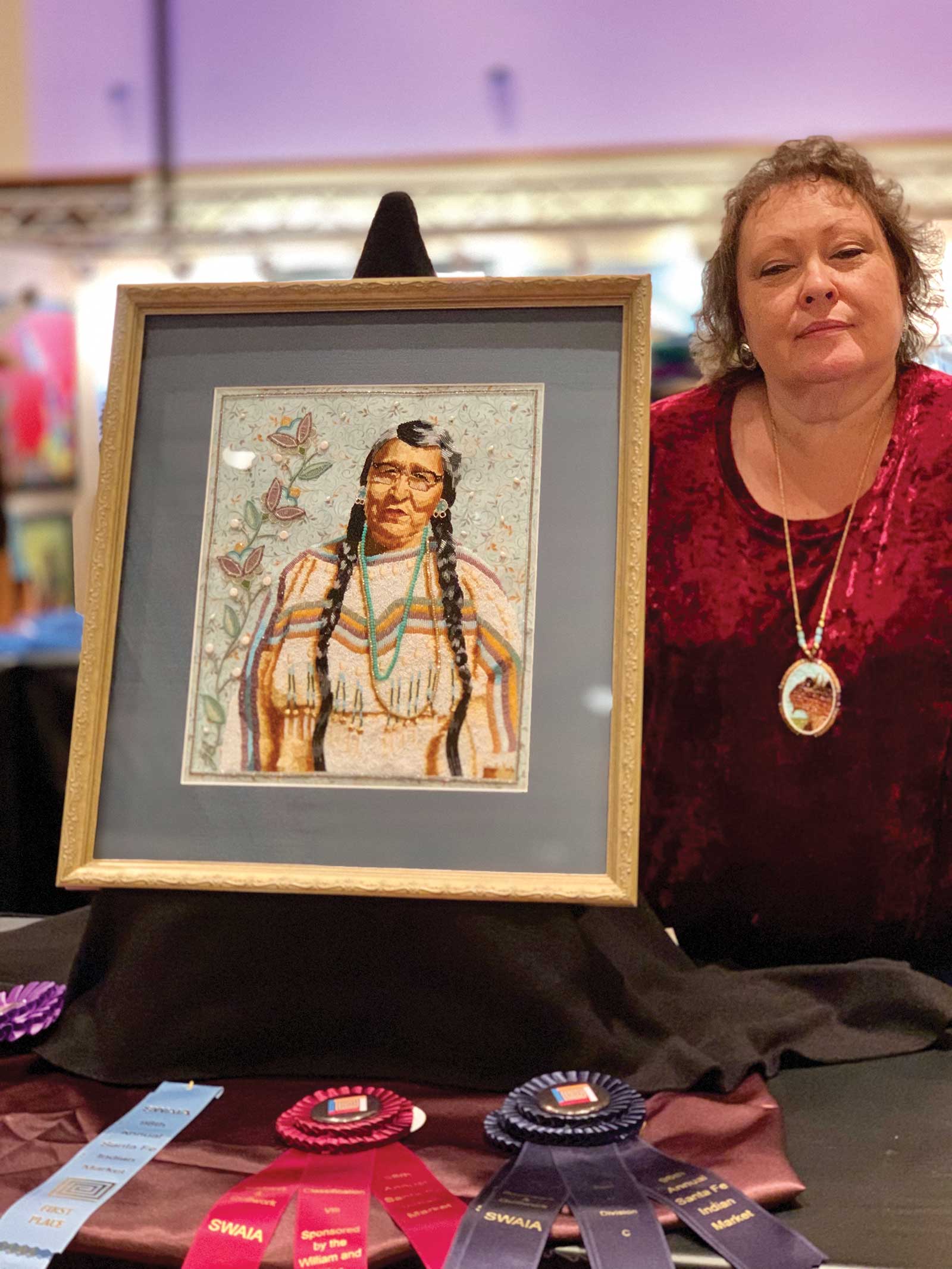
2019 Winner (Best of Show)
Jackie Larson Bread (Blackfeet)
In 2019 Jackie Larson Bread’s Amskapipikuni Culture Keeper: The Heart and Soul of our Family’s Resilient Blackfeet Culture Keeper, Wisdom Keeper Cecile Shildt received the Best of Class and Best of Show. The work, she explains, “of the resilience, the wisdom, the beauty, the pride that our mothers and grandmothers instill in our families. This concept resonates deeply with people.”
Carvings
Traditional messages and a connection to nature are dominate in the work of Native carvers. While heritage and story telling are a primary focus, collectors will see that a contemporary flare also prevails. Carving is meditative force that instills techniques of movement and flow.
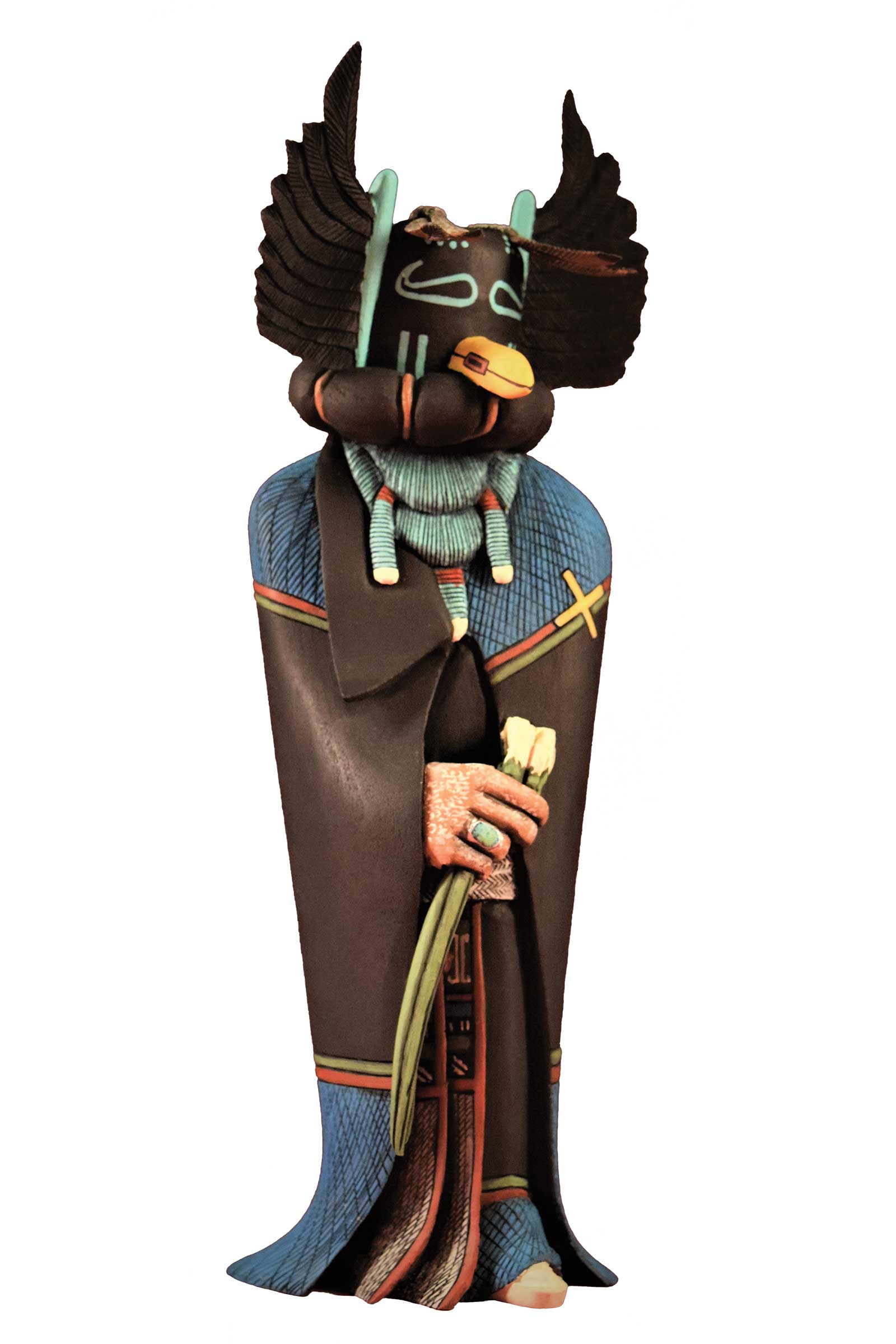
Gerry Quotskuyva (Hopi)
“Freedom is the one word that best describes the life of an artist. I am able to choose when I create… or not. Working at home gives me time to maintain a garden, as well as contribute more time to meaningful causes locally, and ignore clocks. That’s where my happiness comes from. As I say when friends ask what I do, my response is, ‘I follow my heart’s desire’.”
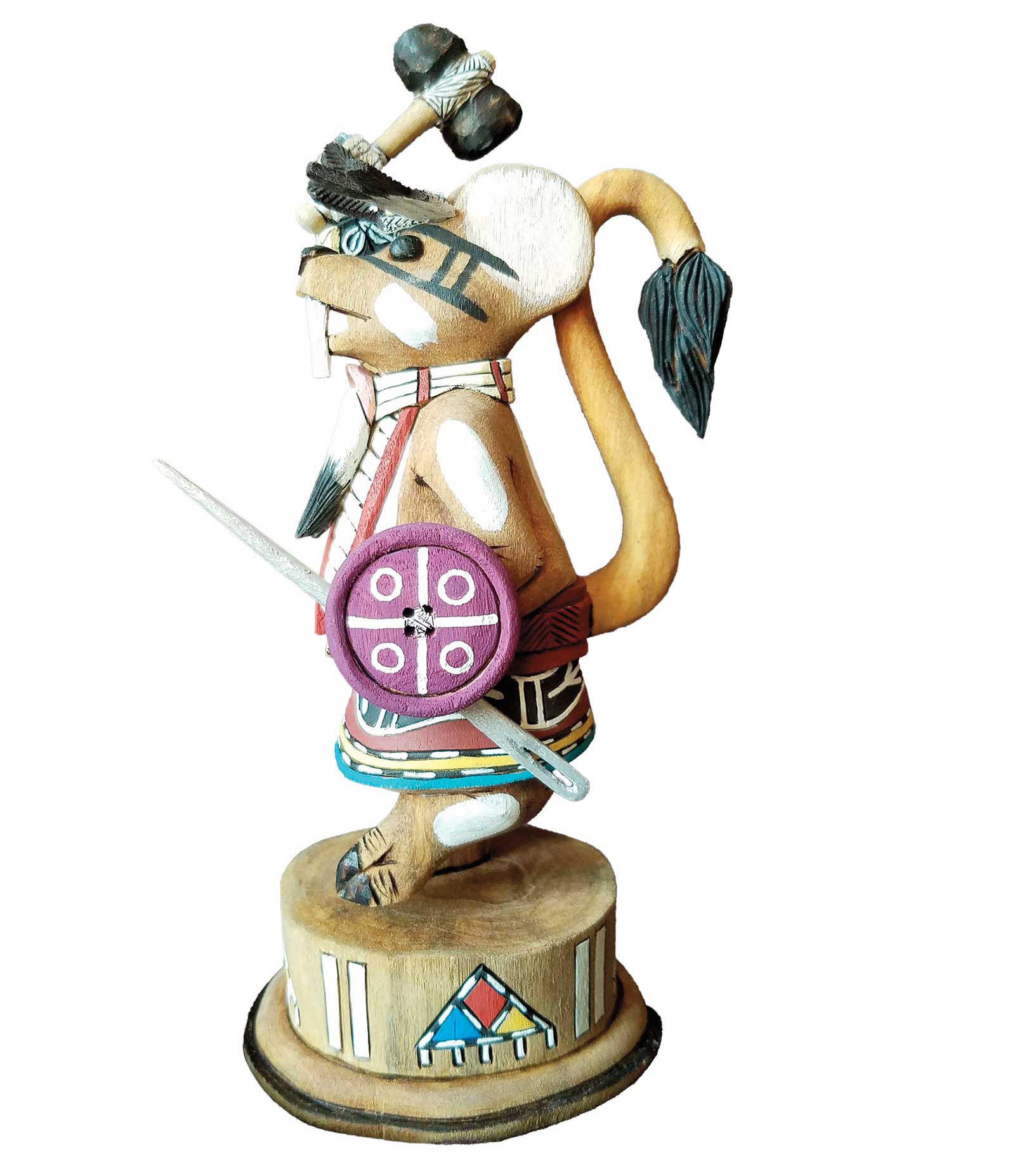
Randy David (Navajo/Hopi)
Raised Hopi, David is living and taking part in ceremonies that lead to detail, design and movement in his carvings. Adding his own vision and insight of each piece completes each carving. The flow of material, natural and realistic, such as the look of butterfly wings, jewelry or hair, is a continuous process in making it look realistic.
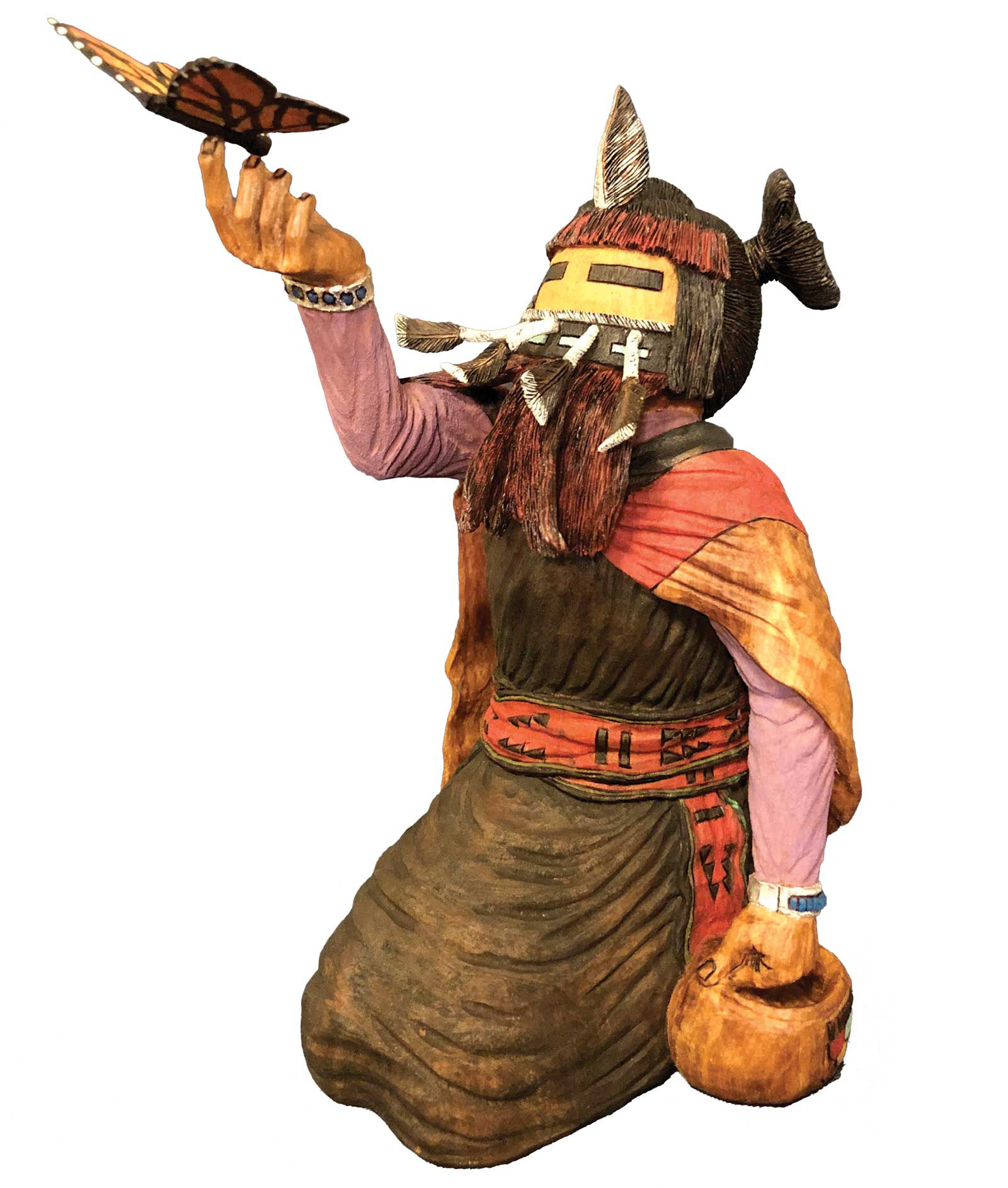
Ronald Honyumptewa (Hopi)
“The inspiration for my work stems from my curiosity about the katsina world and the messages of peace and harmony they convey in their songs. Over the years my work has evolved to focus the motion and flow of the katsina spirit, which I envision early in the carving process.”
2019 Winner
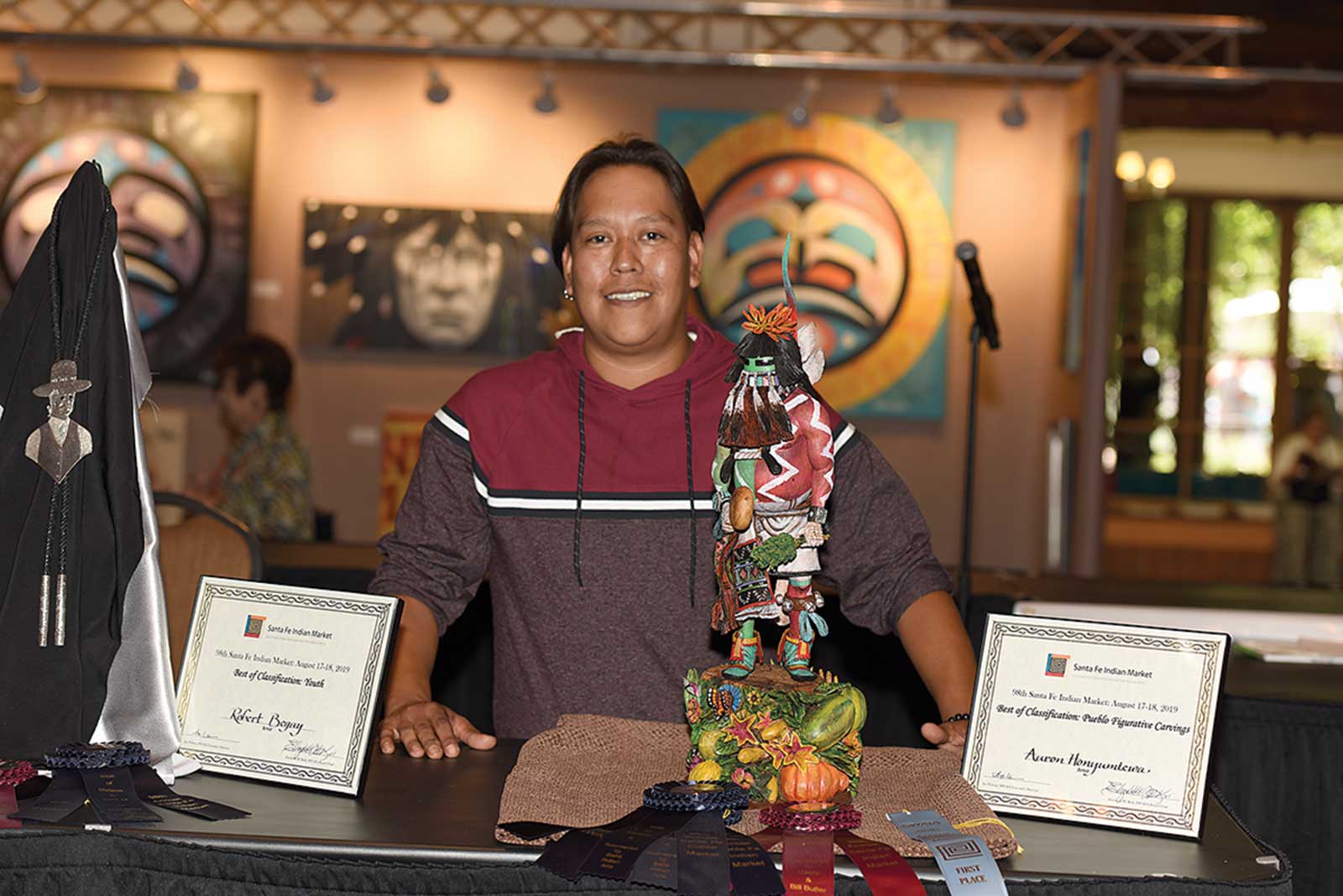
Aaron Honyumptewa (Picuris and Hopi)
Introducing last years winner for the carving’s category, Aaron Honyumptewa! He’s most known for his carved katsina dolls, and is inspired by his family, Hopi culture and his home at Picuris Pueblo. His winning piece exemplifies carving skill and technique, while including astonishing detail and vivid color.
Diverse Arts
Nothing is ever boring in the work of artists who dabble in diverse arts. Everything is fair game in creating unique works with materials such as metal, beadwork, paint and textiles. The SWAIA market will have many talented artists showcasing their contemporary yet traditional pieces that honor tribal history, but are touched by the hands of our modern world. There’s a story left to unfold in each diverse work.
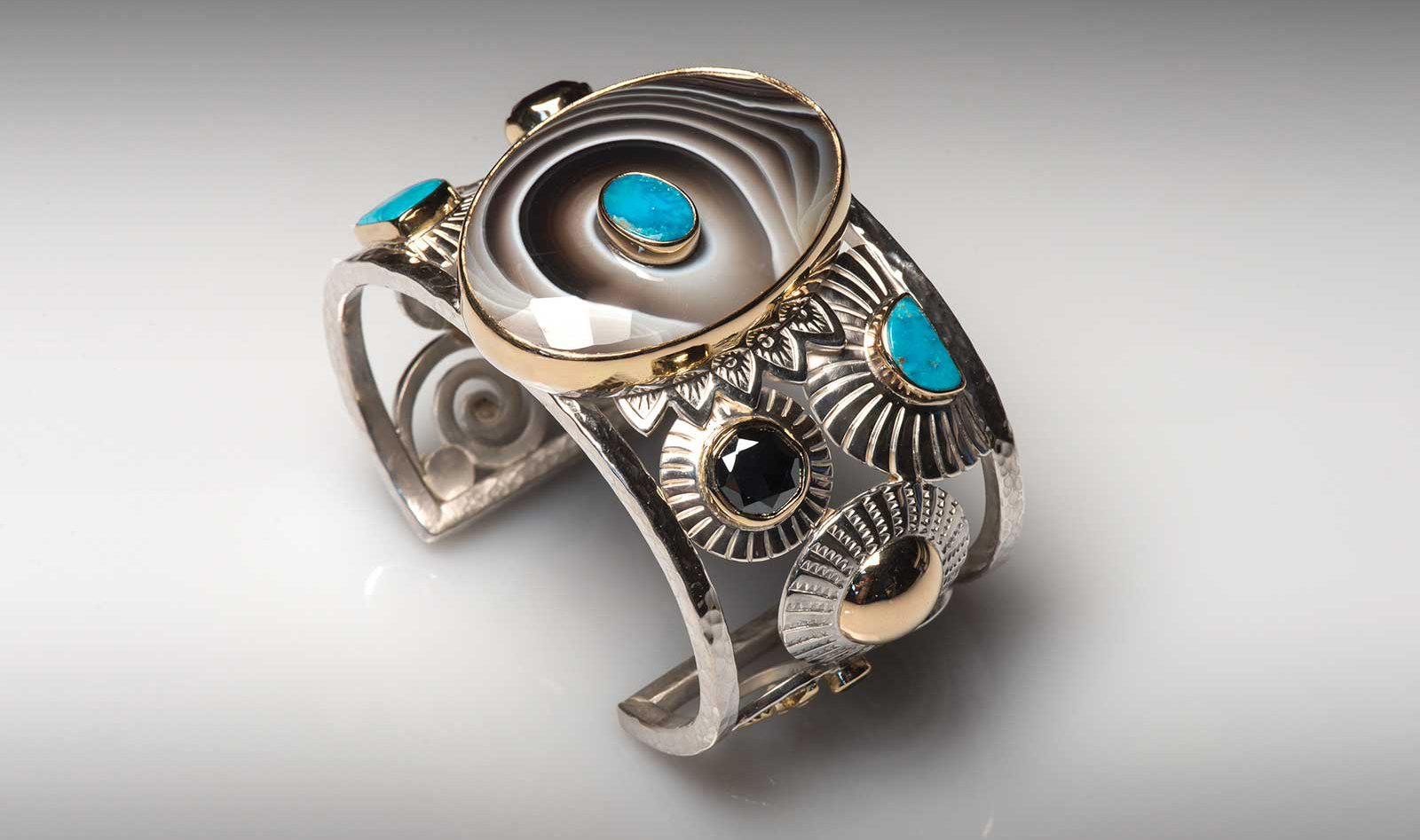
Victoria Adams (Cheyenne/Arapaho)
“Artistic and creative processes are born of diverse mothers, some steeped in Eurocentric academic ideals. Mine are not. Rather they are of earth, water, fire, blood and bone. The narratives embedded within my art harken to countless hours spent in the company of family and friends gathered around campfires, recounting tales of Cheyenne and Blackfeet traditional mythology and tribal history.”
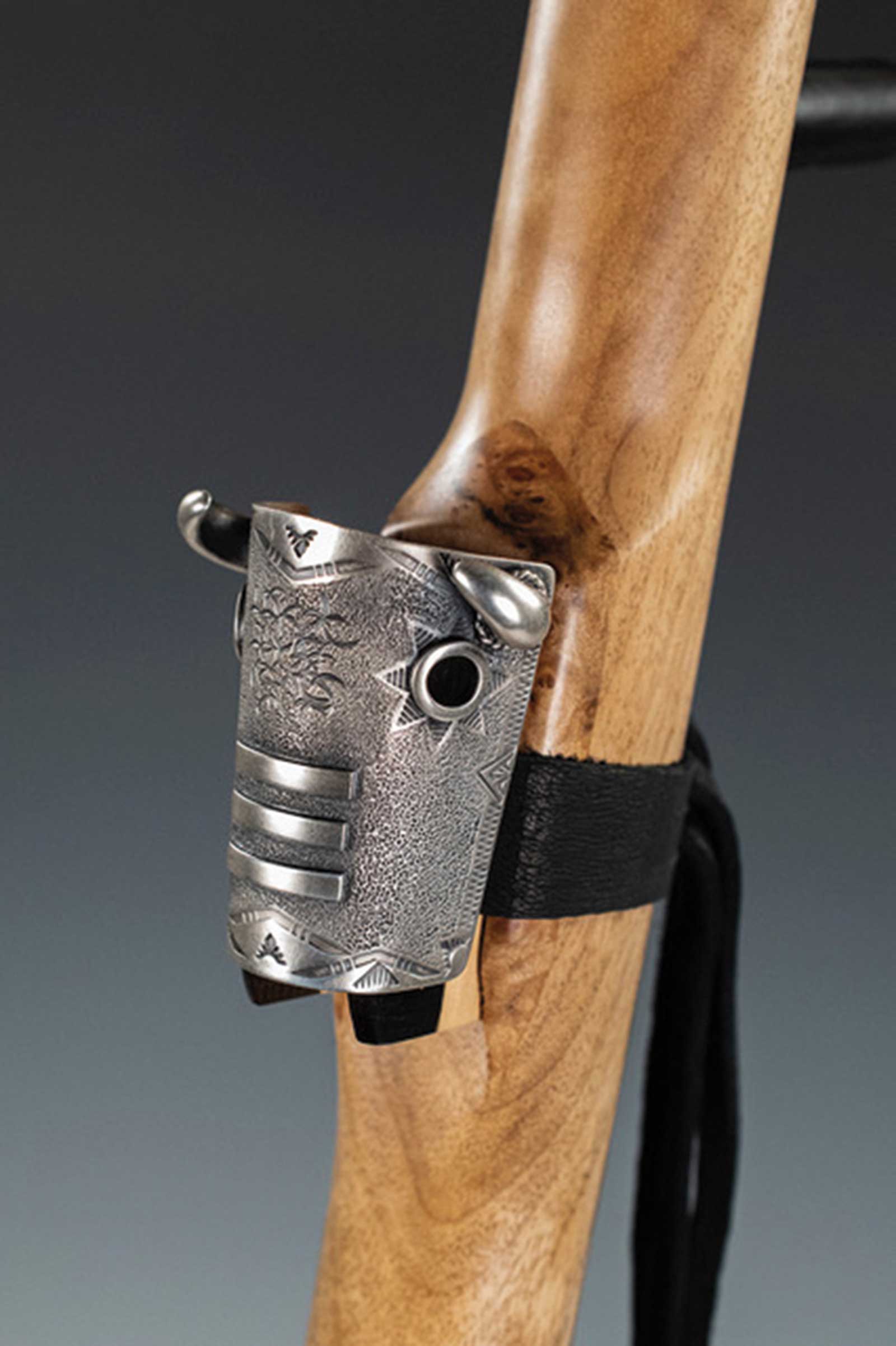
Tim Blueflint Ramel (Chippewa)
“My art embodies the long history of my family and my people. The designs for both my flutes and jewelry reflect the traditions and customs, memories and stories acquired from my grandparents. I create each piece with respect for the natural beauty of the materials used: wood, precious and semi-precious stones, coral, bronze, silver and gold.”
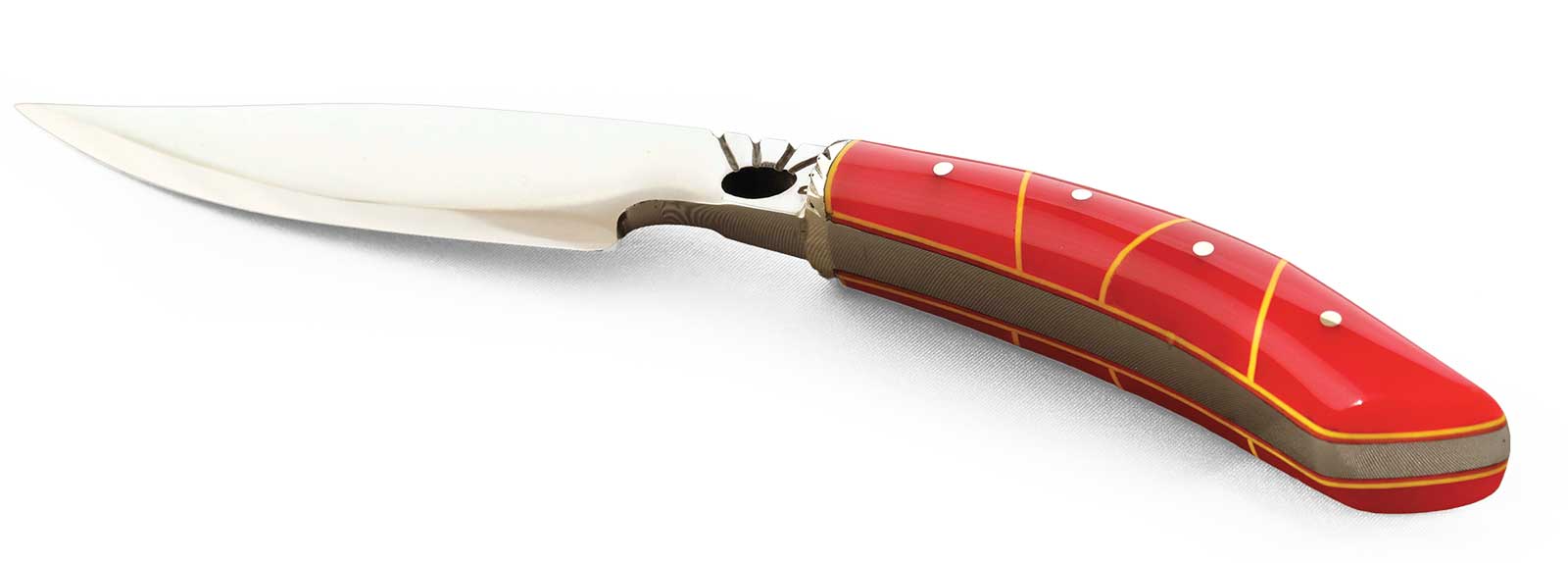
Daniel Worcester (Chickasaw)
“This knife was fashioned from found materials. The blade and tang were hand forged from a single piece of steel taken from a 100-year-old farm implement. The handle was fashioned from old dominoes. The bolster was constructed from scrap sterling silver.”
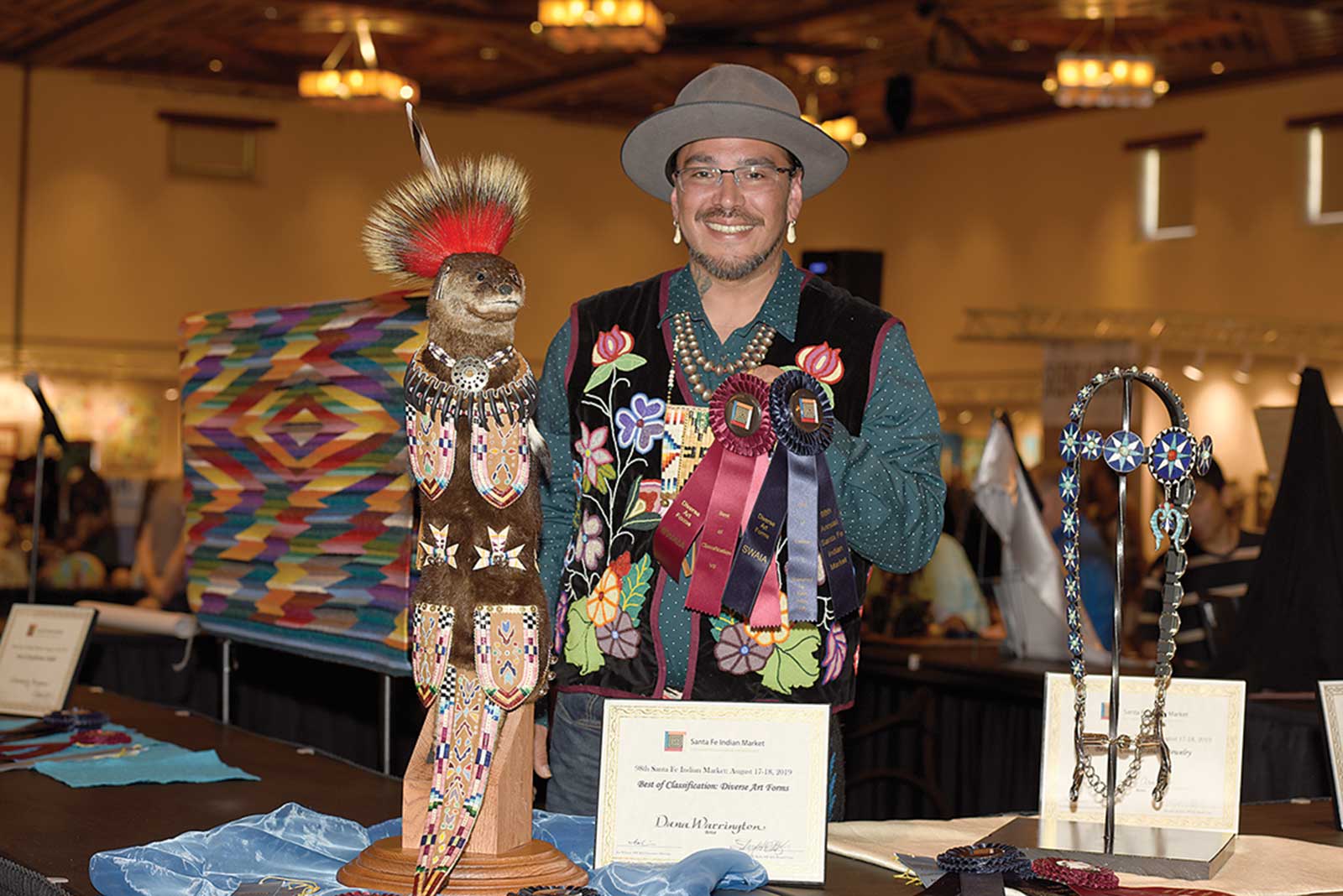
2019 Winner
Dana Warrington (Menominee/Potawatomi)
We’re happy to showcase the winner of last year’s diverse arts category, Dana Warrington. His traditional style showed through in his Native porcupine quill piece, inspired by his heritage and family history. Materials also include deer tail, smoked deer hide, silver bells, brass wampum, rawhide, palm royal turkey feather and German silver.
Jewelry
Eye-catching designs and coveted materials are just two of the elements that collectors seek when purchasing Native American jewelry. The most recognizable of natural stones is turquoise, which is recognizable for its blue and green hues as well as the rarity of some of the varieties, but stones such as coral, sugilite, jade and jet are also notable. The techniques are classic—such as inlay, silversmithing, tufa casting and hand-making strands of heishi beads—but the works all captivate because of the artists’ precision and attention to detail.
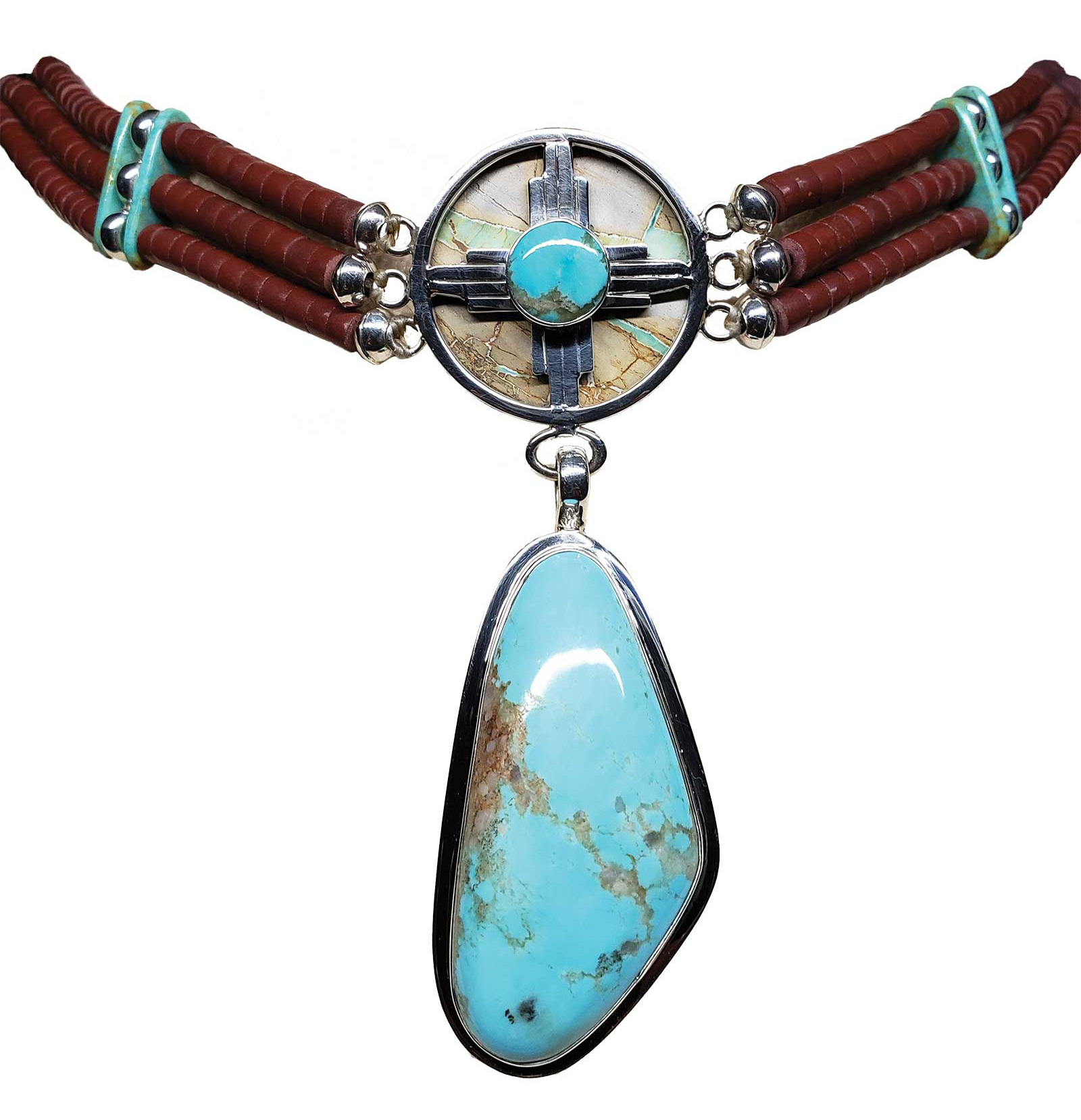
Ellouise Padilla (Kewa)
“One of my greatest joys in life is to create jewelry that is infused with my heritage. The Land of Enchantment necklace has brown pipestone heishi beads and the center of the Zia symbol is Kingman turquoise, with a Boulder Colorado turquoise backdrop. The dangle pendant is Kingman turquoise and sterling silver.”
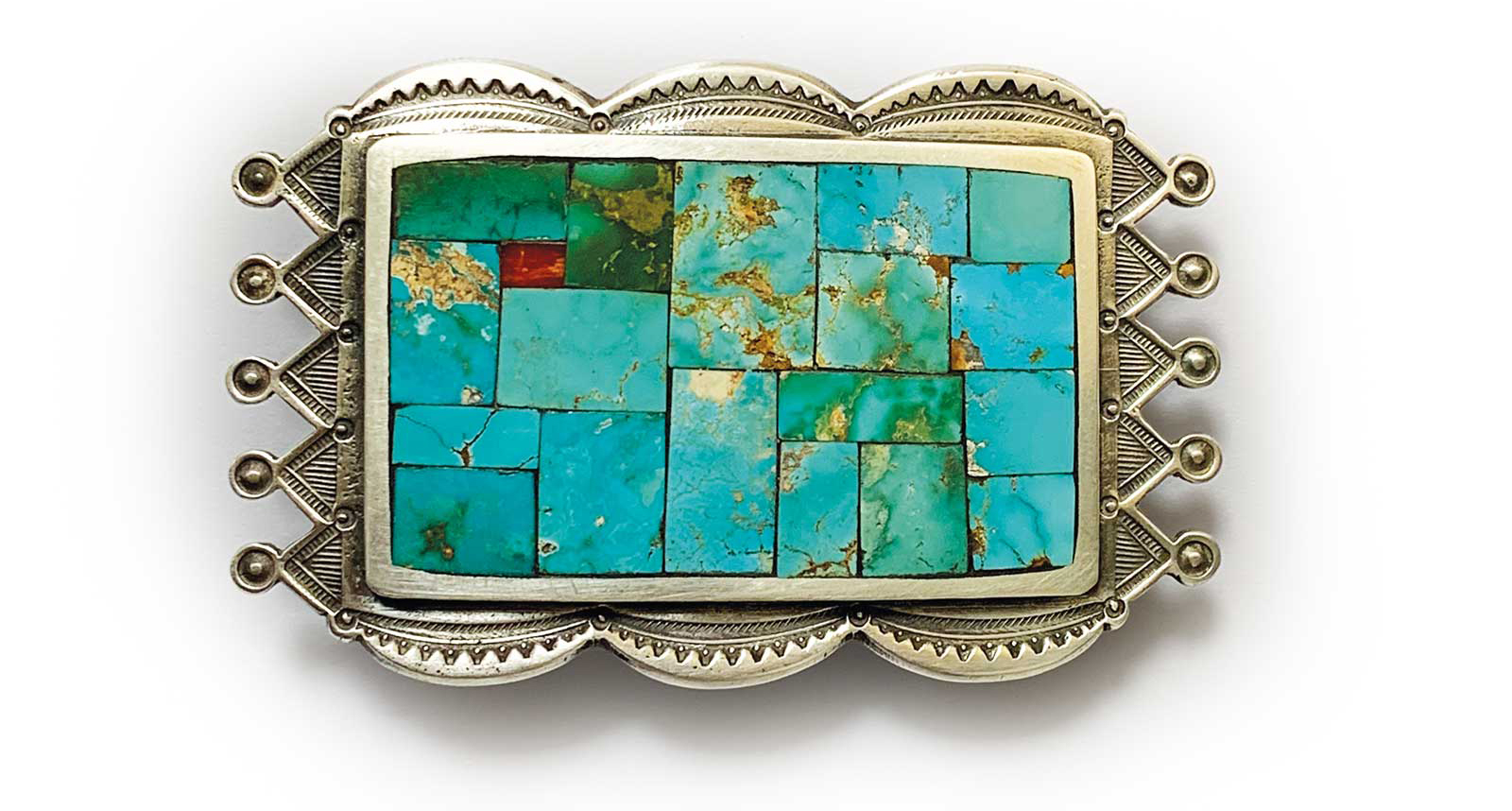
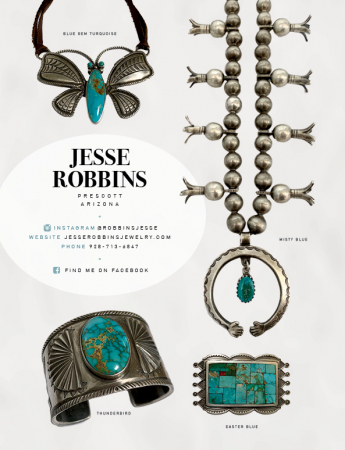
Jesse Robbins (Muscogee (Creek))
“Like an old friend, a good bracelet or ring tells its own stories and reminds us of the incredible journeys we all have. I find inspiration for my work from my journeys through the wild places of the west and the turquoise I mine from this landscape.”
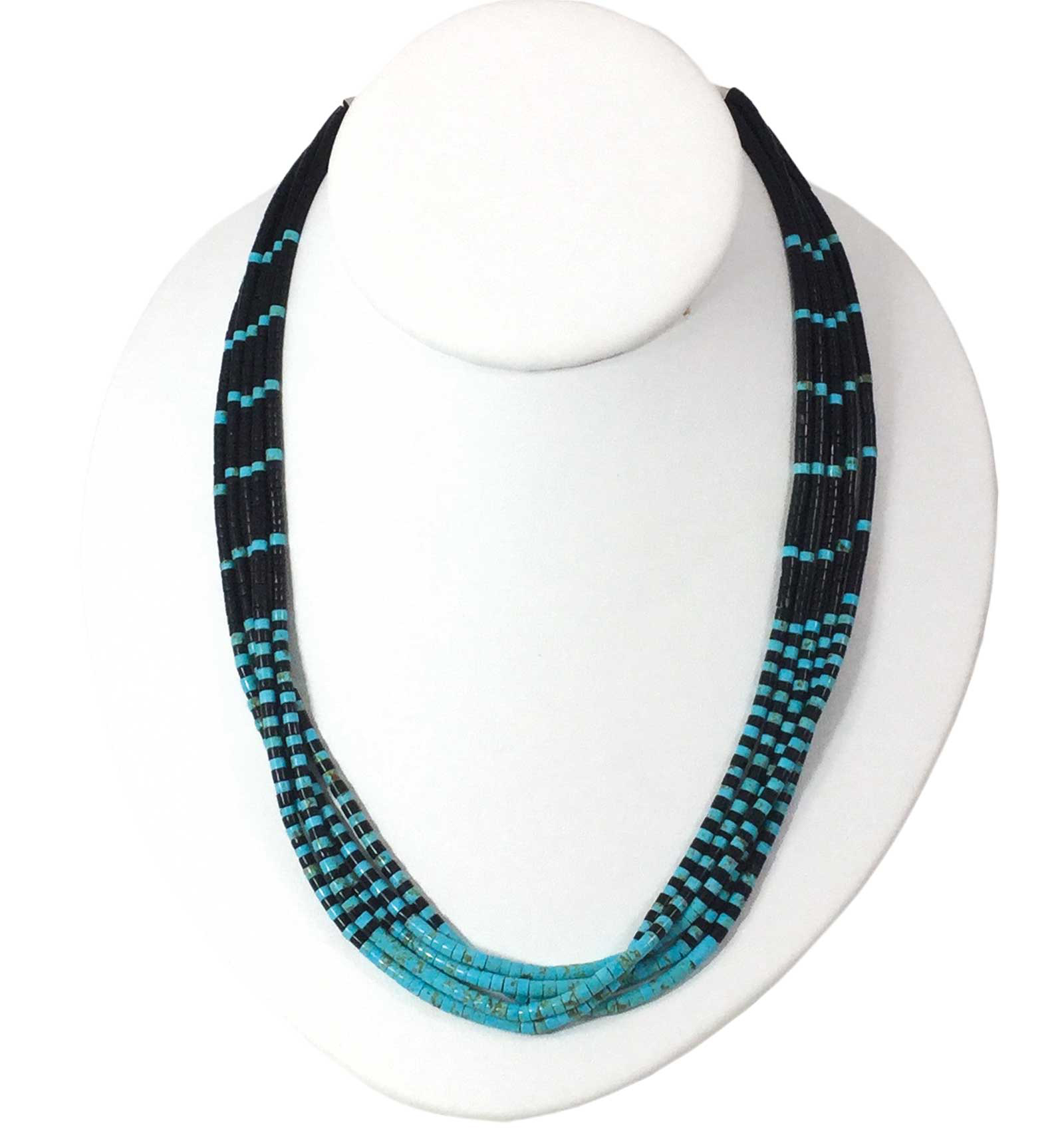
Janie Reano (Santo Domingo)
“My inspiration comes in places I have visited, emotions a song can evoke, life experiences or my family. As a fourth-generation SWAIA artist, I try to live up to the Reano namesake for quality jewelry making. The Moon and Star necklace is a five-strand turquoise and jet stone necklace with sterling silver cones and clasp.”
2019 Winner
Sarah Aragon (Diné)
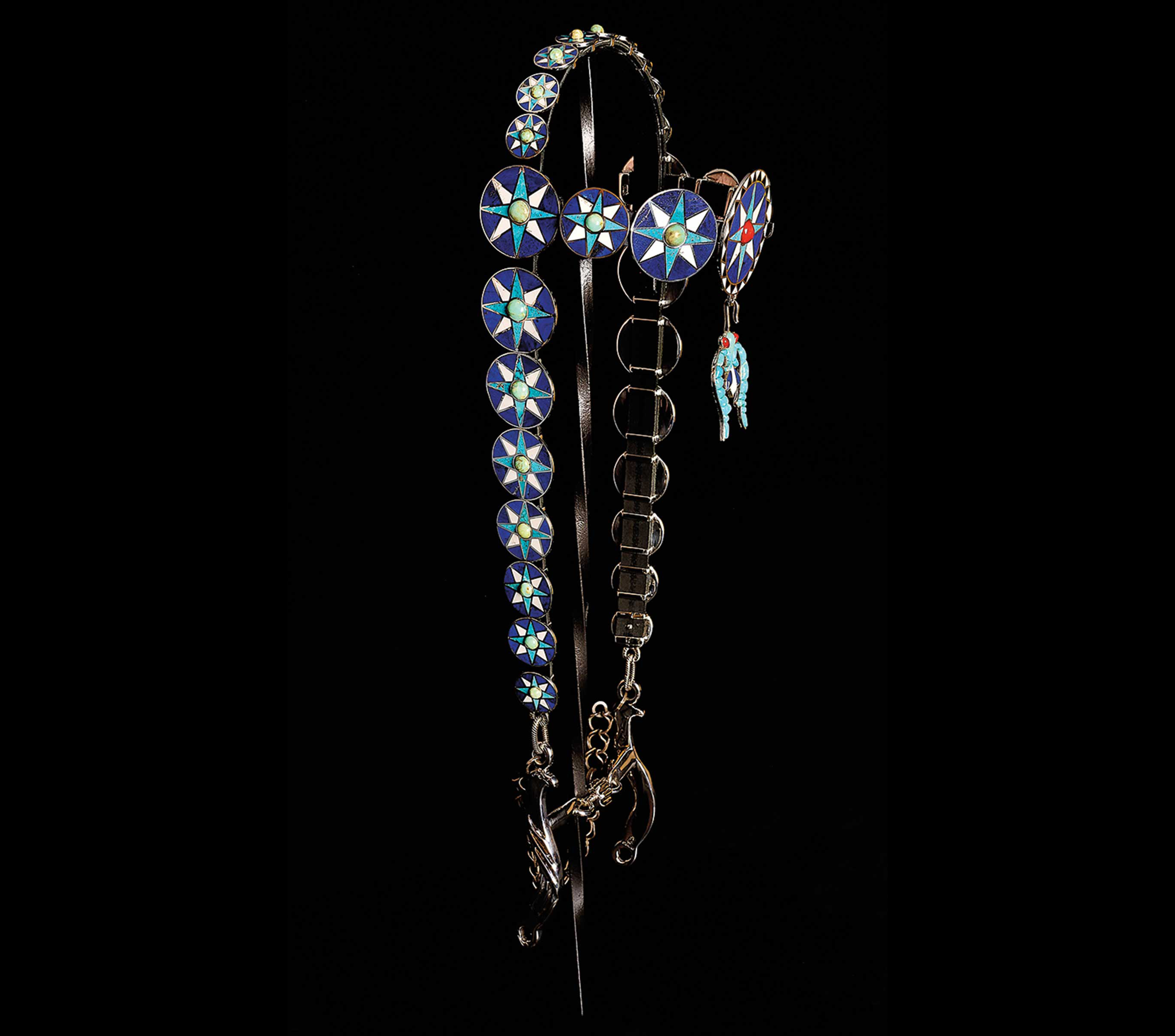
Sarah Aragon’s award-winning piece Honoring the Horse People/Horse Head Stall was made for her own stallion, who she says is a work of art himself. Aragon adds, “It is a great honor to make a piece of rare jewelry and have it recognized as the best among the best Native American jewelers in the world. It has taken me my whole life to reach this point.”
Pottery
Native American pottery is most commonly associated with the Pueblos found throughout New Mexico, but potters from all over the country convene in Santa Fe for the annual Indian Market. Collectors are drawn to these sophisticated wares that are rooted in traditional techniques, firing and materials. Clays are dug from sacred sites and natural pigments are used to dye the clays, while the shapes and decorations on the vessels often reflect the maker’s heritage.
Preston Duwyenie (Hopi)
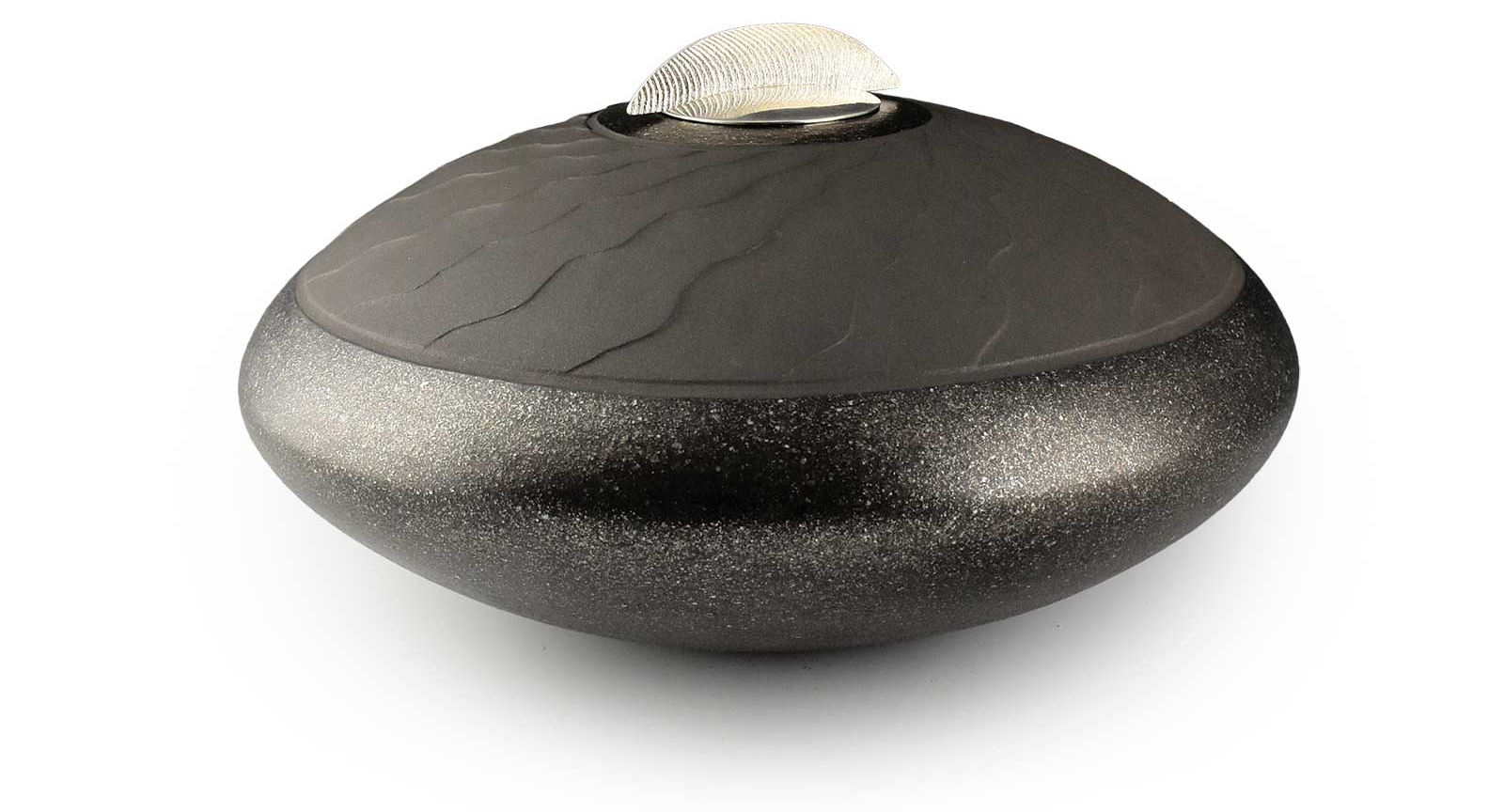
“The textural quality of the land is represented by the rippling lines on the surfaces of the clay vessels. Since the Hopi people live in the desert region of the Colorado Plateau, water is a scarce commodity, thus, the silver inlay represents this precious life blood. The inlay is a prayer that water will always be in the Earth for us to exist, and the pattern etched around the silver represents clouds.” and the water is contained within.”
Laverne Loretto-Tosa (Jemez)
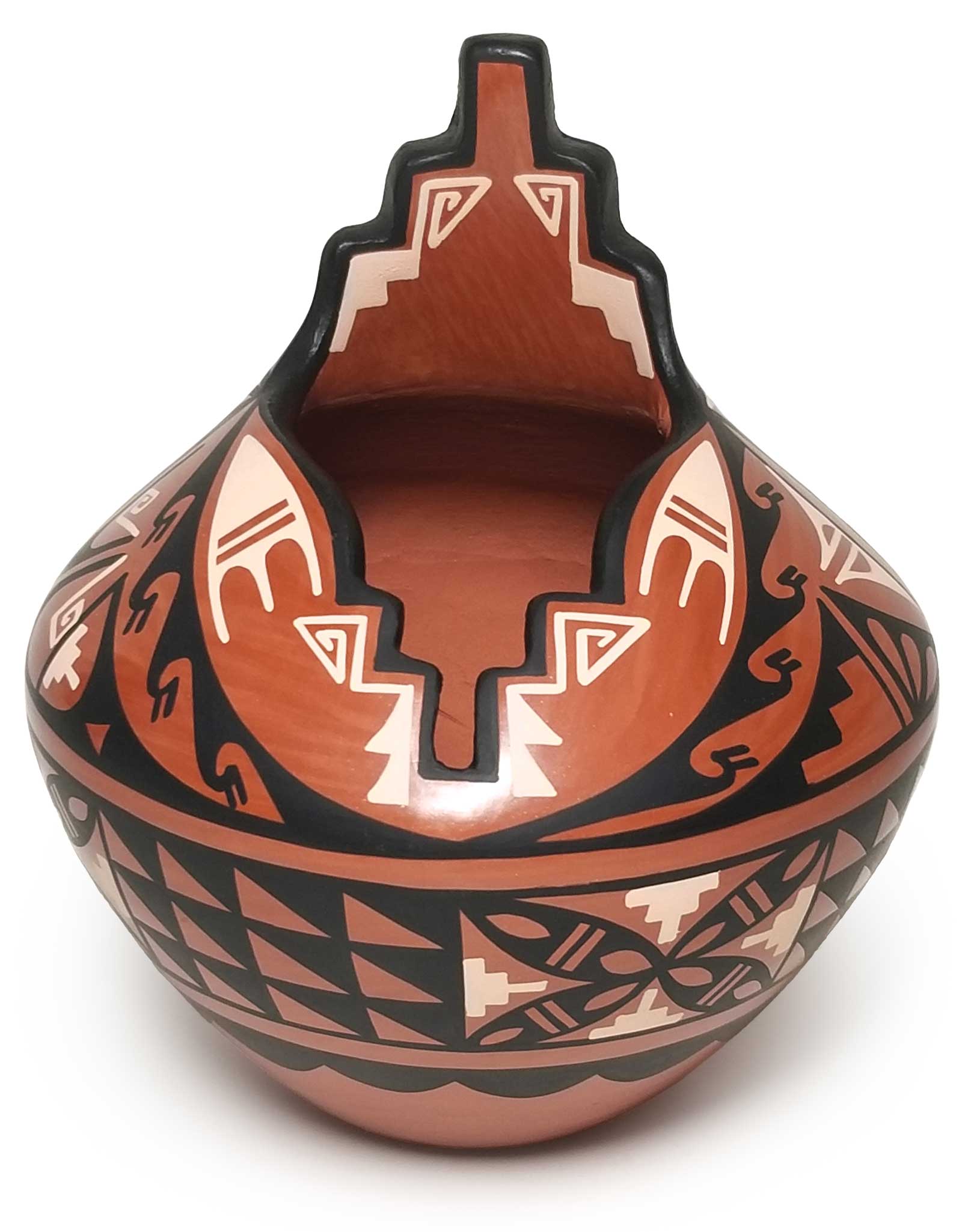
“As an artist, I focus on creating my pottery using materials from my beautiful homeland. Every piece is uniquely created through a coil method. The coils from the bottom up represent the connection we all have with Mother Earth. The free hand paintings symbolize the beauty and strength around us.”
Karin Walkingstick (Cherokee)
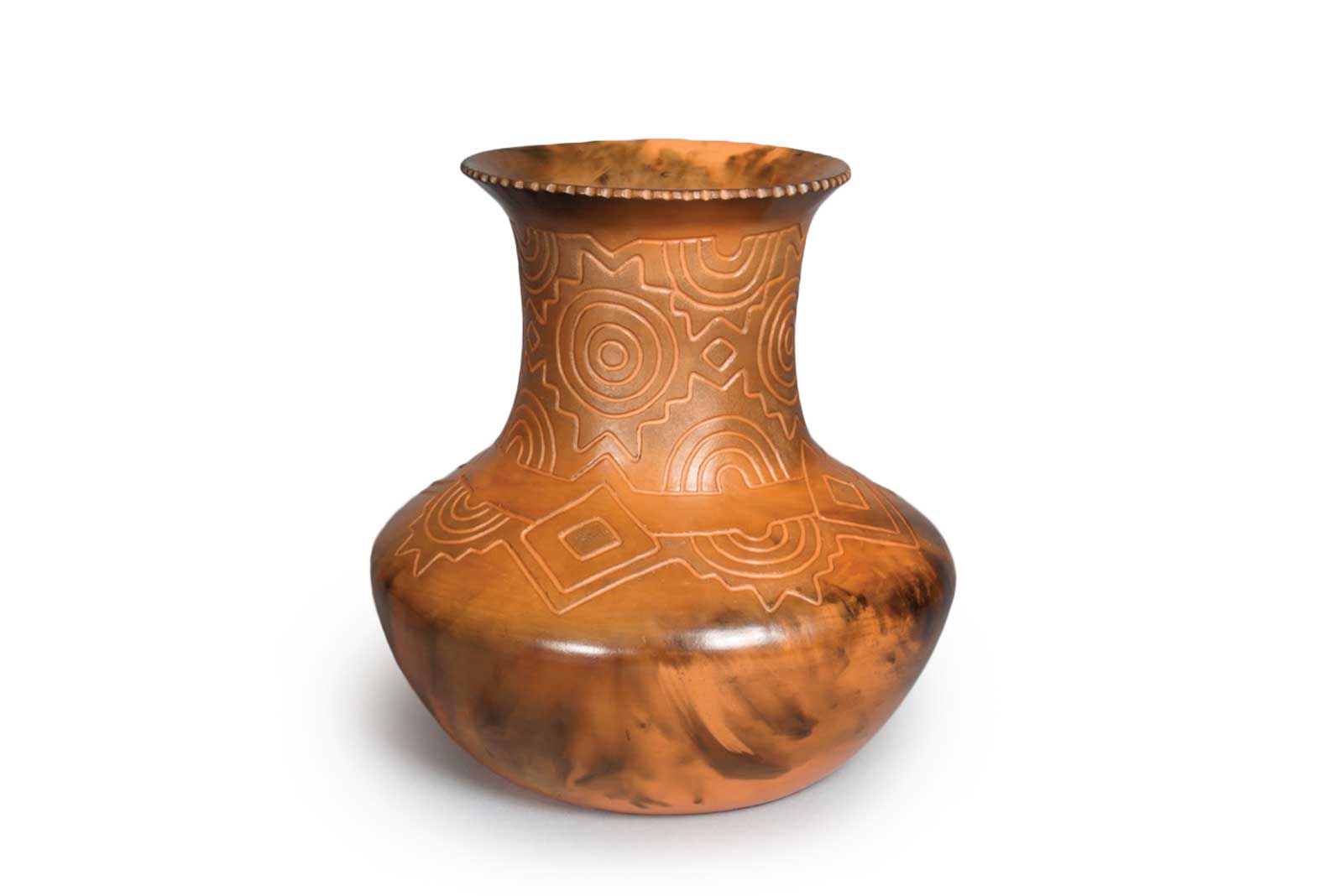
“This piece is untitled. It was built using the slab and coil method out of red earthenware clay. It has been stone burnished and incised with a Southeastern design that I expanded on a little. The rim has been notched. It has been initially fired in a kiln and also pine needle fired outside on the ground for the variegated brown coloring. The natural coloring of this clay is very orange.”
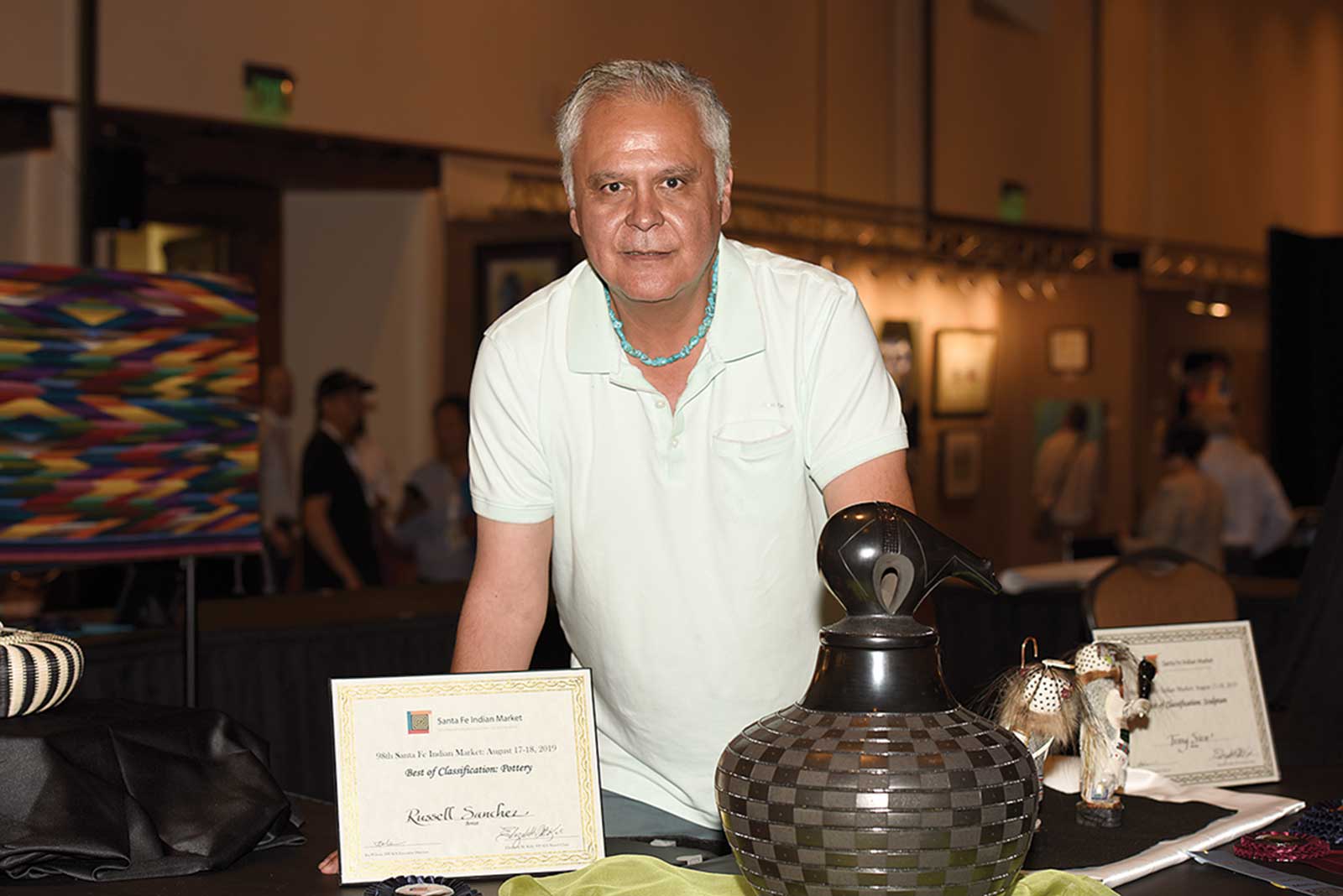
2019 Winner
Russell Sanchez (San Ildefonso)
It took more than three years for Russell Sanchez to complete his storage jar, Bear-Lidded Jar Inlaid with Hematite Heshi, which is traditional in every sense—from gathering the clay, to the techniques, to the firing. The inlay of hematite gives it a more contemporary feel, but even that is an old material. “Here at San Ildefonso,” he says, “we’re often told that to keep our traditions alive we have to constantly move forward, not remain stagnant.”
Sculpture
Native American sculpture comes in many different forms, including bronze, stone, clay, wood, steel, glass and even paper. Under an artist’s hand, these materials turn into something magical, whether it’s a wildlife subject, a spiritual being, objects from throughout Native American history or human figures. Another element to consider: realism versus abstraction. Collectors will see plenty of both, as well as so much more in this exciting category.
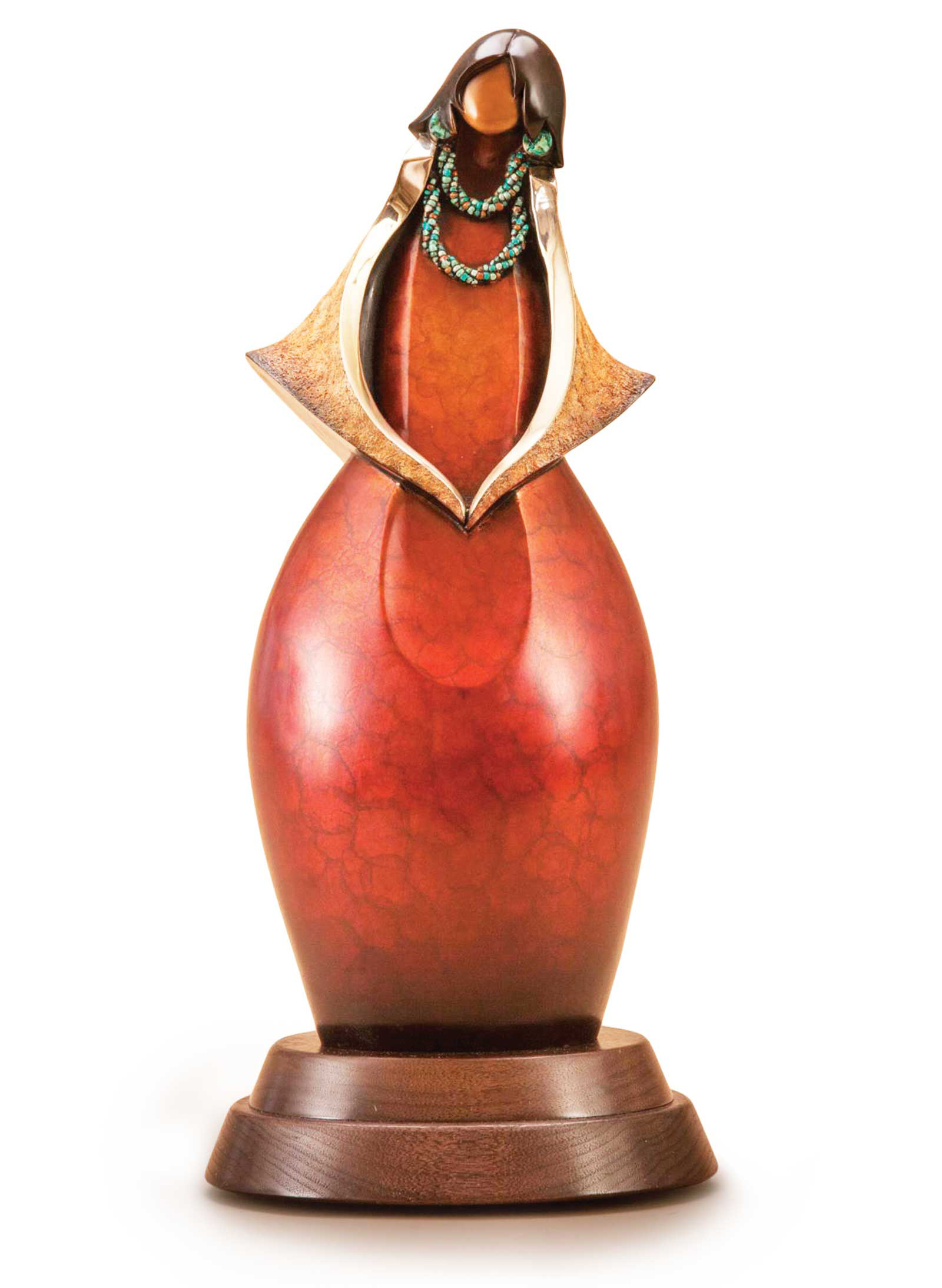
Kim Seyesnem Obrzut (Hopi)
“Upon first glance, the female figure is supposed, smooth and linear, ample to the touch and it isn’t until I explain the ‘story’ does one fully understand the direction I take with my work. That direction lately has been focused on attunement. Presenting the astute connection across time and space, born of tradition, from generation to generation the image more fluid, more intellectual.”
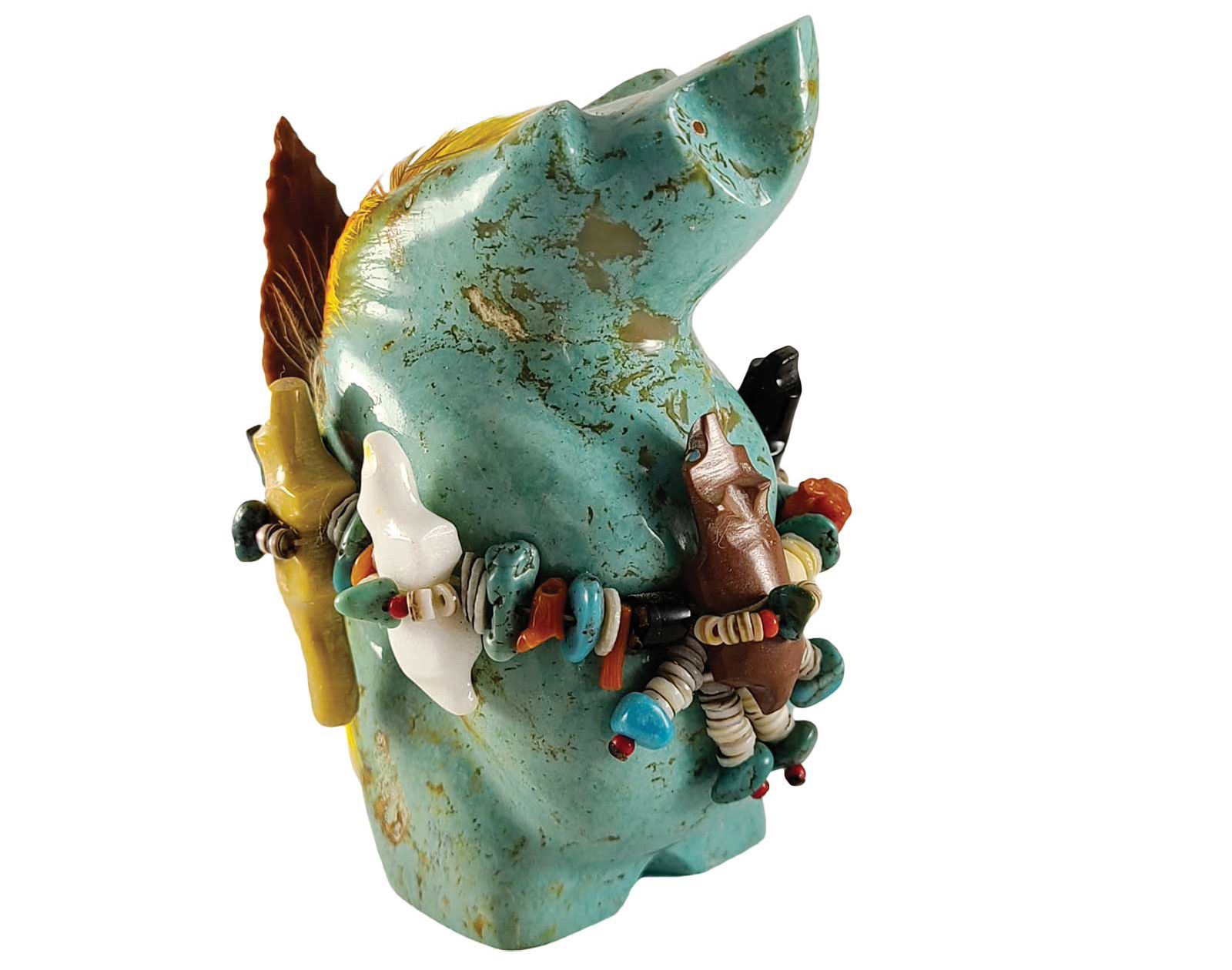
Manuel Weahkee (Zuni)
“I am a member of the Zuni Pueblo, and have been making Zuni fetishes since 1973 to present. I was inspired to create these traditional stone carvings following in the footsteps of my uncle, Teddy Weahkee. He has showcased in various Indian art markets across the country from the Autry Museum of the American West to the Santa Fe Indian Market.”
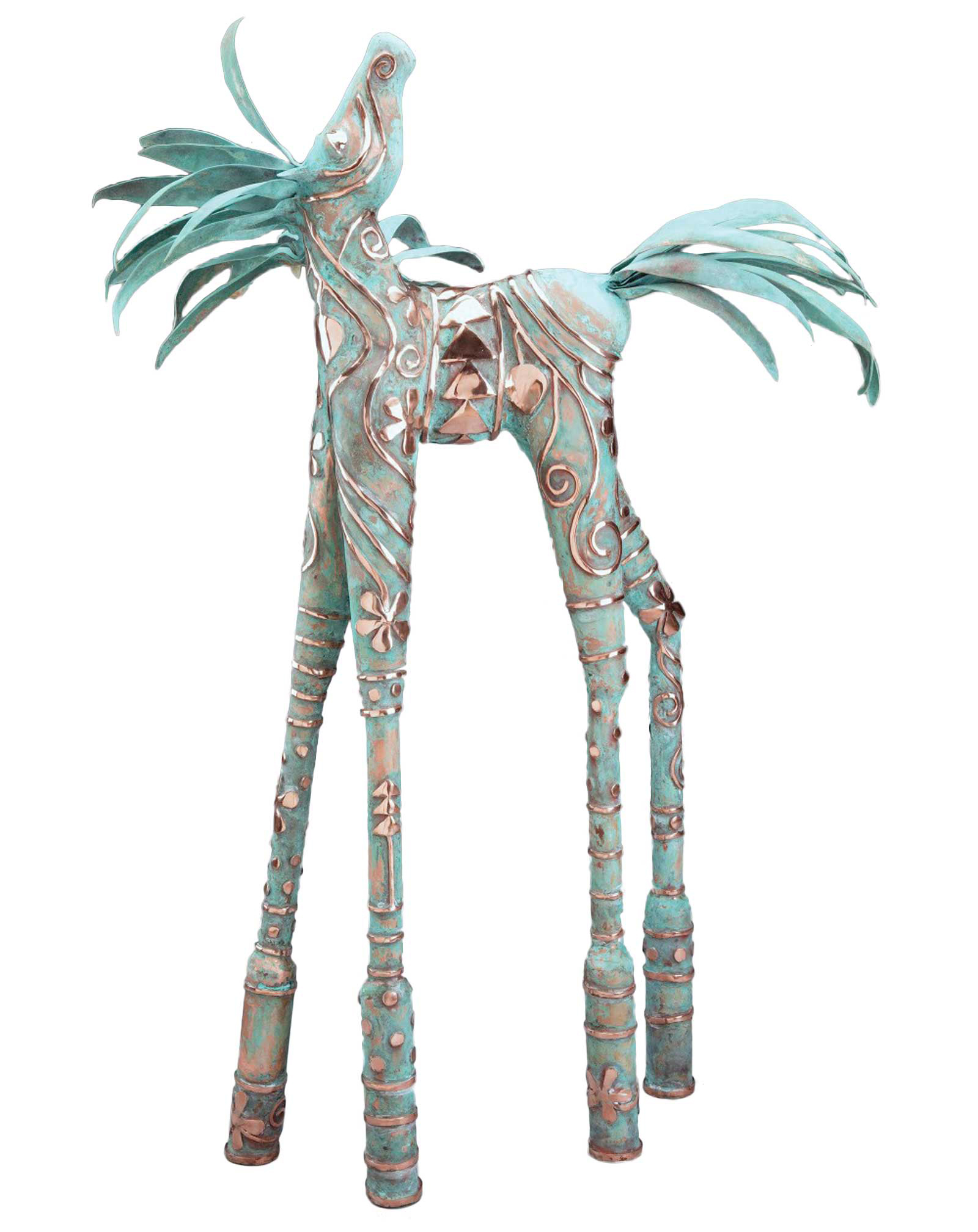
Mark Fischer (Oneida)
“[This work] honors the grace, beauty and spirit of horses who seemed to dance with excitement as we rode through the woods under the Strawberry Moon. The wild strawberry or ‘heart berry’ is a sacred fruit…The Oneida ceremonial cycle includes a special festive event known as Strawberry Festival to celebrate the arrival of the first fruit of spring and to show our thankfulness to the Creator.”
2019 Winner
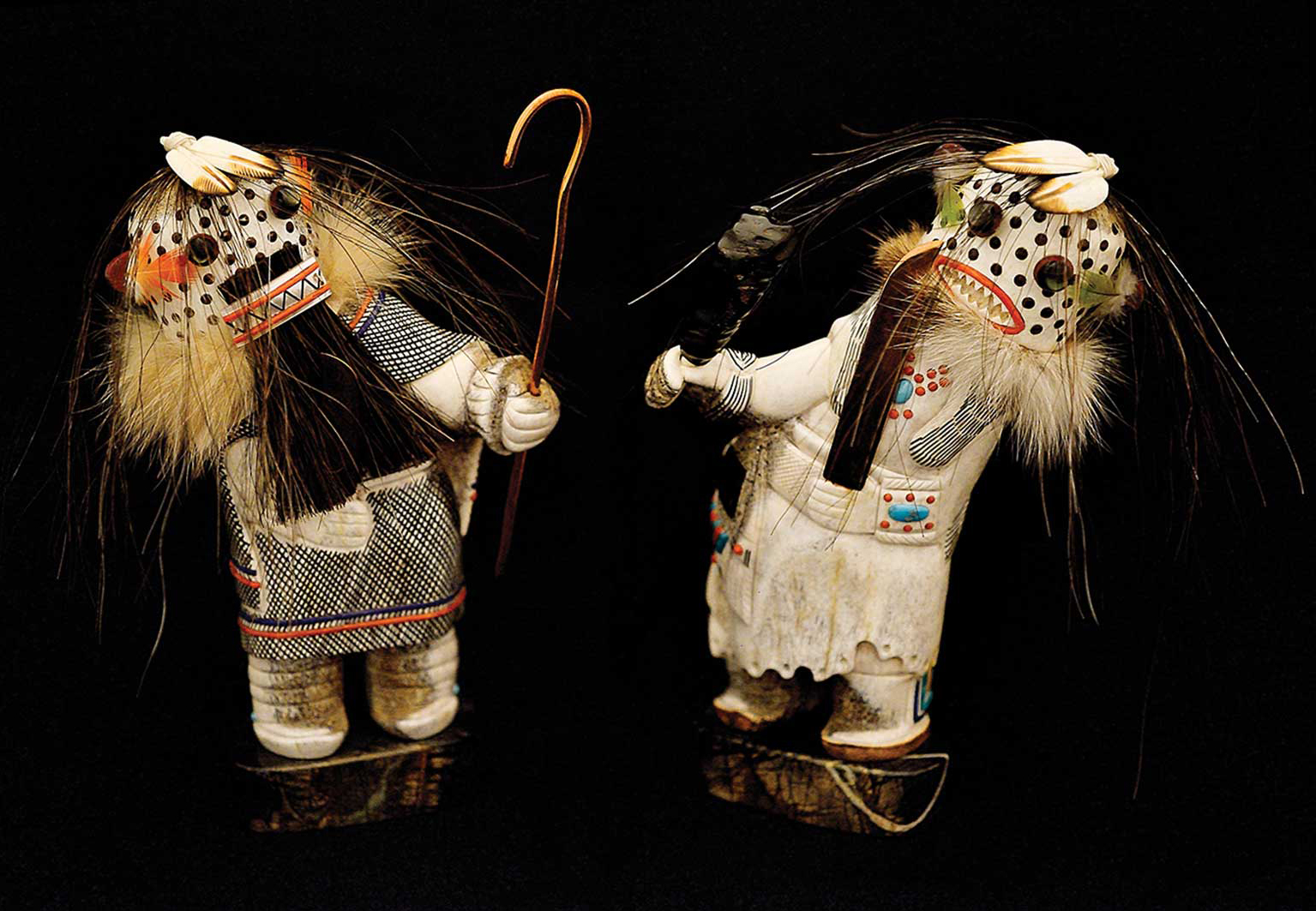
Troy Sice (Zuni)
“You see and hear on the news all the time about Donald Trump saying there’s no global warming, fake science, fake news, tweeting inappropriately. Saying things that are not true. My artistic vision: like a child not listening nor behaving, these Zuni ogres come to discipline him. The title says it all: You’re Not Exonerated!”
Textiles
The textiles classification has something for everyone, from dance regalia and contemporary clothing to traditional weavings such as rugs and blankets. Textiles also draw inherently from the artists’ culture and heritage, with designs, methods and materials varying across much of the country. Textiles are made with wool, cotton and feathers, as well as more contemporary materials such as synthetic materials and even some surprising items.
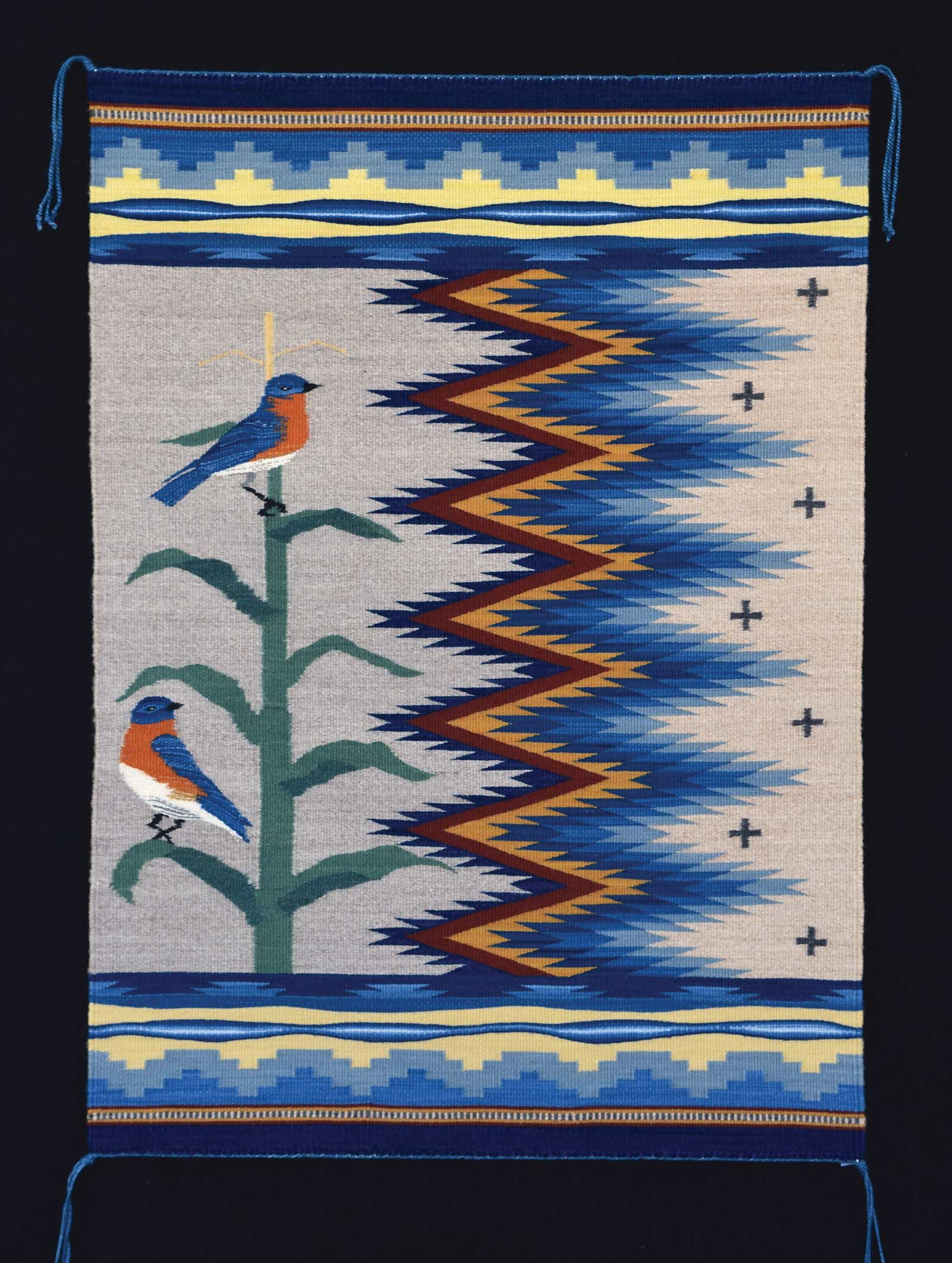 Image Caption
Calandra Cook (Diné)
“Navajo Weaving is a fascinating skill and being able to apply my profession through my art is rewarding. I enjoy conceptualizing with the design intentions of creating composition, transition, light, color and detail. My art embodies cultural Navajo influences and traditional journeys of self-expression.”
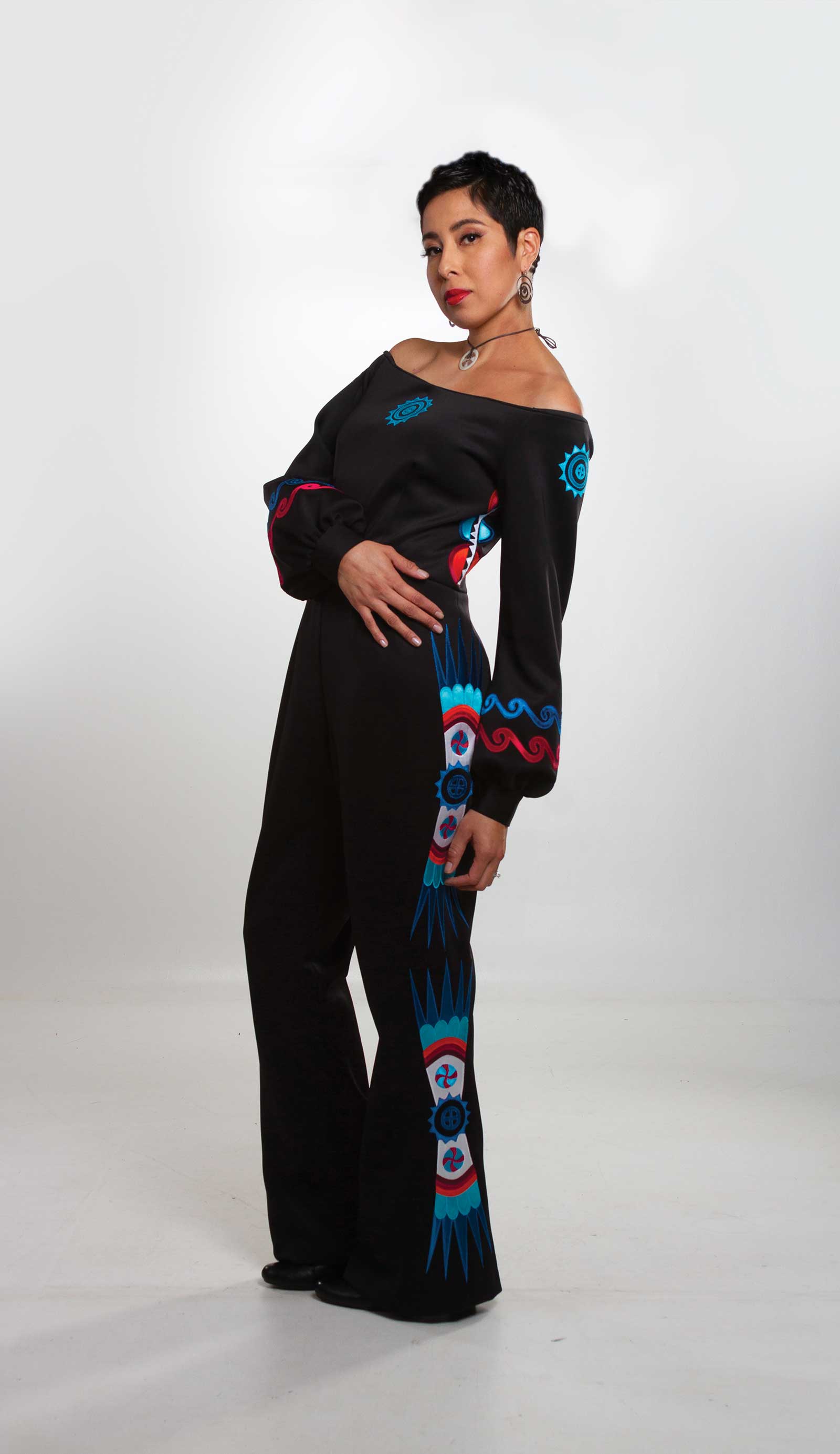
Leslie A. Deer (Muscogee (Creek))
“Writers use words to tell a story. I use southeastern iconography; symbols from my Mvskoke (Muscogee) culture. The motifs on my garments are just another language in which to tell a story.”
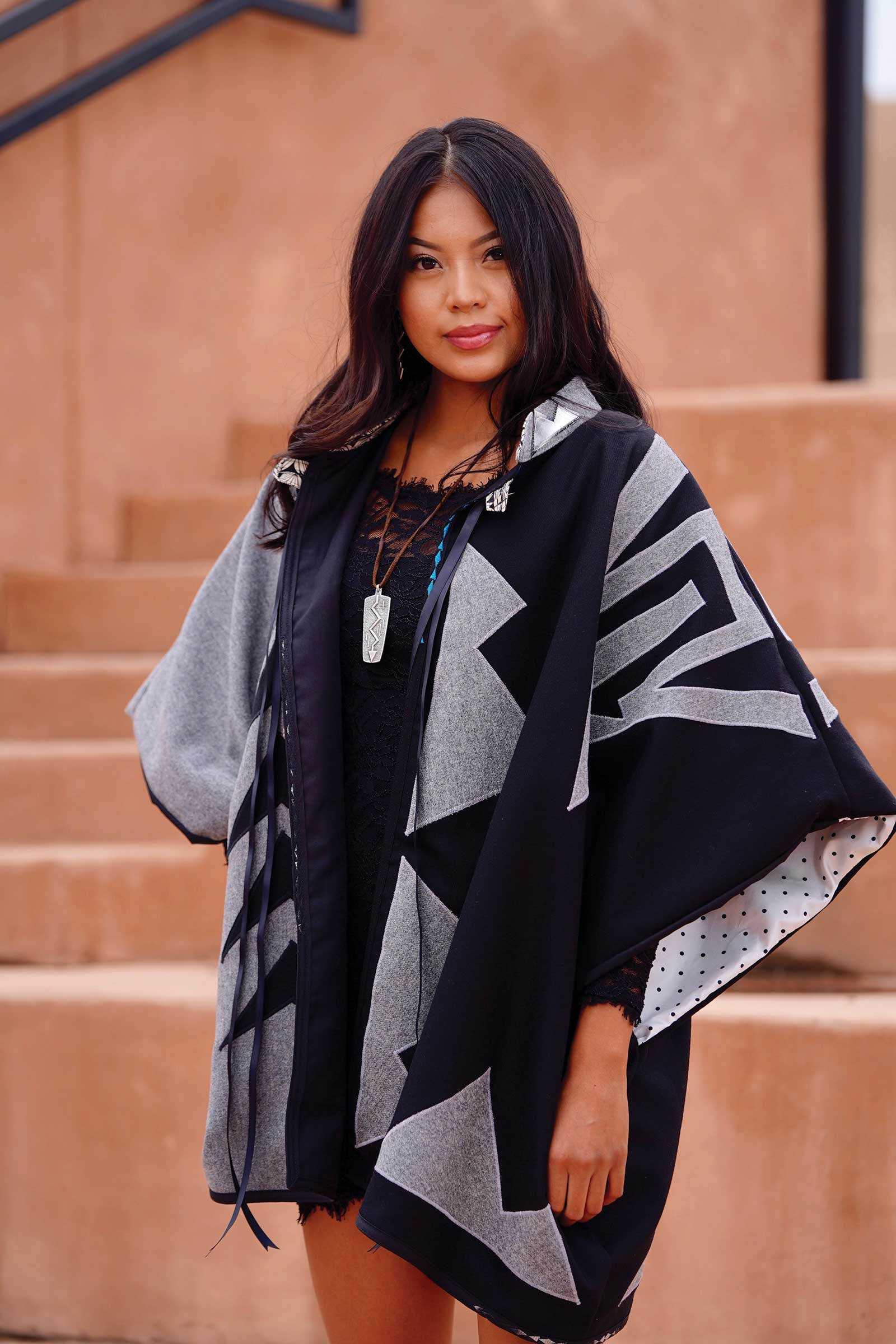
Penny Singer (Diné)
“[I] was quick to grasp the fundamentals of the sewing machine at just age 7. Though fashion was not on my mind, it was home economics classes…that taught me about pattern-making and gave me the additional sewing skills that would eventually help determine my future path designing the collection—a line of ‘wearable art’ made from colorful textiles…”
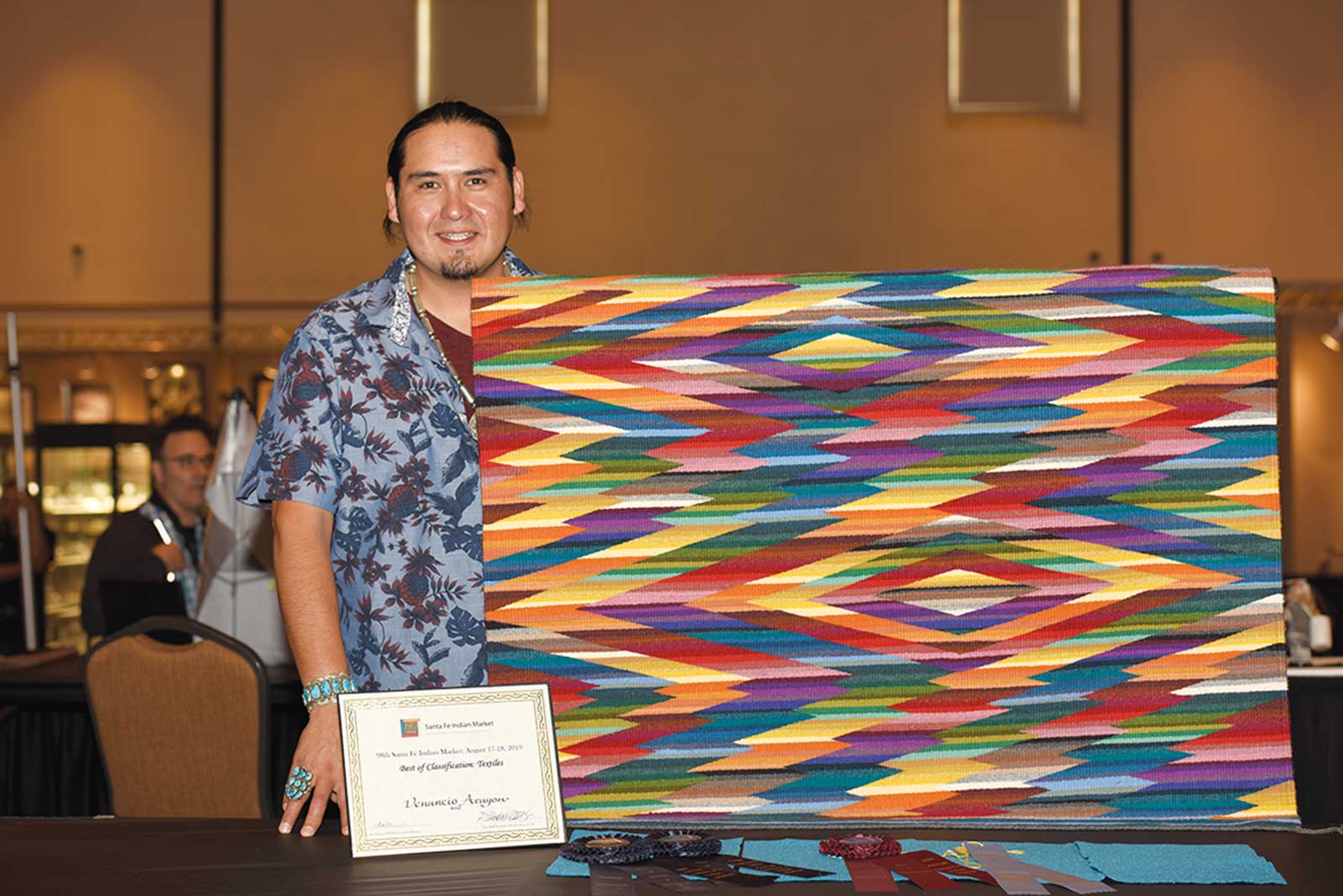
2019 Winner
Venancio Aragon (Diné)
“Winning best of class this year was a great moment for my weaving life. It’s wonderful to bring honor to my family, my clan and my people. I’ve worked many years at developing my style and to have it recognized is amazing. I thank all the weavers who have come before me, and through their preservation of our ancient art I am able to continue weaving for the future generations of Navajo textile artisans.”
Paintings, Drawings, Graphics and Photography
From oil paintings and ledger art to airbrushed acrylic to monoprints on aluminum and serigraphs on paper bags, the two-dimensional art category is a wonderland to explore. The category—broken into the six divisions consisting of paintings/graphics, abstract paintings/graphics, sandpainting, printmaking, photography and digital artwork—reflects both traditional and modern ideals.
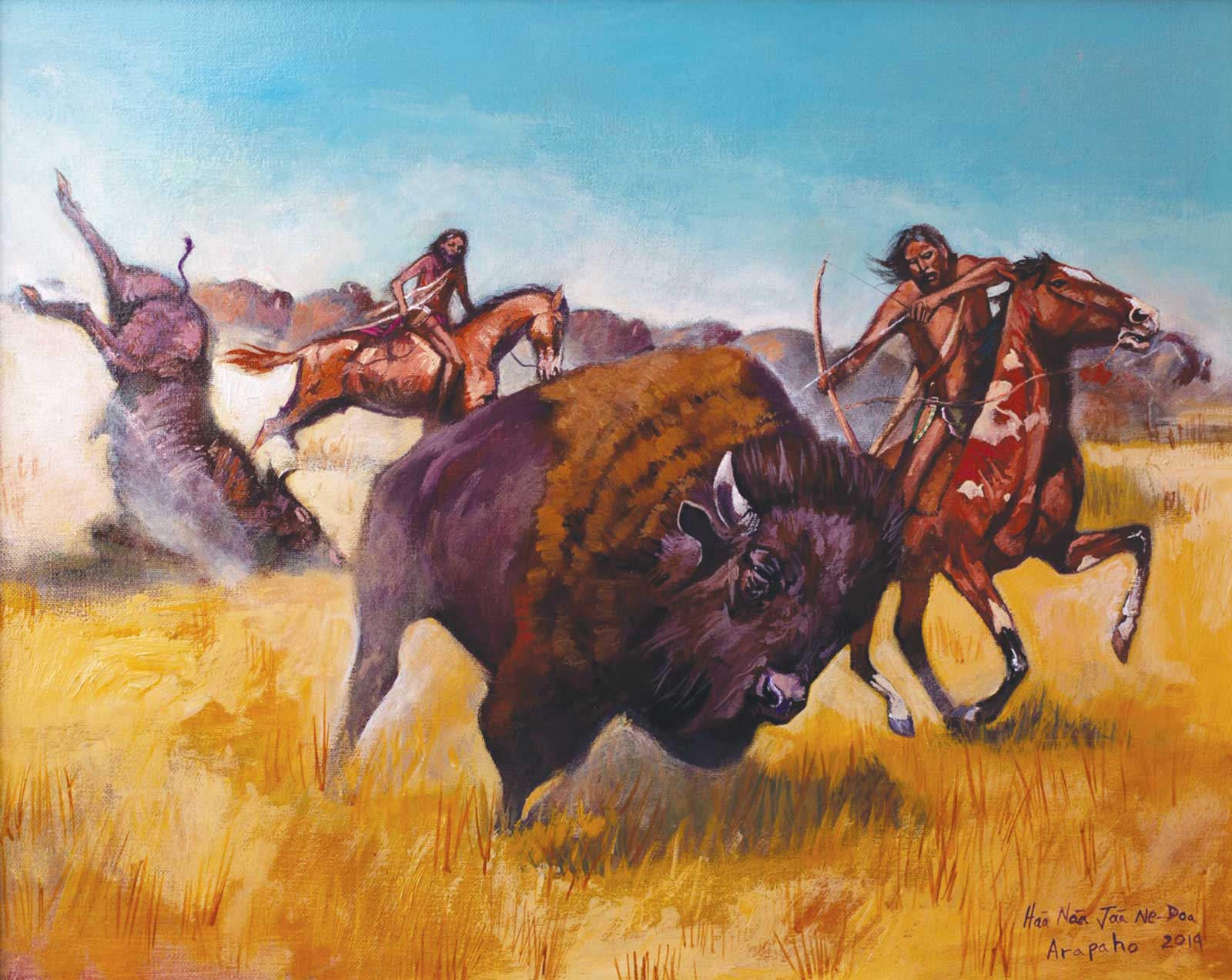
Brent learned (Cheyenne/Arapaho)
“I create artwork that captures the essence, accuracy and historic authenticity of the Cheyenne and Arapaho way of life. As an artist you should always push yourself out of your comfort zone...I attribute the constant need to push myself to try new things as one of the reasons...my art is so different. I believe that my work takes people on a journey with my tribe.”
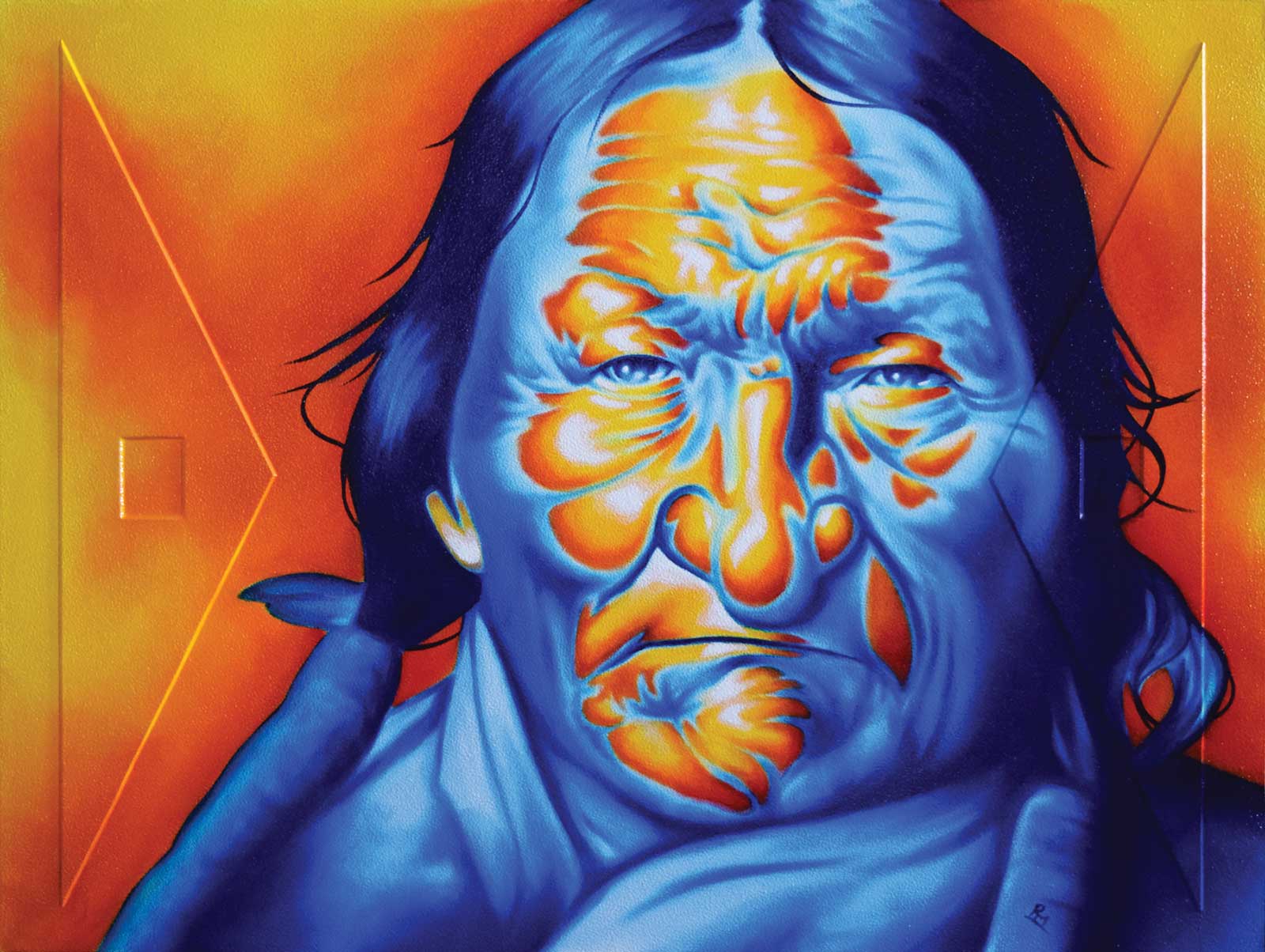
Robert Martinez (Arapaho)
“In my work, my goal is to adjust the expectations of what ‘Native art’ is, and also of who ‘Native People’ are. I mix various classical and traditional techniques with modern materials. I’ll combine imagery from the past with the present to point out that we have a unique voice in the art world. One that has been overlooked for far too long.”
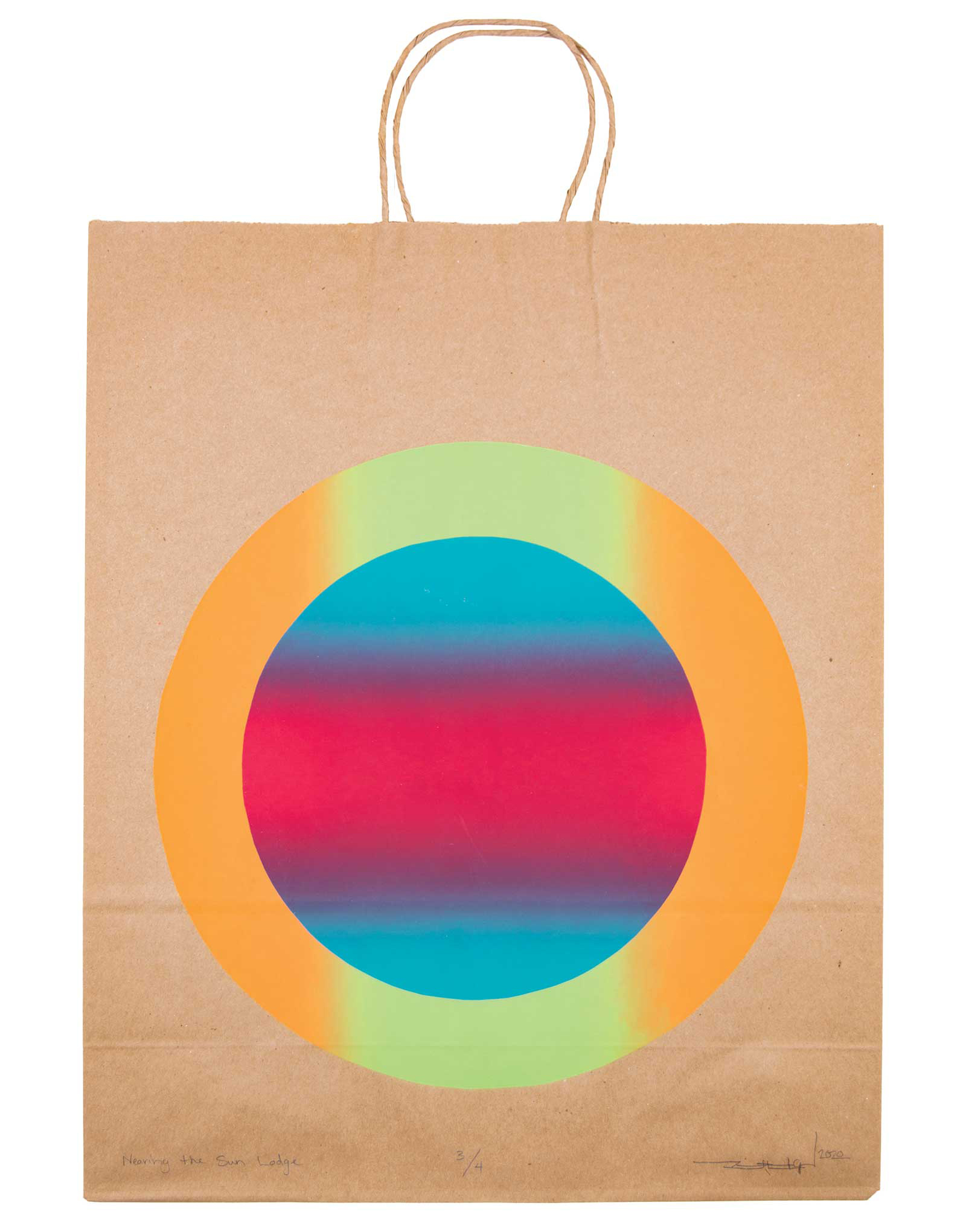
Terran Last Gun (Blackfeet)
“My artwork is a visual interpretation of nature, the cosmos, cultural narratives and recollections in reduced geometric aesthetics and vibrant energetic color harmonies. Often referencing Piikani painted lodges and visual iconographic vocabulary, my work explores the varying relationships between color, shape, nature and sky.”
2019 Winner
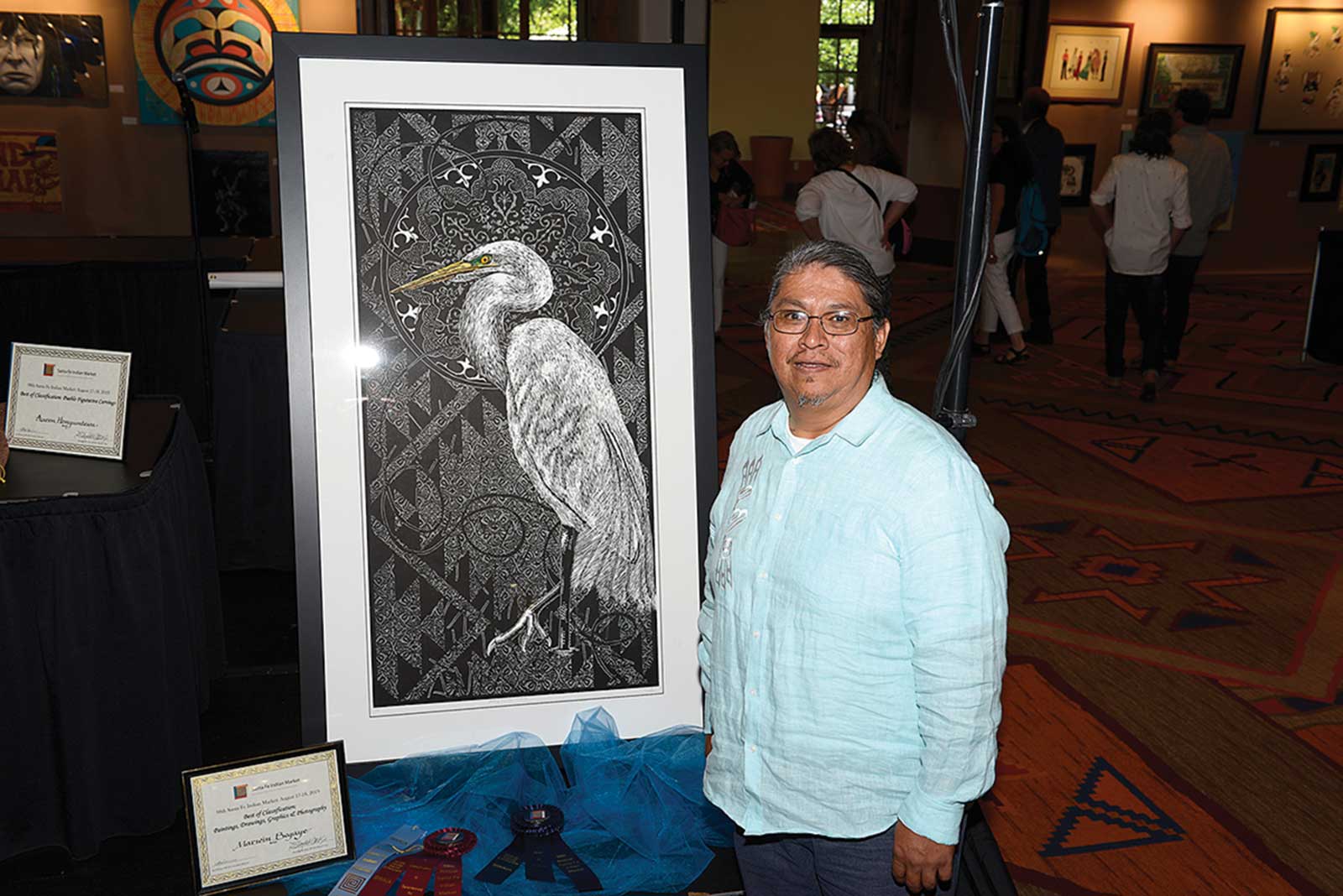
Marwin Begaye (Diné)
“The majority of my pieces are about birds and about the relationships Indigenous people have with the landscape and all other beings that occupy that space as well. So [Waiting for a Miracle] is kind of like an homage to the birds-and in this piece-the waterfowl who are like us, as humans, stewards of the land and the water. In particular, the background is incorporating Navajo geometry. The pattern is a nod to the plants that surround the earth.”
Youth
The future is bright for these young artists as they set the stage by contributing beautiful work at the SWAIA market this year. This category not only honors the current talent of these many youngsters but also symbolizes the past, present and future of the art world. In such uncertain times, with many galleries, museums and events closed or postponed, it’s of great importance that our youth remain connected to the arts. We’re excited to witness their work in subsequent years to follow.
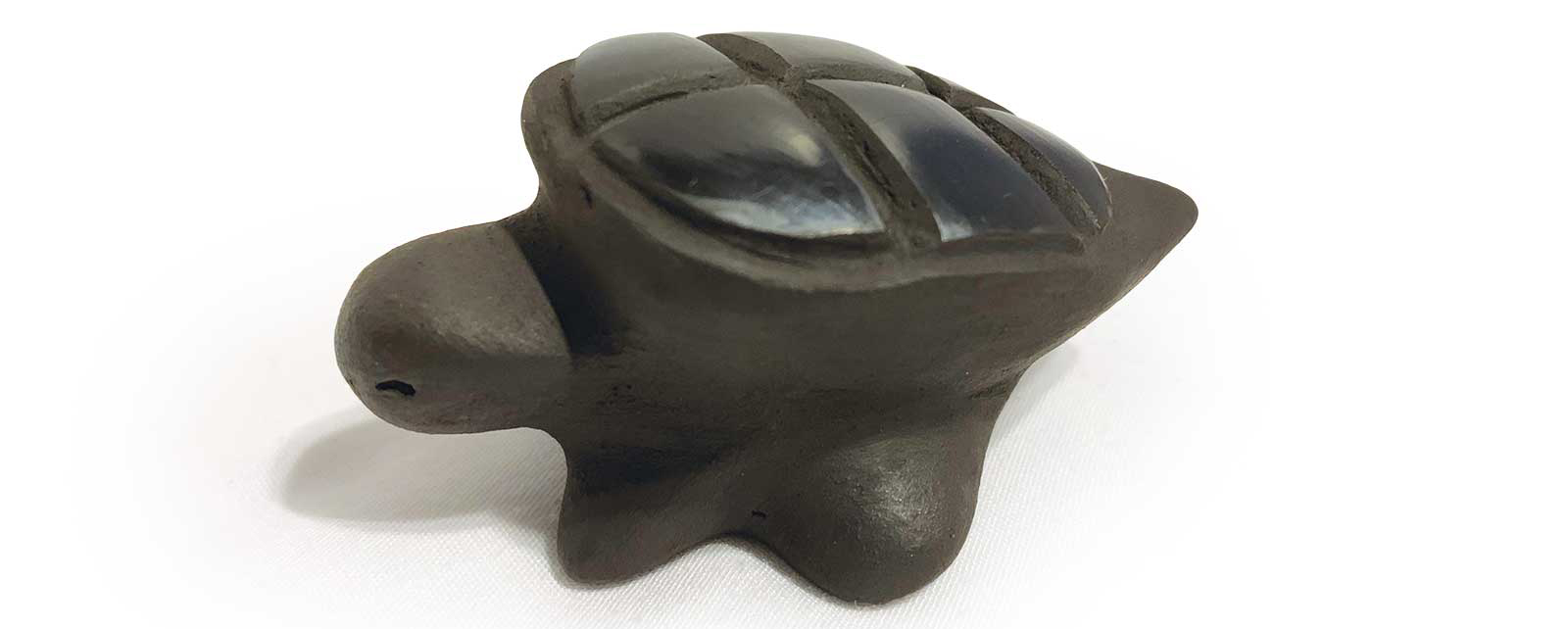
Xavian Suazo (Santa Clara)
Xavian Suazo is an 8-year-old potter who began creating pieces when he was only four years old. When asked why he makes pottery he answers, “Because I watch my grandma Madeline make pottery.” Suazo finds inspiration in participating in his traditional ways, from games he plays and television shows. He makes small pots and figurines, and his favorite piece so far is a turtle with a carved shell. As Suazo looks to the future, he wants to try competing in shows and to carry on the legacy of pottery making.
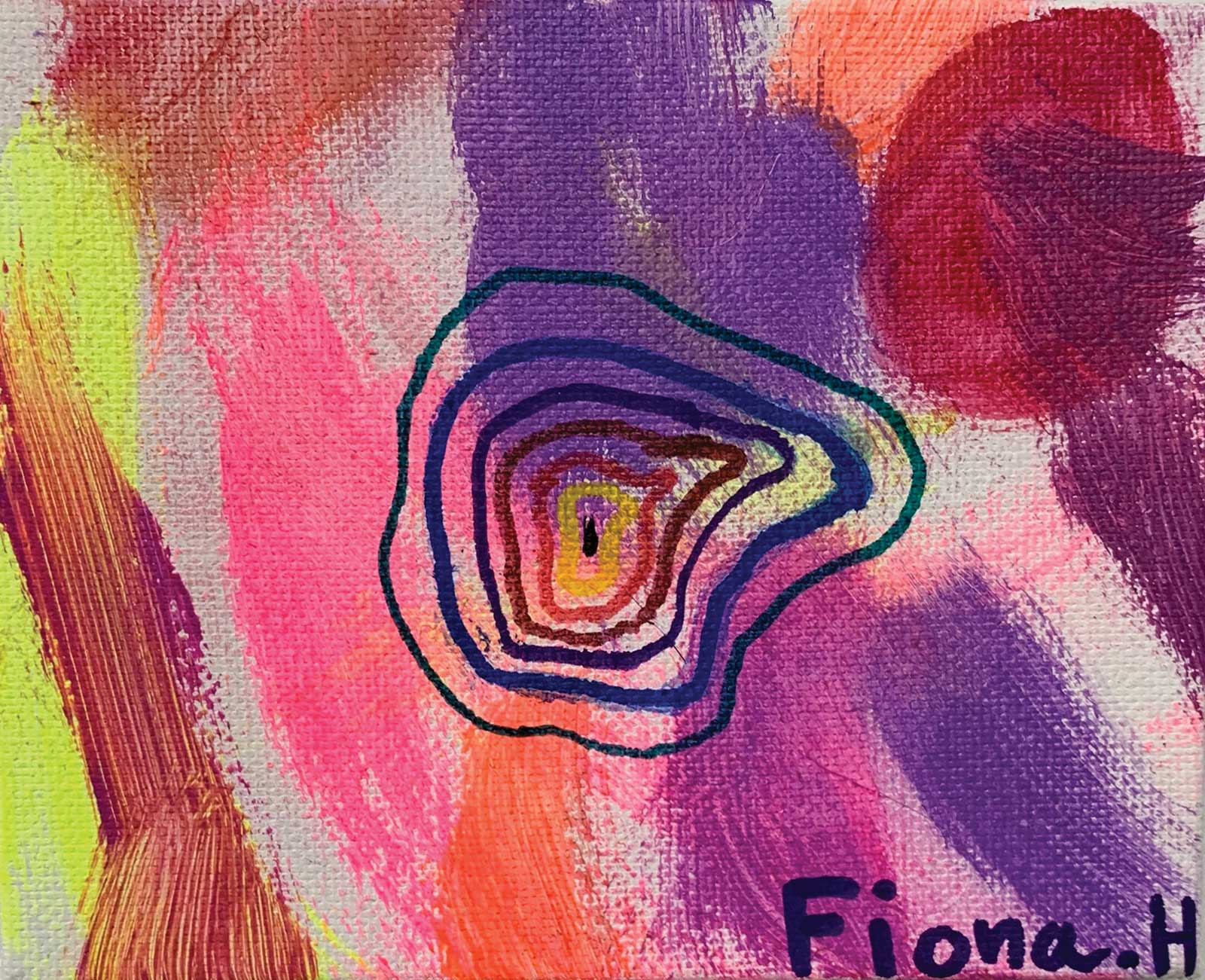
Fiona Henry (Paiute)
“I have an image in my head of the colors I want to use and the object or thing that I want to paint. The things that I like to paint are mostly animals and inanimate objects, and sometimes I just put colors on the canvas. I mostly like to use bright colors but recently I have been playing around with sunset colors.”
2019 Winner
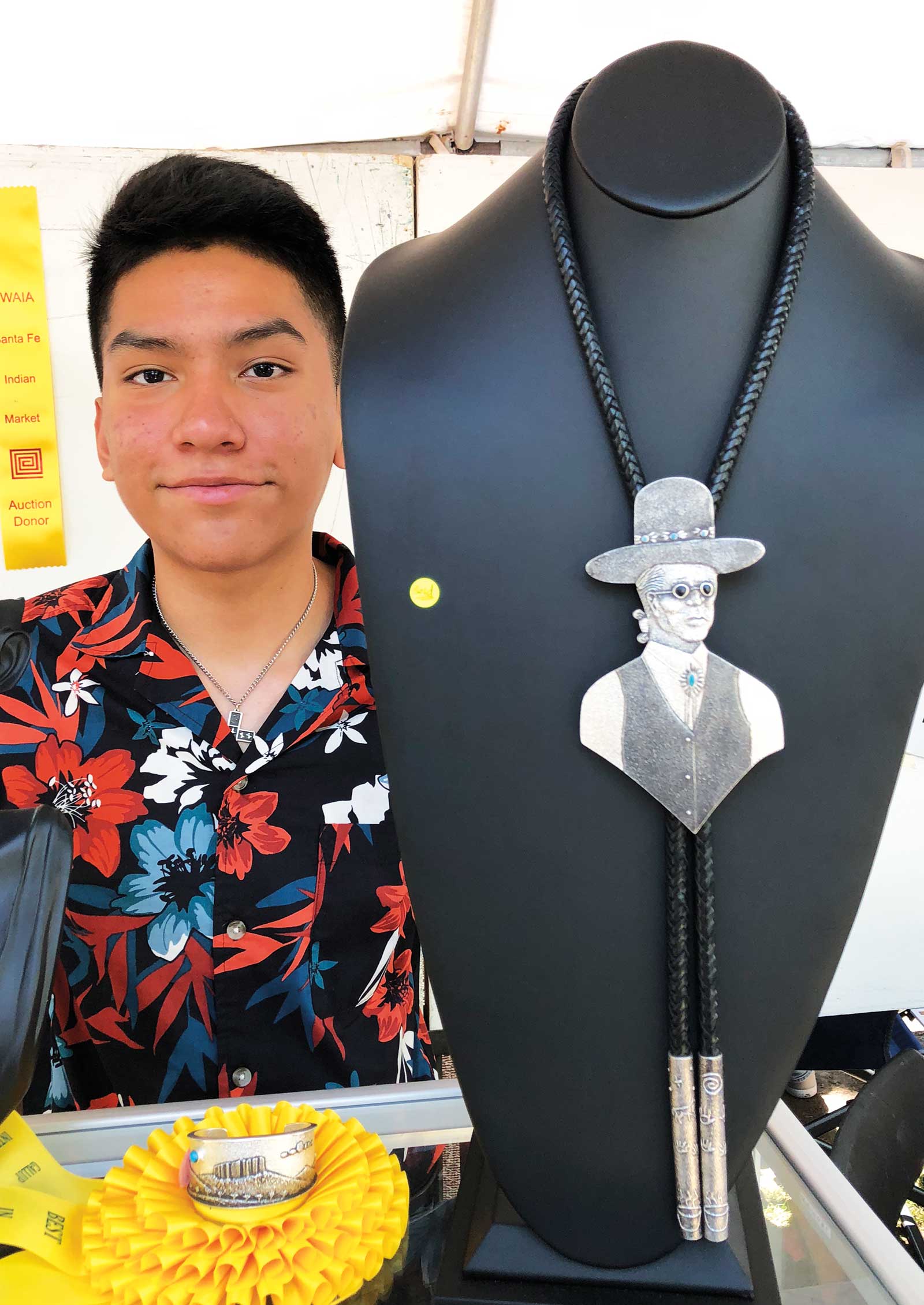
Robert Begay (Diné)
Last year’s winner for his stunning bolo design, Robert Begay, explains the inspiration behind his creations. “One of my inspirations for my jewelry is Charles Loloma because of his eye for color combinations within his jewelry. Another inspiration is my father (Darryl Dean Begay) because of the detailed figures he creates with the tufa cast technique. Nature inspires me as well; I study the mountains and mesas, along with the bushes and trees. Lastly the Diné people inspire me because of how they lived and the clothes they wore.”
Powered by Froala Editor