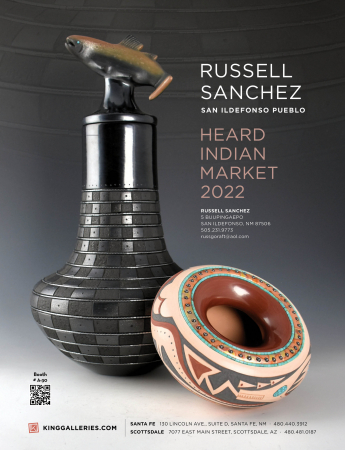
Heard Market Schedule
Best of Show
Reception & Dinner
March 4, 5:30-8 p.m.
Tickets: $75 members / $100 non-members
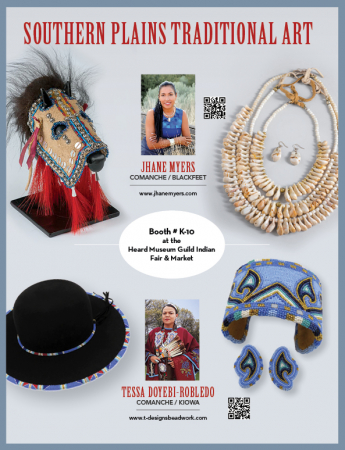
Heard Museum Guild Indian Fair & Market
Saturday March 5, 2022
Hours: 9:30 a.m. to 5 p.m.
Members Only Hours: 8:30 a.m.
Sunday March 6, 2022
Hours: 9:30 a.m. to 4:30 p.m.
Members Only Hours: 8:30 a.m.
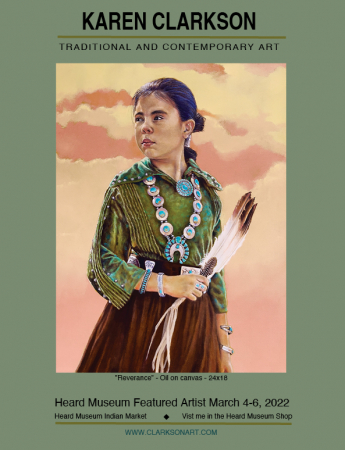
Heard Museum Shop Featured Artists
March 4, 5:30-8 p.m.
March 5, 9:30 a.m.-5 p.m.
March 6, 9:30 a.m.-4 p.m.
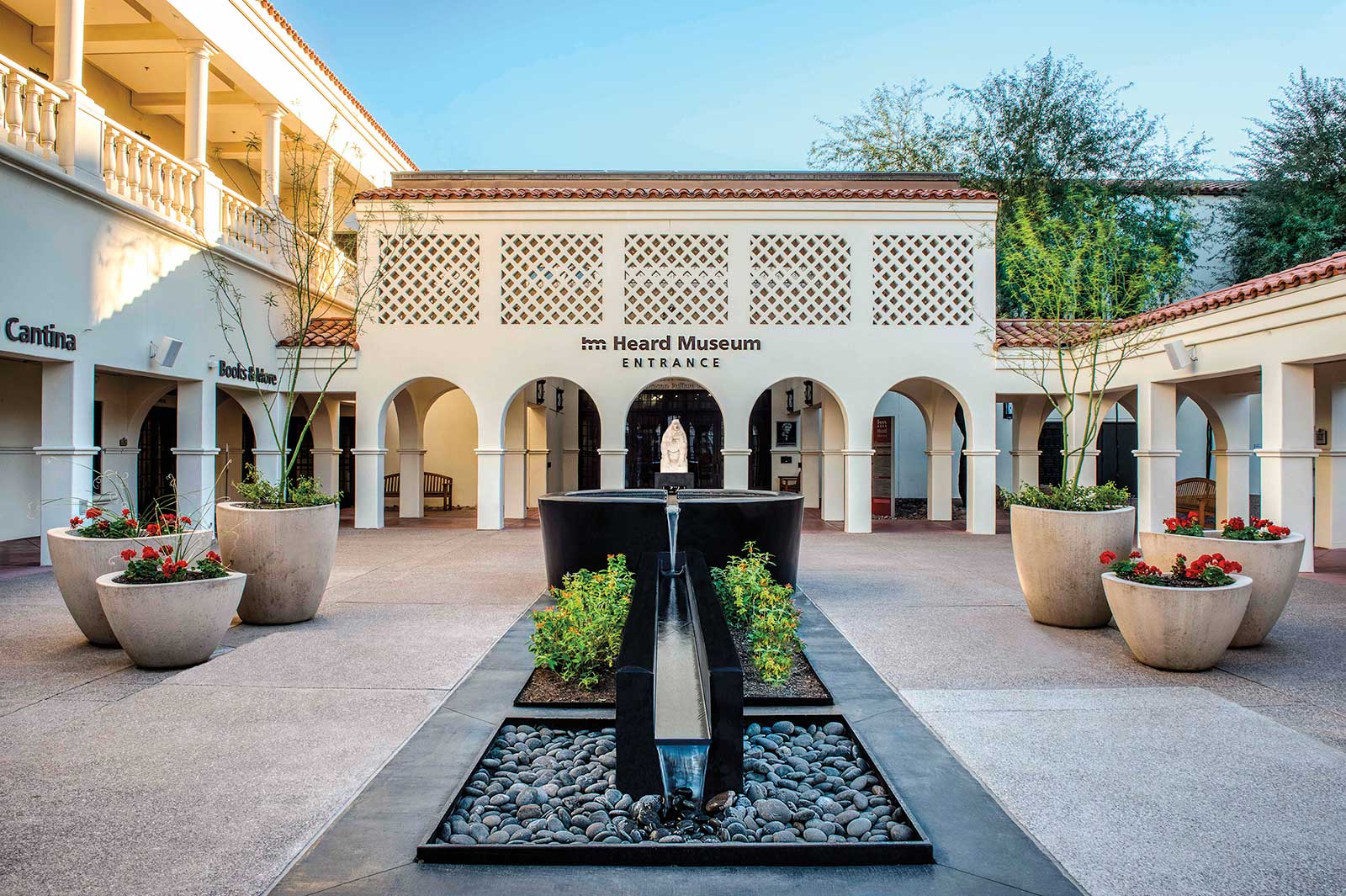
Heard Museum
2301 N. Central Avenue
Phoenix, AZ 85004
(602) 252-8840, www.heard.org
<<<<<<<<<<<<<<<<<<<•>>>>>>>>>>>>>>>>>>>>
Ongoing
HOME: Native People in the Southwest
Experience the Heard’s most prized masterpieces, sweeping landscapes, poetry and personal recollections on an unforgettable journey through the Southwest and the vibrant arts and cultures of Native people. Quotes and interviews with artists and Native community members are interwoven throughout the exhibition reflecting on the importance of family, community, land and languages. Join the Heard Museum for an exciting trip through the American Indian Southwest, from the distant past to today.
HOME Gallery, Heard Museum
www.heard.org
Ongoing
Away from Home: American Indian Boarding School Stories
This exhibition examines an important and often unknown period of American history. Beginning in the 1870s, the United States government aimed to assimilate American Indians into “civilized” society by placing them in government-operated boarding schools. Children were taken from families and transported to far-away schools where all signs of “Indian-ness” were stripped away. Students were trained for servitude and many went for years without familial contact—events that still have an impact on Native communities today. Generations of students attended boarding schools before advocacy efforts—that included students and alumni—succeeded in reforming them, closing them, or offering other school choices. Boarding schools were designed to change American Indians, and they had many long-lasting impacts, but American Indians also changed the schools. This exhibition is made possible by a grant by the National Endowment for the Humanities and an anonymous donor.
East Gallery, Heard Museum
www.heard.org
Ongoing
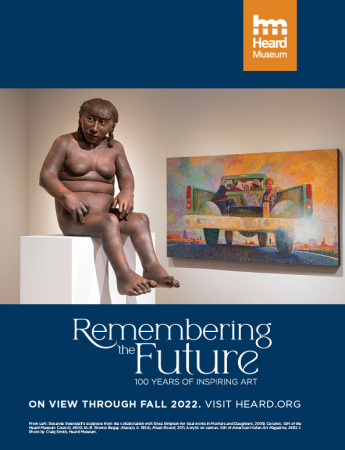
Remembering the Future: 100 Years of Inspiring Art
This exhibition will showcase painting and sculpture produced by leading American Indian artists of the 20th and 21st centuries. Each work in the exhibition will be drawn from the Heard Museum’s permanent collection and will reflect an artistic response to the challenges and opportunities presented by the decade in which it was created. Select works include Oscar Howe’s response to the massacre at Wounded Knee in the painting Ghost Dance (1960), T.C. Cannon’s response to the Vietnam War in the lithograph On Drinkin’ Beer in Vietnam in 1967 (1971), and responses to environmental crises evident in Bob Haozous’ sculpture Ozone Madonna (1989) and Jaune Quick-to-See Smith’s painting Rain (1990). Work will be contextualized further within important artistic movements, such as Awa Tsireh’s paintings from 1917 through the 1920s that sparked the San Ildefonso Watercolor Movement or the numerous students Fred Kabotie, Tonita Peña, Gerald Nailor, Allan Houser, who attended Dorothy Dunn’s Studio School in Santa Fe in the 1920s. Central to the New York Contemporary Native American Art Movement are the midcentury paintings of George Morrison. Some of the artists who fostered important artistic developments from the 1970s onward include Joe Herrera, Fritz Scholder, Helen Hardin, James Lavadour, Kay WalkingStick, Roxanne Swentzell, Tanya Lukin Linklater and Kent Monkman. The span of one century is meant to convey with meaningful depth of perspective and certitude that in remembering the history of American Indian art, we are also remembering the future.
Virginia G. Piper Charitable Trust Grand Gallery, Heard Museum
www.heard.org
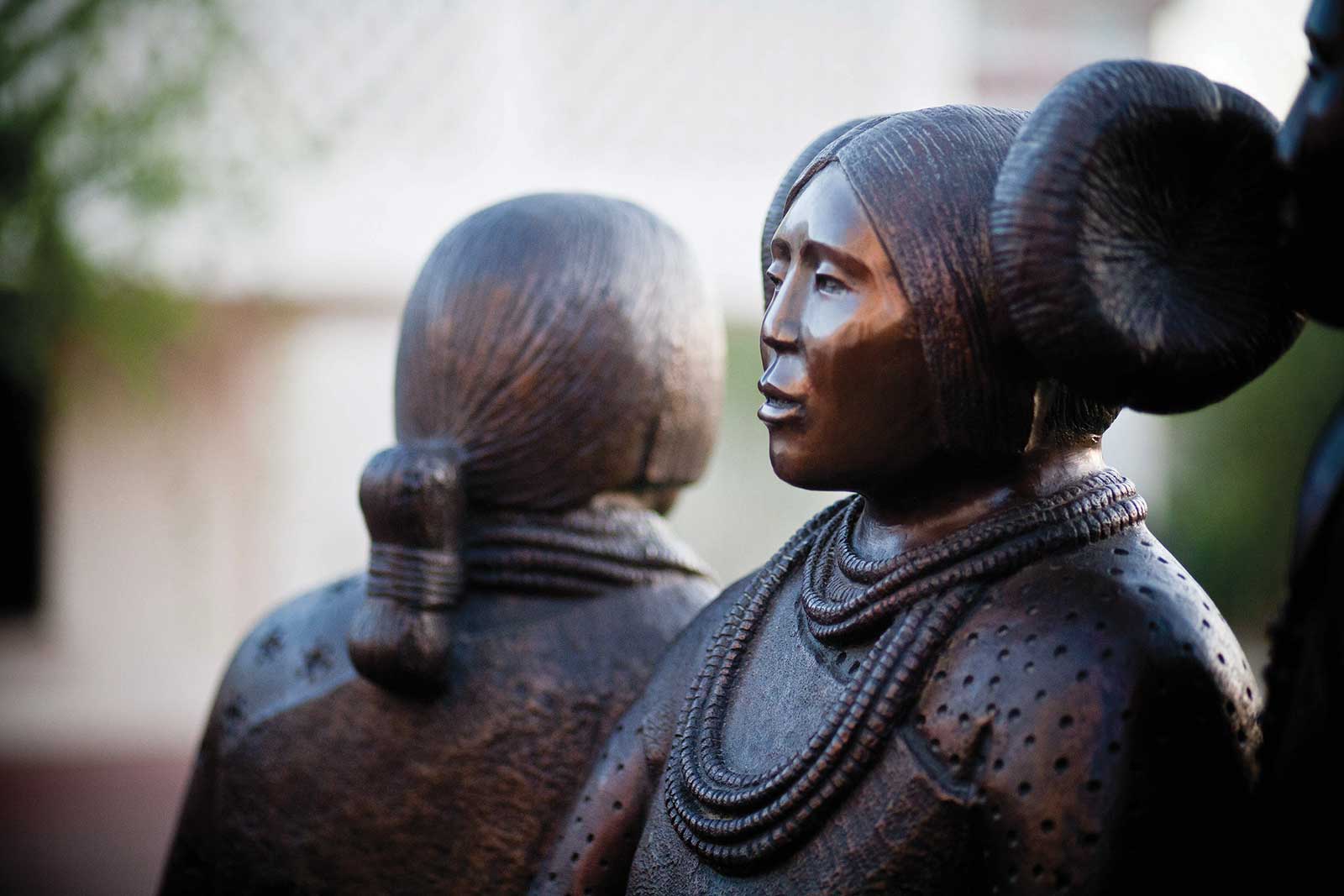 Doug Hyde bronze at the Heard.
February 4
First Fridays at the Heard
Come experience the magical music of the Doc Jones Ensemble at the Heard Museum during the First Fridays at the Heard event. Enjoy free admission from 4 to 8 p.m.
Heard Museum
www.heard.org
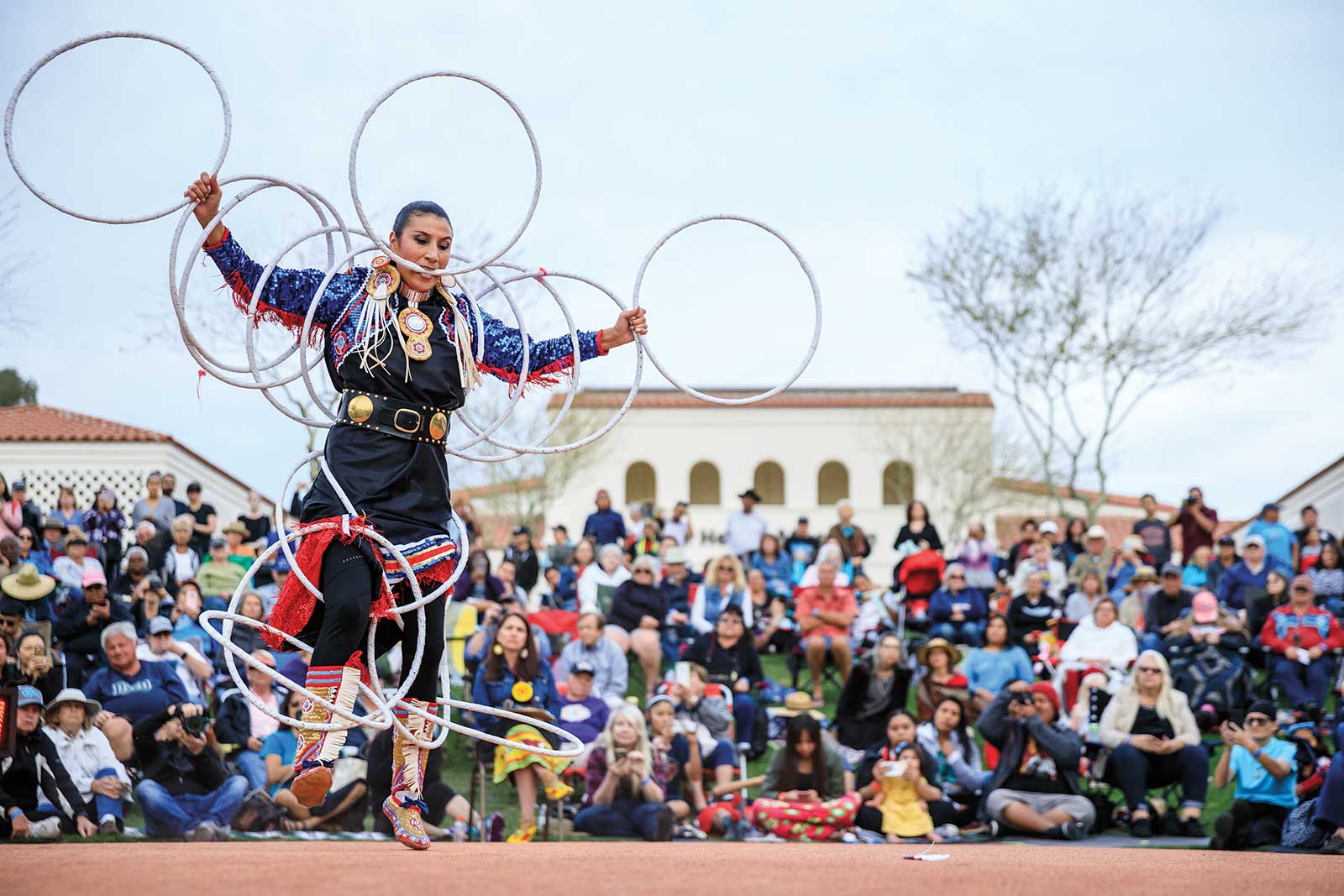 Hoop dancer at a past Heard Museum contest.
February 12-13
World Championship Hoop Dance Contest
The World Championship Hoop Dance Contest returns to the Heard Museum courtyard on February 12 and 13, when the top American Indian and Canadian First Nations hoop dancers will compete at the Heard Museum for the prestigious World Champion title and cash prizes. Dancers are judged on a slate of five skills: precision, timing/rhythm, showmanship, creativity and speed. Contestants compete in one of five divisions: Tiny Tots (age 5 and younger), Youth (6-12), Teen (13-17), Adult (18-39) and Senior (40 and older). Cash prizes totaling $25,000 are awarded to winners in each division, and victors in each division can claim the honor of being the World Champion. Through stunning performances of these women and men competing to be named the next World Champion Hoop Dancer, the event combines artistry, athleticism, tradition and suspense for an unforgettable weekend of fellowship and competition.
Heard Museum
www.heard.org/event/hoop/
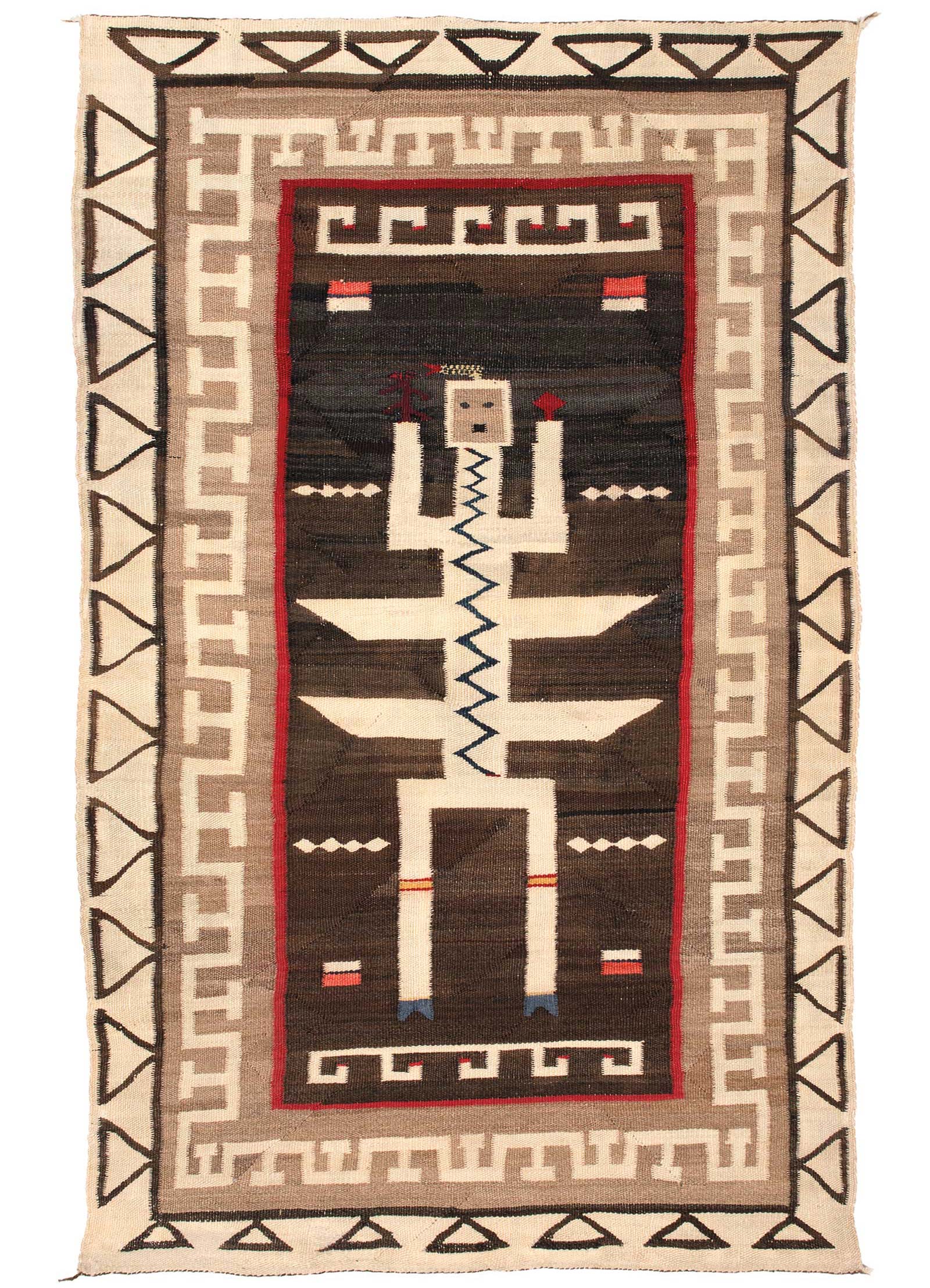 Unidentified Artist (Navajo), Ye’ii Pictorial Textile, 1915-1925, handspun wool, wool warp, natural wool color, aniline dye, 57¾ x 36 in. The Valette Collection at the Heard Museum, Gift of Jean-Paul and Rebecca Valette, 4930-51. Photo: Heard Museum, Craig Smith.
Through February 13
Toward the Morning Sun: Navajo Pictorial Textiles from the Jean-Paul and Rebecca Valette Collection
The Heard Museum presents Toward the Morning Sun, which opened on November 5, 2021. The 2018 gift to the museum from Jean-Paul and Rebecca M. Valette of their acclaimed collection includes textiles primarily woven during the first three decades of the 20th century. The Valette’s spent nearly 40 years collecting and researching the origins and history of these textiles. In many instances, the Valettes’ in-depth research developed valuable biographical information about the weavers. In 2017, the Valettes published the results of their comprehensive research in the book Navajo Weavings with Ceremonial Themes: A Historical Overview of a Secular Art Form. The Heard’s Andrew Mellon Fellows—Ninabah Winton (Diné), Roshii Montano (Diné) and César Esteban Bernal (Chicanx)—working with director of research Ann Marshall and assistant curator Velma Kee Craig (Diné), will be the exhibition’s co-curators, bringing their cultural perspectives and new voices to the exhibition and the associated publication.
Heard Museum
www.heard.org
Through February 19
Grand Procession: Contemporary Plains Indian Dolls from the Charles and Valerie Diker Collection
This exhibition celebrates an exceptional collection of dolls, also known as soft sculptures, created by Jamie Okuma (Luiseño/Shoshone-Bannock), Rhonda Holy Bear (Cheyenne River Sioux and Lakota) and three generations of Growing Thunder family members: Joyce Growing Thunder, Juanita Growing Thunder Fogarty and Jessa Rae Growing Thunder (Assiniboine/Sioux). The dolls provide a figurative reference to Indigenous peoples from the Great Plains and Great Basin regions who lived in those areas during the late 19th century. Holy Bear, Okuma and the three Growing Thunder family members embellish each doll with tiny micro-beads in intricate detail. The 23 dolls included in the exhibition represent the largest private collection of its kind.
Heard Museum
www.heard.org
March 4-6
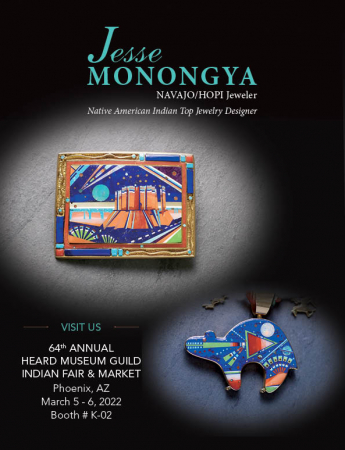
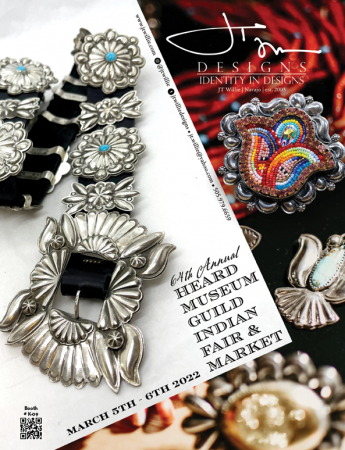
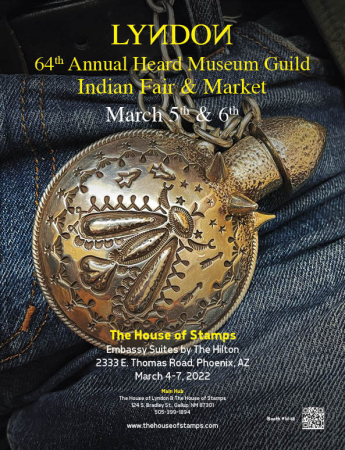
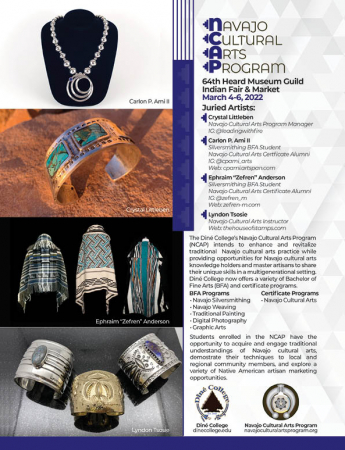
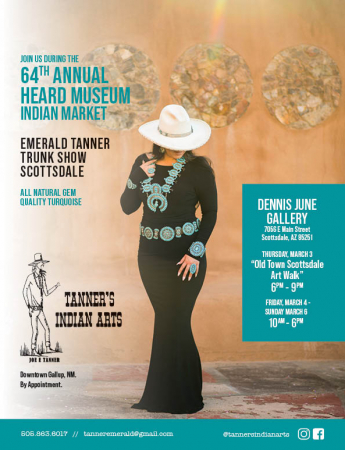
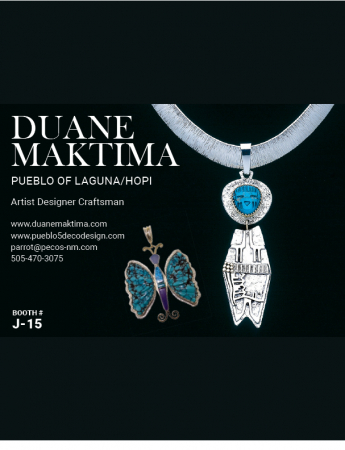
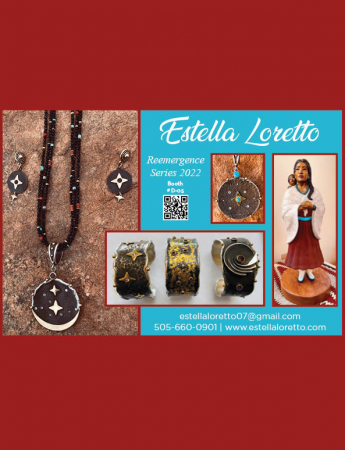
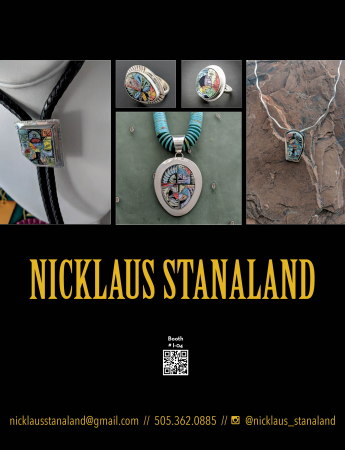
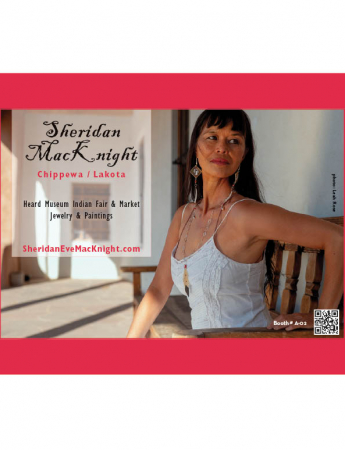
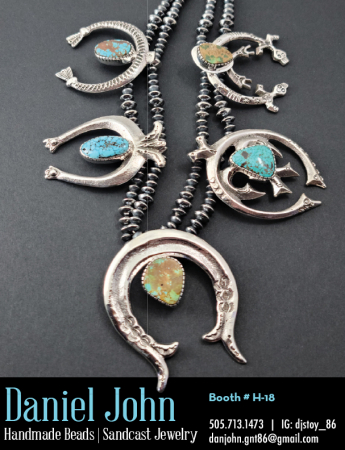
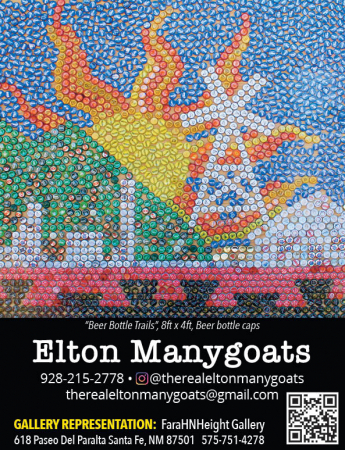
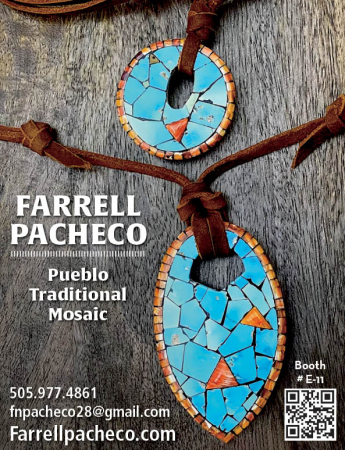
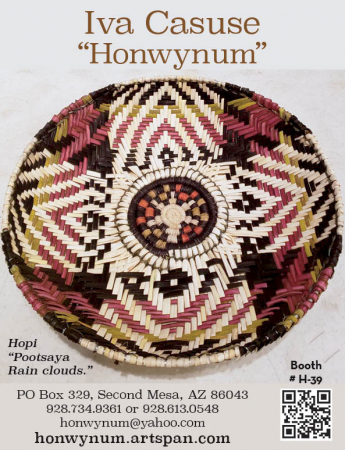
64th Annual Heard Museum Guild Indian Fair & Market
This premier event is one of the largest American Indian art markets in the world and draws nearly 15,000 visitors and more than 600 of the nation’s most preeminent American Indian artists. Indian Fair & Market provides the opportunity to meet and purchase art directly from multiple generations of artists working in all forms of the visual arts. All proceeds from ticket sales support the Heard Museum’s mission of advancing American Indian art. The fair takes place on the sprawling campus of the museum, which sits in the very heart of central Phoenix. Native American Art a proud media sponsor, and the official magazine, of the Heard Museum Guild Indian Fair & Market.
Heard Museum
www.heard.org/event/fair-and-market
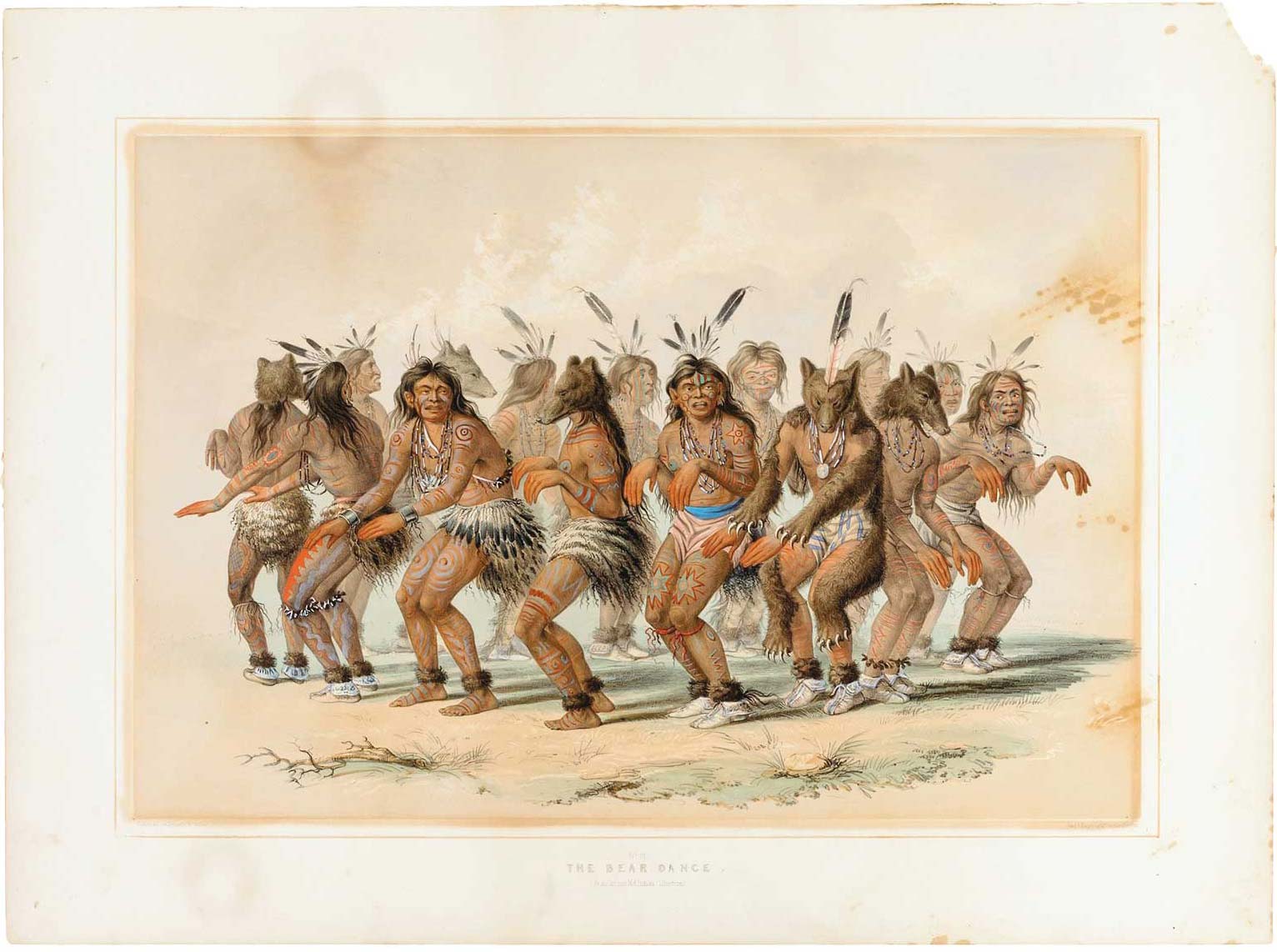 George Catlin (1796-1872), The Bear Dance, 1844, hand-colored lithograph. Plate 18 from the North American Indian Portfolio. Gift of Laura and Arch Brown.
Through April 24
George Catlin on Indigenous Land
Like many Western artists who followed him, George Catlin (1796-1872) traveled the West to make a record of the region’s Indigenous peoples. His goal was to preserve for future generations a pictorial history of Indigenous cultures, which he accomplished by painting portraits of peoples from nearly 40 tribes. The exhibition George Catlin on Indigenous Land features selections from an original 1844 portfolio of 25 hand-colored lithographic plates. This recent donation from Laura and Arch Brown consists of the third print-run edition of Catlin’s lithographs, which marked the first time he used a new printer in London. More than 150 years old, the lithographs are in perfect condition. A self-trained artist who practiced law for two years, Catlin traveled to Missouri and then into the Great Plains. From 1830 to 1836, he made five separate trips, producing the largest pre-photographic record of Indigenous people by painting more than 300 portraits and 175 landscapes. In addition to portraits, he painted scenes depicting ceremonies, customs and village life.
Heard Museum
www.heard.org
April 2
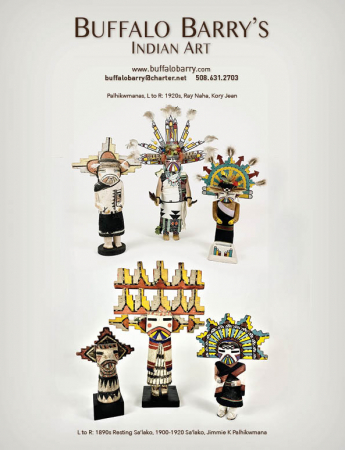
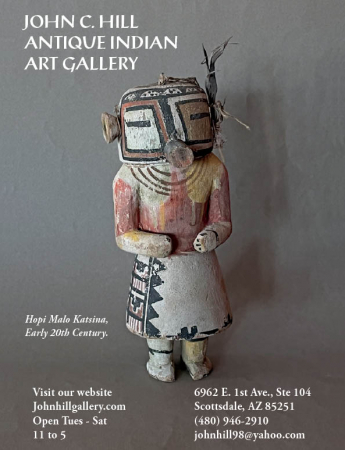
Katsina Doll Marketplace
The nation’s largest gathering of Hopi katsina doll carvers will show and sell their unique creations at the Katsina Doll Marketplace: A Gathering of Carvers. Enjoy musical performances, carving demonstrations and a drawing for the featured katsina doll. Hopi carvers will show and sell their carvings in both traditional and contemporary styles. As a new or experienced collector, attend the Marketplace to meet the best established and emerging carvers.
Steele Auditorium, Heard Museum
www.heard.org/event/katsina-doll-marketplace
Powered by Froala Editor