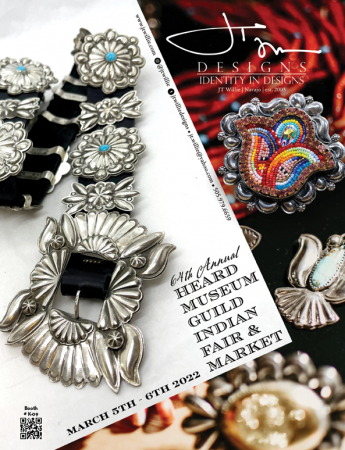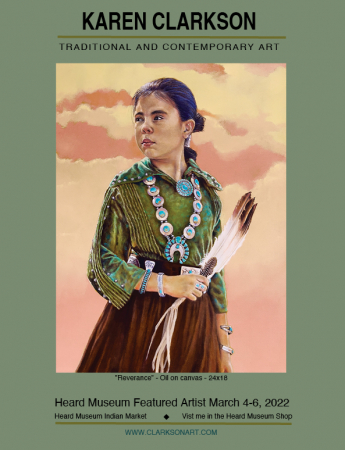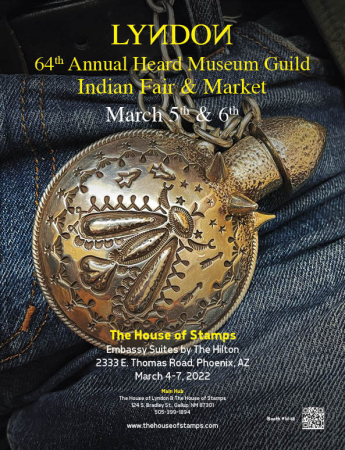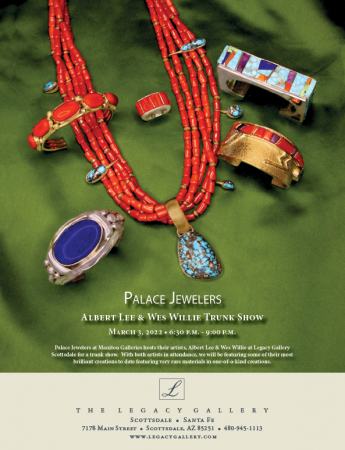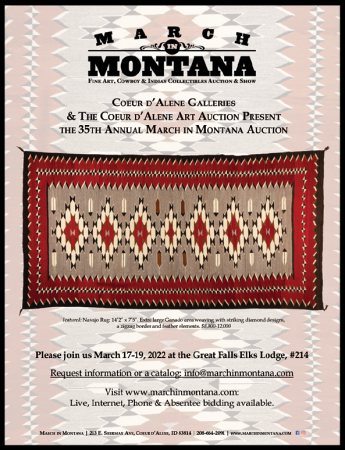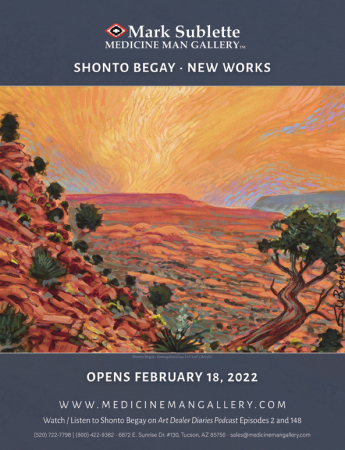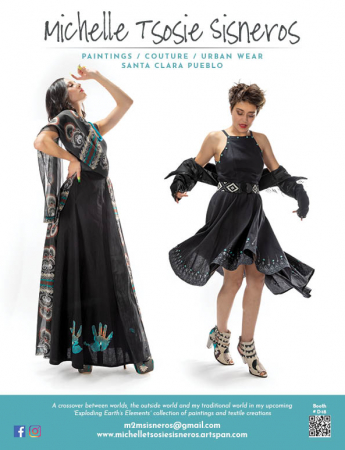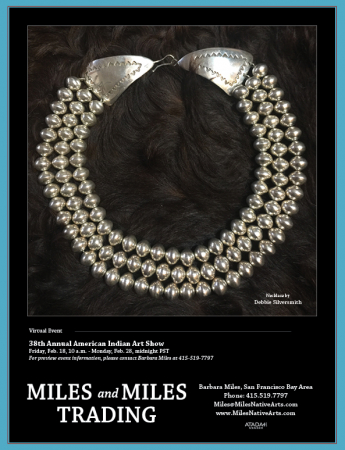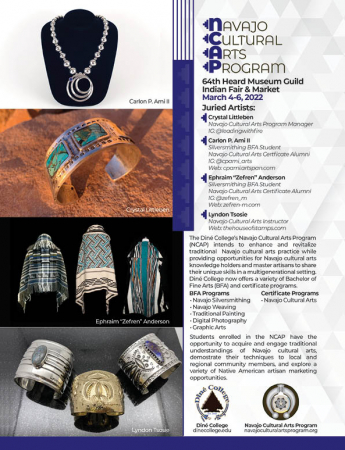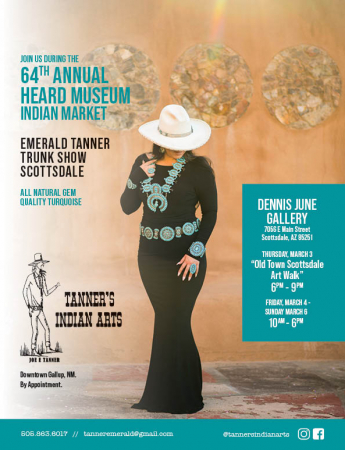
With the Heard Museum Guild Indian Fair & Market making a triumphant return as an in-person market in 2022, we are thrilled to bring you a glimpse into this year’s fair, which is sure to be a hit with artists, collectors and supporters of the museum. Throughout these pages, collectors can explore the work of some of the many artists who will be presenting at the 2022 market. As you read through our section, we hope you get excited about the live event and begin making a list of artists worth visiting. We hope to see you there!
<<<<<<<<<<<<<<<<<<< • >>>>>>>>>>>>>>>>>>>>>>
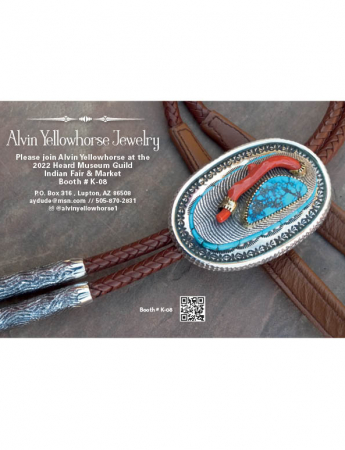
Jewelry & Lapidary
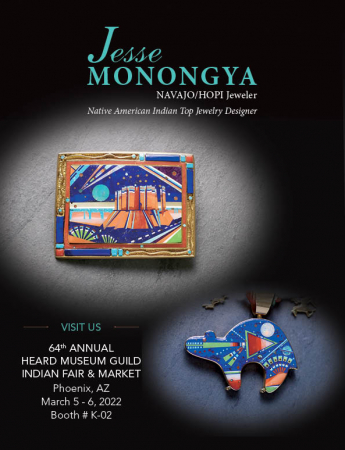
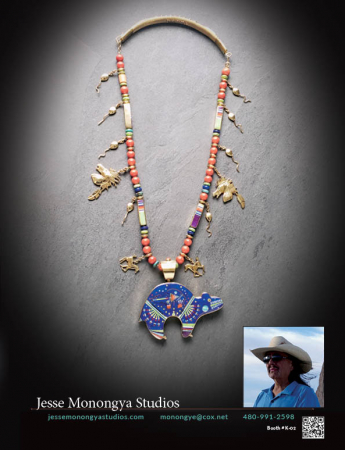
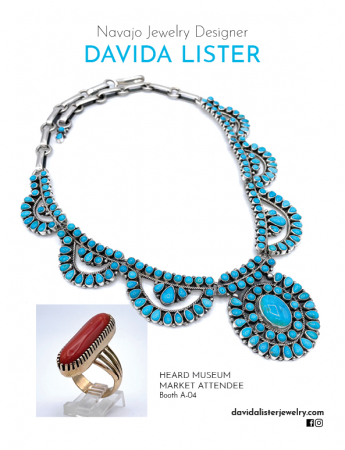
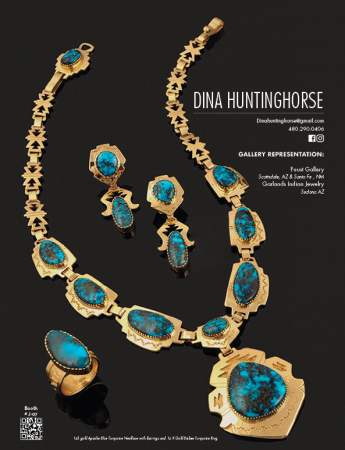
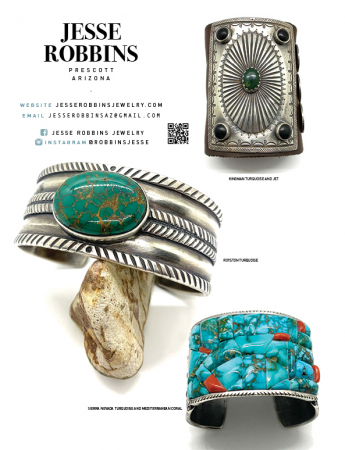
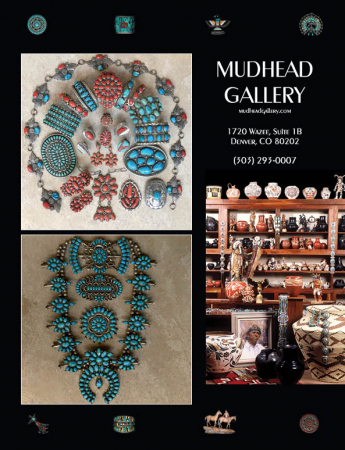
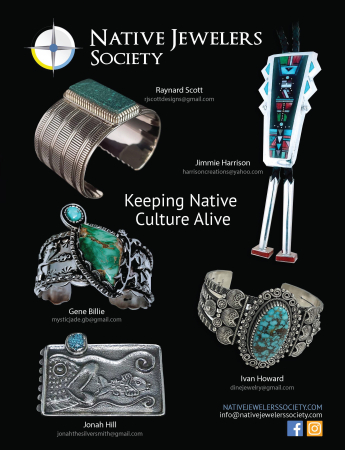
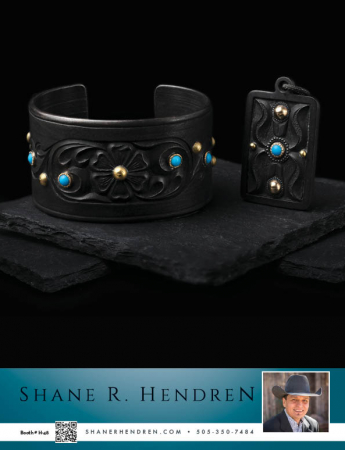
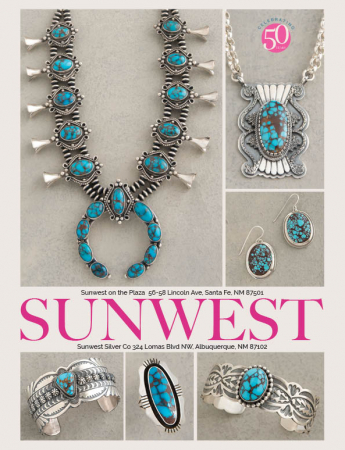
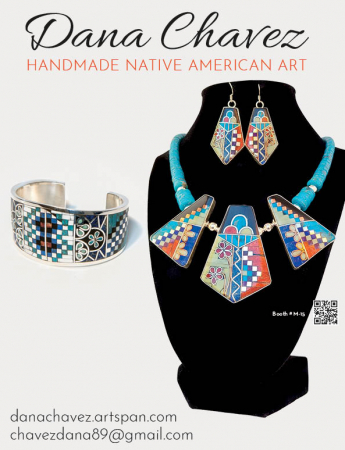
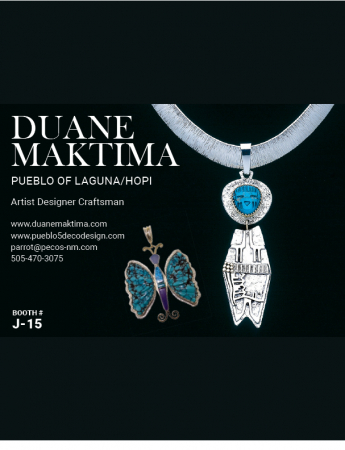
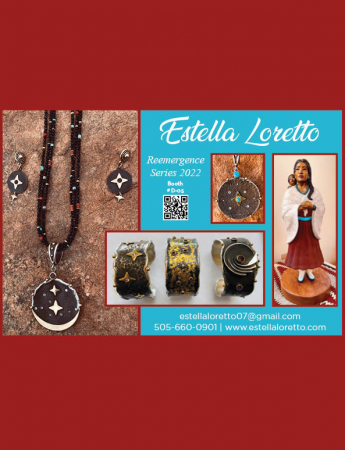
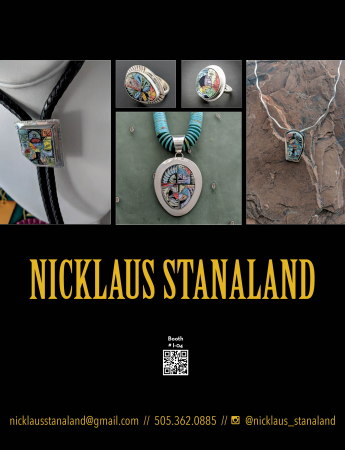
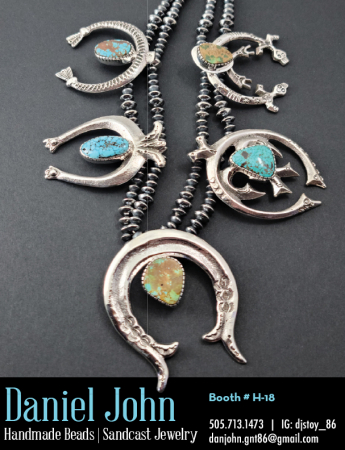
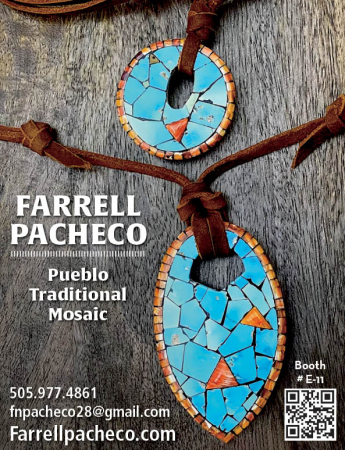
The processes and techniques found in Native American jewelry are steeped in generations of tradition, often passed down from family to family—tufa casting, intricate inlay and overlay, silversmithing, cutting and engraving gemstones and more. From these techniques come one-of-a-kind jewelry incorporating gems, minerals and other materials that often feel as old as the earth itself. The Heard Museum Guild Indian Fair & Market will feature nearly 200 artists working in jewelry and lapidary. Take some time to chat with these artists, ask them about their processes and learn the rich and storied histories behind them.
Artists to Look For
Victoria Adams (Southern Cheyenne/Arapaho), Terrance Emery Jr. (St. Croix Chippewa/Jemez), Veronica Benally (Navajo), Aaron Brokeshoulder (Shawnee/Choctaw/Kewa), Jesse Monongya (Navajo/Hopi), Rebecca T. Begay (Navajo), Robert W. Begay (Navajo), Mike Bird-Romero (San Juan/Taos)
Darryl Dean Begay (Navajo)
www.turquoisehousegallery.weebly.com
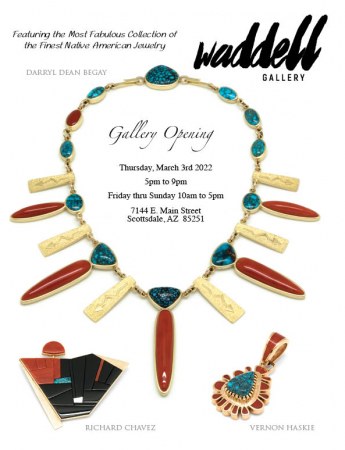
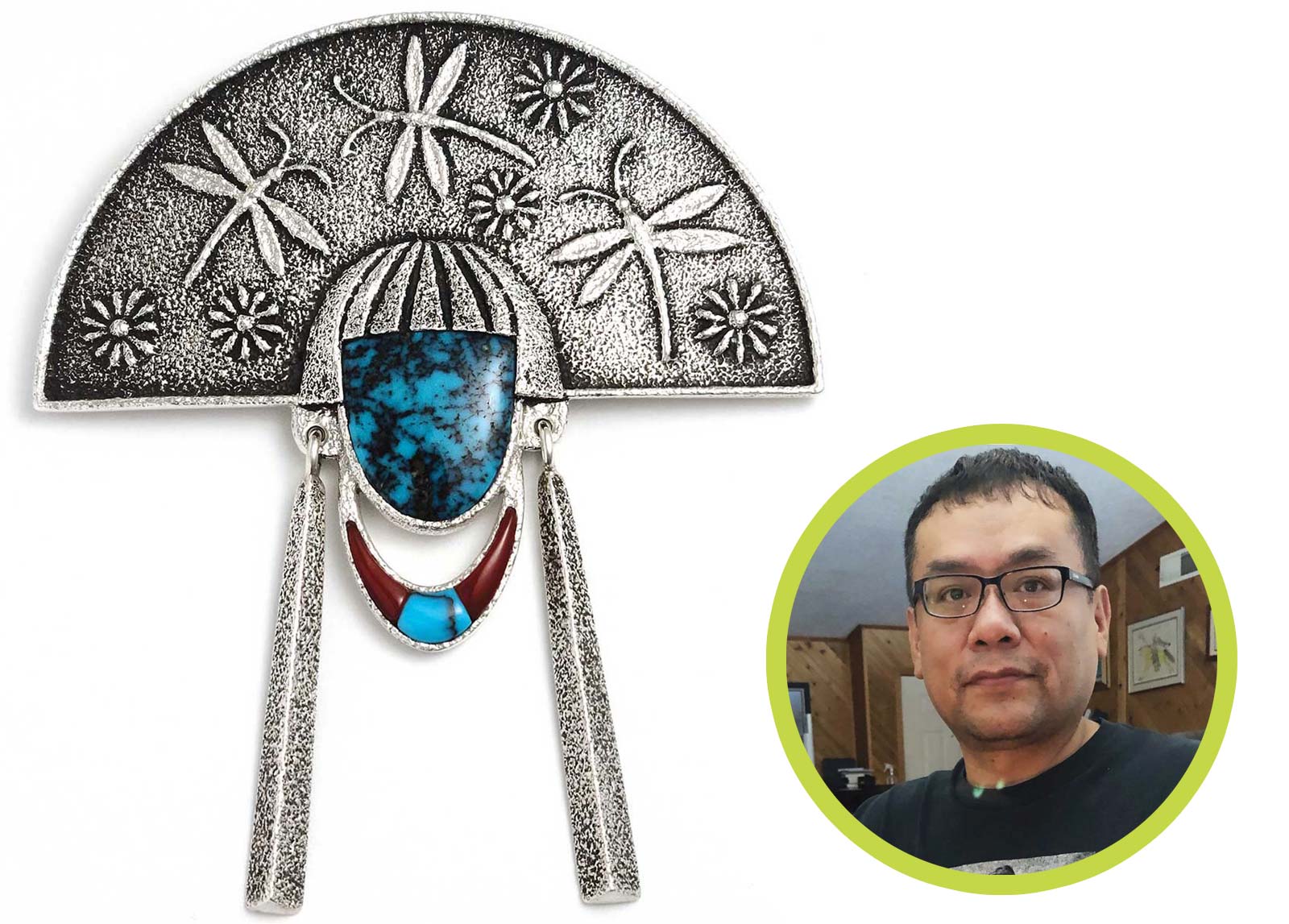
The artistry of the Begay family is a story of struggle and perseverance. Darryl Dean Begay strives to perfect his art through new ideas and pushes the boundaries of carving the tufa stone. “I am catching my second wind and can’t wait to create exciting new jewelry in the next decade for the new era,” he says.
Neeko Garcia (Navajo)
www.byneekodesigns.com
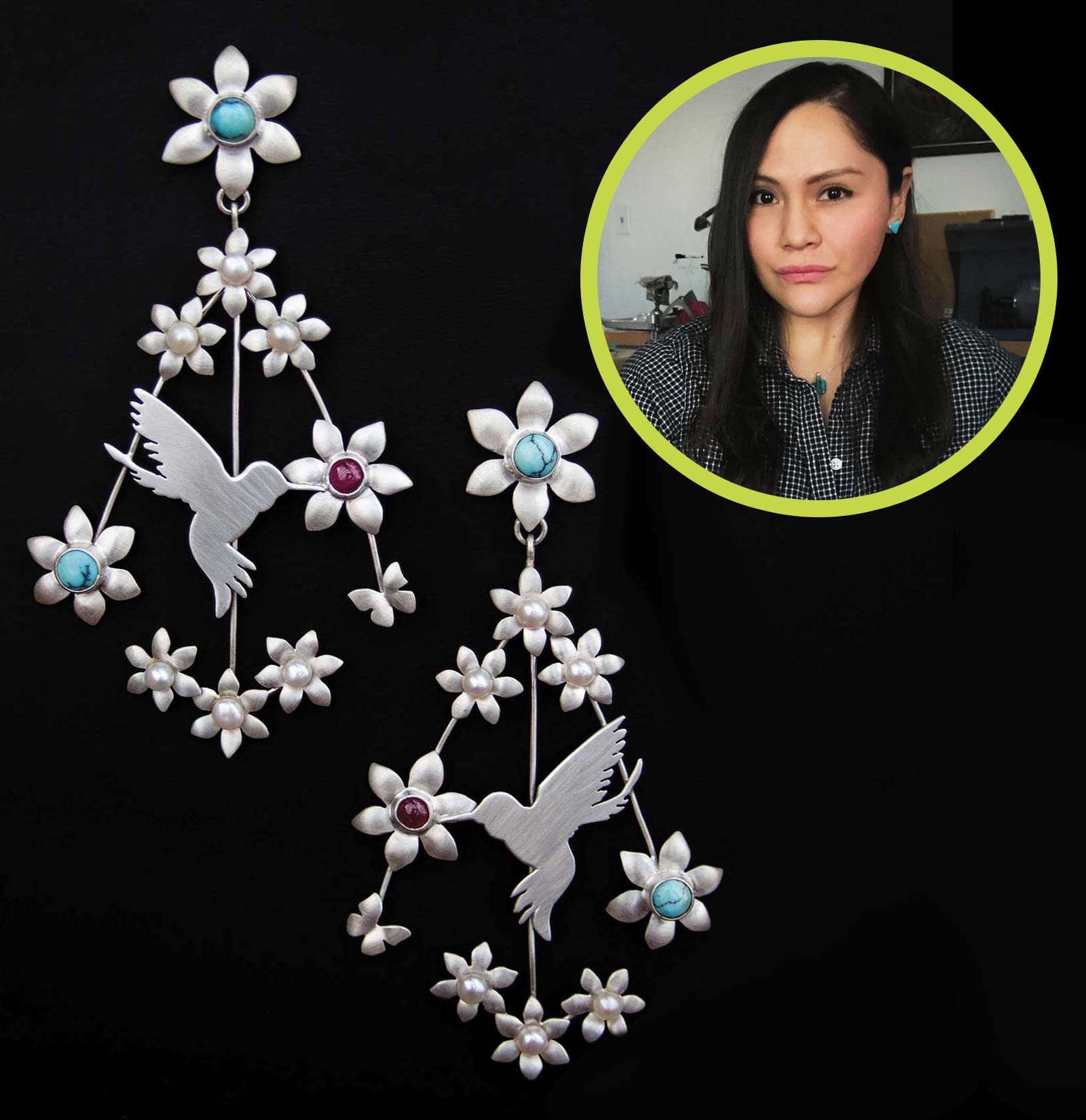
“Making jewelry is such a beautiful process, and yet it is also very healing for me. It’s how I express myself,” says jewelry artist Neeko Garcia. She transforms silver and gems into delicate designs of hummingbirds, butterflies, florals, moons, stars and more. “Every detail in each of my pieces holds a meaning, holds a beautiful memory from a moment in time…My jewelry is about who I am and where I come from. This is my story.”
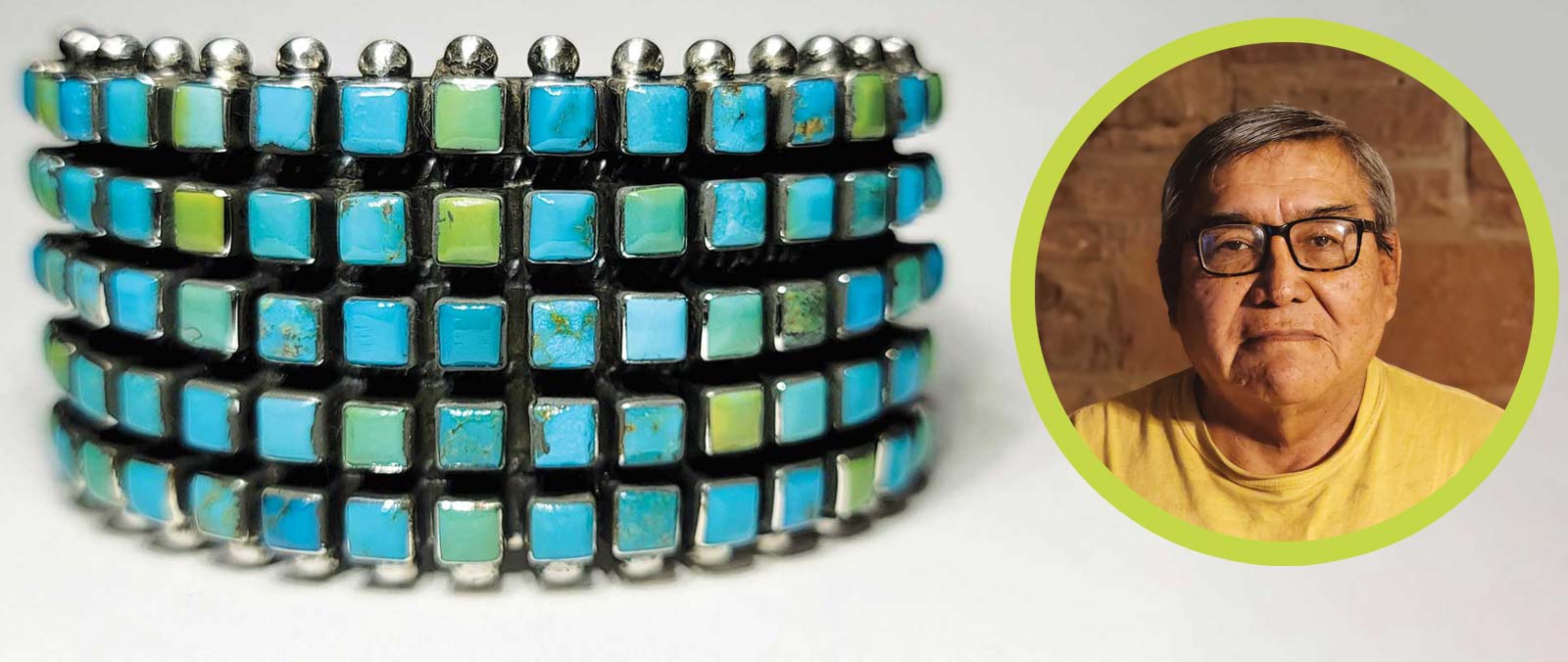
Raymond Betsoi (Navajo)
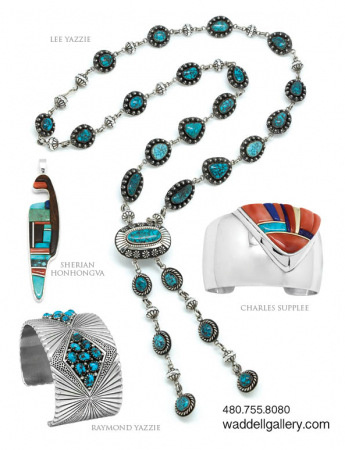
For more than 50 years, Raymond Betsoi has hammered out a career that is steeped in traditional old-style silversmithing. Utilizing tufa stone casting and lapidary processes, Betsoi creates unmistakable one-of-a-kind pieces that defy the imagination with their simplicity. He proudly makes his own stamps and hand carves samples for his Navajo-style jewelry that is renowned in the Four Corners region. He learned these techniques from the late Richard Morgan and family, who passed down their knowledge through the generations and shared it with others along the way.
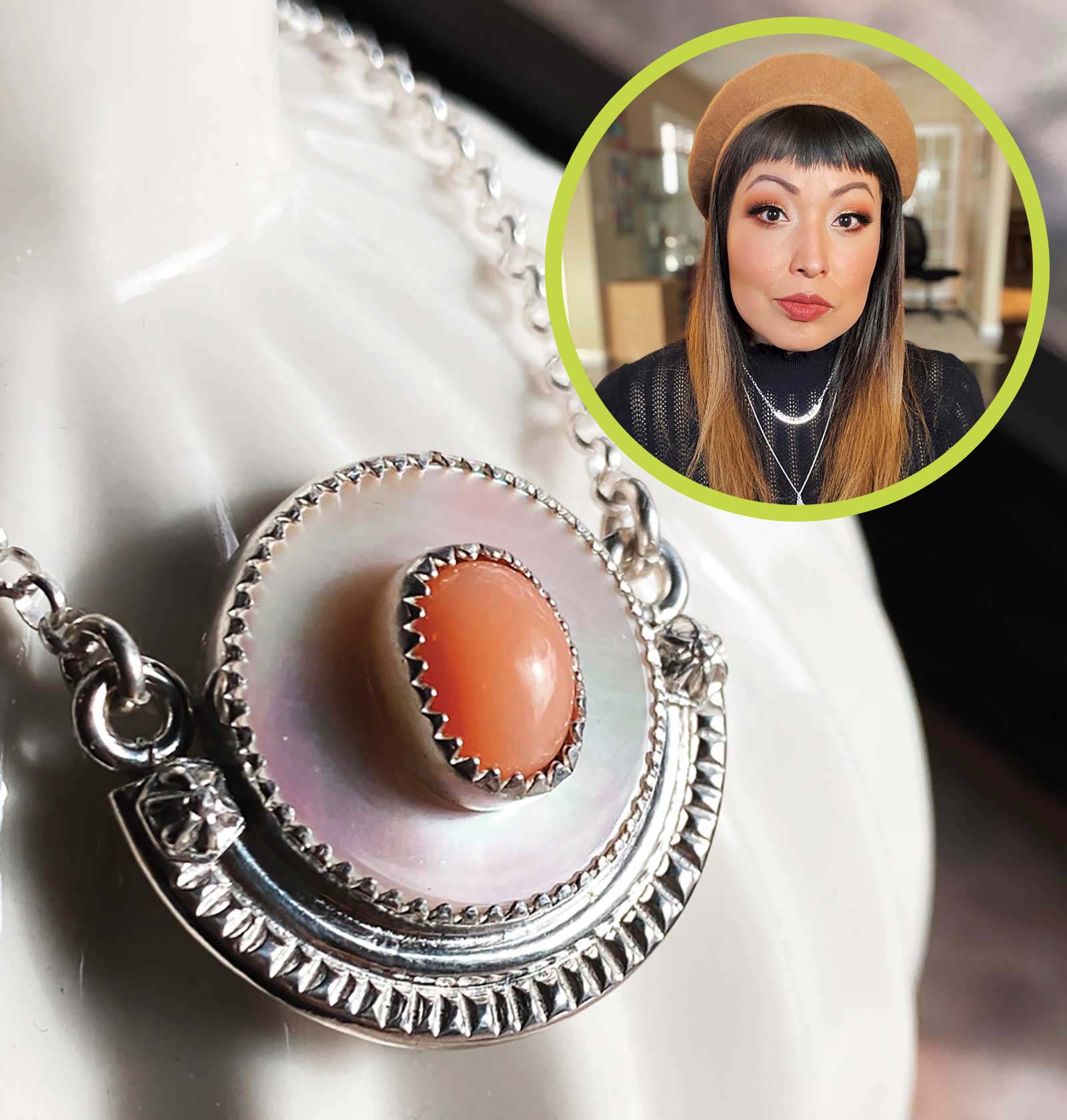
Rykelle Kemp (Muscogee Creek-Euchee/Choctaw/Diné)
www.indigenouswomanmade.com
Rykelle “Ahlazua” Kemp creates wearable art with a modern and traditional approach. Her work represents ancestral knowledge attained from her tribes in the Southeastern Woodlands and the Southwestern Deserts. “As an Indigenous artist, I think it’s important that our art is viewed as ever-evolving,” she says. “We are here against all the adversity our ancestors faced, which I celebrate with every piece of art I am able and thankful to create.”
<<<<<<<<<<<<<<<<<<< • >>>>>>>>>>>>>>>>>>>>>>
Pottery
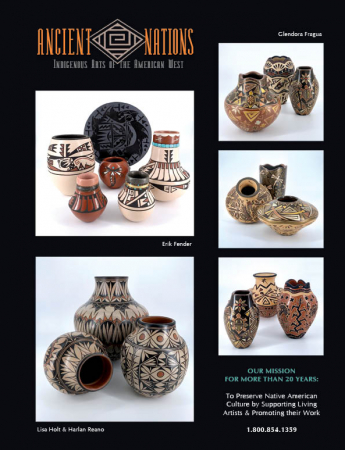
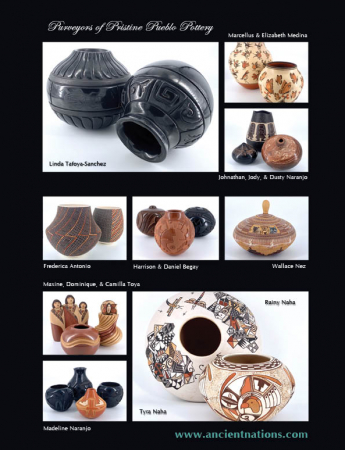
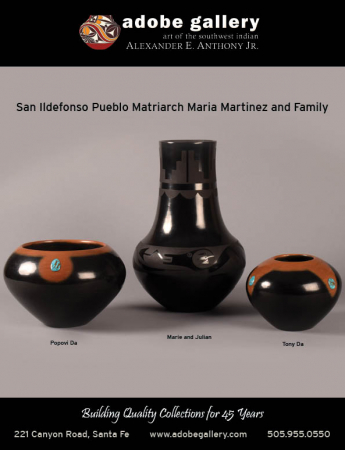
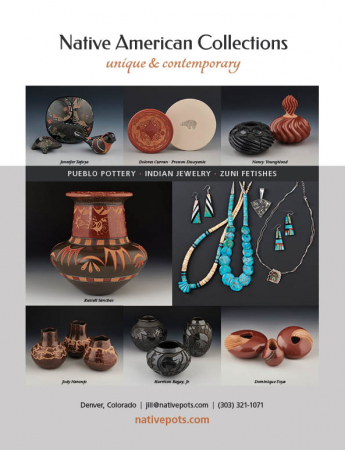
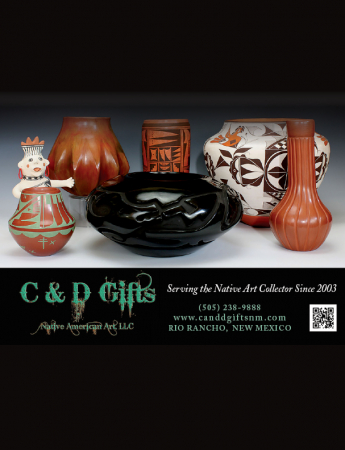
The Southwest is home to the Pueblo tribes that over the years have become synonymous with fine Native American pottery. There are many other artists from tribes across the country that also have built careers creating beautiful vessels. Using native clay or non-native clay, the artists who create the works are often blending the old techniques with new innovations. Artists will use materials from the earth and their own dyes, or sometimes acrylic paints, and then hand-build, carve and kiln or open fire their pieces to dynamic results. Much of the pots that collectors see today have designs from a particular heritage, but they also can be referencing a variety of sources such as pop culture and art history. These artists represented in the Heard Museum Guild Indian Fair & Market are often award winning and have learned their craft from their families.
Artists to Look For
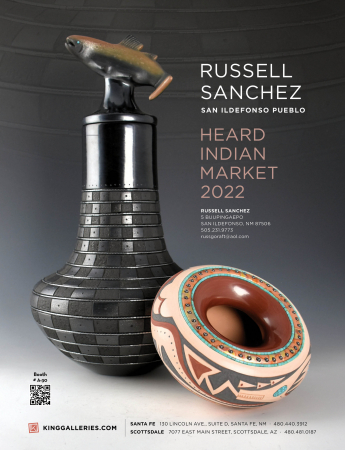
Aaron Cajero Sr. (Jemez), Carolyn Concho (Acoma), Dominique Toya (Jemez), Erik Fender (San Ildefonso), Jody Naranjo (Santa Clara), Kaa Folwell (Santa Clara), Max Early (Laguna), Preston Duwyenie (Hopi), Randy Chitto (Mississippi Band of Choctaw Indians), Russell Sanchez (San Ildefonso)
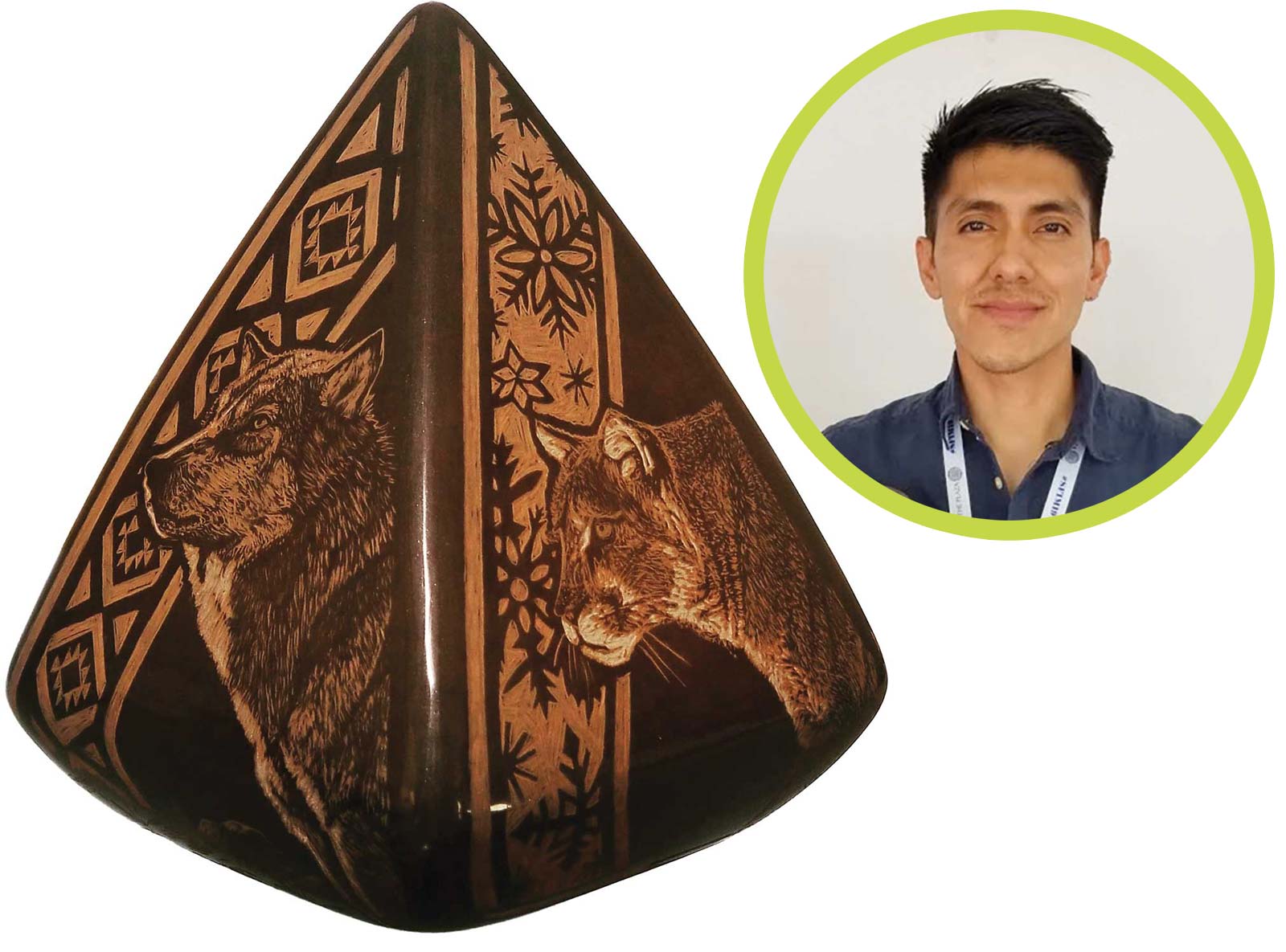
Johnathan Naranjo (Santa Clara)
Johnathan Naranjo, son of Santa Clara potter Forrest Naranjo and Karen Price (Navajo), has been surrounded by pottery his entire life. Naranjo was influenced by his father but also spent many summer breaks with his grandmother Bernice Naranjo, who created jars with sgraffito designs. In his youth Naranjo sold his pots at Santa Fe Indian Market in his grandmother’s booth. Naranjo has won numerous awards for his pottery and is recognized for his strong design abilities. “I am still working on reaching my full potential in artwork and have many goals I would like to achieve with pottery,” says Naranjo. “There is so much of a world with art when you’re being creative it really doesn’t stop with pottery for me. I’m constantly experimenting and challenging myself to make something new.”
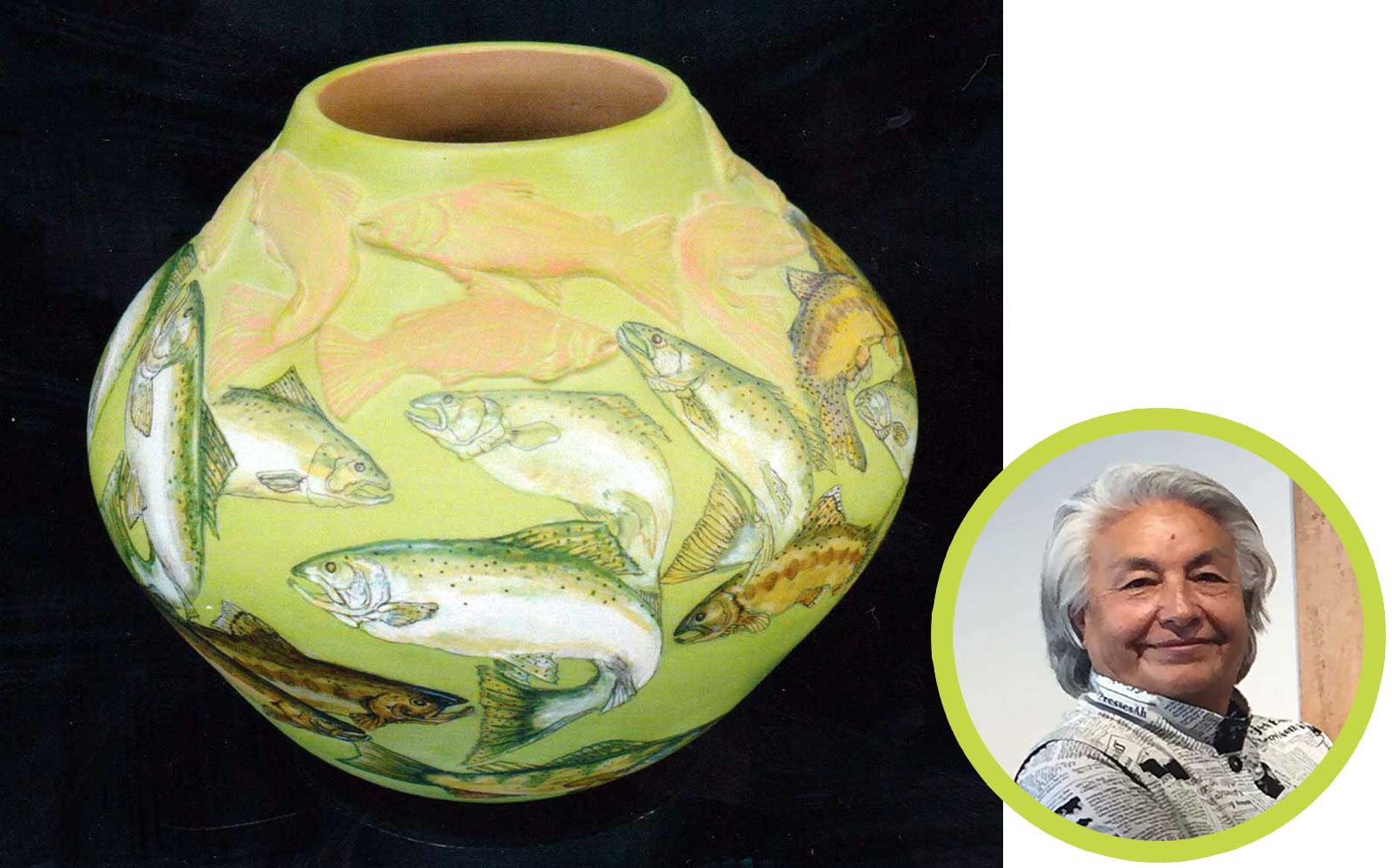
Jody Folwell (Santa Clara/Tewa)
Jody Folwell says that during her childhood the entire Santa Clara Pueblo made pots or assisted in the process, and that community endeavor is how she learned pottery. Folwell, who has been working as an artist for more than 50 years, appreciates the traditional methods but has an inclination for nontraditional design elements. This avant-garde approach has solidified Folwell’s place in the Native American art world as one of the innovators of contemporary Pueblo pottery.
Folwell adds, “I have cultivated my pottery career being one of the first Pueblo potters to use nontraditional materials and imagery to bring forth my own personal aesthetic that is influenced by traditional Pueblo artistry with a contemporary approach of social and personal commentary.” As an artist Folwell is always looking forward, as even after five decades of working she continues to evolve her artwork.
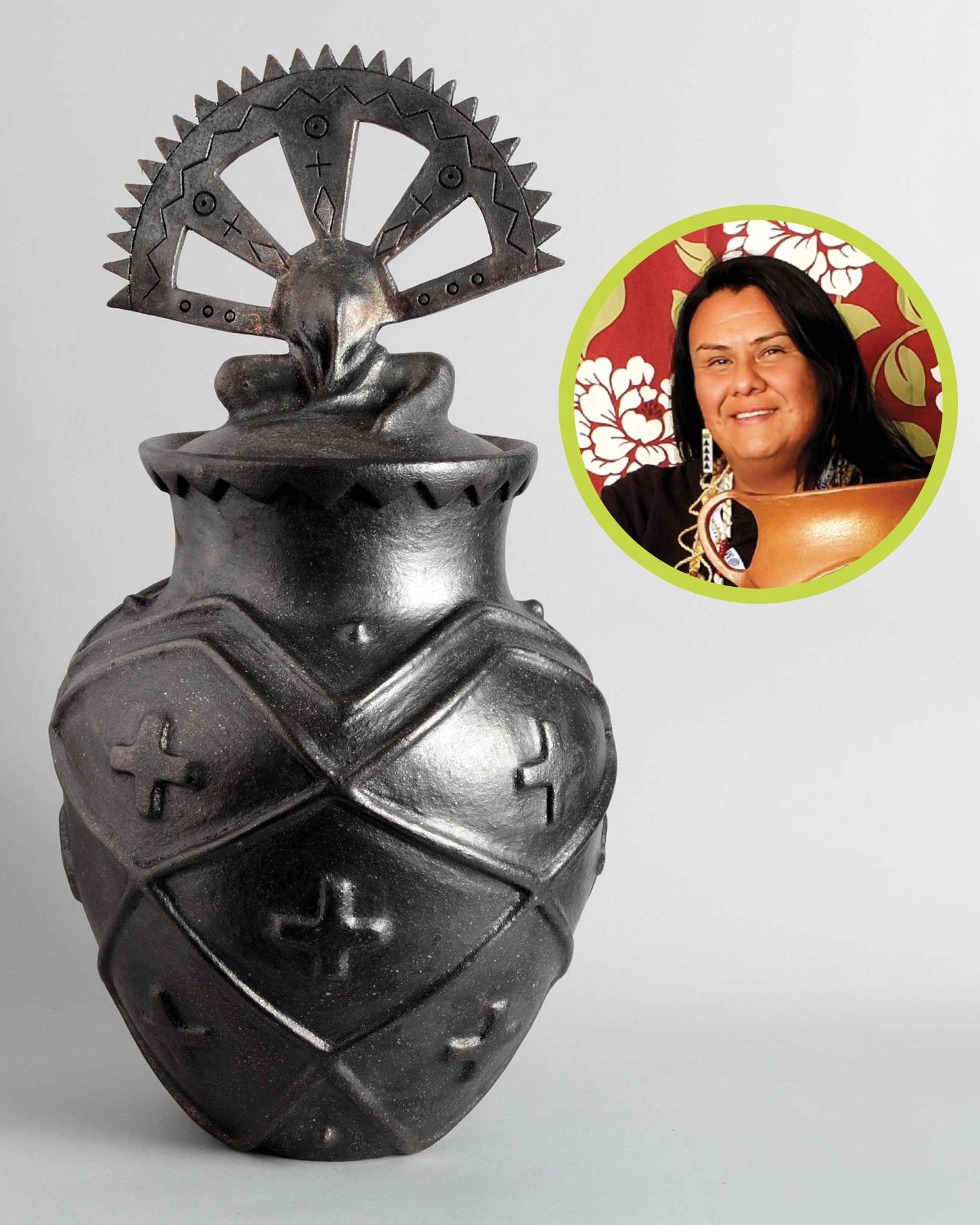
Shelden Nuñez-Velarde (Jicarilla Apache)
Shelden Nuñez-Velarde, who creates and sells pottery from a home studio in Dulce, New Mexico, on the Jicarilla Apache reservation, is known for creating micaceous vessels. The mica adds a beautiful quality to the works the artist creates, because of the surface that looks as if it’s glittering. Nuñez-Velarde says, “Historically, the Jicarilla Apache were a nomadic tribe that roamed throughout the eastern Southwest to the Oklahoma plains. Like our northern Pueblo neighbors who were more widely known for their use of micaceous clay, the Apache-based in northern New Mexico also made their cooking ware from the lands unique deposits of mica filled soil.”
Much of the work that the artist makes is functional, utilitarian cookware—bean pots, serving bowls, cups and ovenware—because the heat retention qualities of mica make it efficient for cooking. Nuñez-Velarde also creates contemporary pots such as “my turtle pots, Apache crown dancers and other unusual art pieces I come up with.”
<<<<<<<<<<<<<<<<<<< • >>>>>>>>>>>>>>>>>>>>>>
2-Dimensional Art
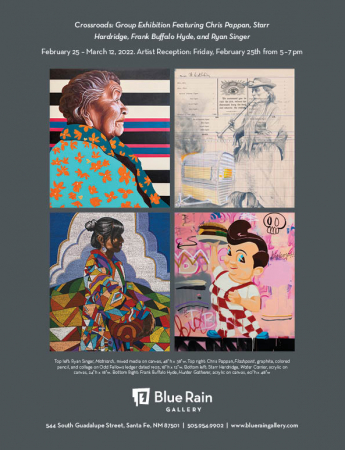
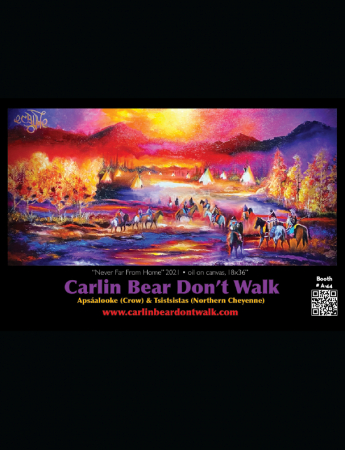
The two-dimensional art category has always been known for its diversity, and the possibilities for what artists can achieve is limited only by their imaginations. The category presents a variety of mediums to work with, from acrylics, oils and watercolors, to graphite and ledger art, to color and black-and-white photography. Throughout the Indian Fair & Market, visitors can explore works of art that tap into both traditional and contemporary aesthetics, with the chance to speak to the artists directly about what moves and inspires them to create.
Artists to Look For
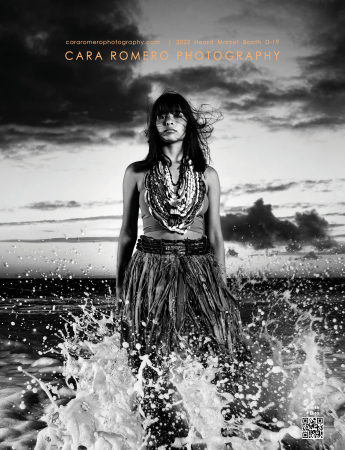
Cara Romero (Chemehuevi), Kandis M. Quam (Zuni/Navajo), Terrance Guardipee (Blackfeet), Angela Babby (Oglala Lakota), Benjamin Harjo Jr. (Absentee Shawnee/Seminole), Randy Kemp (Choctaw/Muscogee-Creek/Euchee), Deborah Lujan (Taos)
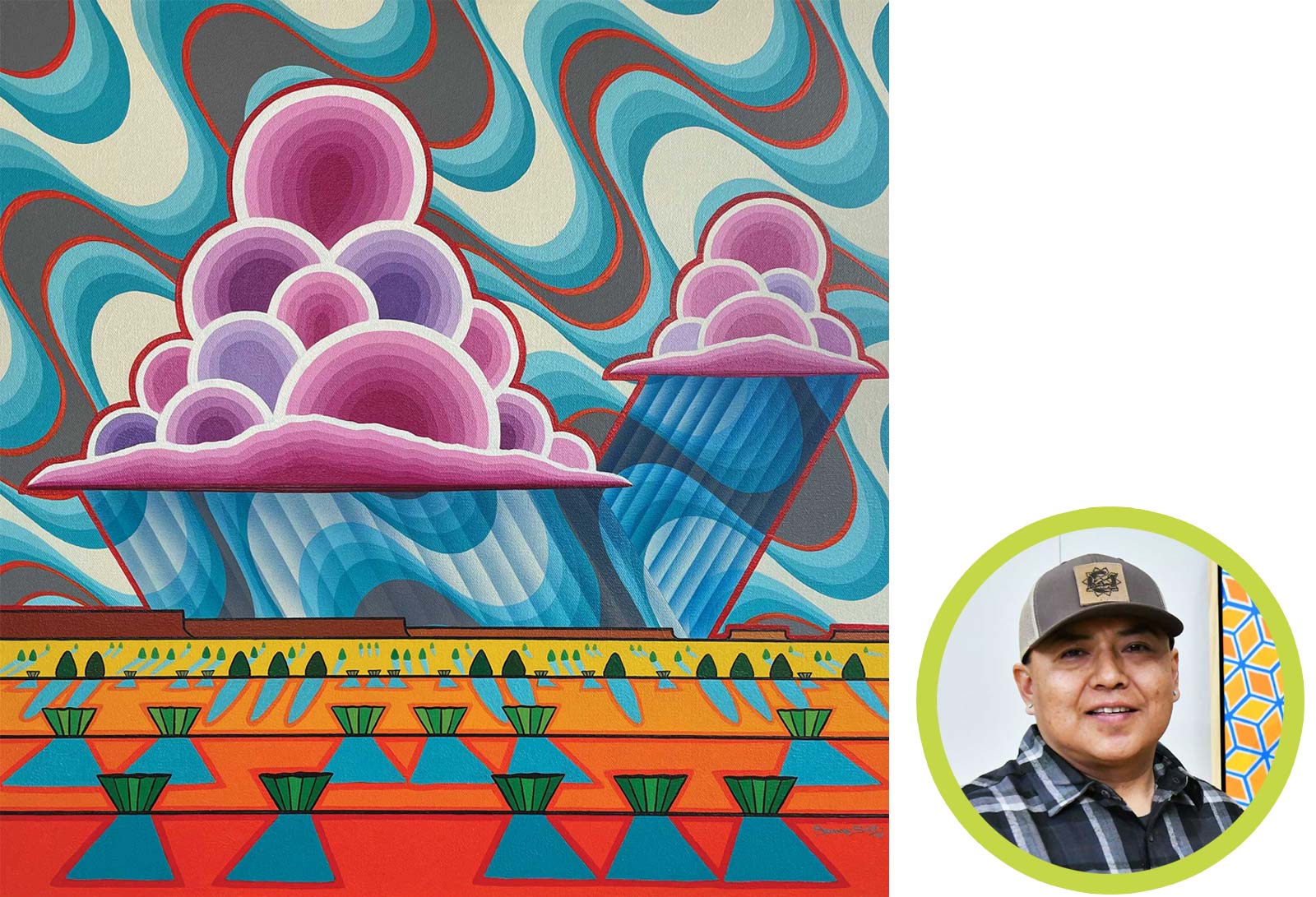
Gilmore Scott (Diné)
www.gilmore-scott.squarespace.com
The vibrant paintings of Diné artist Gilmore Scott are his wholly unique interpretations of imagery inspired by the Southwestern desert landscapes, storms, skies and stars. He transforms traditional stories within harmonious designs and colors, paralleling the harmony between the land and Diné. “Beauty is simple design and the harmony of color,” he says.
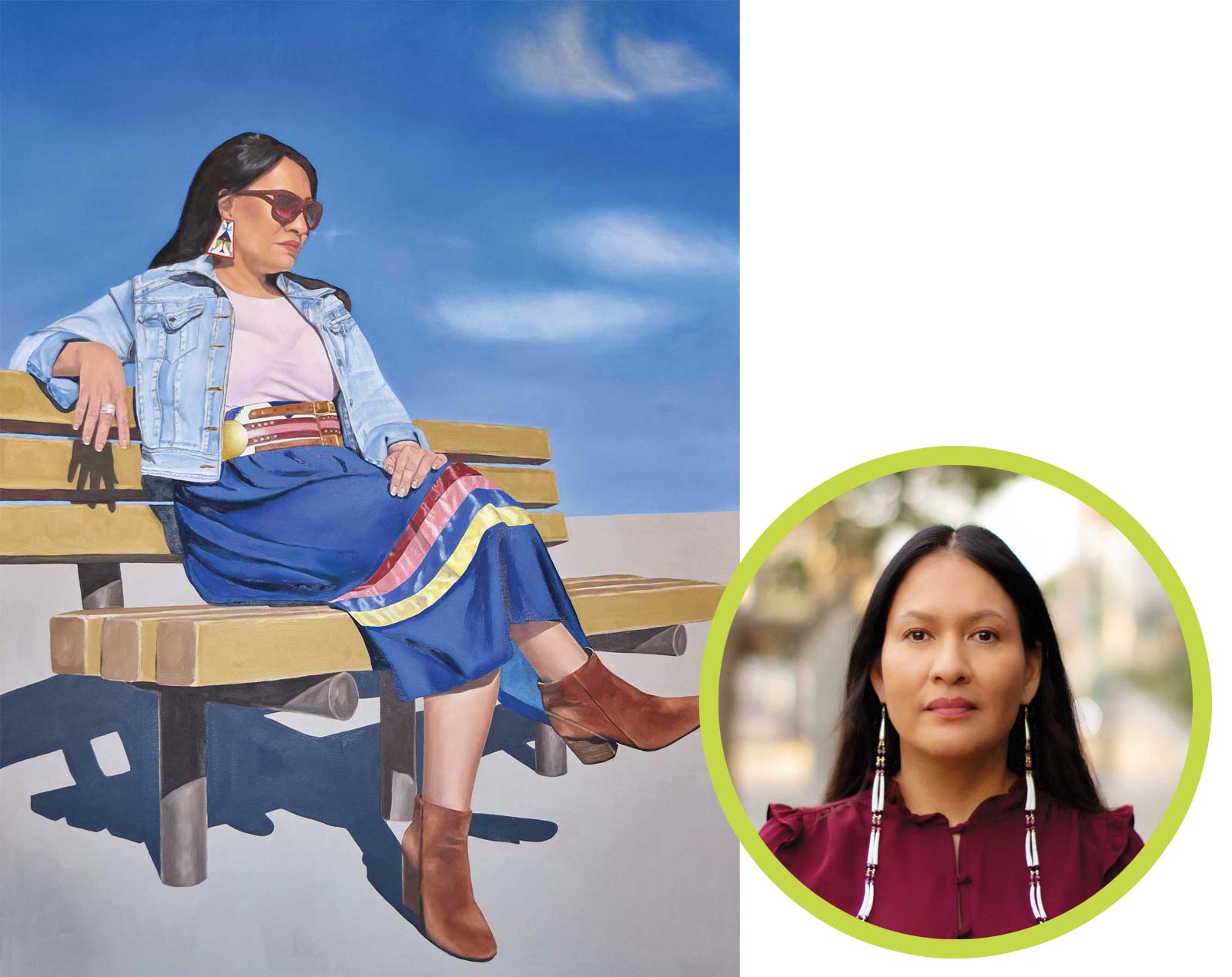
Avis Charley (Spirit Lake Dakota/Diné)
www.avischarleyart.com
Ledger art was Avis Charley’s first art form. She learned from and was encouraged by Terrance Guardipee (Blackfeet). “I became a ledger artist to bring a woman’s perspective into a male-dominated art form as I share stories about parenting, family and community,” says Charley. “Through portrait oil painting, I started portraying Indigenous women in modern settings celebrating resistance to assimilation and colonization with vibrant hues and details...I am documenting our moments for future generations.”
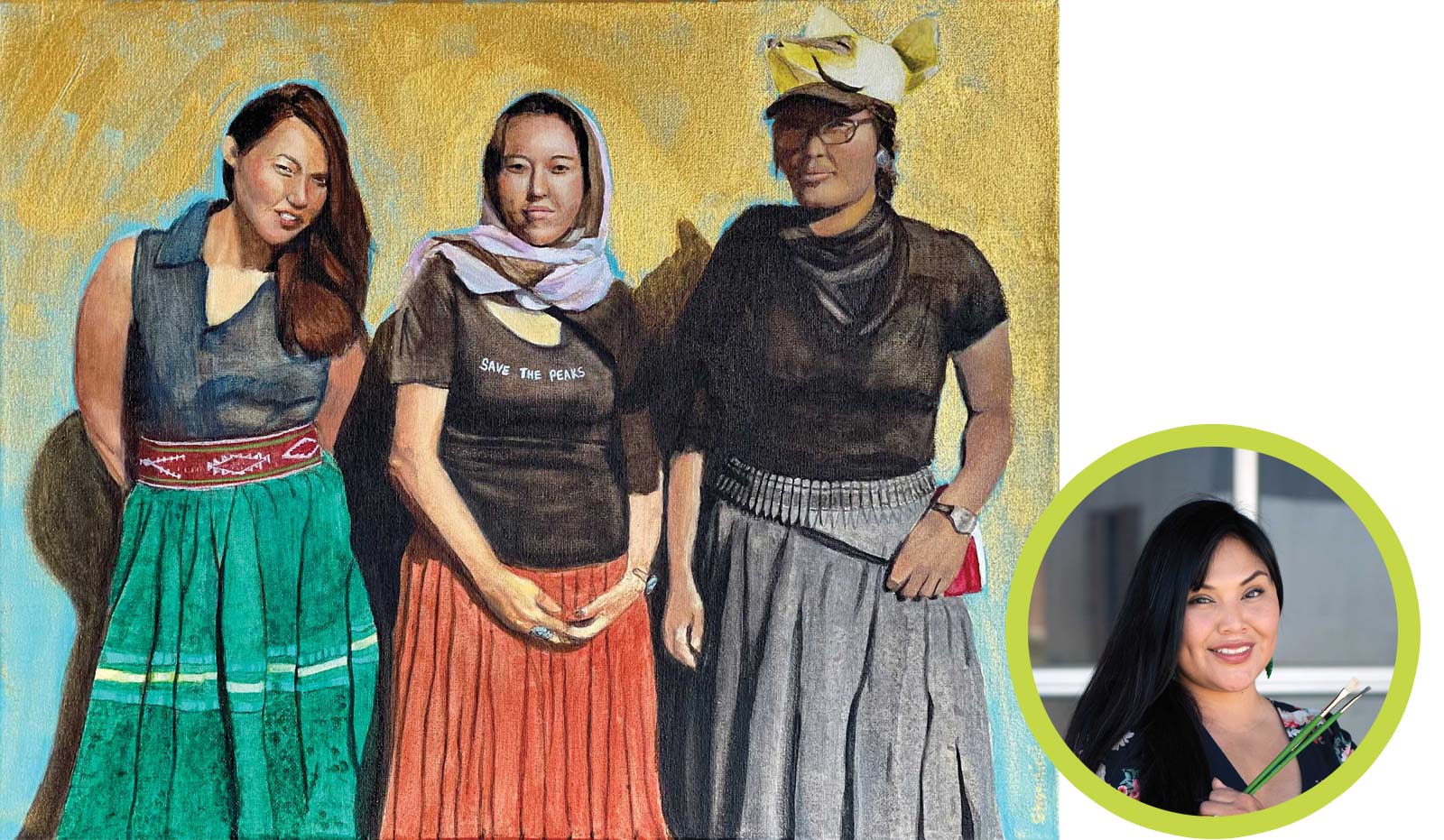
Shondinii Walters (Diné)
shondinii.wixsite.com/artist
Institute of American Indian Arts alumnus Shondinii Walters works in multiple mediums including painting, sculpture and jewelry. “Each piece I create is a visual outlet depicting matriarchal and indigenous power that gives me great strength and healing,” she says. As an artist, I want to spread this energy to enlighten and celebrate the diversity of people all around the world.” Currently, the artist works from home with her family of four in Ponderosa, New Mexico, near Jemez Pueblo.
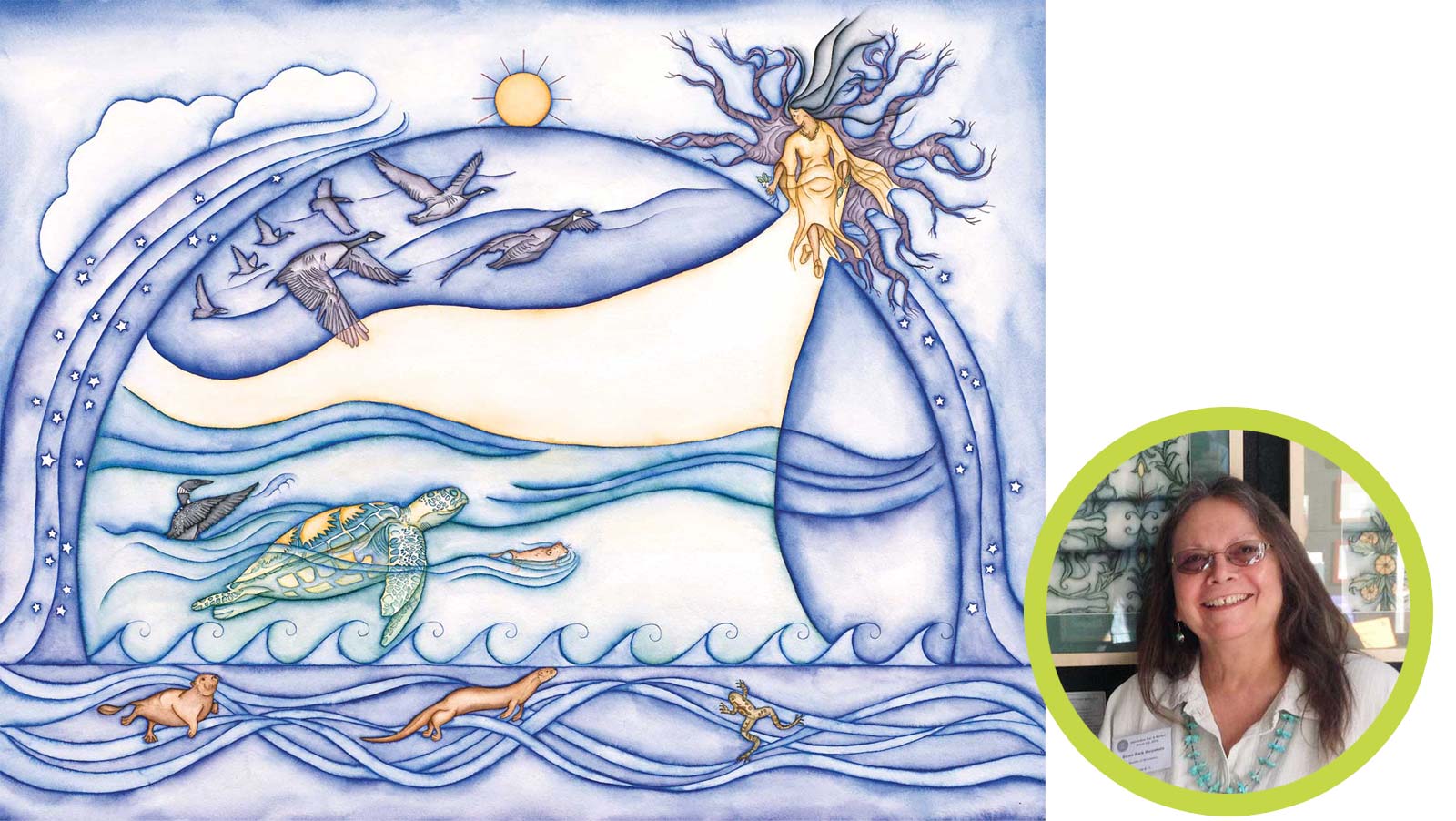
Dawn Dark Mountain (Oneida)
www.dawndarkmountain.com
Specializing in watercolors, Dawn Dark Mountain has been honing her craft in “magic realism” for more than 30 years. “My heritage is an important part of my work,” says Dark Mountain, who is a member of the Turtle Clan of the Oneida Nation of Wisconsin. One of her newest works, Who We Are, is a watercolor with wampum beads sewn into the paper. “Who we are is not defined by our DNA—who we are is a matter of our culture, our upbringing and our sense of belonging to our family, our clan.”
<<<<<<<<<<<<<<<<<<< • >>>>>>>>>>>>>>>>>>>>>>
Pueblo Carvings
Artists often talk about carvings as a reductive medium. The art is not in adding material, but taking it away. Many of them say they can hold a piece of wood or stone and can see the finished artwork within the material, and the artist’s job is to carve it out of there. These feelings are commonplace among the Pueblo carving classification, in which carvers will use knives and other tools to turn raw materials—in many cases, cottonwood root—into magnificently carved creations. This rich and wonderful category returns to the Heard Museum’s market, and it will once again feature many of the top artists working today.
Artists to Look For
Randy Brokeshoulder (Diné/Navajo), Manuel Chavarria (Hopi), Shawn Deel (Navajo/Hopi), Aaron J. Fredericks (Hopi), Arthur Holmes (Hopi), Ernest Honanie (Hopi), Mavasta Honyouti (Hopi), Wilmer Kaye (Hopi), Eric Kayquaptewa (Hopi), Raynard Lalo (Hopi), Kevin Pochoema (Hopi), Edward Seechoma (Hopi)
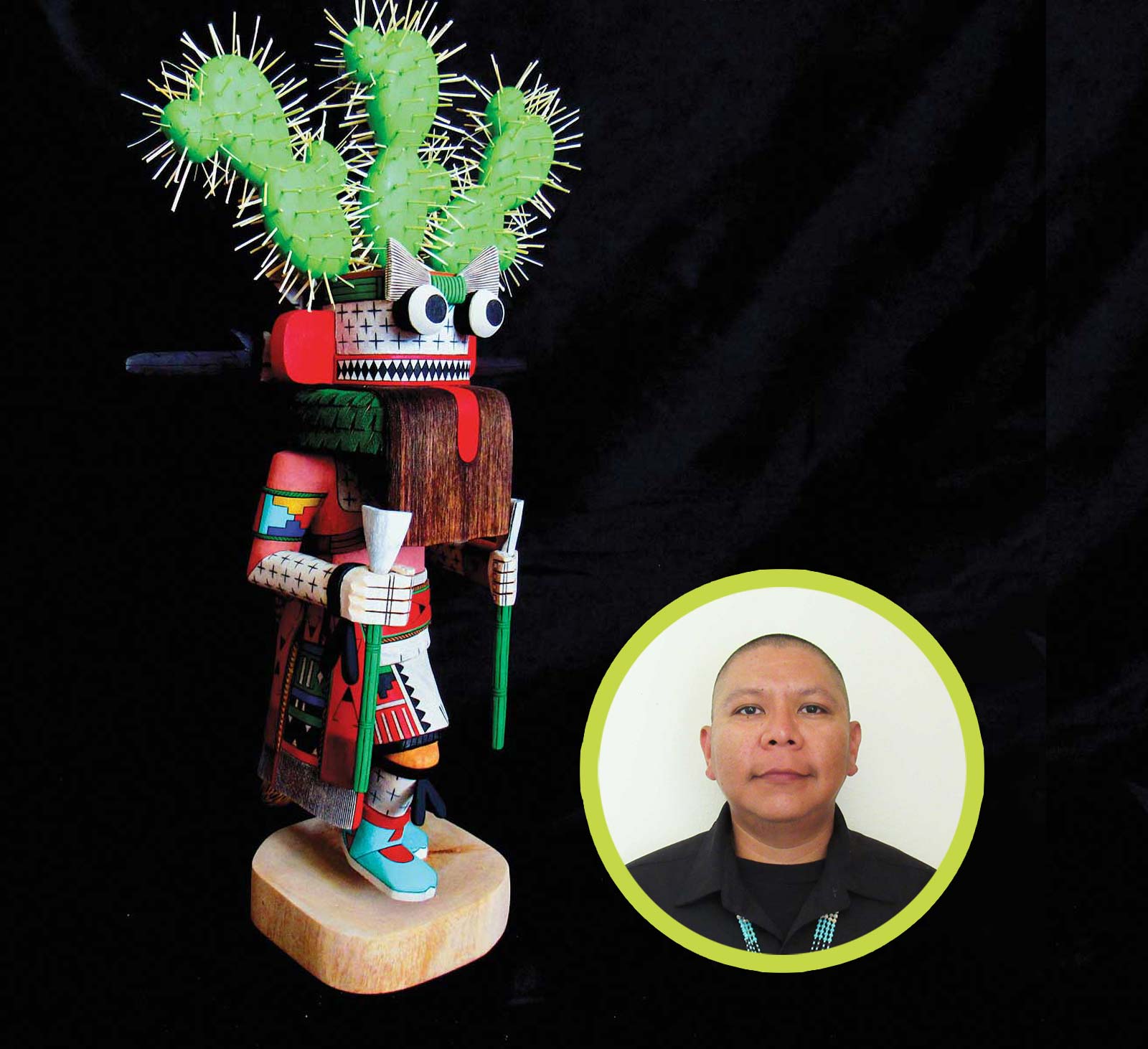
Donald Lomawunu Sockyma (Hopi)
www.dsockyma.artspan.com
Donald Lomawunu Sockyma has had a growing presence at the Heard Museum Guild Indian Fair & Market. Not only does his work show his growth as an artist, but he’s also a collector favorite for his positive attitude and upbeat booth presence. “Each piece of artwork is hand-carved, stressing the amount of detail added using acrylic watercolor paints to bring the carving to life,” he says. “I learned to carve from my father Bennett at a very young age, working my way up to the detailed one-piece carvings. Currently, I am working on more of my father’s style that has become popular by collectors. The bigger detailed one-piece carvings are a style creation I have developed through time from being inspired by the master Hopi katsina doll carvers and their creations.”
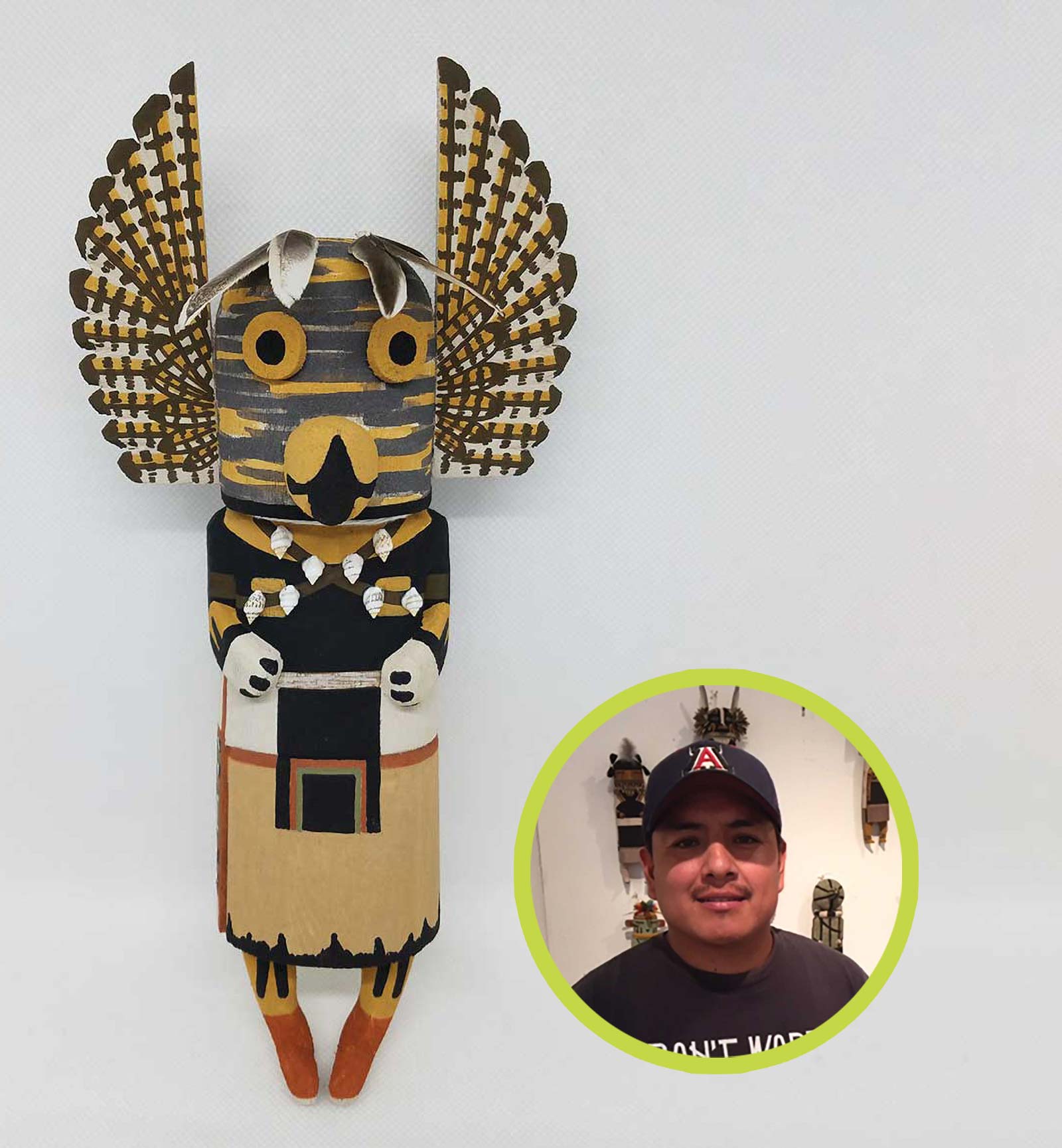
Darance Makwesa Chimerica (Hopi)
A husband and father of three, Darance Makwesa Chimerica maintains his Hopi traditions not just through his art, but also through his artistic process. “Throughout my 26-year career, I have made what are called ‘old-style’ katsinas, like the simple pieces Hopi people were making centuries ago. Back then, Hopis made their dolls with paints made from minerals and vegetables, with yucca plants supplying material for paint brushes...I was drawn to this particular style, mostly because of its simplicity.” Chimerica says that he plans to pass the tradition down to his sons, hoping that they will carry on this traditional art form.
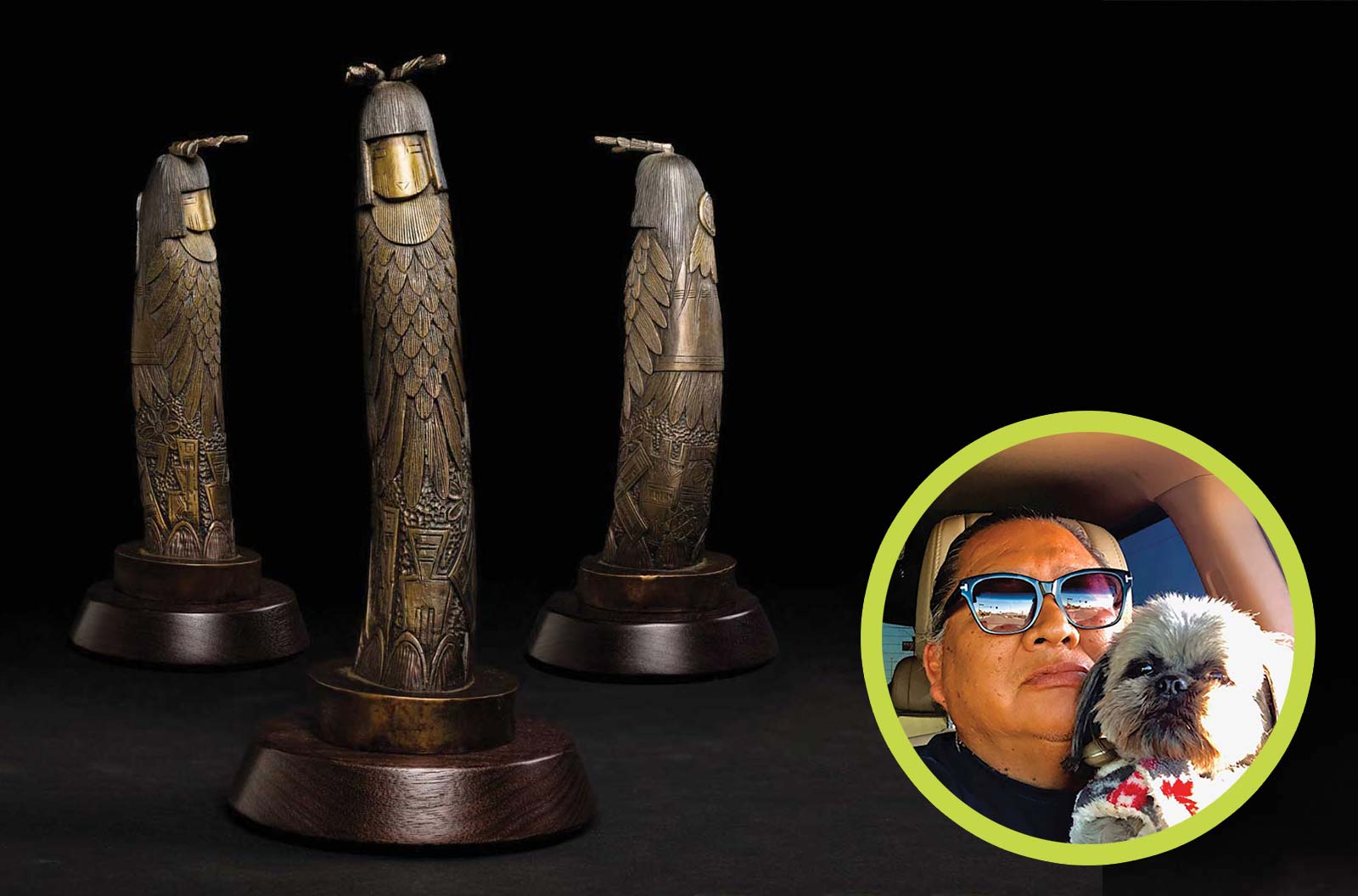
Kevin Horace-Quannie (Hopi/Diné)
www.waterbirdstudios.com
Kevin Horace-Quannie will be showing his newest creations at the Heard Museum market, including major works that show his contemporary design inspired by traditional forms. “Alongside the traditional elements, I have mixed traditional imagery with contemporary design elements,” he says. “Intricate details and opaque watercolors are also used to show the natural beauty of the wood. This is also a mix of detailed traditional carving and contemporary Hopi storytelling. Contemporary design elements bring a balance of the old to the new.”
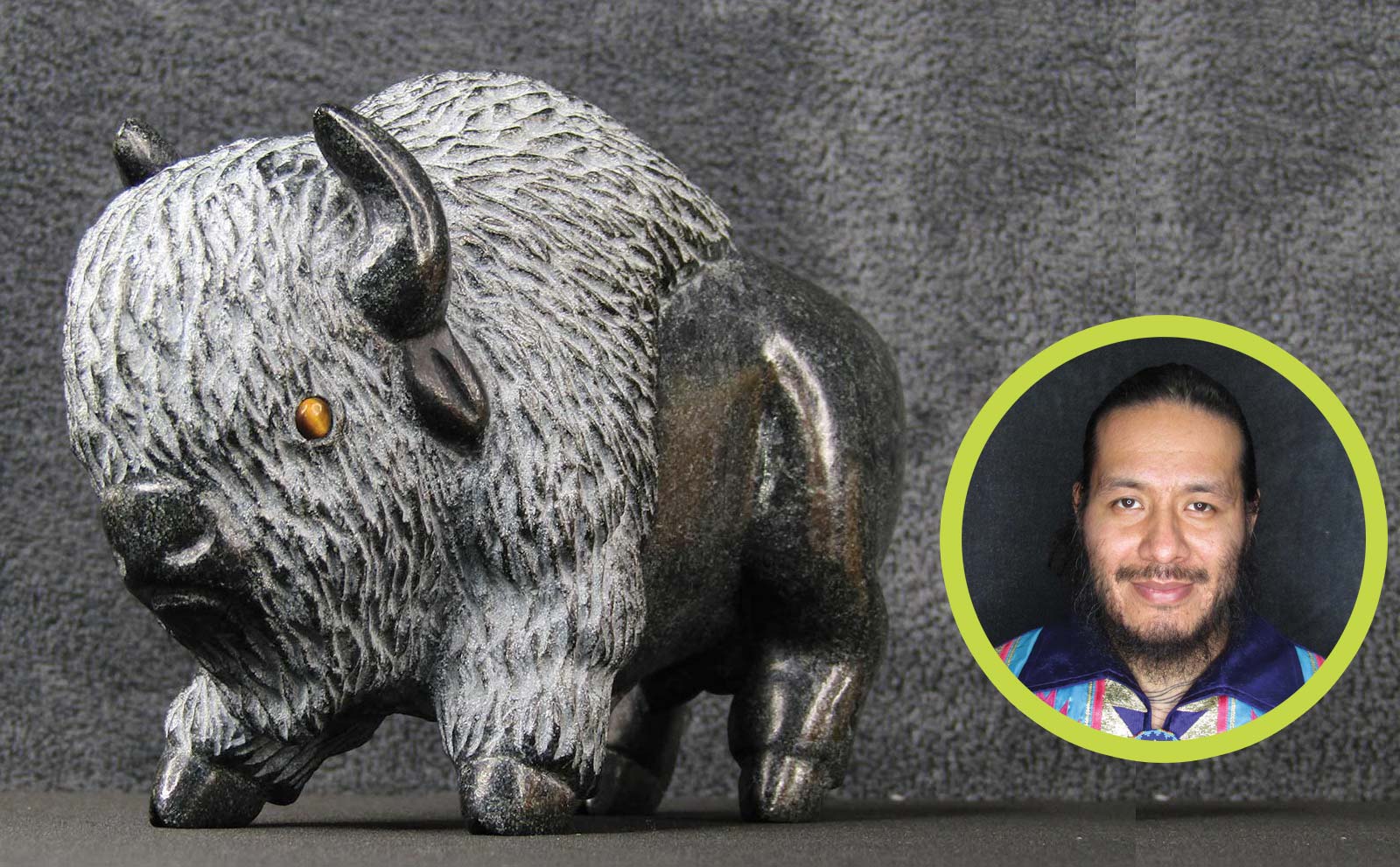
Keli’i Eli (Zuni)
www.keliieli.com
Keli’i Eli is a first-generation Zuni Pueblo and Hawaiian Native self-taught fetish carver and stone sculptor born and raised in Zuni Pueblo, New Mexico. “My drive and passion for the arts grows stronger each year, bringing forth my visions seen in stone,” says Eli, who first started Pueblo fetish carving in 2015. “Influenced by the natural world, I have been blessed with a gift to see the beauty in the natural anatomy of stones. I say a prayer to start while listening tentatively to the spirit within that aids in bringing my visual arts to fruition—all with the guidance of my ancestors.”
<<<<<<<<<<<<<<<<<<< • >>>>>>>>>>>>>>>>>>>>>>
Sculpture
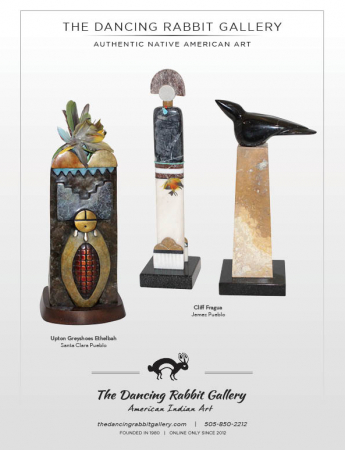
An incredible range of artwork makes up the sculpture category at the Heard Museum Guild Indian Fair & Market. Materials such as bronze, stone, ceramic, glass and wood are used to create pieces in all one medium or those that mix several together. The style, shapes, size and techniques used for each is indicative of the artist who is creating the work, allowing for endless possibilities. One traditional segment of this category are the non-ceremonial Zuni fetish carvings that are popular among collectors because of their subject (animals), size (perfect for a tabletop) and the attributes that each represents.
Artists to Look For
Adrian Wall (Jemez), Caroline Carpio (Isleta), Cliff Fragua (Jemez), Ira Lujan (Taos), Jayne Quam (Navajo), Kathleen Wall (Jemez), Raymond Chee Sr. (Navajo), Terresa White (Yu’pik), Troy Sice (Zuni), Upton “Greyshoes” Ethelbah Jr. (Santa Clara/White Mountain Apache)
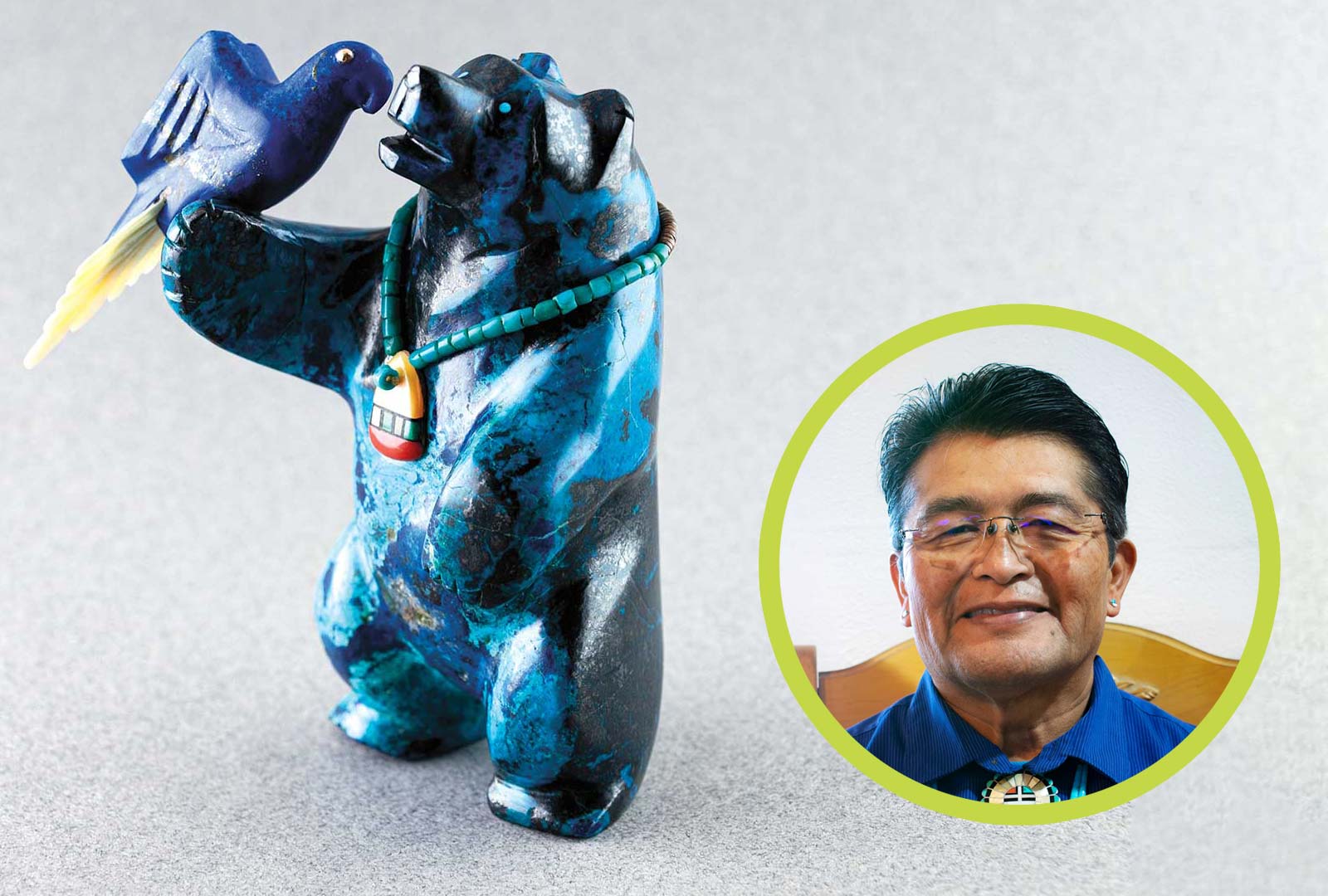
Gibbs Othole (Zuni)
Gibbs Othole is one of the masters of Zuni carving, having shown his artwork at all of the major fairs and receiving awards ranging from honorable mention to first place. His pieces are made from a combination of semiprecious gems, marble and found local stones. “My inspiration is preserving our ancestry and culture from the creation stories of our ancestors to the present days of our people. When our Mother Earth was still raw, our ancestors embarked on a journey to find the middle place to what is now the Zuni Pueblo,” says Othole. “During their journey, they were encountered by dangerous animals that roamed during that time. The deities that led the journey turned them into stone, for the sole purpose of protecting the people from harm and to give blessings of what life had to offer. To this day this still holds true to both carver and collector.”
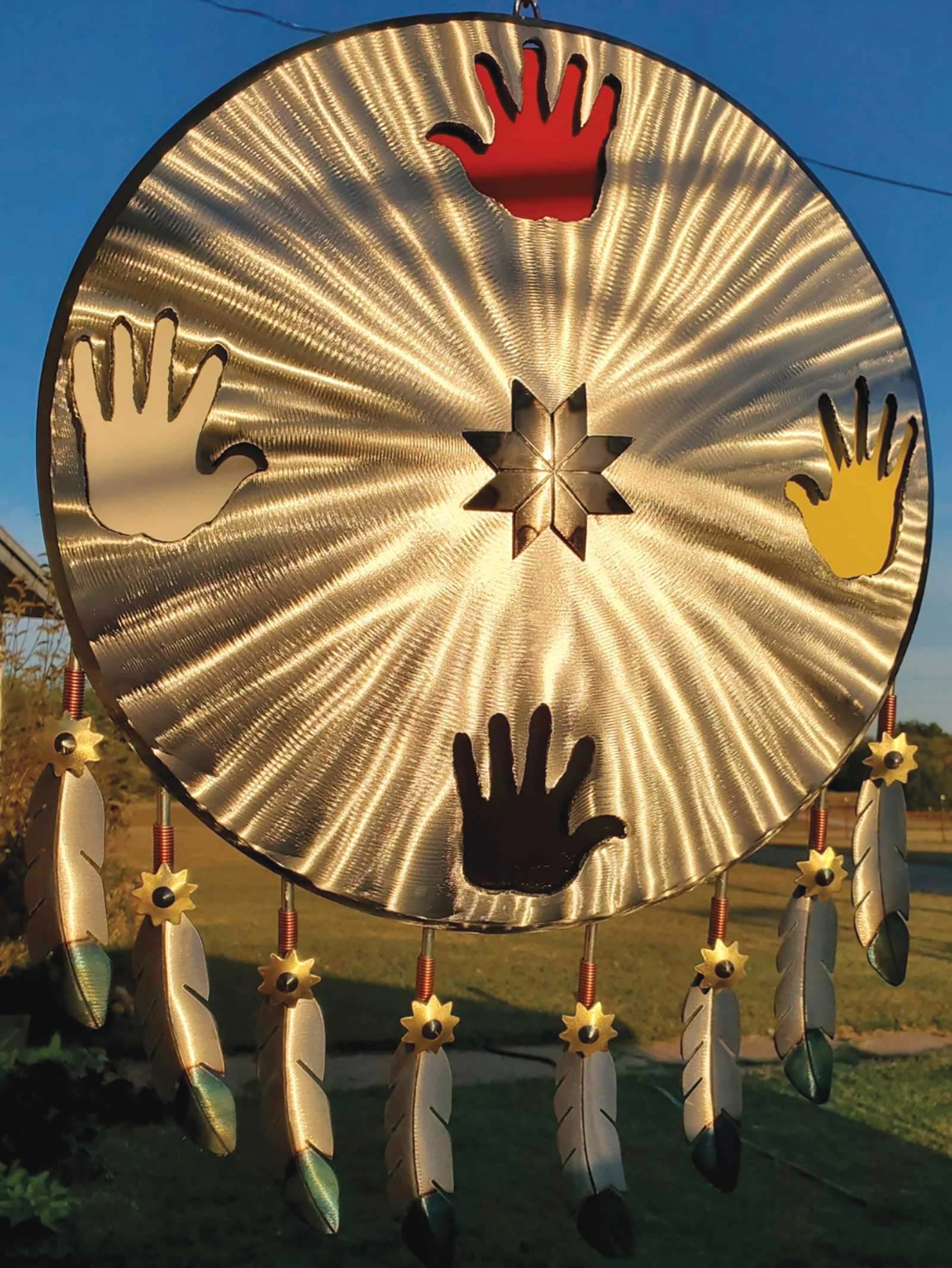
Gene “IronMan” Smith (Choctaw Nation of Oklahoma/Sisseton-Wahpeton Oyate)
In 2016 Gene Smith, an enrolled member of the Choctaw Nation of Oklahoma, began his metalworking journey. His parents encouraged him to use his artistic abilities from a young age to honor their heritage. He feels a connection to feathers, which appear in many of his designs. An award-winning artist, Smith is an expert in metal art and his techniques—such as heating raw metal with a torch and forging it into a shape and then using grinding wheels to etch designs and details—lead to one-of-a-kind works of art.
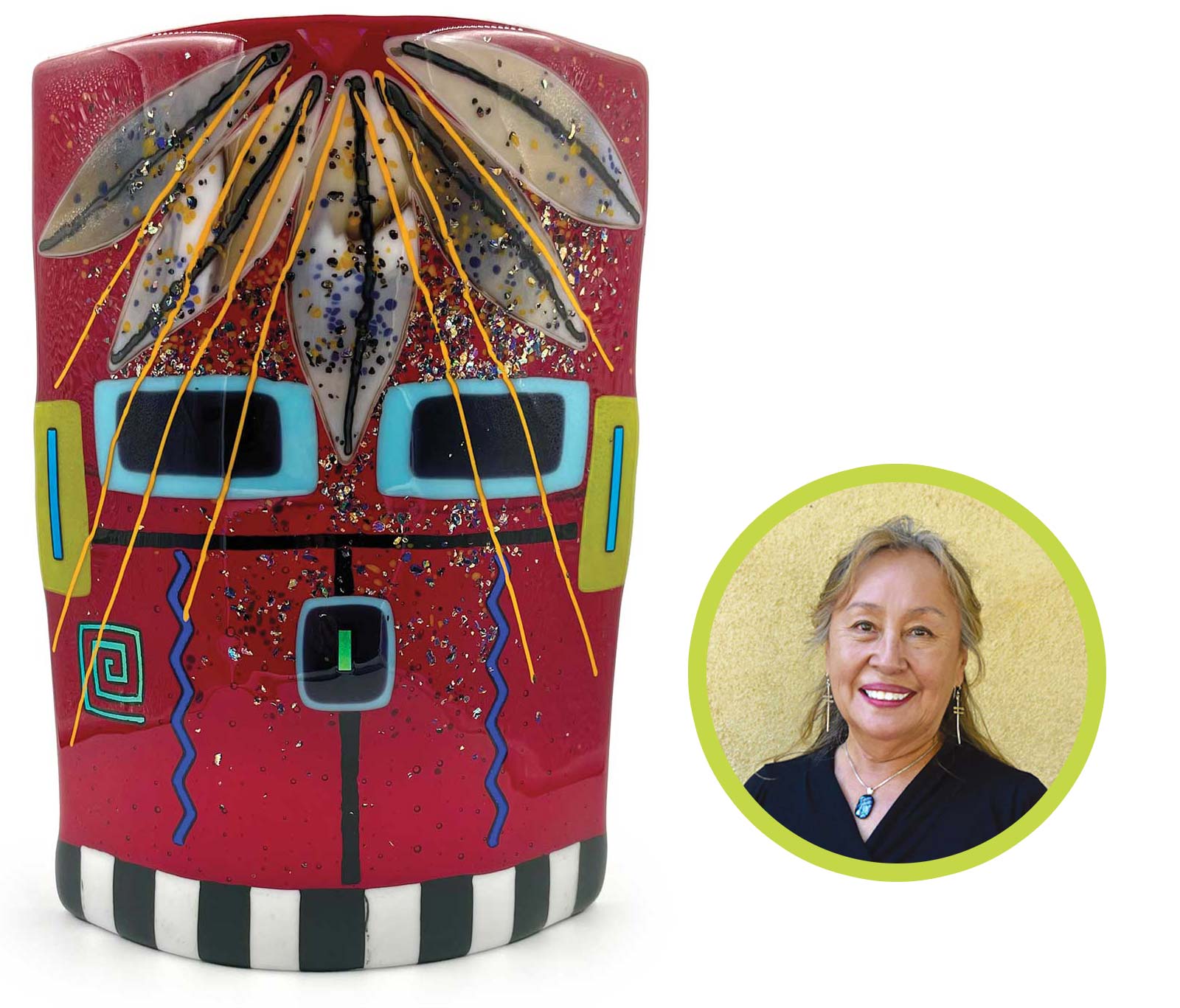
Carol Lujan (Navajo)
clujan.artspan.com
Navajo clay and glass artist Carol Lujan is inspired by her family, her culture and the Southwestern landscapes. Her clay masks are often influenced by Navajo deities, while her glass rugs are drawn from her grandmother’s textile weavings and other historical Navajo rug designs from the mid-1800s. Her grandmother and mother taught her “about strength, passion, humor and the beauty of nature and I attempt to show this through my glass art and clay sculptures,” she says. “I am fortunate to be able to express myself through art and am grateful for the wonderful people I have met as a result of my art.”
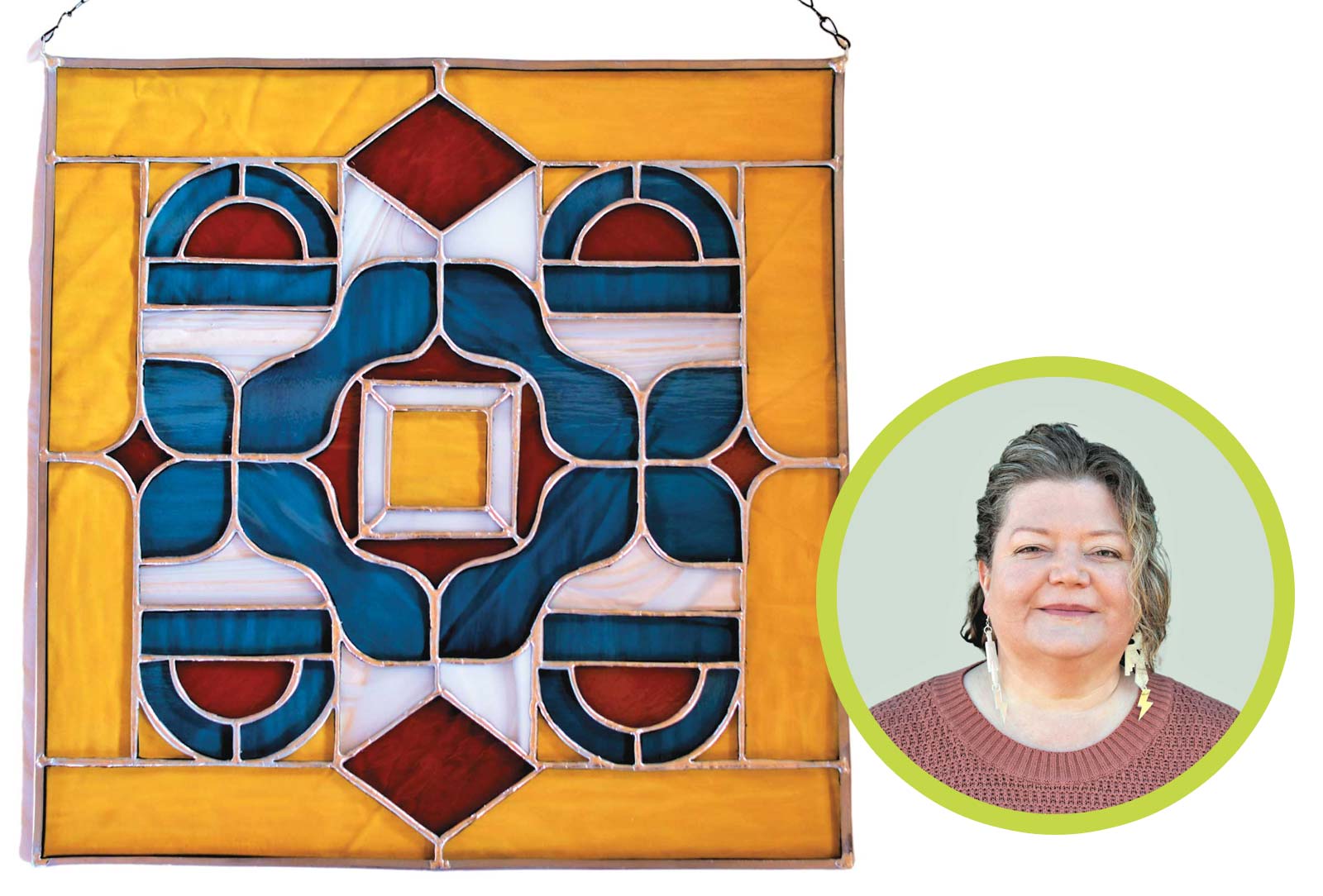
Rae Pictou (Mi’kmaq)
Maine-based Mi’kmaq glass artist Rae Pictou is a storyteller and historian. Originally a beadworker, she has been honing her artwork and design skills since 1978 when as a child she first learned to work with glass beads from other tribal members. Pictou took a competition ribbon with her original beadwork at the Heard Museum Guild Indian Fair & Market in 2018. Recently she took her decades of design experience and historical knowledge then transferred them to stained glass, creating an exciting blend of traditional tribal design within a historically colonial structural art form.
<<<<<<<<<<<<<<<<<<< • >>>>>>>>>>>>>>>>>>>>>>
Weavings and Textiles
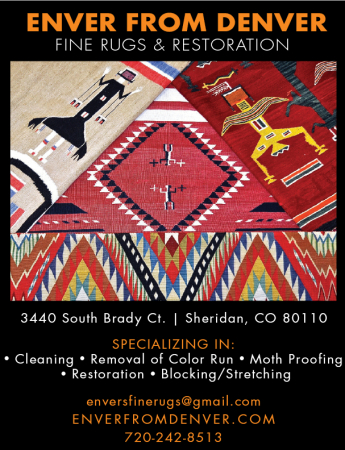
Of all the many tribes and nations in the United States, many look to the Navajo or Diné for astounding weaving and textile designs. The Navajo have a deep, spiritual relationship with the art of weaving, beginning with their belief in Spider Woman—a deity that many believe taught the Navajo how to weave. While items like clothing were originally created out of necessity, weavers expanded their craft to include the many blanket and rug designs that are so well known today. They also use symbols and design to communicate stories and teachings, like the cross to represent Spider Woman, the lightning bolt and even the whirling log that was seen as a symbol of good luck. Artists now, as seen at the Indian Market and Sale, incorporate an array of color and additional materials, while also staying true to their roots.
Artists to Look For
Alberta Henderson (Navajo), Rena Begay (Navajo), Anita Hathale (Navajo), Louise Y. Nez (Navajo), Irveta Aragon (Navajo), Michael Teller Ornelas (Navajo), Alisa Peacock (Navajo), Geneva Scott Shabi (Navajo), Rosie Taylor (Navajo), Berdine Begay (Navajo)
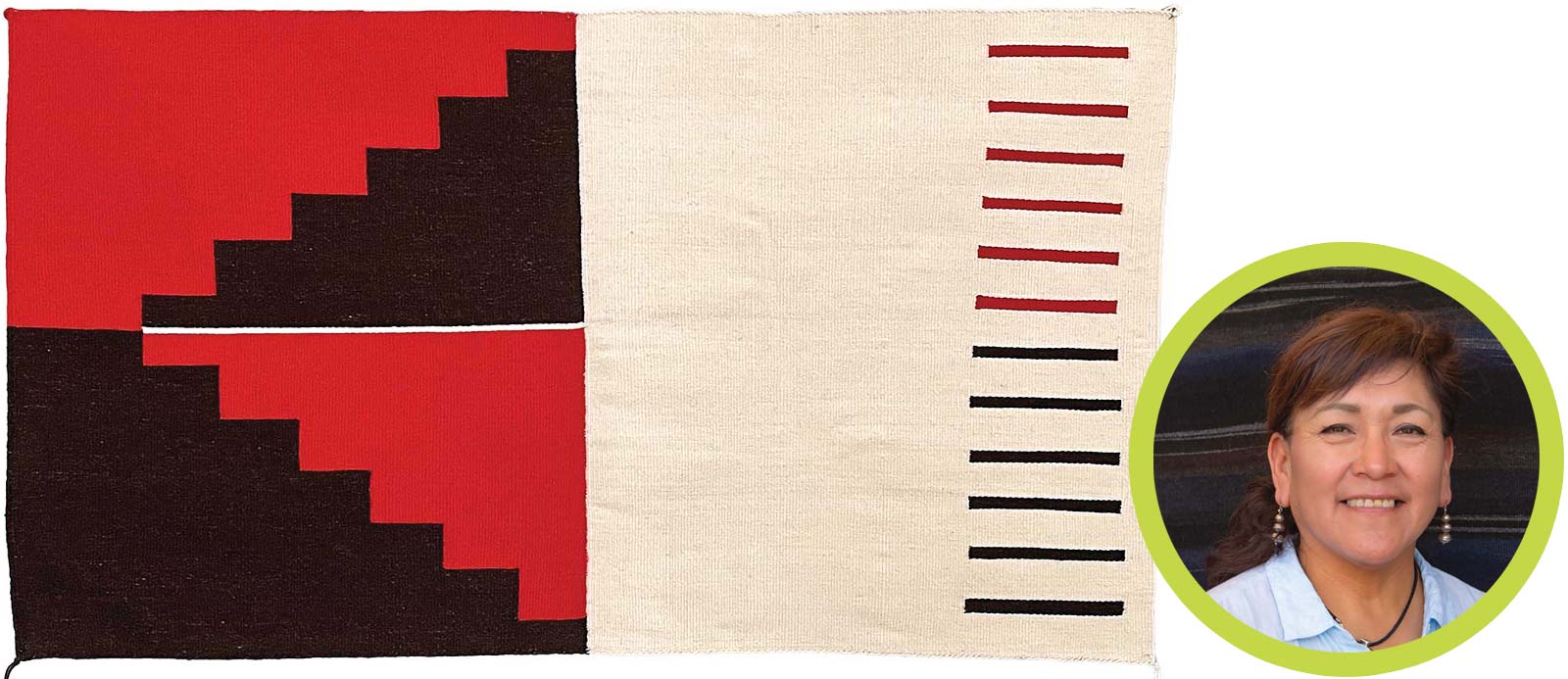
Berdina Y. Charley (Navajo)
“Weaving is the strength of my roots,” says Charley. “I am a fourth-generation Navajo weaver and weaving is my life.” Charley raises churro sheep and she uses all the wool in her weavings, so her weaving process commences at the sheep corral. She also dedicates a block of time to spend in her weaving room to focus on designing and weaving, along with developing and dyeing colors from local plants and insects. “Recently I have been creating non-regional style patterns using the traditional Navajo style of weaving on an upright loom,” she says.
“I love experimenting with diverse types of weaving techniques and incorporating beads, soumak twining and embroidery onto the surface of my weaving. This approach enhances the finished tapestry and tempts the viewer to look at Navajo textiles in a different way.”
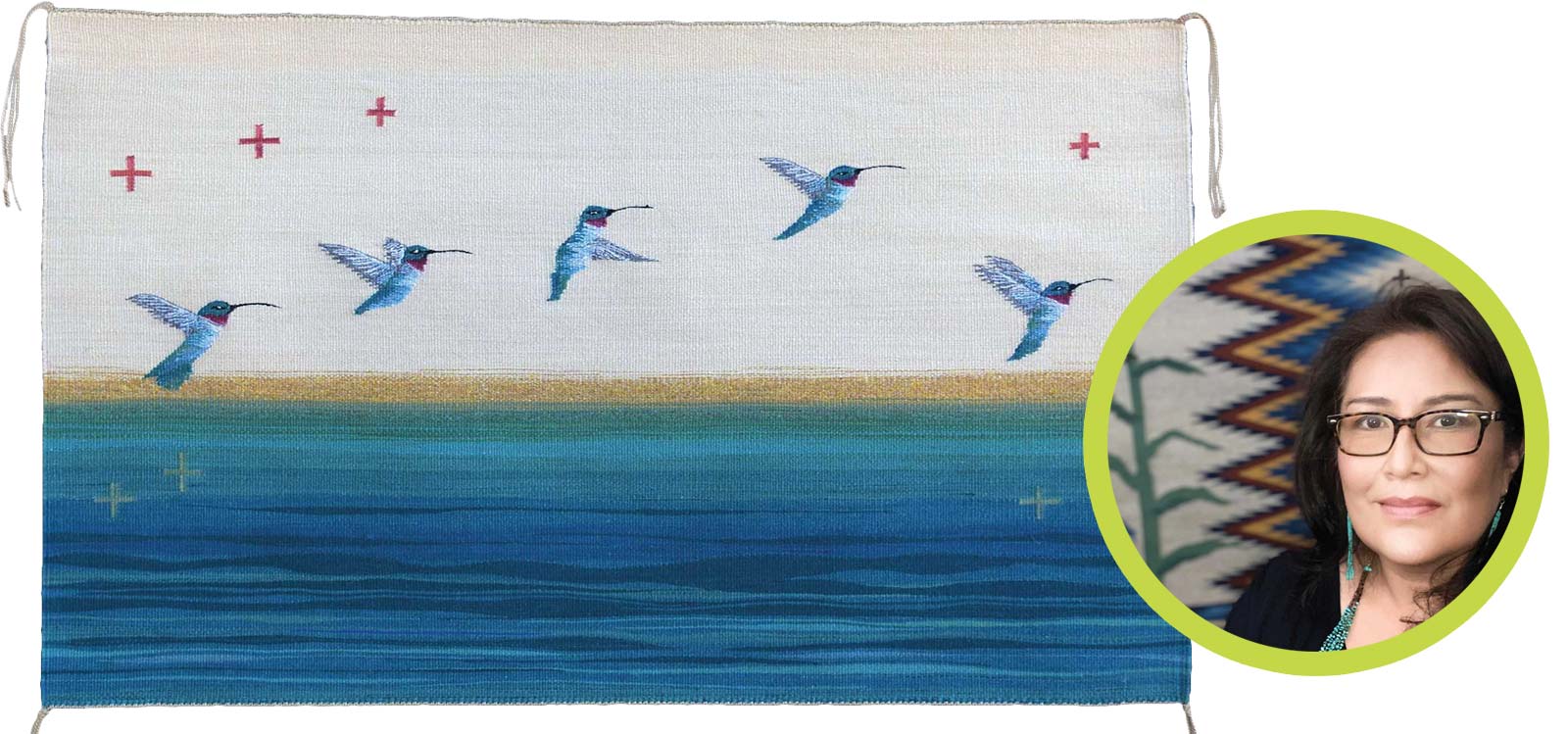
Calandra Cook (Navajo)
www.clctextiles.com
Cook’s family and her traditional upbringing has been her biggest inspiration for her textile creations. “I am honored to have a gift that allows me to articulate a narrative about the ceremony of life,” she adds. Cook’s fascination with blue birds and hummingbirds are often woven into her art, which symbolizes joy, happiness and prosperity. They bring beauty to the world and signify restoration of harmony and balance. “These spirit animals help guide me to peace and to a journey of self-expression.”
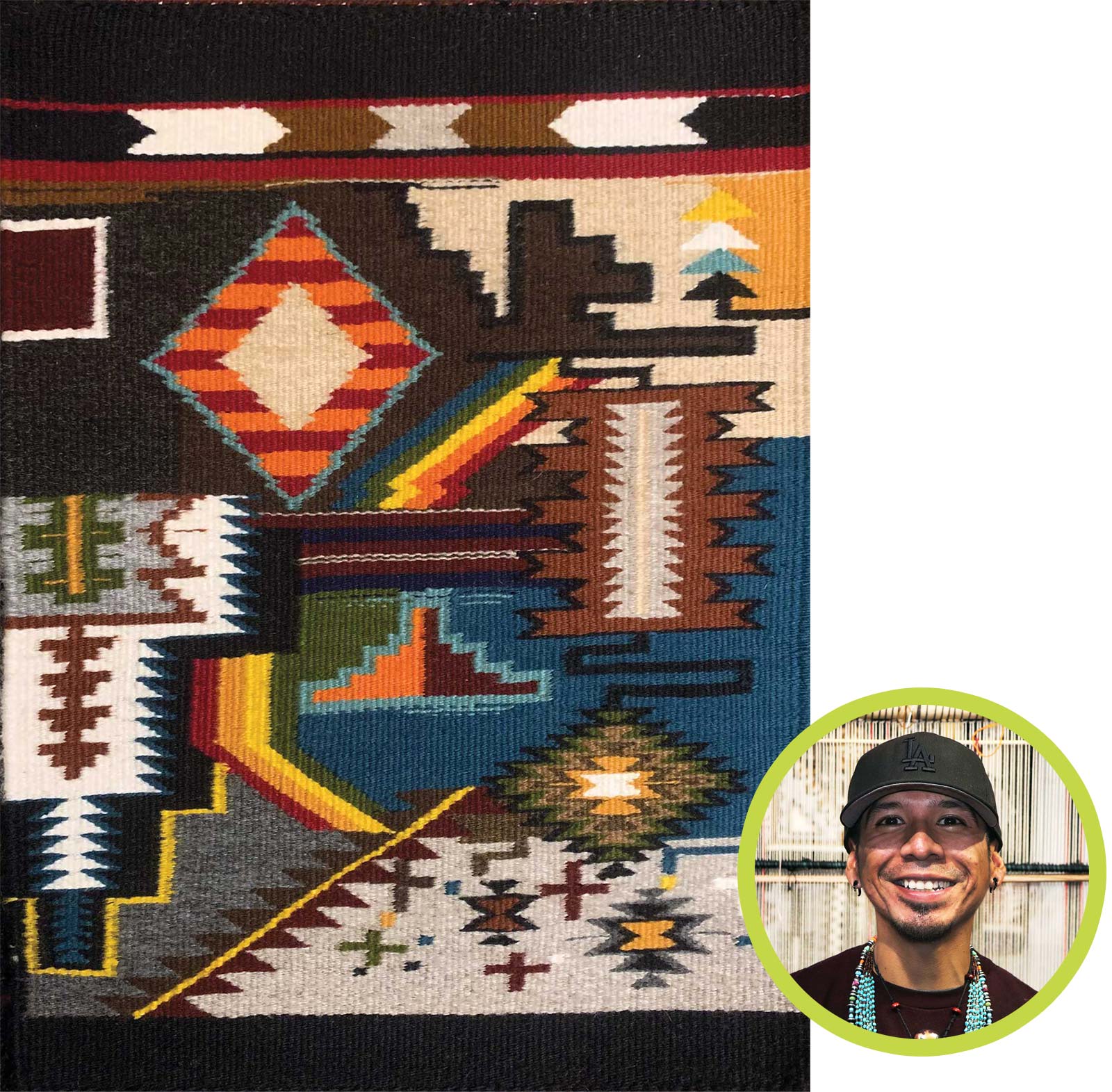
Daniel Keams Jr. (Navajo)
www.instagram.com/jrkeams
“I let my work always be a representation of me; colorful, clean, busy—maybe too busy at times—but I always aim for perfection. I know it won’t always be squarely perfect because my life isn’t,” explains Keams. His inspiration comes from someone he likes to call his teacher, Elsie Glander. “I always wanted to work with her growing up when I’d visit the Cameron Trading Post,” he notes. “I always have to credit her for teaching me and letting me use her designs.”
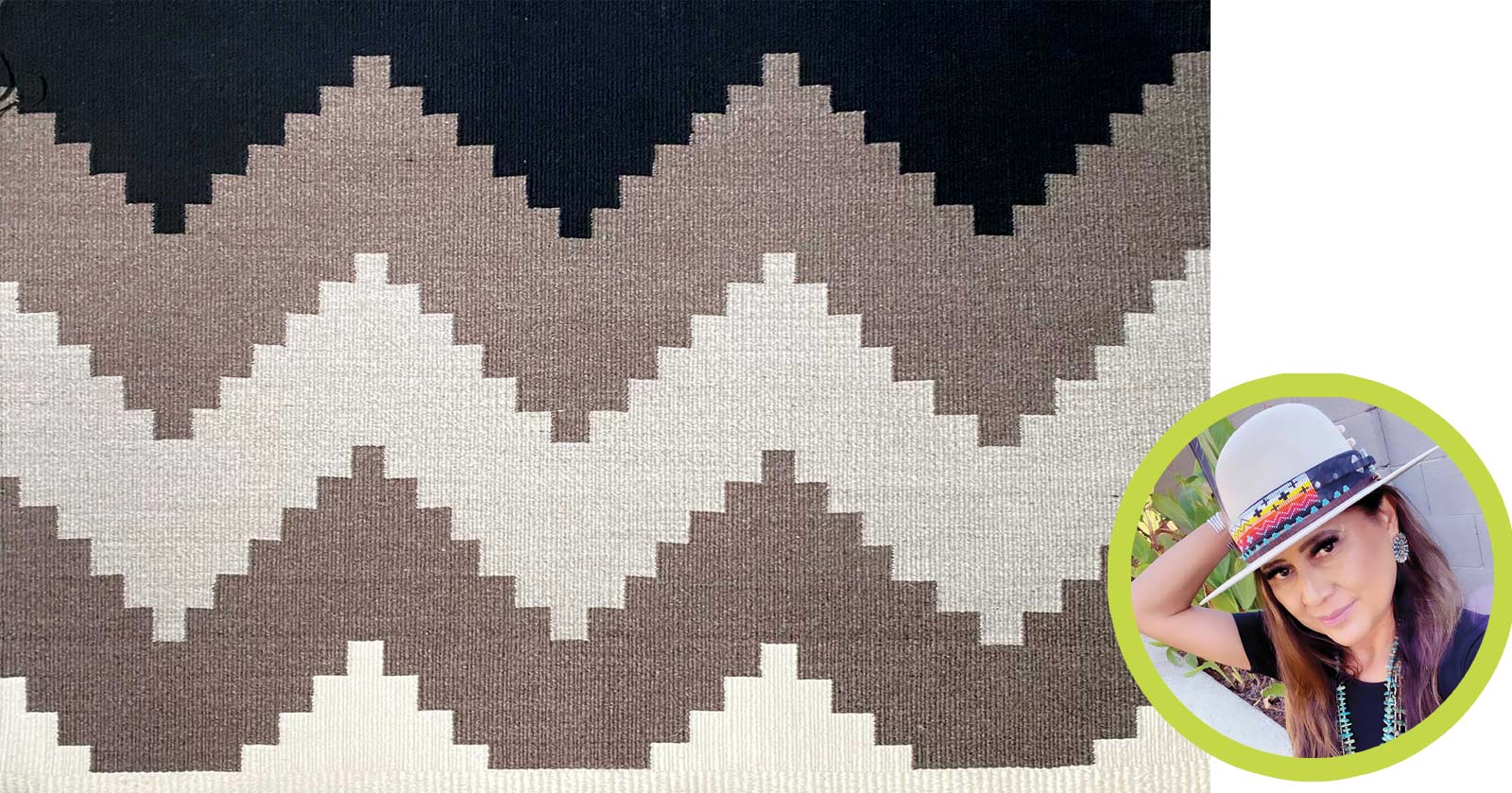
Gloria Fain (Navajo)
www.gloriajeantextiles.com
“Of all the art forms, Navajo weaving encompasses the four pillars of well-being: spiritual, mental, social and physical,” explains Fain. “It’s therefore classified as ‘Beauty Way,’ hence considered sacred.” Fain feels it’s an honor to continue to learn and teach the craft of weaving, and her dedication and passion is illustrated in the piece pictured here.
<<<<<<<<<<<<<<<<<<< • >>>>>>>>>>>>>>>>>>>>>>
Diverse Arts
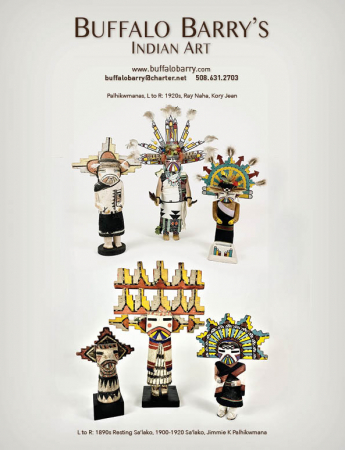
The diverse arts category is best described as a full array of materials, styles and techniques—hence the name “diverse.” The classification includes personal attire and accessories, as well as dolls and figurative objects. Then there are also functional objects, such as weapons, cradleboards, boxes and other vessels, shields, furniture, lamps, musical instruments, bullroarers, beaded bottles and other objects. These items can be both traditional and decorative, and also inspired by tradition—for example, bags, pipes, hide paintings, parfleche items, tabletas, masks and sandpaintings. This rich category is always a fan favorite at the market.
Artists to Look For
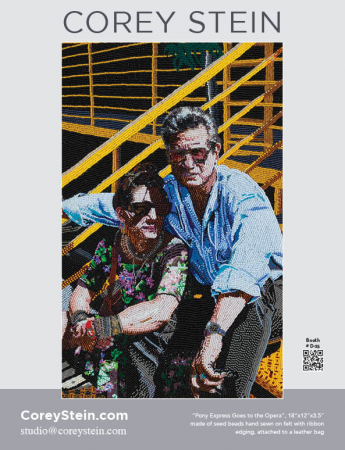
Jackie Larson Bread (Blackfeet), Joe Cajero Sr. (Jemez), Alexa Rae Day (Anishinabe), Teri Greeves (Kiowa), Jessa Rae Growing Thunder (Assiniboine/Sioux), Juanita Growing Thunder (Fort Peck Assiniboine/Sioux), Yonavea Hawkins (Caddo Nation), Dallin Maybee (Northern Arapaho/Seneca), Glenda McKay (Athabascan-Cook Inlet Region), Beverly Bear King Moran (Standing Rock Sioux Tribe), Elias Not Afraid (Apsaalooke (Crow)), Corey Stein (Tlingit), JT Willie (Navajo)
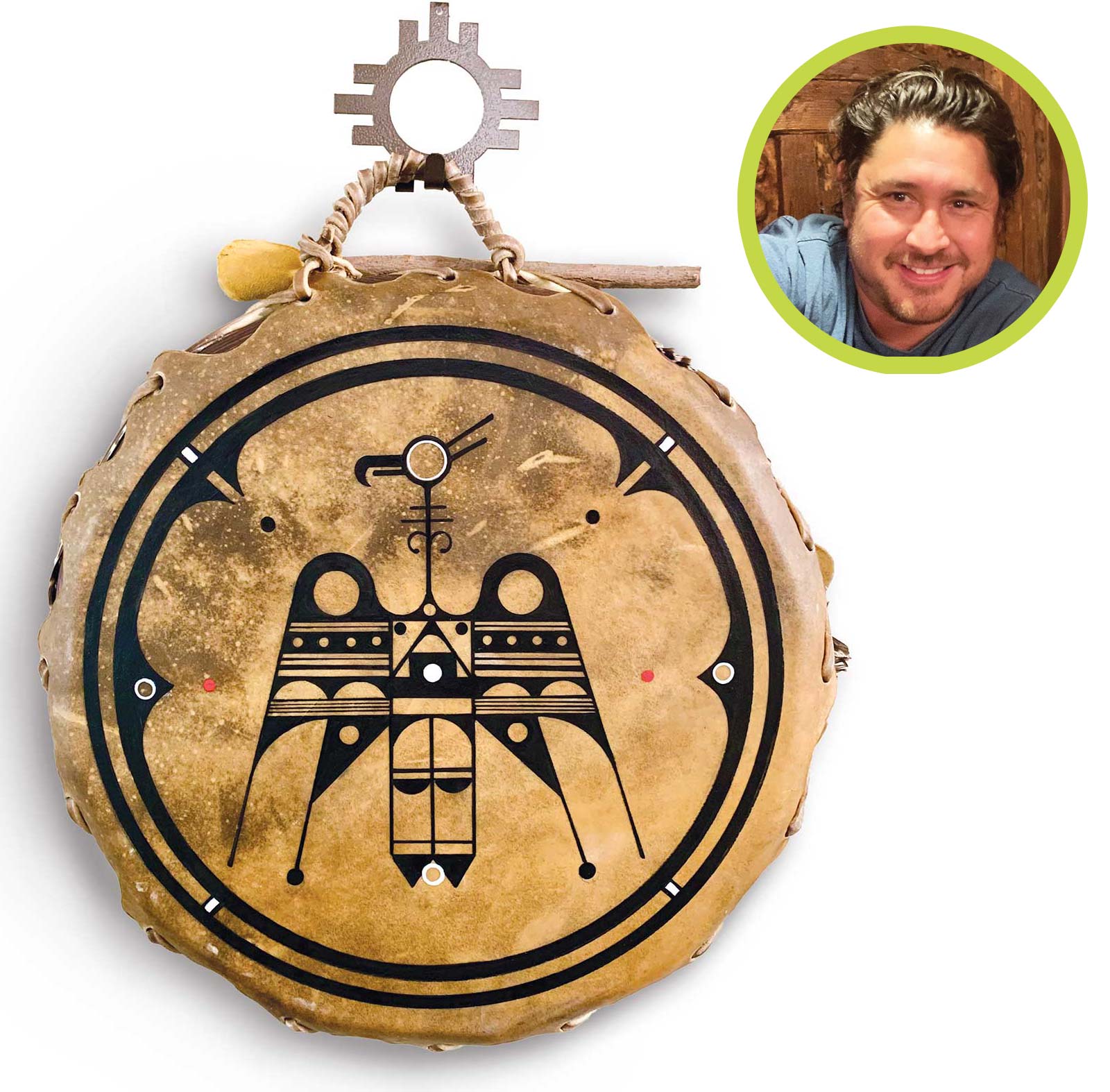
Sean Rising Sun Flanagan (Taos/Tiwa)
www.risingsunflanagan.com
Known for his large metal sculptures, Sean Rising Sun Flanagan has also made a name for himself with his impressive hide drums. “Being an artist from the Taos Pueblo in Northern New Mexico, I draw inspiration from the traditional images of my Native roots. My drums are traditionally made from elk and buffalo hides and are painted with designs that unite my deep tradition with the contemporary world,” he says. “My stylized sculptures and design motifs are created in the hope of integrating form and color in a strong and vibrant balance resulting in images that are geometrical and organic at the same time.”
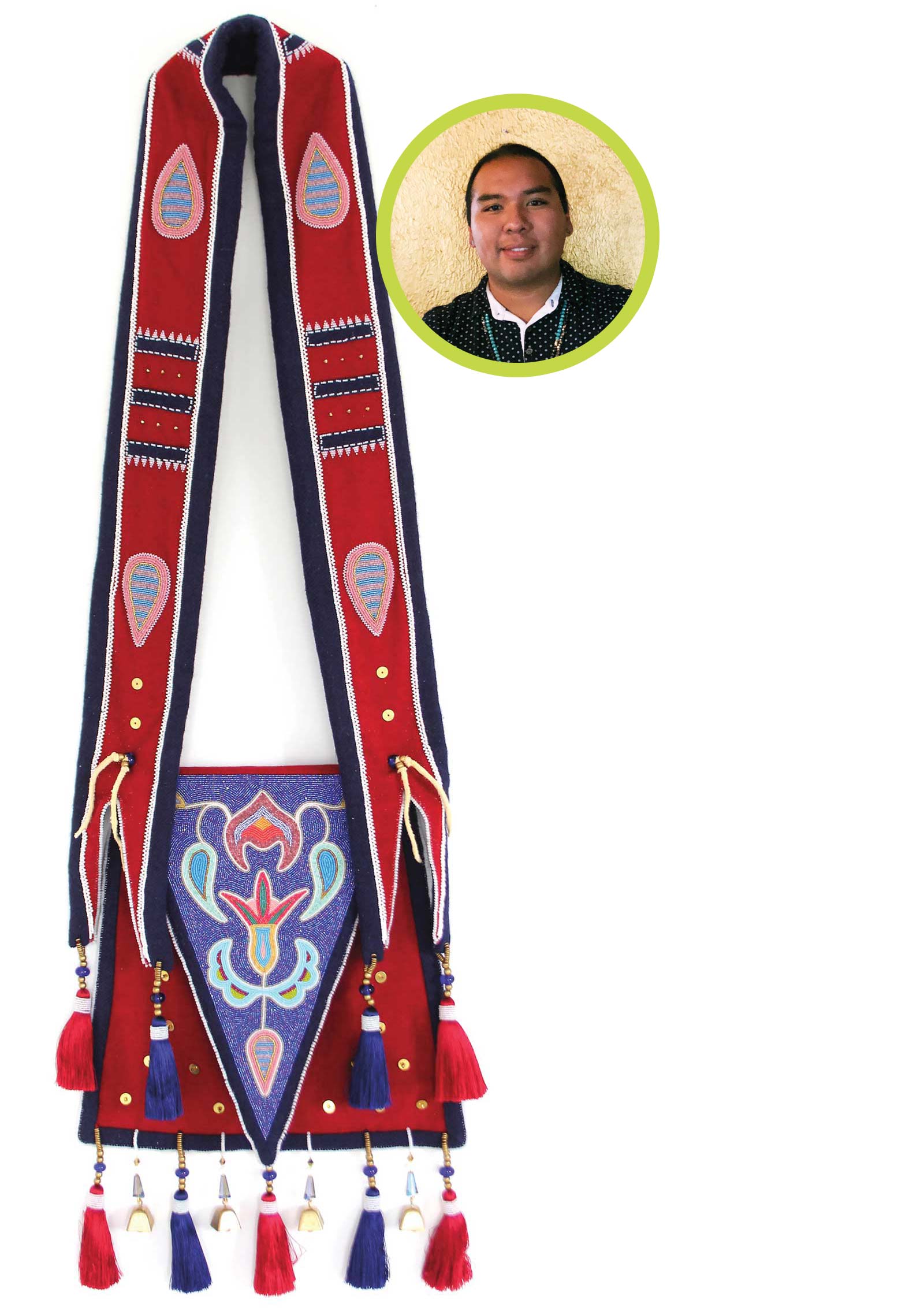
Hollis Chitto (Mississippi Choctaw/Laguna/Isleta)
www.instagram.com/hchitto
Like many artists struggling to make sense of the past two years, Hollis Chitto has found solace in his studio. “This past year was all over the place for me creatively,” he says.
“I came out of 2020 with a few larger pieces about 80 percent finished each, and a lot of smaller works in storage as I finished them. This year I started finishing new work and finding my beading groove again. I’m excited to show the new directions my beadwork is taking. It feels very good to finish new pieces that continue my style trajectory.” New works at the market will include several colorful bags with intricate designs.
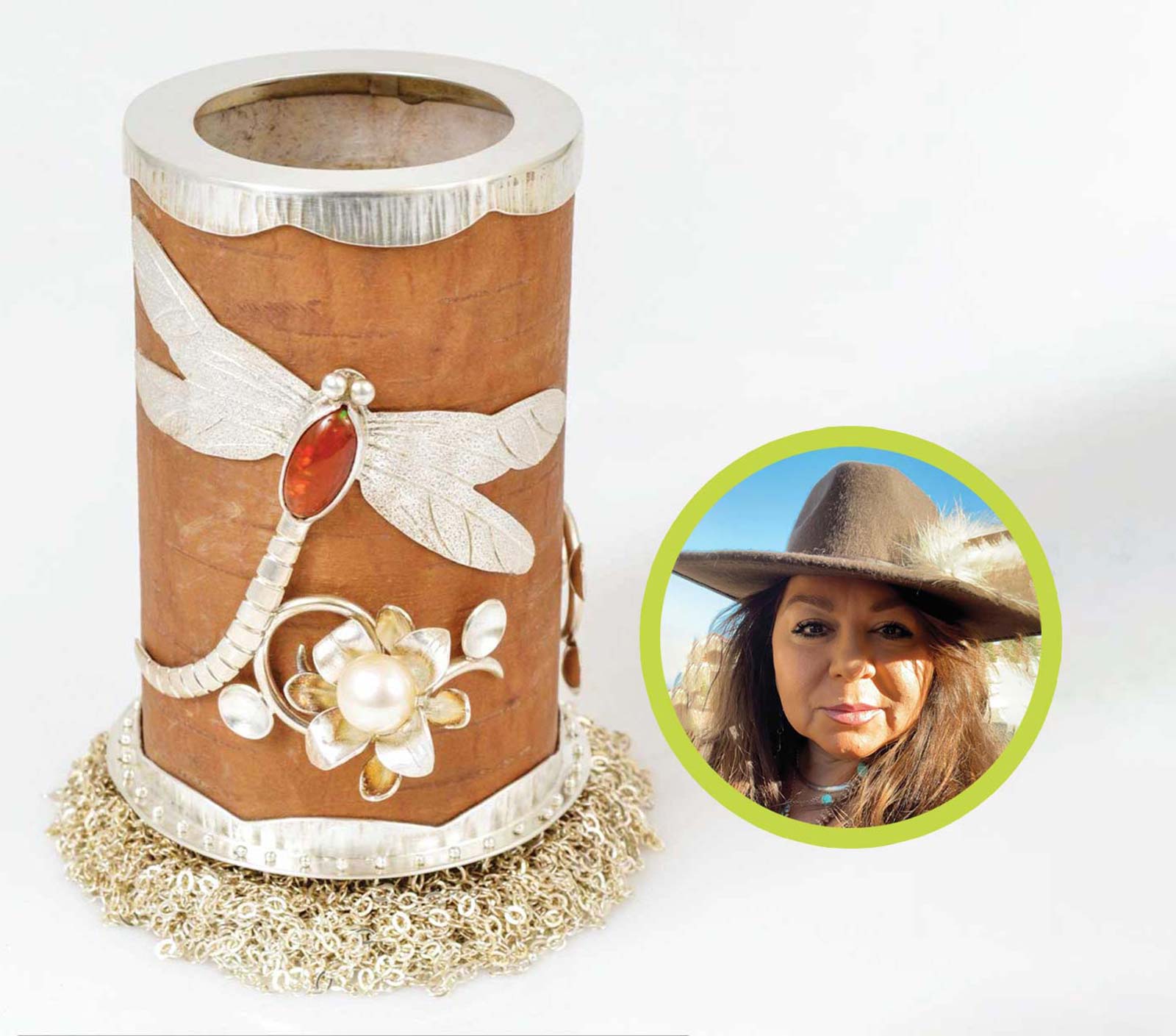
Wanesia Spry Misquadace (Minnesota Lake Superior Chippewa)
Wanesia Spry Misquadace’s work blends many elements, from fashion and jewelry to more organic materials. “My work reconnects me to a time and place of my memories that hold resilience and perseverance to my spirituality and the beyond,” she says. “Constantly challenging the values of preciousness, the connections to Mother Earth, Native displacement, every child matters, our great water protectors and keepers of the seeds…Material is everything, land rights to self-determination, it is the body, it is the spirit, it is the adornment—one cannot exist without the other.”
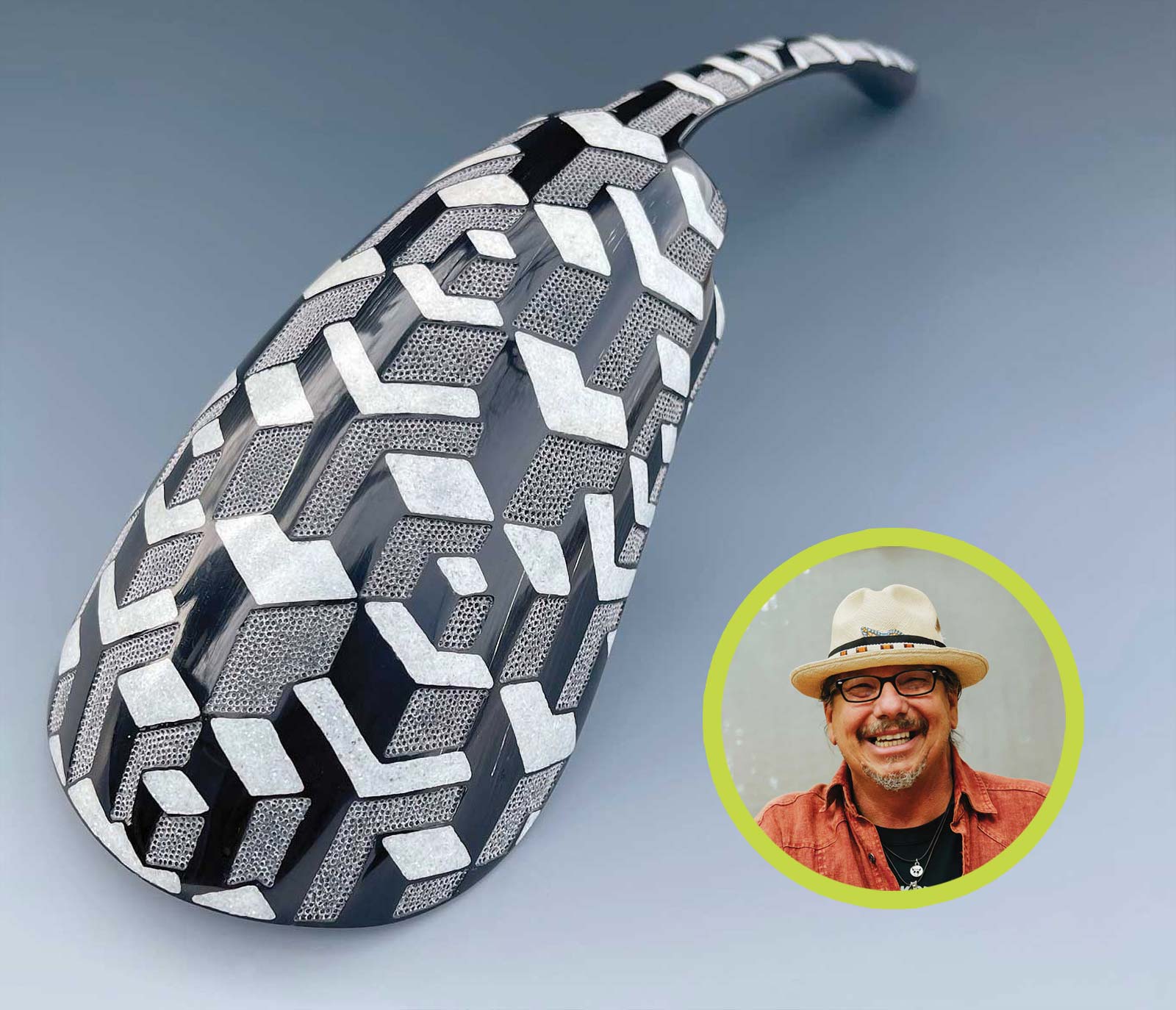
Kevin Pourier (Oglala/Lakota)
www.kevinpourier.com
Award-winning artist Kevin Pourier is one of the veteran artists within this category, and his work has won multiple best-of-show awards. “I am the only artist in the country who works solely with buffalo horn,” he says. “I’ve been working with this beautiful material for 30 years now. When I work with the horn caps I feel directly connected to my Lakota ancestors knowing that they also held them, worked them and made beautiful items out of them to be used by themselves or loved ones. This medium has empowered me to tell my own stories as a Lakota living in the 21st century.”
<<<<<<<<<<<<<<<<<<< • >>>>>>>>>>>>>>>>>>>>>>
Basketry
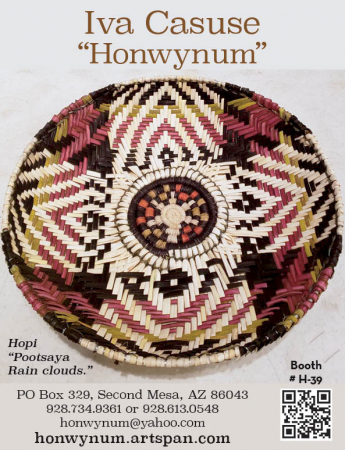
The many Indigenous tribes of the United States, from coast to coast, began harnessing their natural surroundings thousands of years ago to create functional baskets. Over time, these baskets became more than just vessels to hold items such as tools, water or food; they became works of art that incorporated storytelling and elaborate technique. Native American artists now gather at the Heard Museum’s Indian Fair and Market every year to display their traditional and contemporary basket designs, honoring their ancestors who passed down the knowledge of basket making, while also applying their own creative vision through bold color, shape and form.
Artists to Look For
Jessica Lomatewama (Hopi), Jason K. Brown (Penobscot), Iva Honyestewa (Hopi/Navajo), Darlene James (Kashia Band of Pomo Indians), Kathryn Kooyahoema (Hopi), Kelsey Kayquoptewa (Hopi), Alicia Nelson (Navajo), Alberta Selina (Hopi), Leona Romero (Tohono O’odham), Theresa Secord (Penobscot Nation)
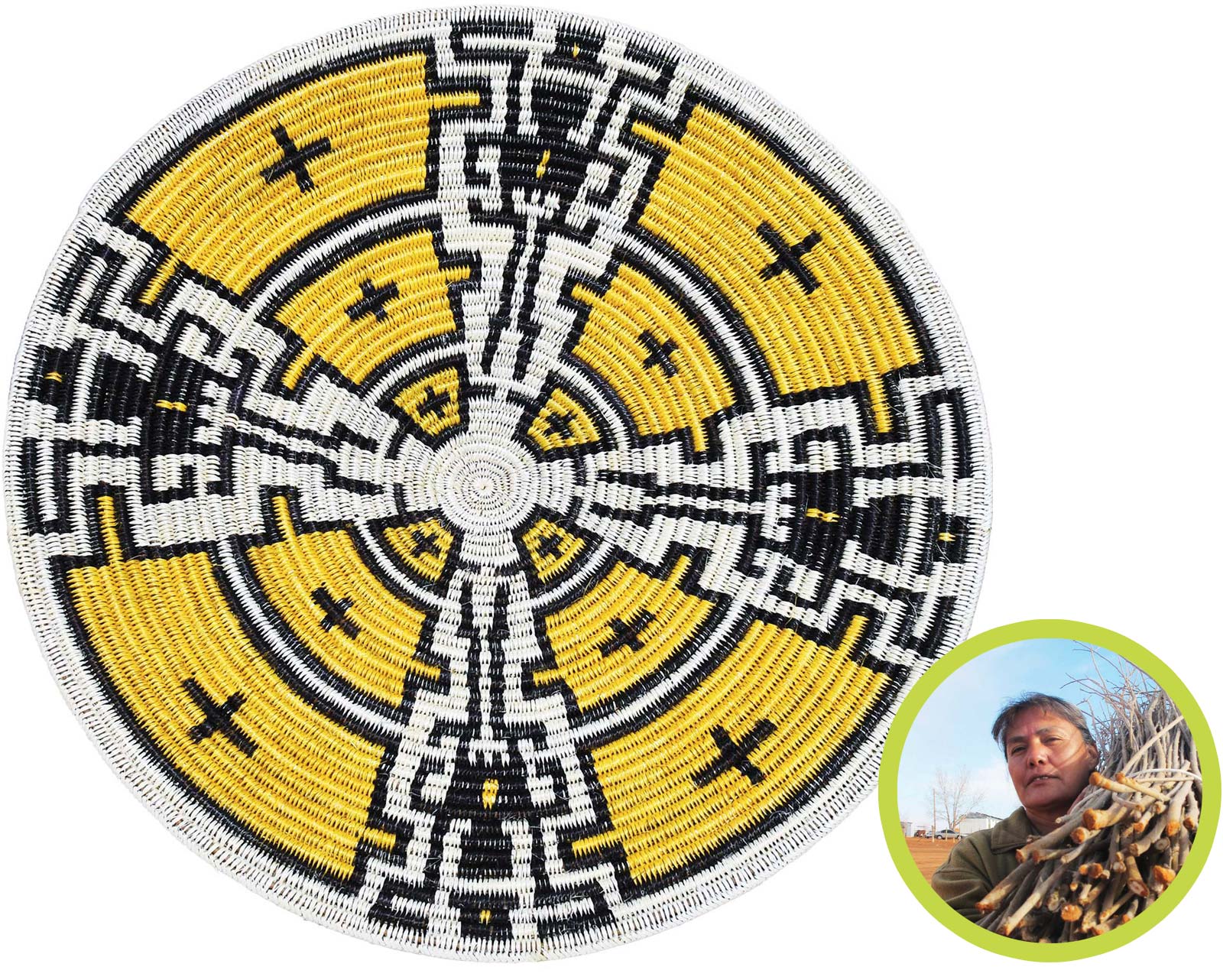
Sally Black (Navajo)
Black has been making baskets for more than 50 years, and the first basket she ever made was the water jug. “It came out with a lot of personality,” she says, “but what do you expect when you’re learning something new?” She couldn’t get the shape to look right but over time, and with plenty of practice, she has mastered the process. Black now lives and makes her baskets from her home in Monument Valley and she travels to all the big Native American art fairs around the Four Corners and beyond to sell and demonstrate her baskets.
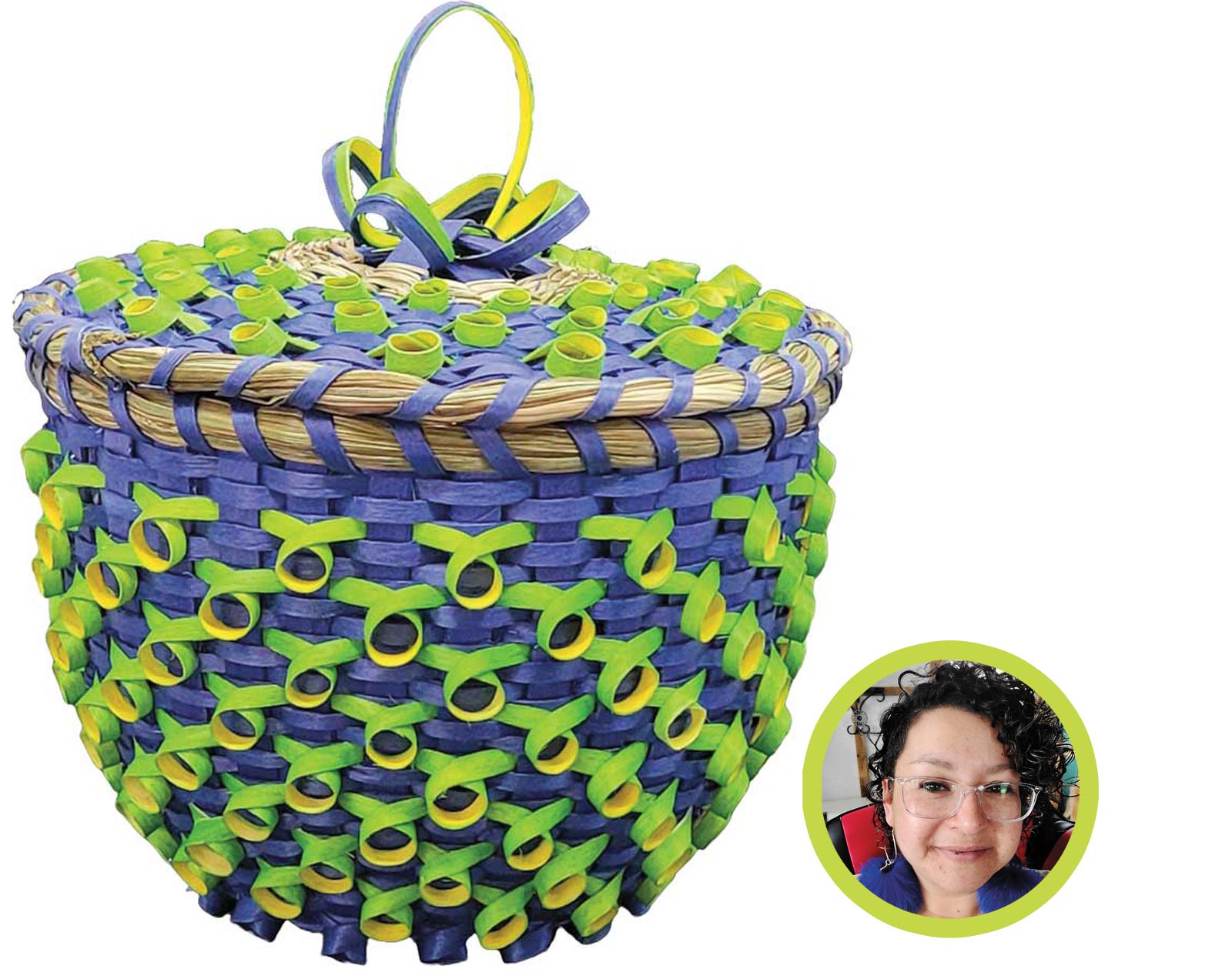
Carrie Hill (St. Regis Mohawk)
www.chill-baskets.com
Artist Carrie Hill has been creating and weaving black ash and sweetgrass creations for the past 15 years and is very honored to be attending the 64th annual Heard Museum Guild Indian Fair & Market. “Black Ash and sweetgrass basketry have been generations deep in my family and I am proud to continue the tradition,” says Hill. “I feel as though I am constantly surrounded by inspiration in the natural world and in daily life and look forward to sharing my creations.”
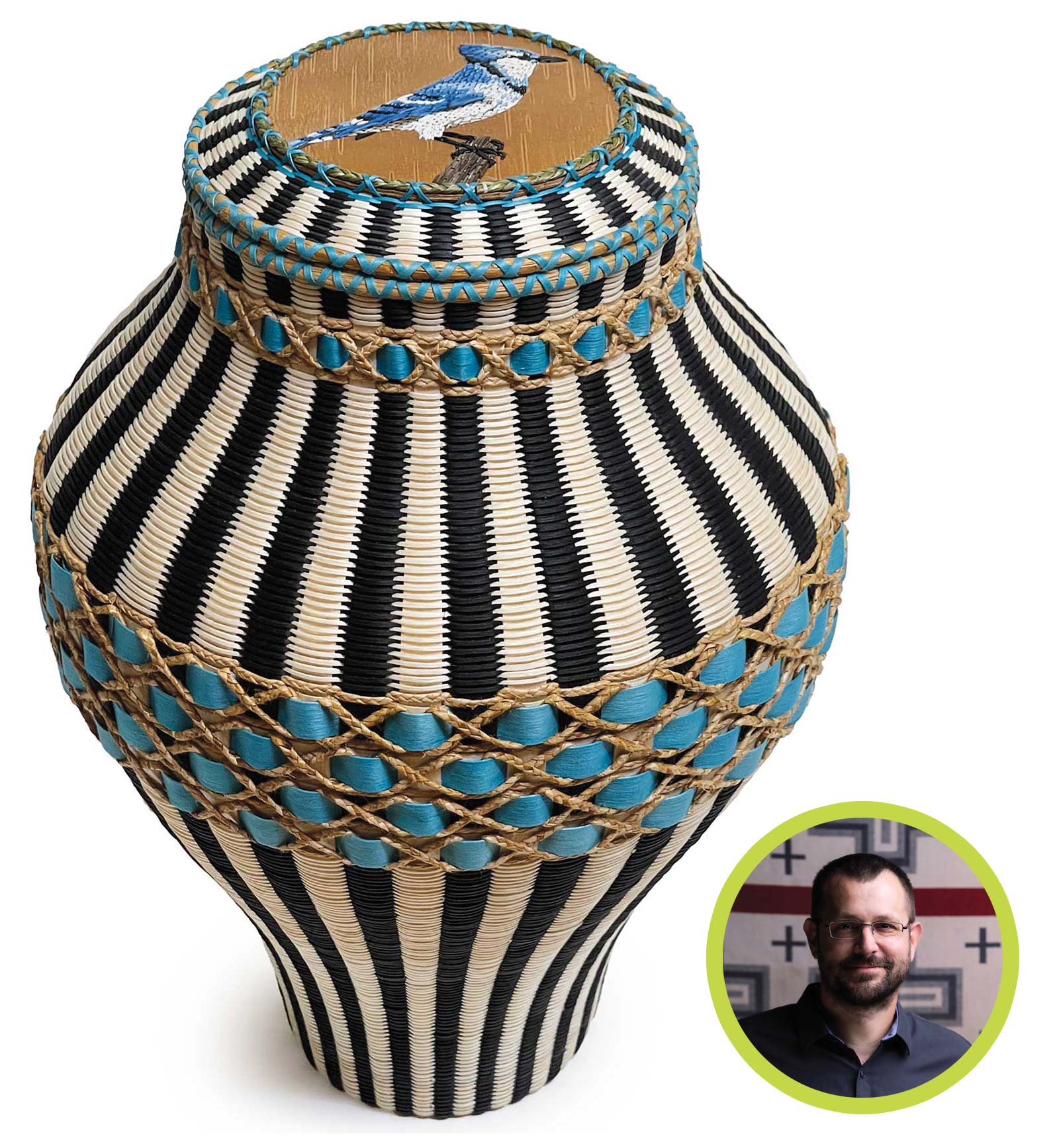
Jeremy Frey (Passamaquoddy)
www.jeremyfreybaskets.com
Jeremy Frey’s baskets are contemporary versions of the addition Wabanaki ash baskets. He’s spent the better part of his life reinventing and reinterpreting what a basket can be. “I tend to play with form a lot when I’m designing a new piece,” he says. “Through the years, I’ve always tried to challenge myself to make something I’ve never made before...” The artist has also been incorporating different materials into his baskets: porcupine quills, cedarbark and birchbark, to name a few.
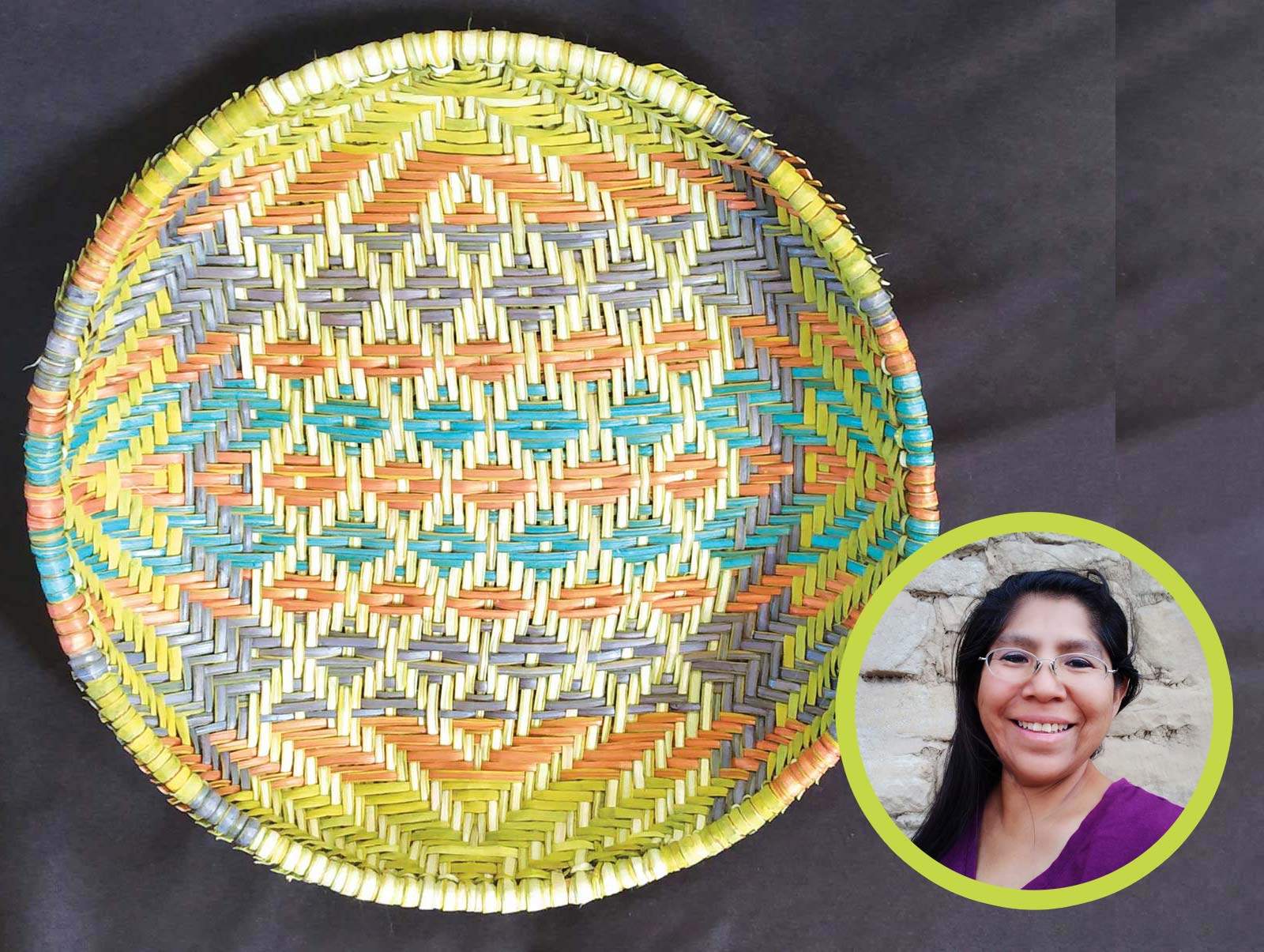
Marvene Dawahoya (Tewa/Hopi)
“I was taught how to make sifter baskets by my stepmother about three years ago,” Marvene Dawahoya notes. I was taught on a metal ring frame and my husband now makes my rings from traditional wood that were used by basket makers long ago.” Her inspiration and motivation comes from her husband continually creating unique shapes using the wood frames, which challenges the artist to perfect her work. Dawahoya also uses commercial dyes to create her vibrant, distinct colors.
<<<<<<<<<<<<<<<<<<< • >>>>>>>>>>>>>>>>>>>>>>
Personal Attire
Traditionally speaking, Native American clothing was quite varied depending on the tribal affiliation, their region and traditions. They utilized the natural surroundings of their different locations to create items like breechcloths, leggings, tunics, dresses and skirts. More ceremonial attire or regalia, such as the elaborate and deeply meaningful headdress, were worn by high-ranking individuals of the Great Plains tribes. Today, Native American artists and makers continue their traditions but often incorporate a contemporary feel in their pieces. Personal attire artists gather at the Heard Museum’s Indian Fair & Market to feature their one-of-a- kind, significant creations.
Artists to Look For
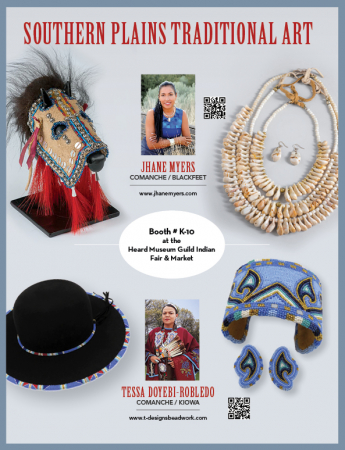
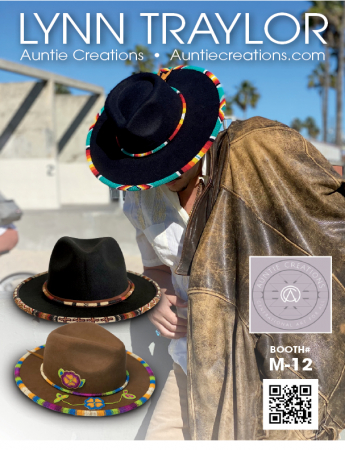
Lane Jensen (Navajo), Melissa Lewis-Barnes (Navajo), Susan Hudson (Navajo), Carrie McCleary (Little Shell Chippewa), Jhane Myers (Comanche/Blackfeet), Jamie Okuma (Luiseno/Shoshone/Bannock), Monica Raphael (Anishinaabe-Sikanju Lakota), Natasha Thompson (Mohawks of Akwesasne), Lynn Traylor (Navajo), Antonia (Toni) Williams (Northern Arapaho)
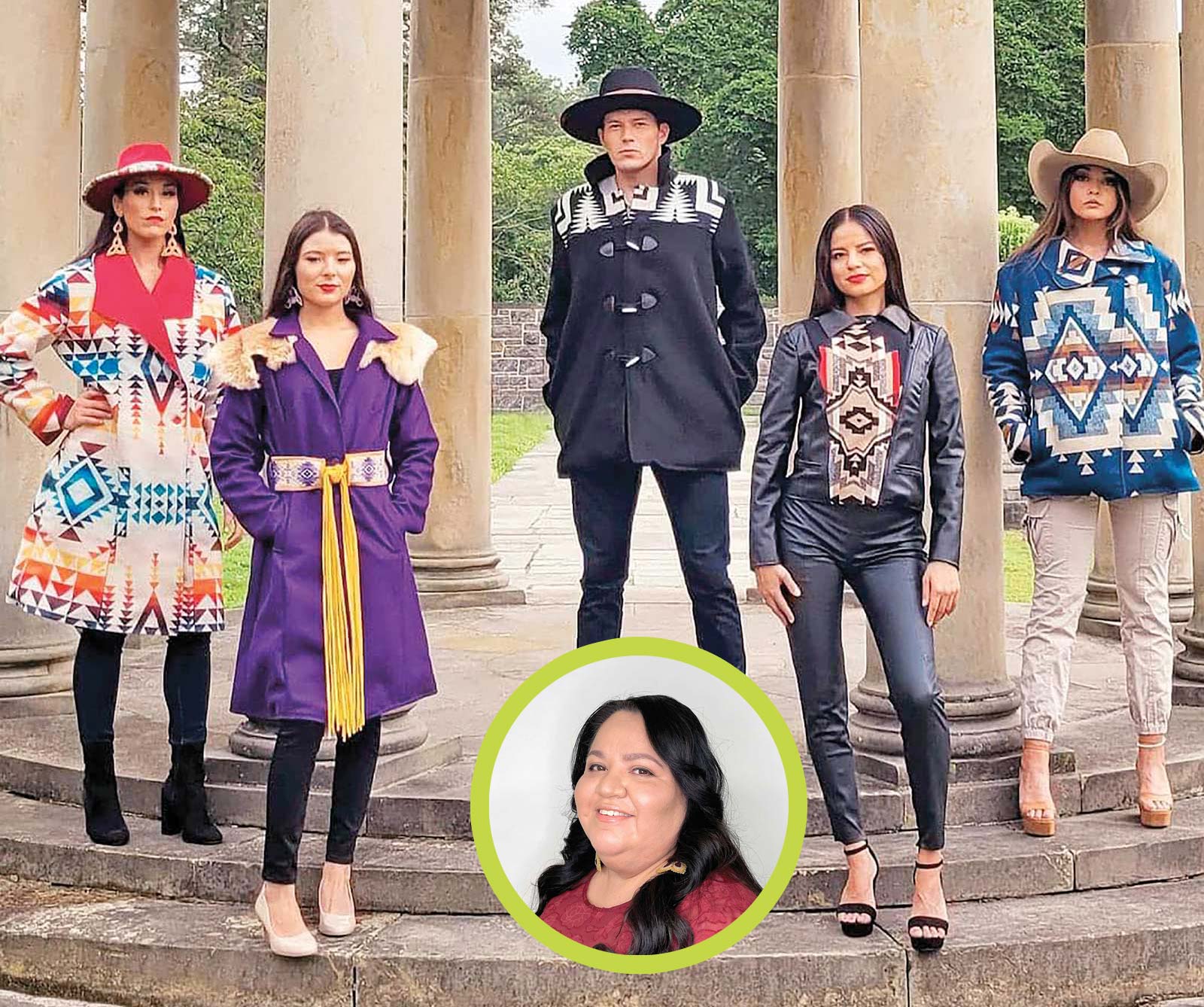
Stacey Mitchell (Mohawk)
www.mitchellsewing.com
Stacey Mitchell learned how to sew from her mother, who would make her traditional outfits when she was a child. “As I got older,” she says, “I couldn’t find what I wanted to wear, so I learned how to make it myself.” The artist likes combining traditional and modern techniques for clothing. “This allows us to showcase our Native pride in everyday life,” she says. “It’s another way to connect to our culture.”
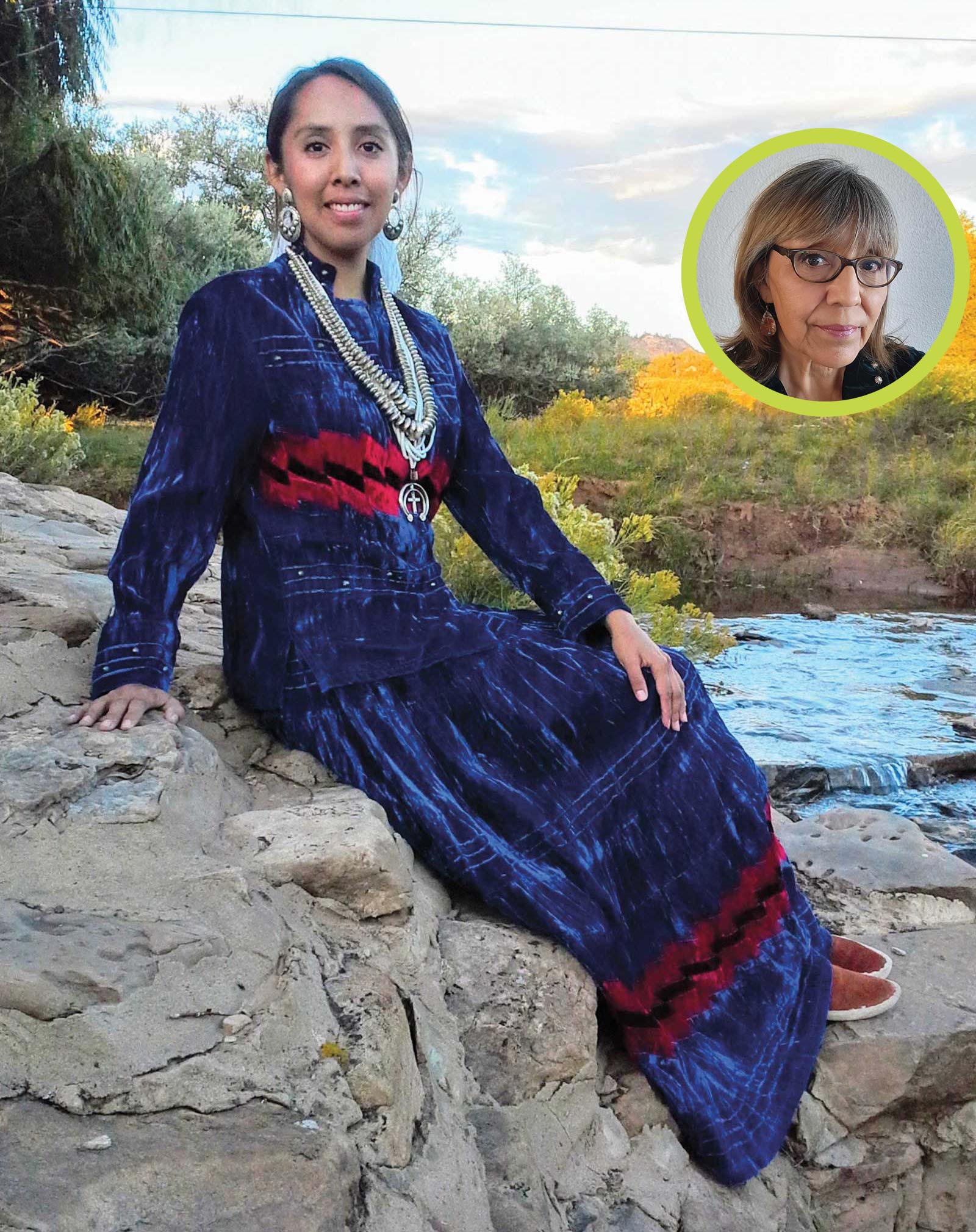
Mae Mallahan (Navajo)
“The soft velvet of my grandmother’s blouse, resplendent with silver and the timeless beauty of turquoise, stirred my young spirit so that I knew that the force of beauty inherent in stylish attire was of a singular inspiration for my appealing Navajo traditional wear,” explains Mae Mallahan. The artist’s contemporary attire reflects the beauty of the Navajo basket design... “As a designer,” she says, “I enjoy the challenge of distinctive design elements that co-mingle, thus resulting in beauty and blossoming styles that are unique to me.”
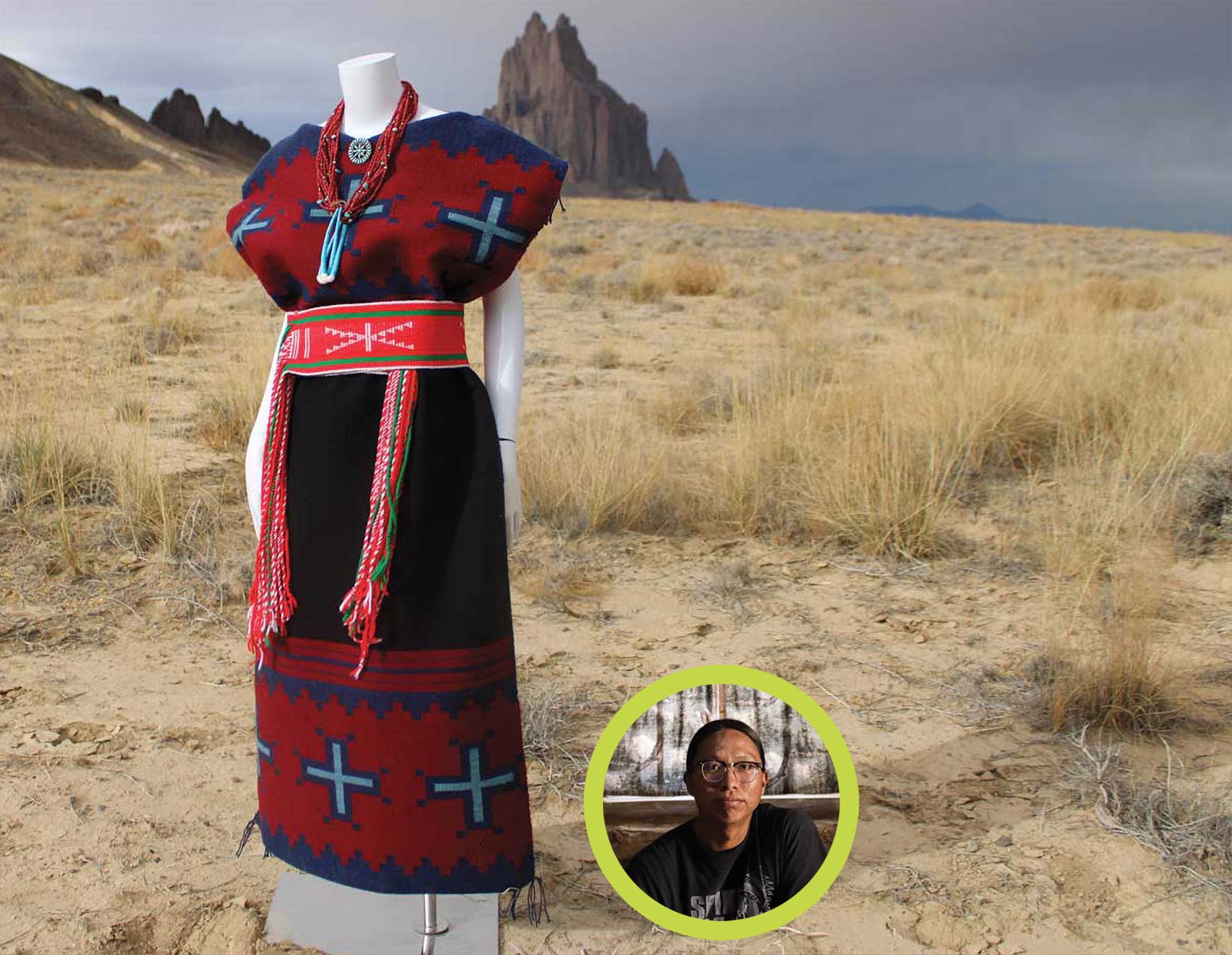
Kevin Aspaas (Navajo)
www.kevinaspaastextiles.com
There were times when Kevin Aspaas was weaving and would take a step back to look at the whole piece. “It doesn’t feel like I am the one who is doing the work,” he expresses. “My inspiration comes from the natural elements that enable us to live and thrive. The dresses that I make are what I consider ‘slow fashion,’ and while it maintains traditional elements, it has become contemporary.” The process is incredibly slow because Aspaas is essentially making two rugs that will be sewn together afterwards.
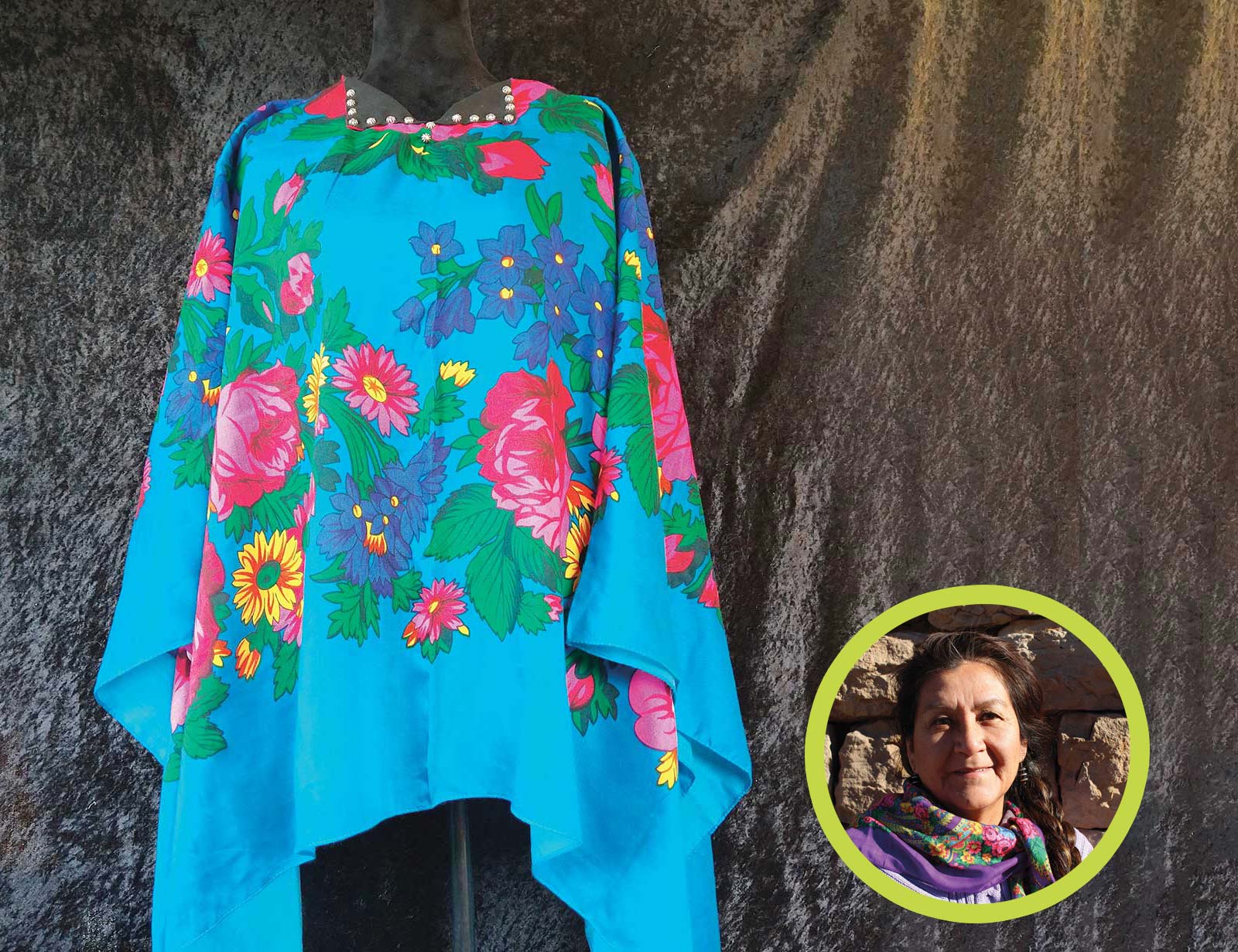
Jeanette Clah (Navajo)
“My work honors our elders who have been adorning themselves with beautiful fabrics, scarves and jewelry,” says Jeanette Clah. “Currently, I’m using rose-printed fabrics to embellish clothing, and make accessories, shawls and scarves.” Clah’s mother has always been her inspiration. She was not only an extraordinary fiber artist of her time, but she also created her own unique line of embellished clothes/wardrobe. “She would hand bead her velvet blouses and skirts,” Clah adds, “and adorn them with beadwork and silver buttons to make it her own.” Watching her while growing up, Clah was inspired to do the same with her life.—
Powered by Froala Editor