

AJAX
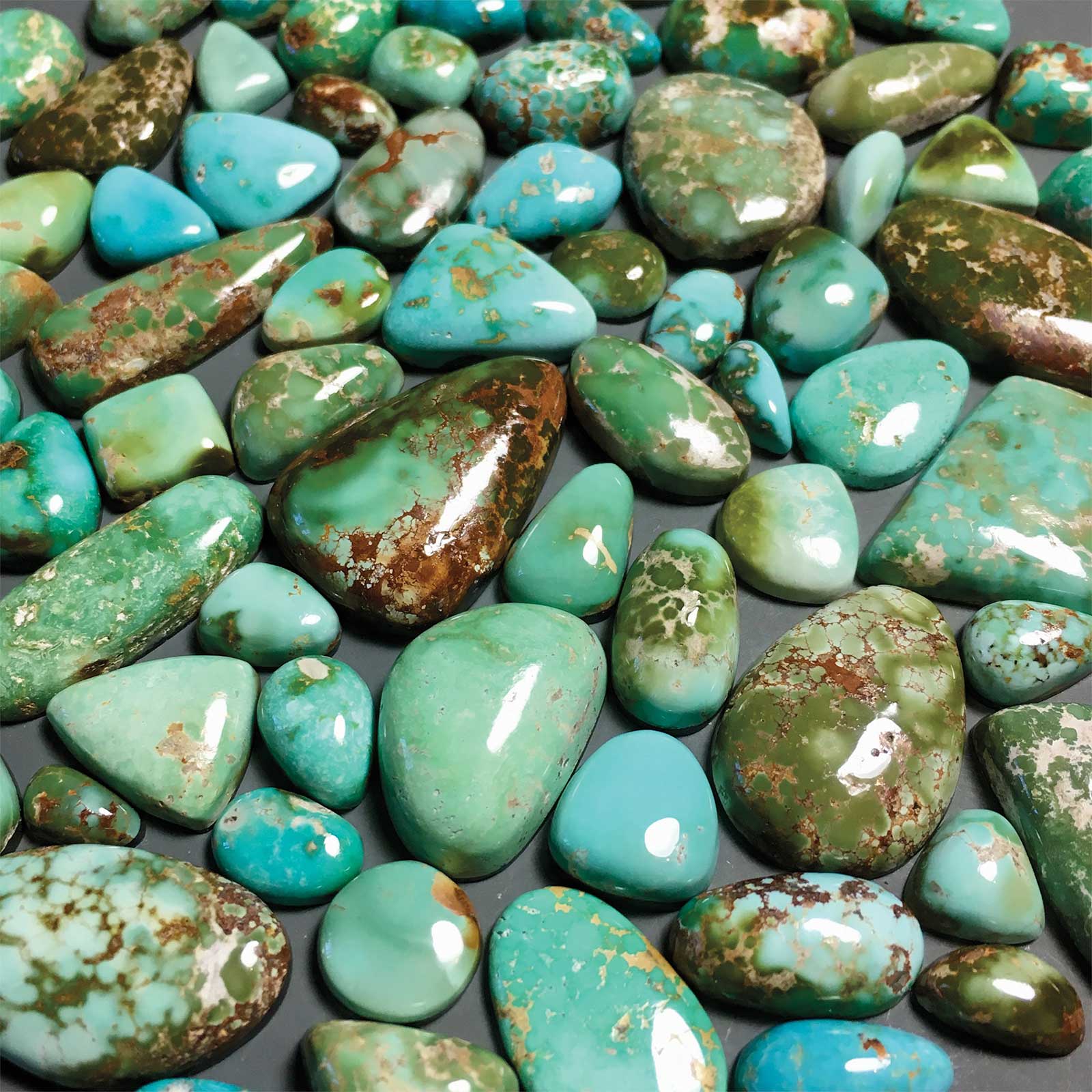
Located in Esmeralda County, Nevada, the Ajax turquoise mine produces a large variety of colors in rare blue and green colors. This small central Nevada mine is relatively new.
—————
BISBEE
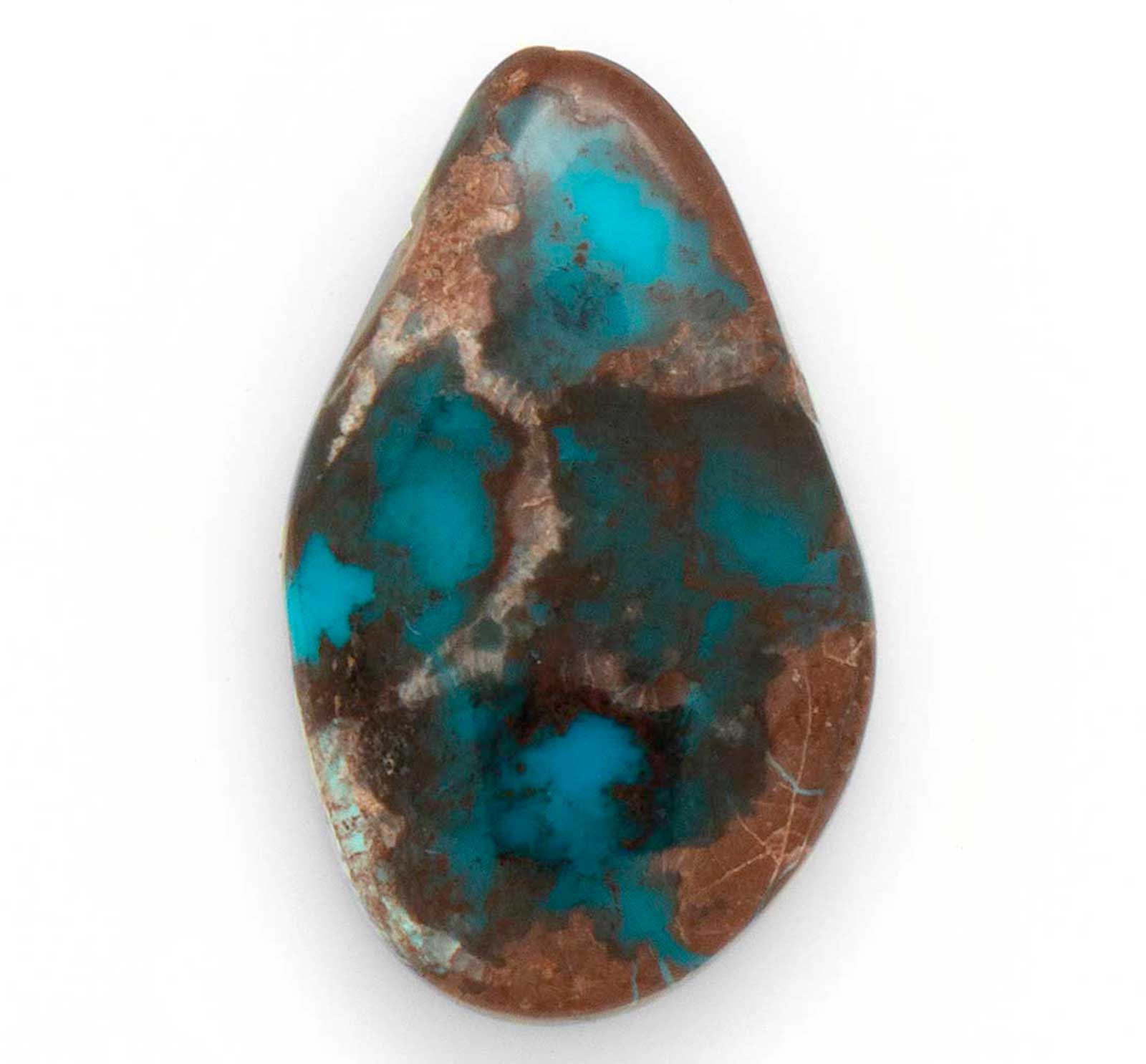
One of the classic varieties of turquoise is Bisbee, which originates from copper mines around Bisbee, Arizona. The stone is popular among artists, who are drawn to its deep colors and dark webbing. While most turquoise that comes from Bisbee can be called Bisbee, the copper mine that produced many of the great Bisbee stones is now buried.
—————
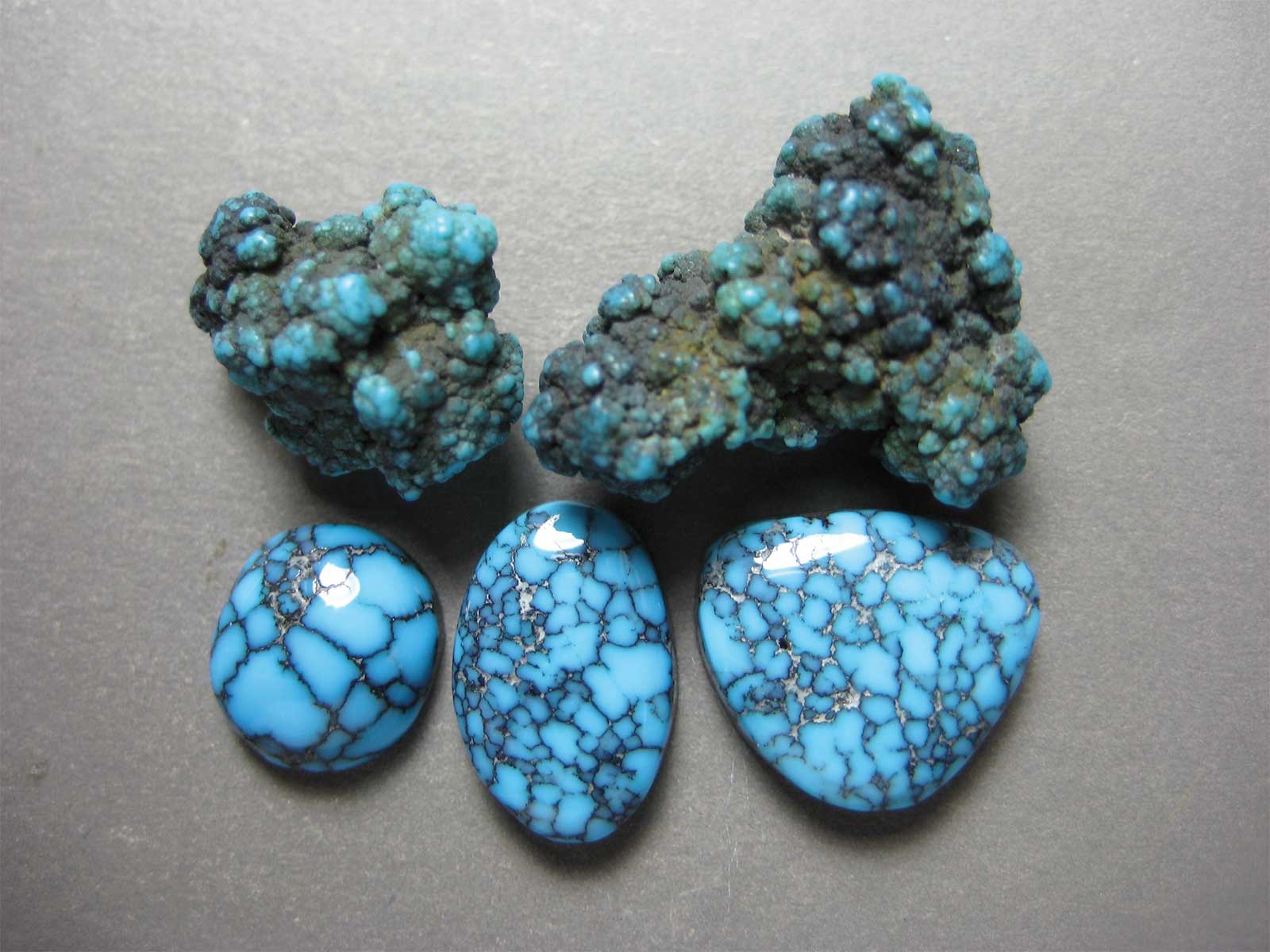
BLACK WEB
This small and active Nevada mine does not produce a lot, but what it does produce is of a high quality. The stones have been popular among artists, and the mine has already been featured in several books on turquoise.
—————
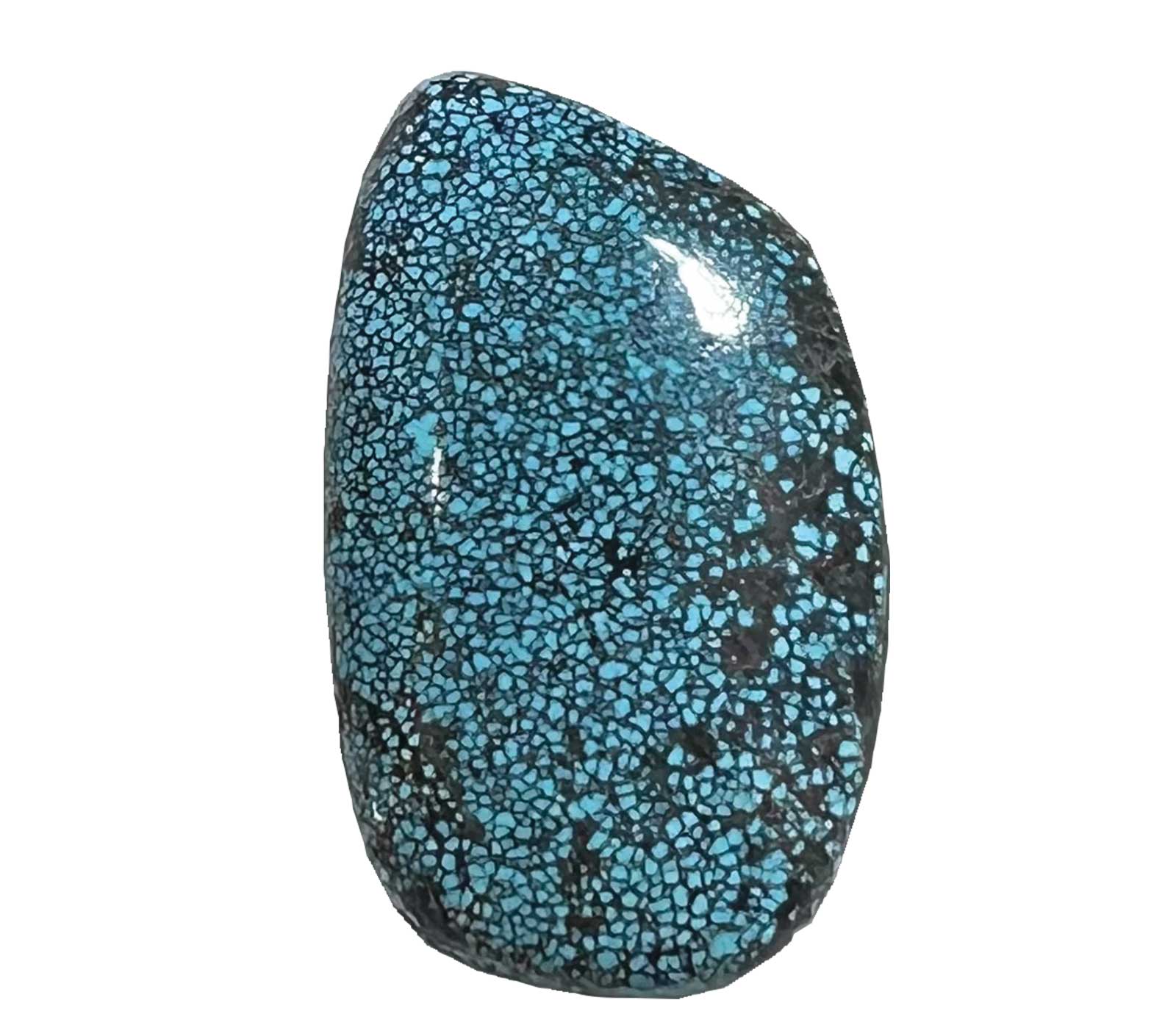
BLACK WIDOW
This Nevada mine has produced hard turquoise with both waterweb and spiderweb matrix, making it a catch for artists and collectors. It was first worked in the 1900s, and is still active today.
—————
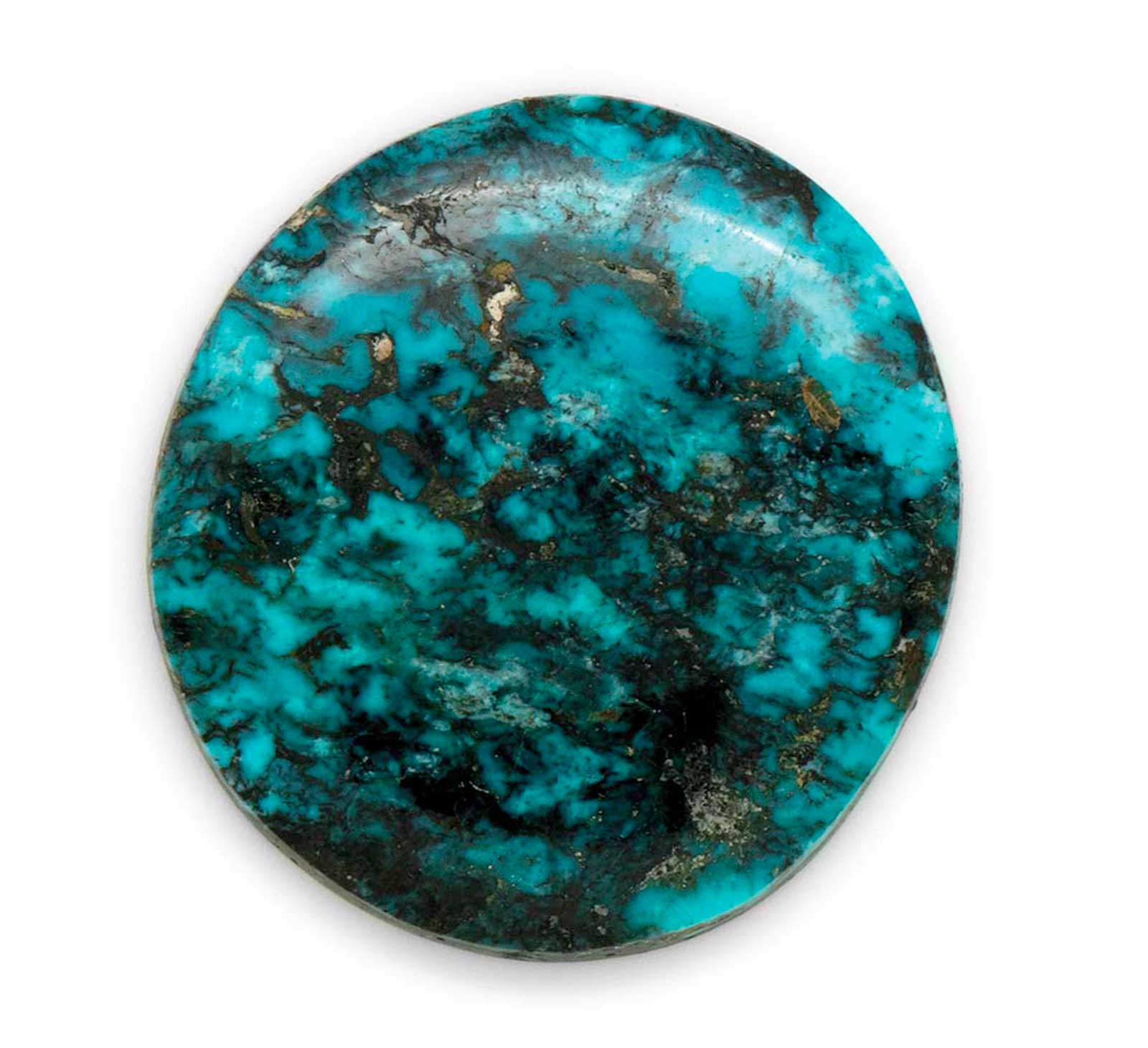
BLUE DIAMOND
First mined in the 1970s outside Austin, Nevada, Blue Diamond is known for its hardness, which is desirable among jewelers. At its peak, quality stones were being pulled regularly from the mine. It is still active.
—————
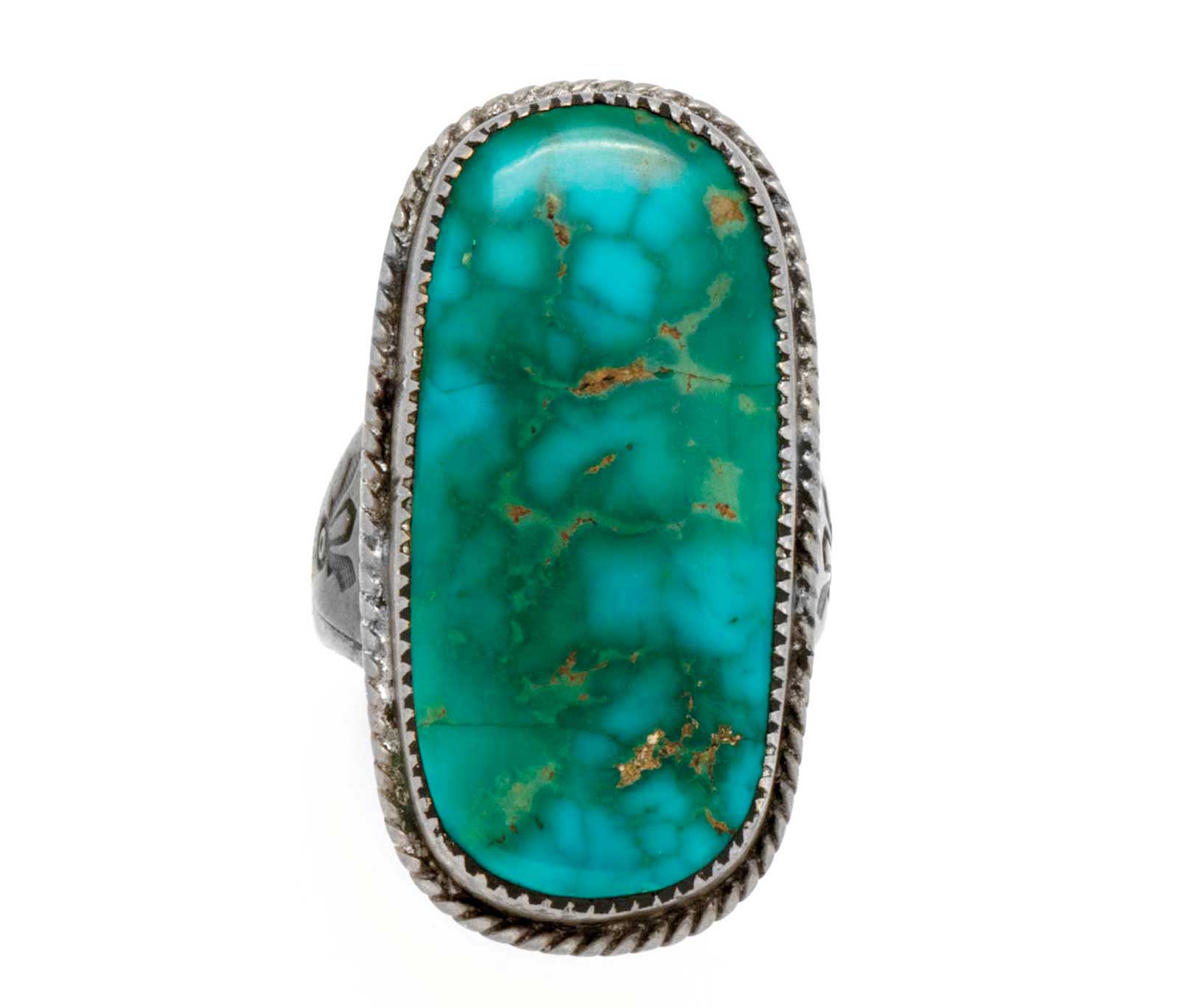
BLUE GEM
Several mines use the name Blue Gem, but the original comes from northern Nevada. The underground mine opened in 1934 and continued into the 1970s. The veins ran deep and produced excellent stones for many years.
—————
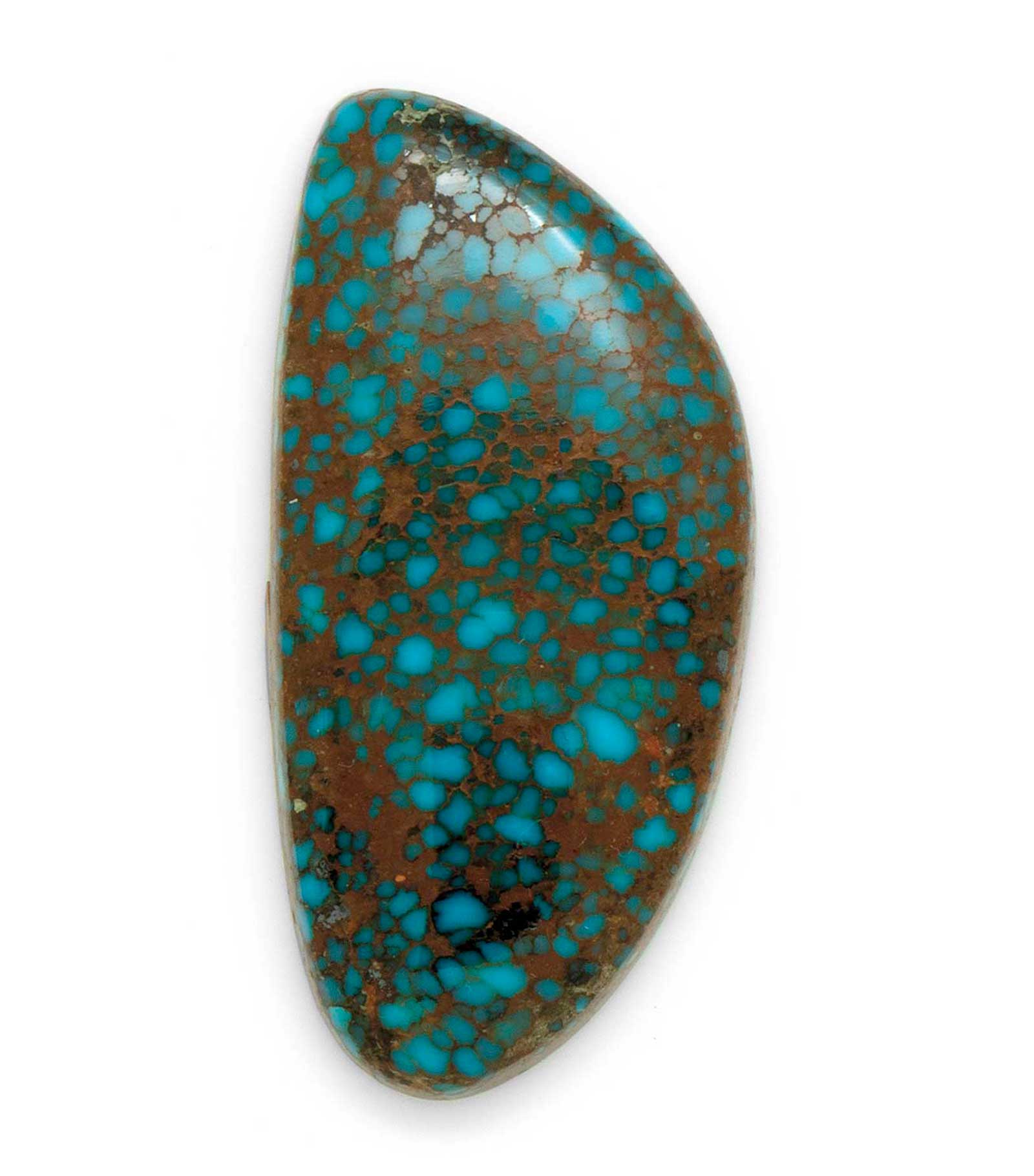
CANDELARIA
Candelaria originated in the Northern Belle silver mine in Nevada. Mining there started in 1863, and the land was picked clean within a decade. Candelaria is rare and treasured today.
—————
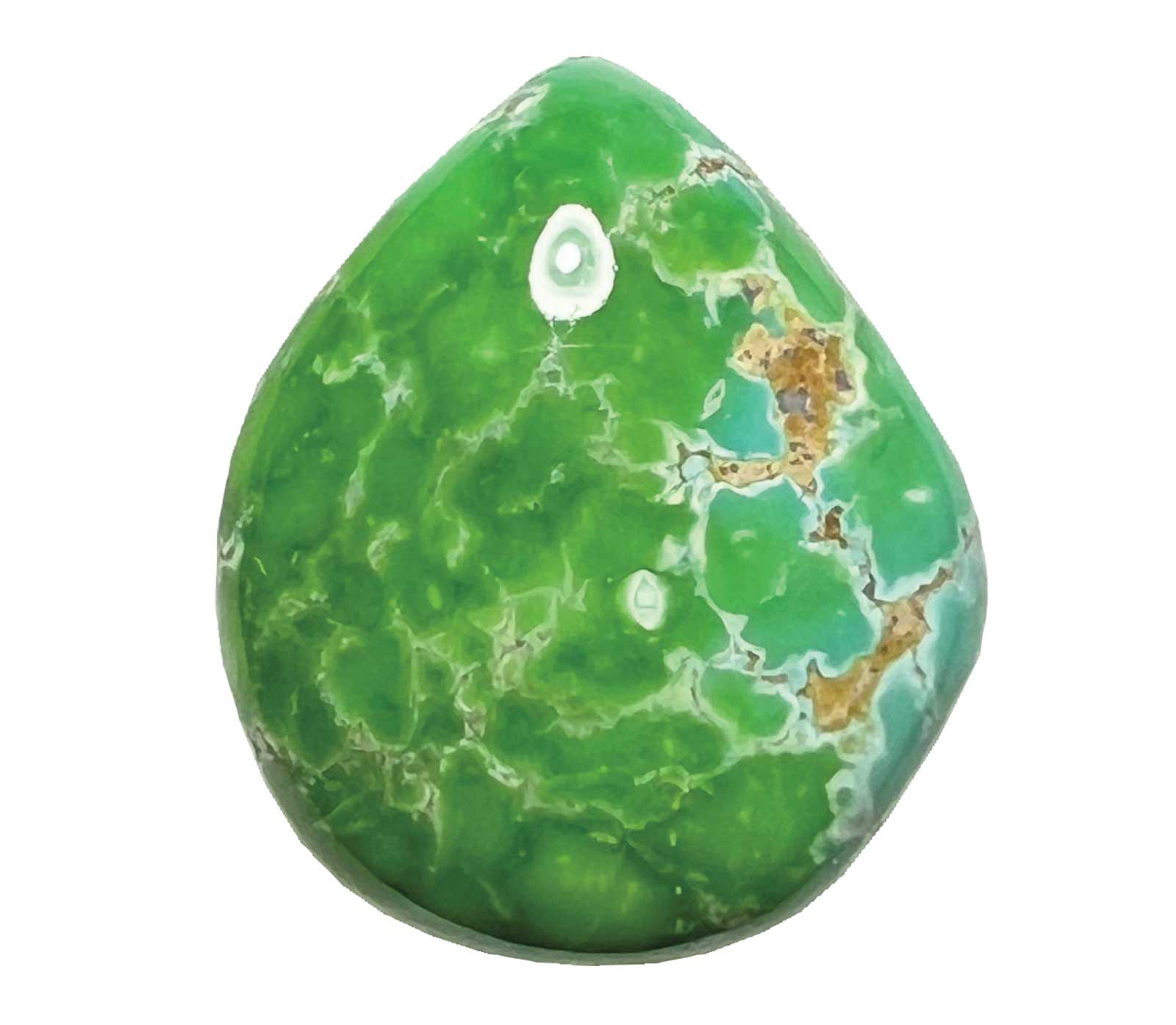
CARICO LAKE
Carico Lake, named after a nearby Nevada lake, is one of the famous green turquoise varieties. When the mine opened in the 1930s it was known for its blue stones. The mine is still open.
—————
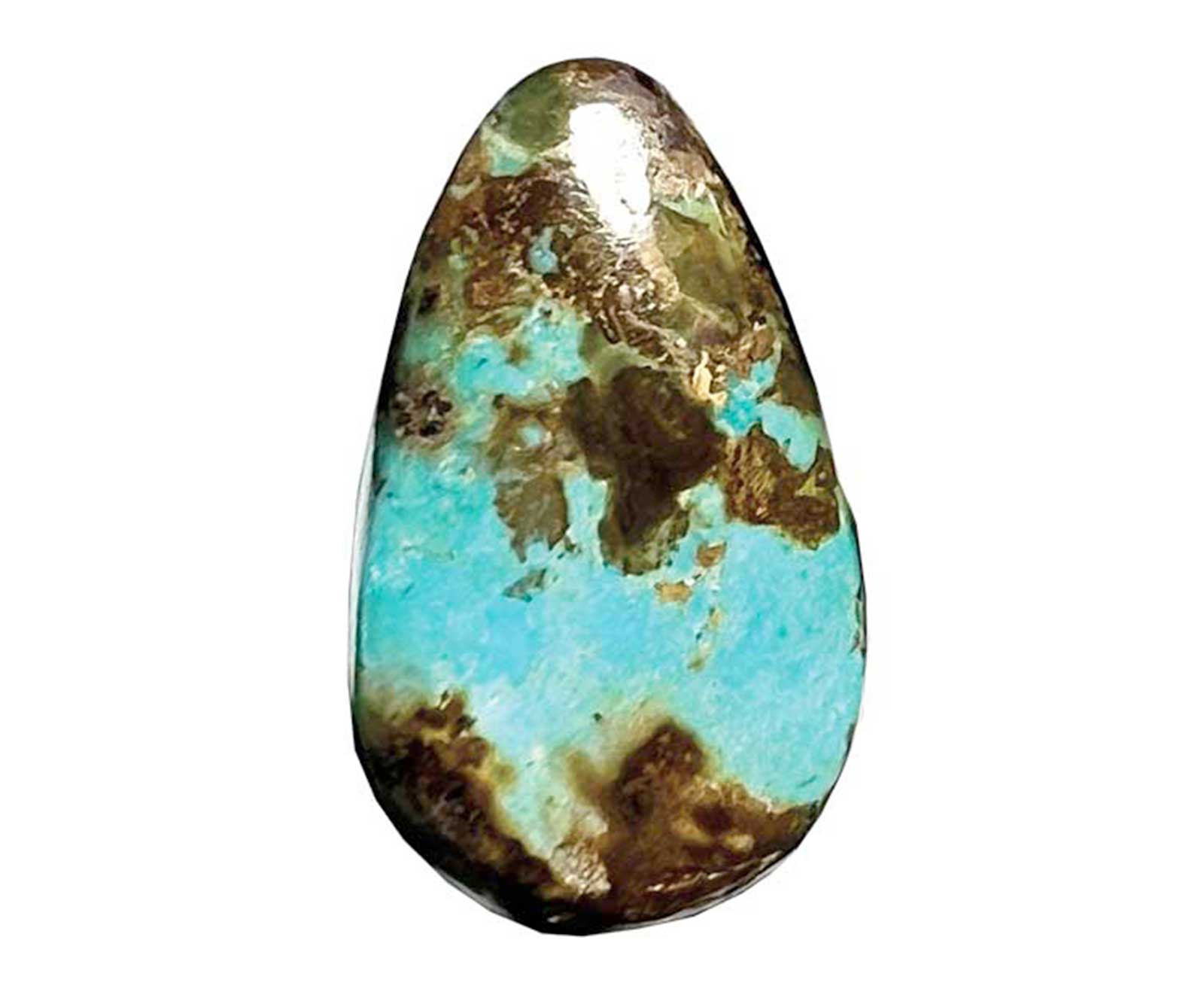
DOUBLE EAGLE
This somewhat new variety was recently discovered in Esmeralda County, Nevada, by Richard and Helen Shull, of Esmeralda Turquoise Company.
—————
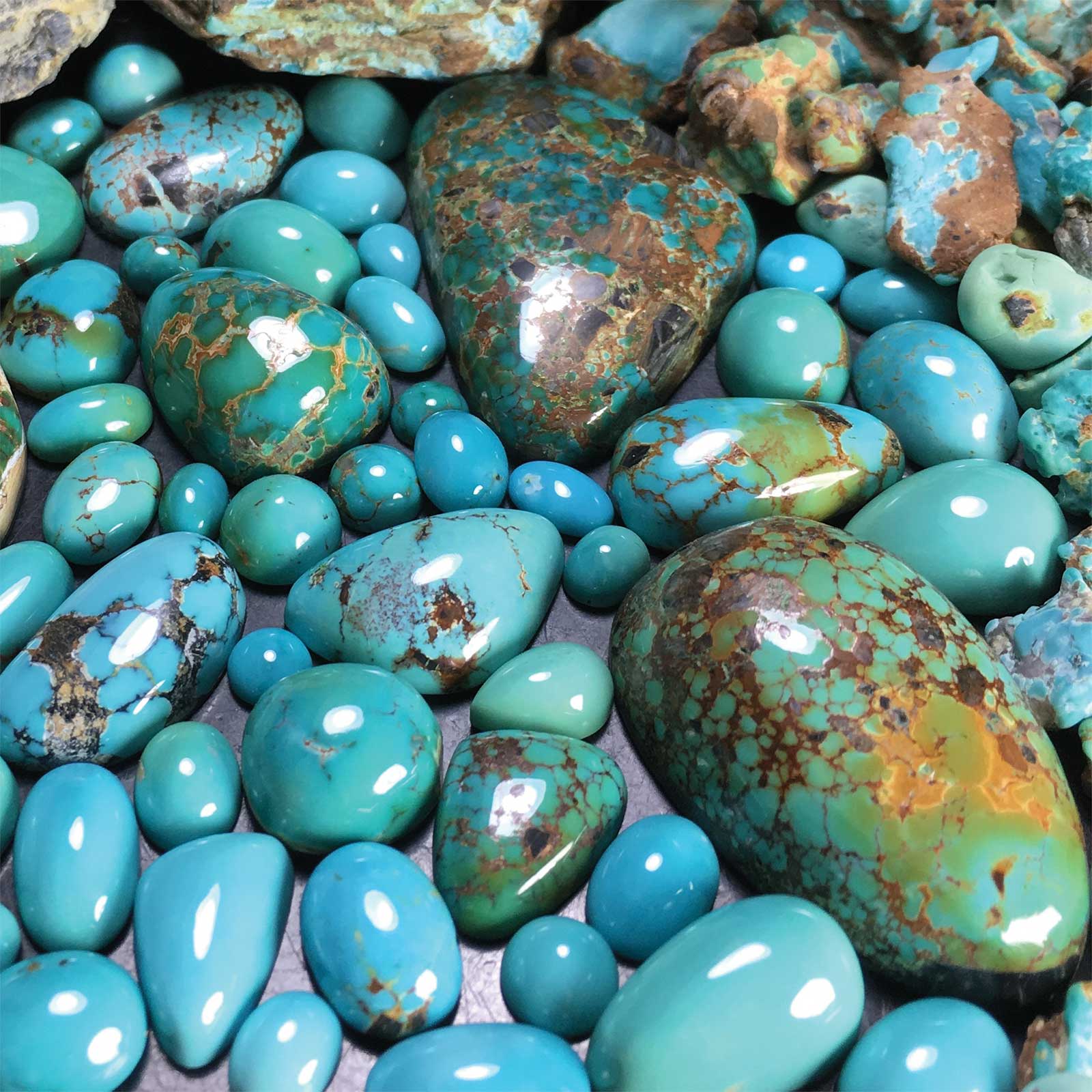
DYER BLUE
Located in the town of Dyer, Nevada, this mine was once known as the Lovely Mine due to the appealing color quality of the stones. After a period of dormancy, the mine is again active.
—————
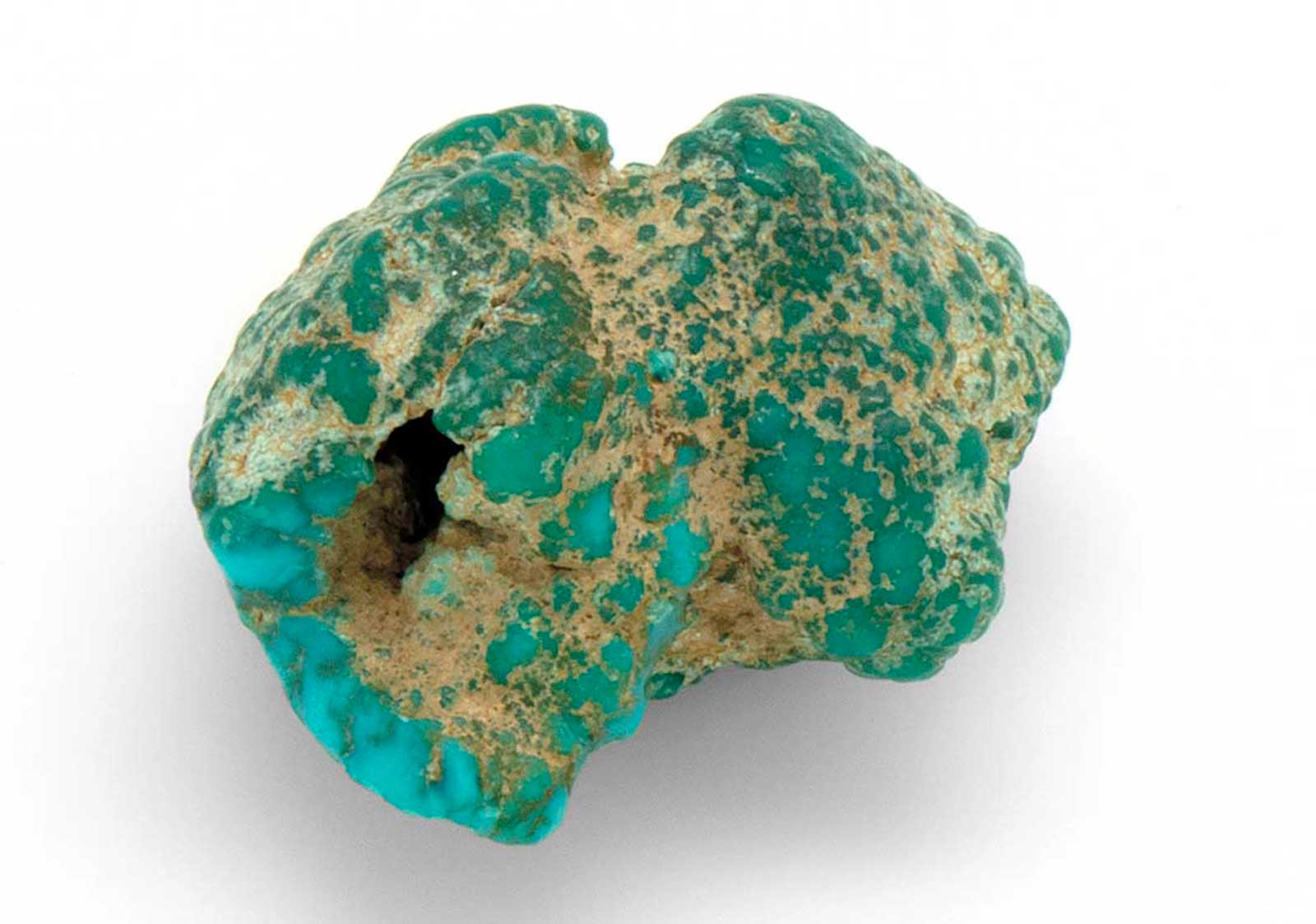
FOSSILIZED STONE
Turquoise forms naturally in rocks over time, but if organic matter of any kind—bone, teeth, shells and even plants—is introduced to the million-year-old brew it can create unique stones referred to as fossilized turquoise. This example is from Lone Mountain.
—————
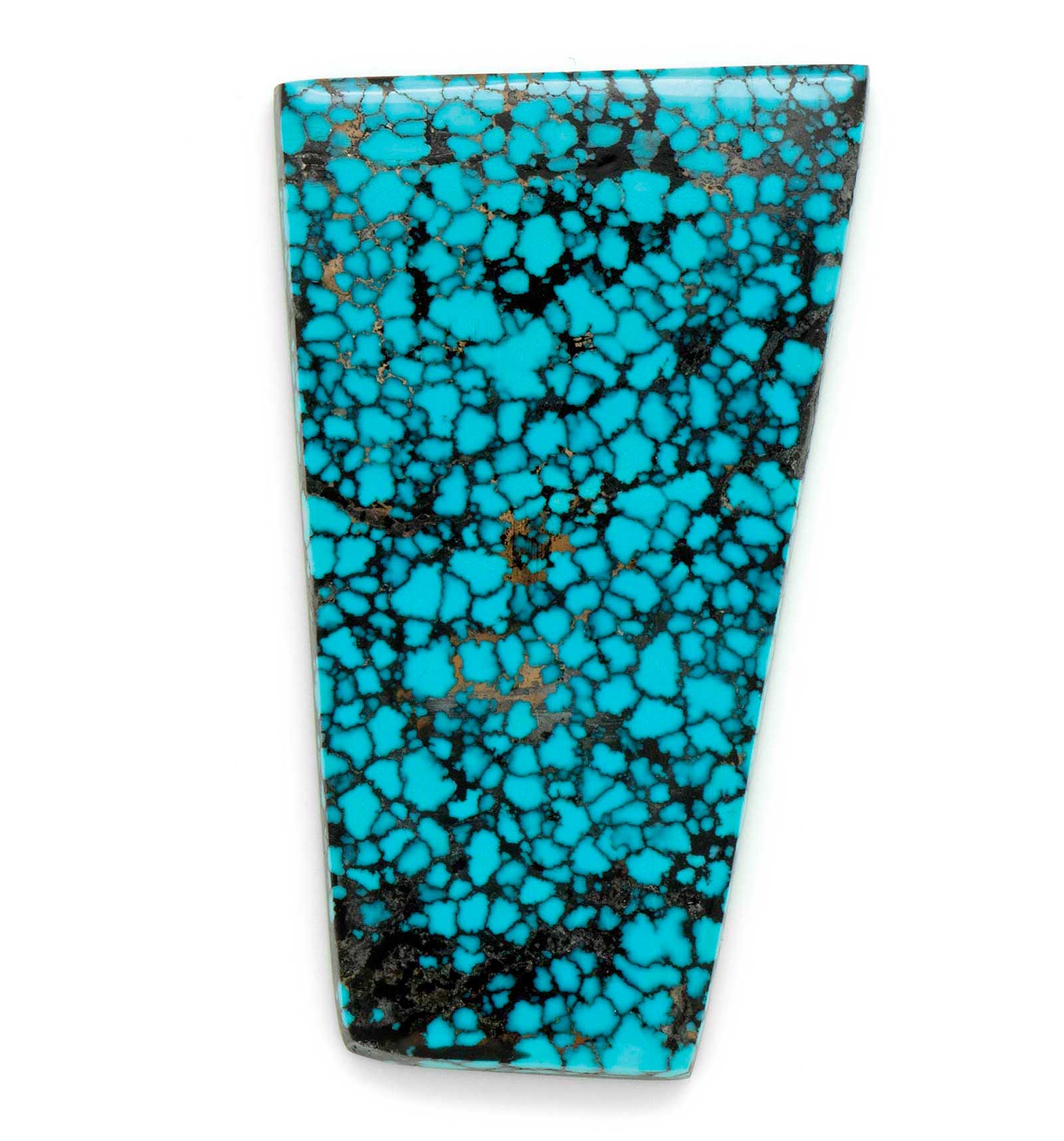
INDIAN MOUNTAIN
Mined in a remote area of Lander County, Nevada, Indian Mountain is said to have been discovered by a Shoshone sheepherder in 1970. The site was difficult to get to and was plagued by bad weather and lack of electricity, which made mining difficult. The stones are cherished by artists.
—————
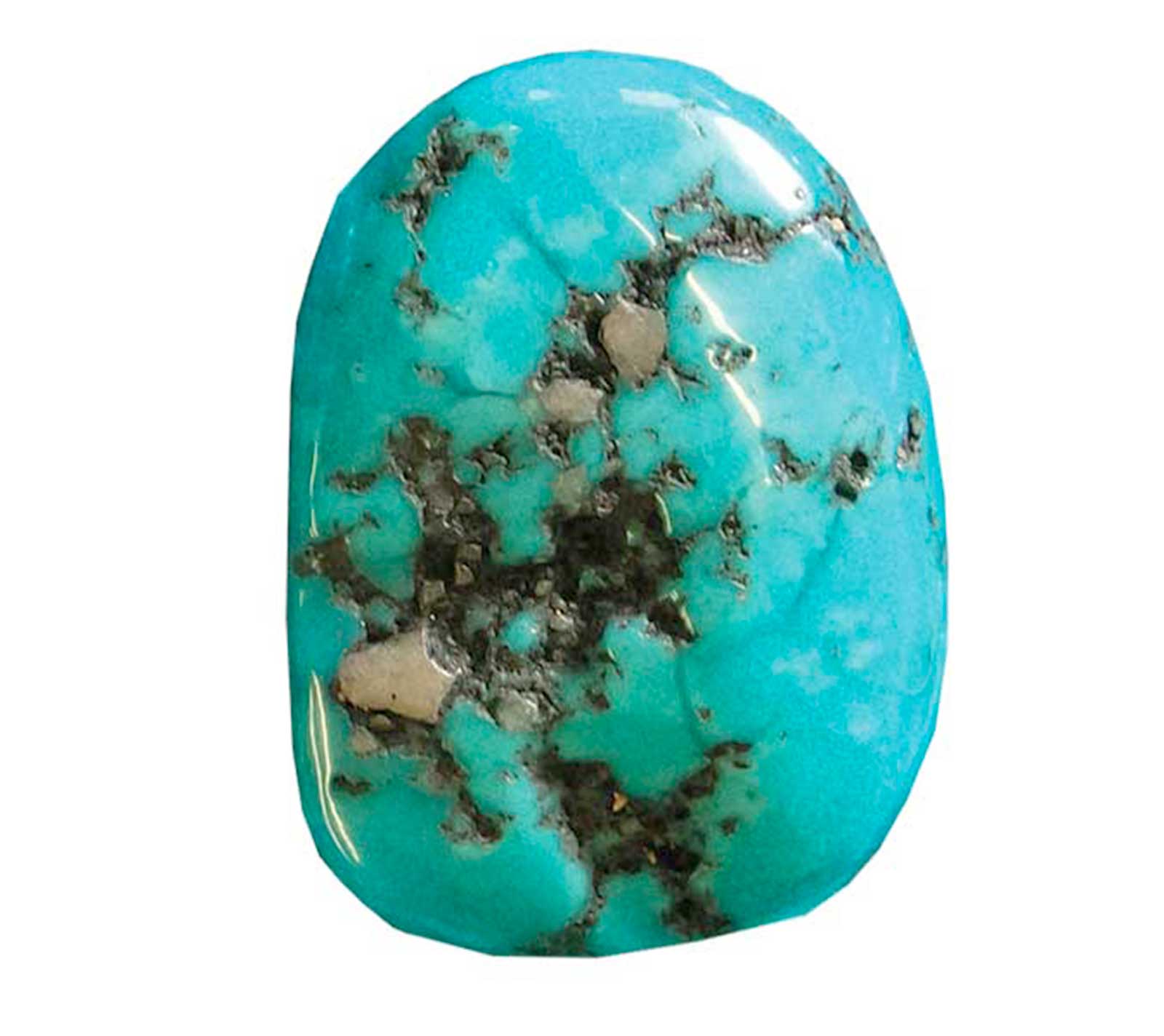
KINGMAN
This well-known stone comes from an open-pit copper mine in Kingman, Arizona. The mine has an ancient history: Native Americans mined the site thousands of years ago. Modern mining started in the 1880s. The mine is still active, although some of the more elusive high-grade stones are much rarer.
—————
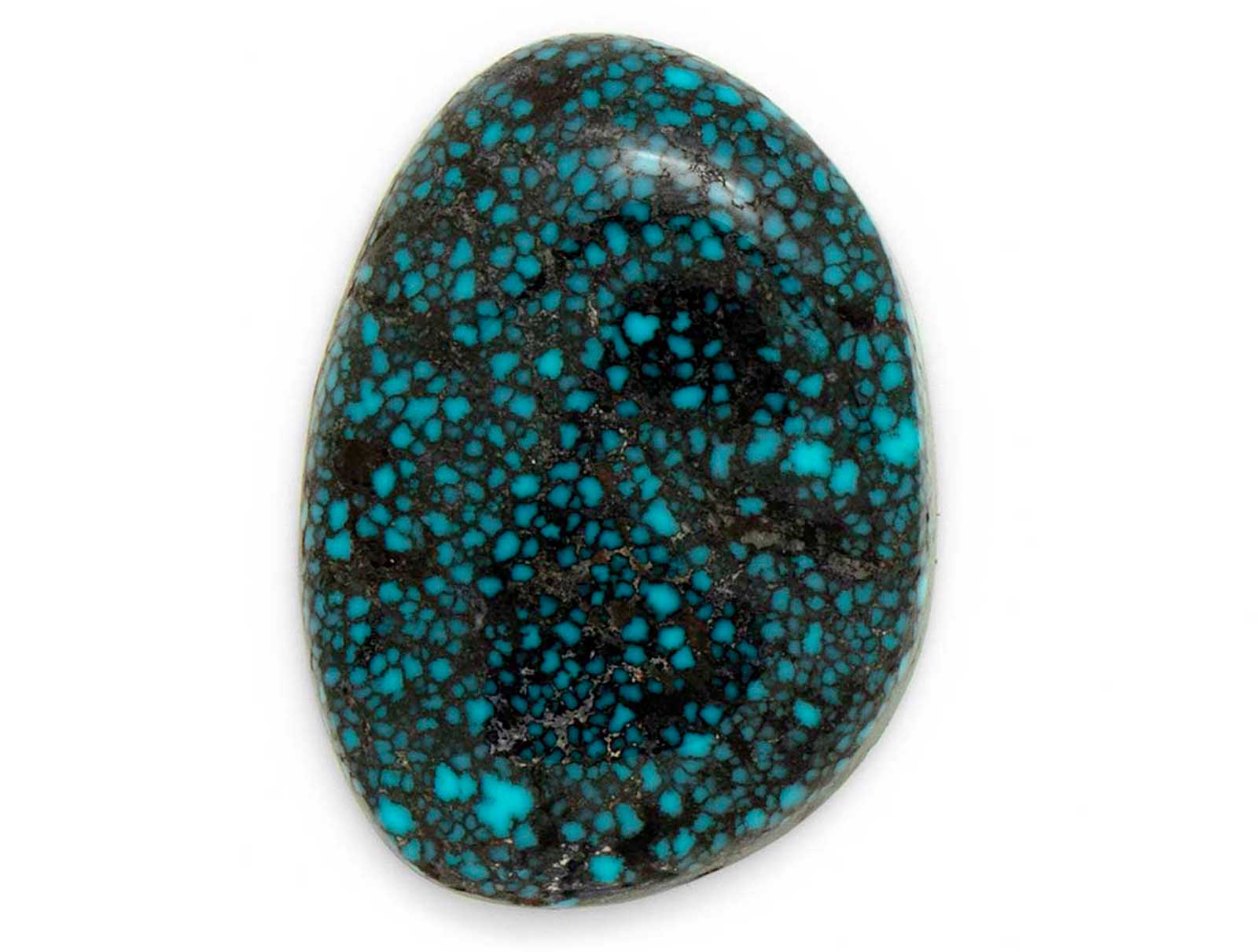
LANDER BLUE
Here it is, the granddaddy of rare, expensive, sought-after turquoise. Discovered in central Nevada in 1973 by blackjack dealer Rita Hapgood, Lander Blue was referred to as a “hat mine” because the entire vein could fit under a hat. The stones are so rare—only 110 pounds were mined according to legend—that collectors are urged to be wary of fake Lander stones. It’s known for its tight matrix and dark blues.
—————
LONE MOUNTAIN
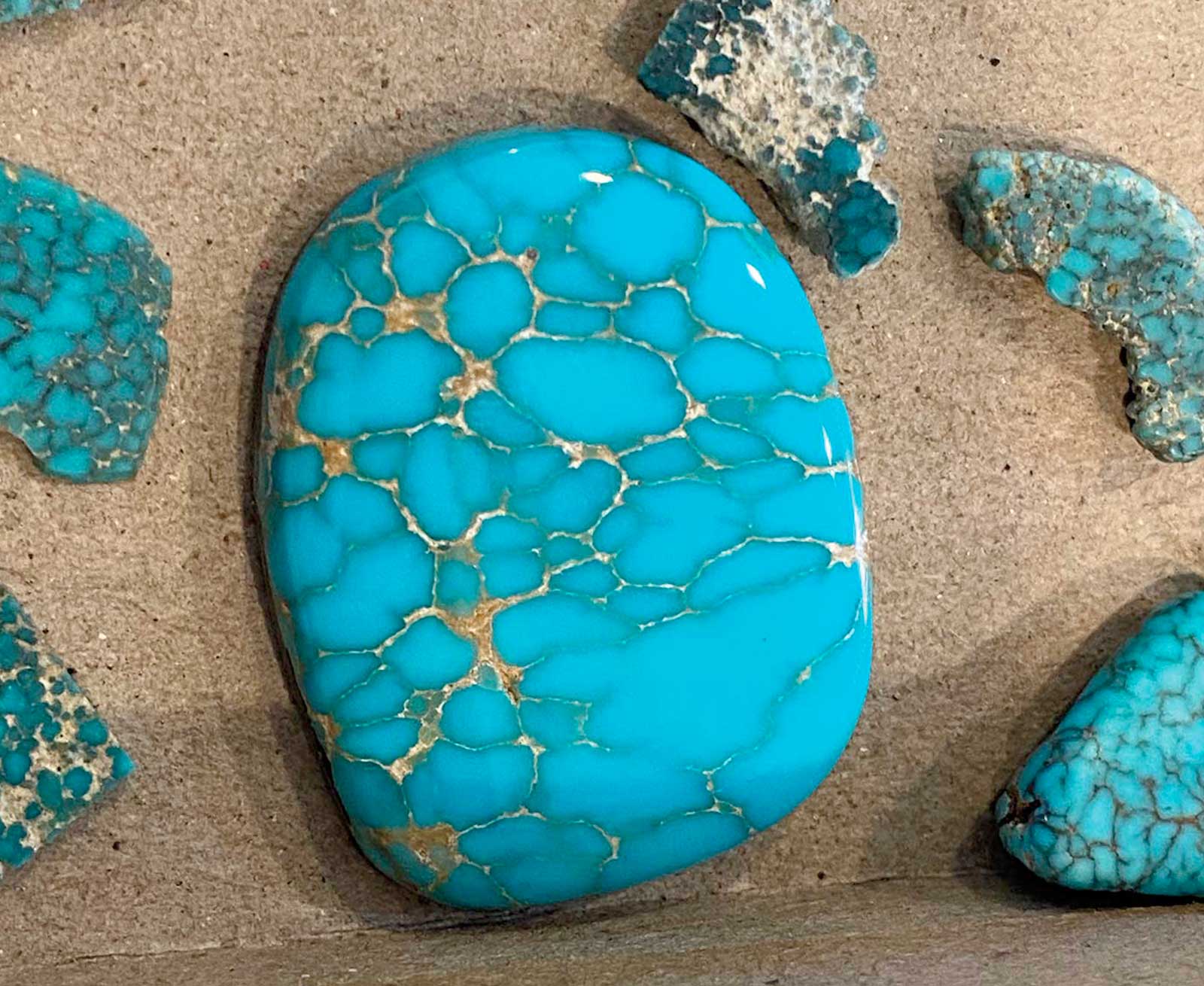
One of the most popular high-grade stone for top-tier artists, Lone Mountain comes from Esmeralda County, near Tonopah, Nevada. The mine was claimed in 1920. By 1927, at a depth of about 40 feet, the popularity of Lone Mountain was born when incredible examples with large spiderwebs were pulled out of the ground. The mine is still active.
—————
MORENCI
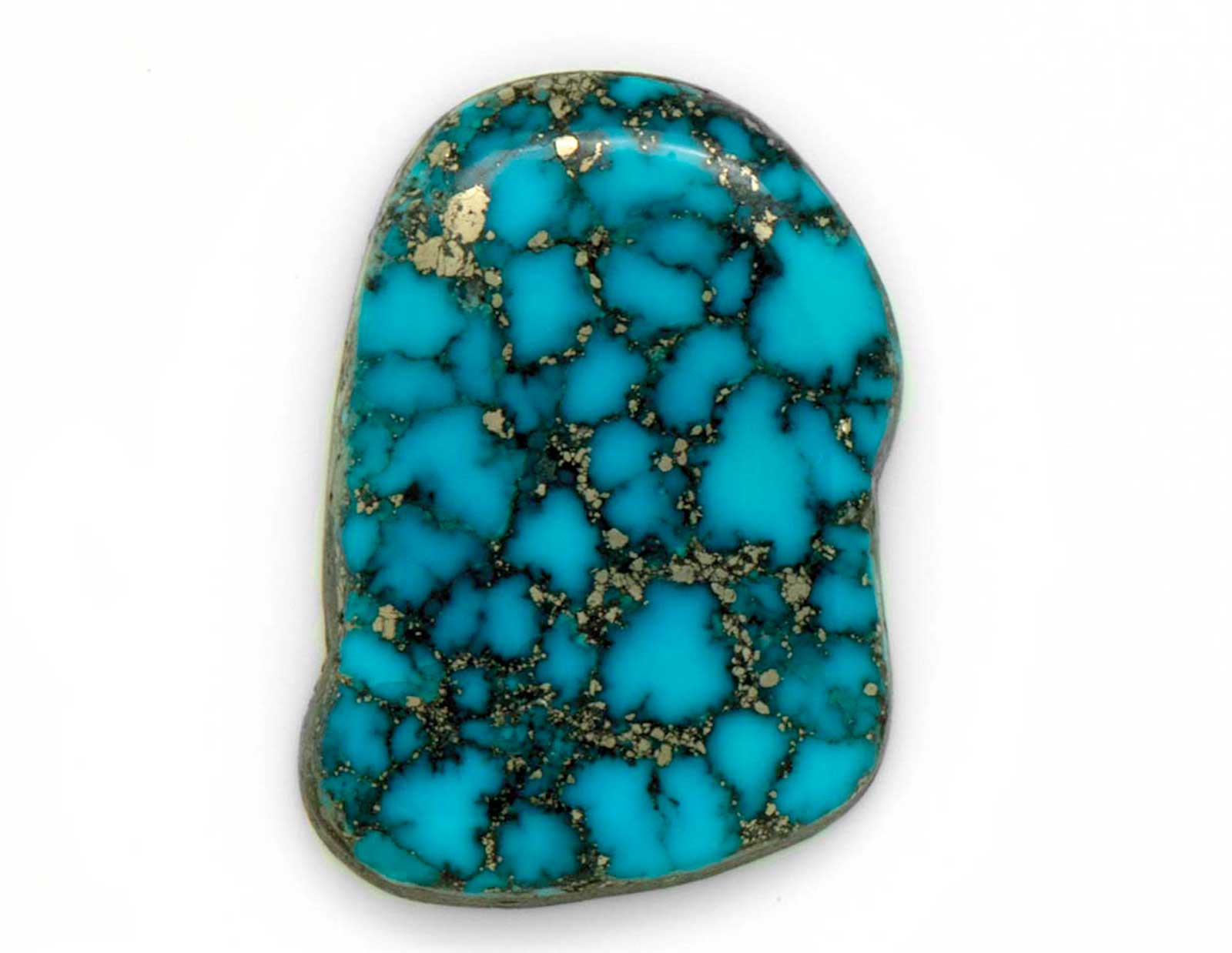
One of the more famous Arizona mines, Morenci is known for its high concentration of pyrite, which looks like silver that has merged with the rock. The mine is now depleted, which makes Morenci stones even more valuable.
—————
NEVADA BLUE
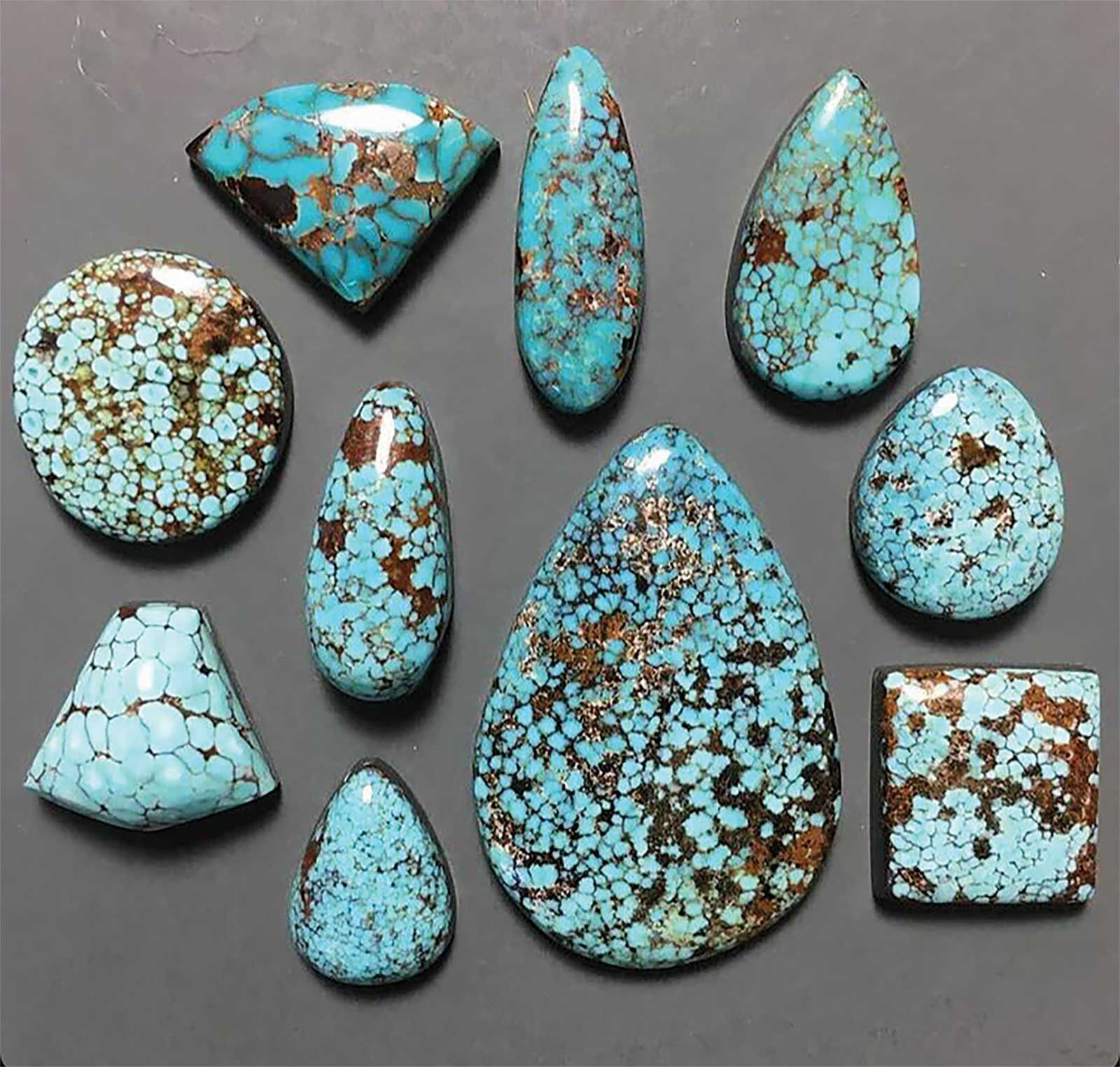
Considered one of the classic turquoise varieties, Nevada Blue comes from the crest of the Shoshone Range in Lander County, Nevada. It was discovered in 1901, and due to the remoteness of the mine, not much stone was mined. It was popularized by Lee Yazzie and Charles Loloma in the 1970s and 1980s.
—————
NORTHERN LIGHTS
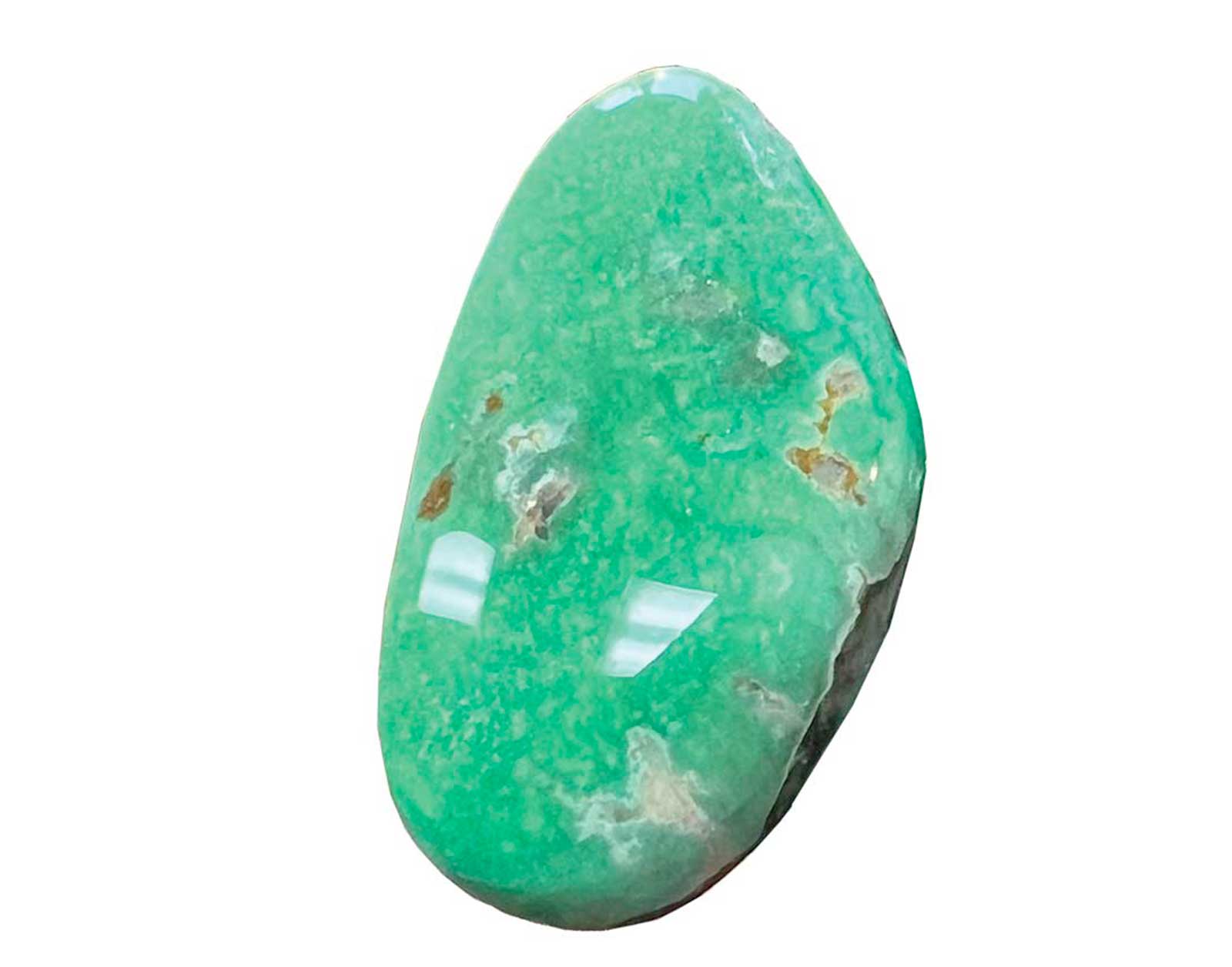
Nevada stone that comes in blues and greens, and also an electric lime-green color. It’s still open and producing.
—————
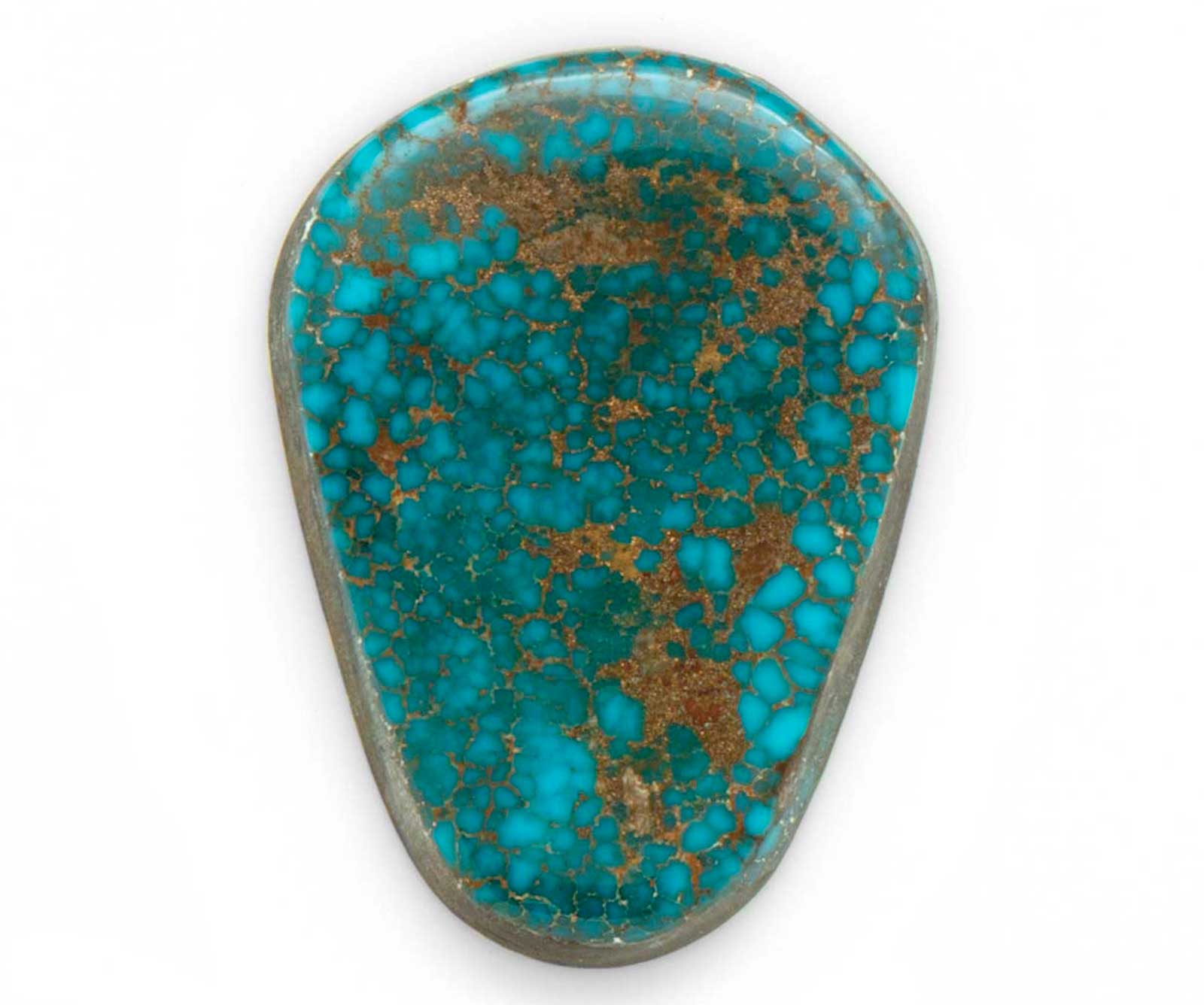
RED MOUNTAIN
This northern Nevada mine produced blue and green stones, many with gold- or rust-colored spiderweb. Red Mountain was first mined in the mid-1960s by two siblings, the Edgar brothers.
—————
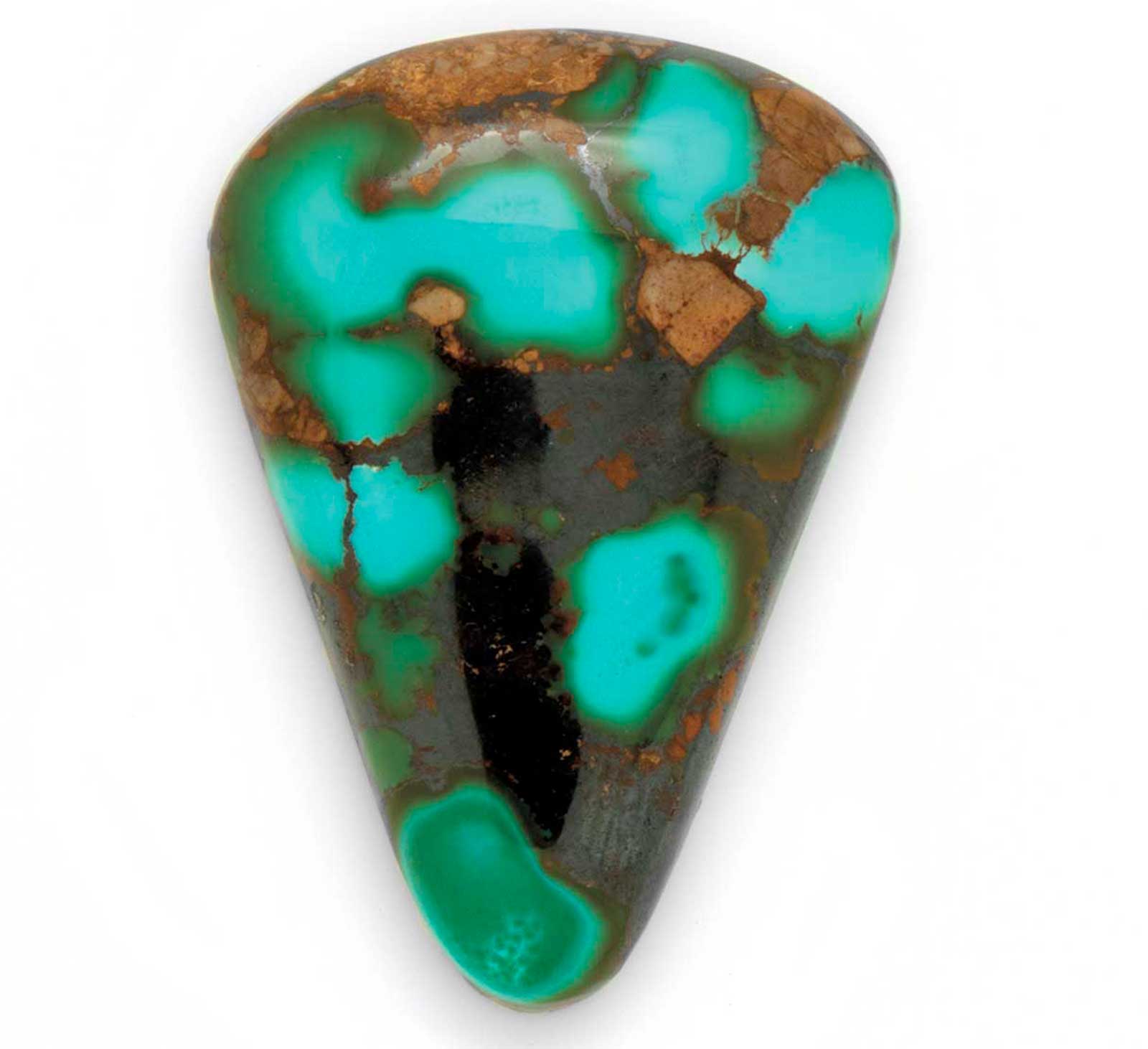
ROYSTON
Mined near Tonopah, Nevada, Royston is a popular and much desired stone that was discovered in 1902. The mine is in an active area of turquoise mining.
—————
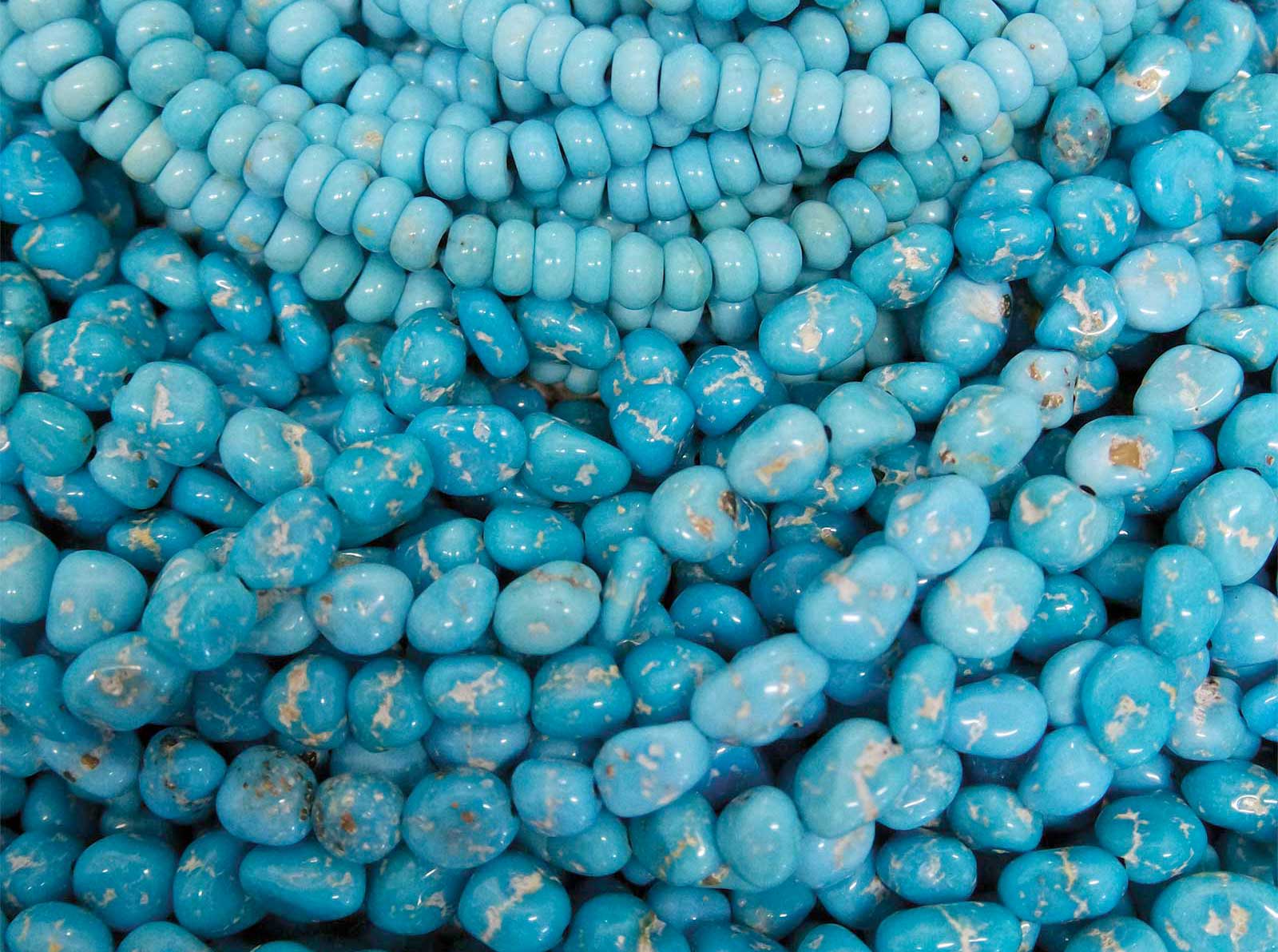
SLEEPING BEAUTY
Originally mined by the Anasazi people, the mine was rediscovered in the early 20th by copper companies. The mine is closed now, but the stones are still cherished. Sleeping Beauty is known for light-blue stones with almost no matrix or webbing.
—————
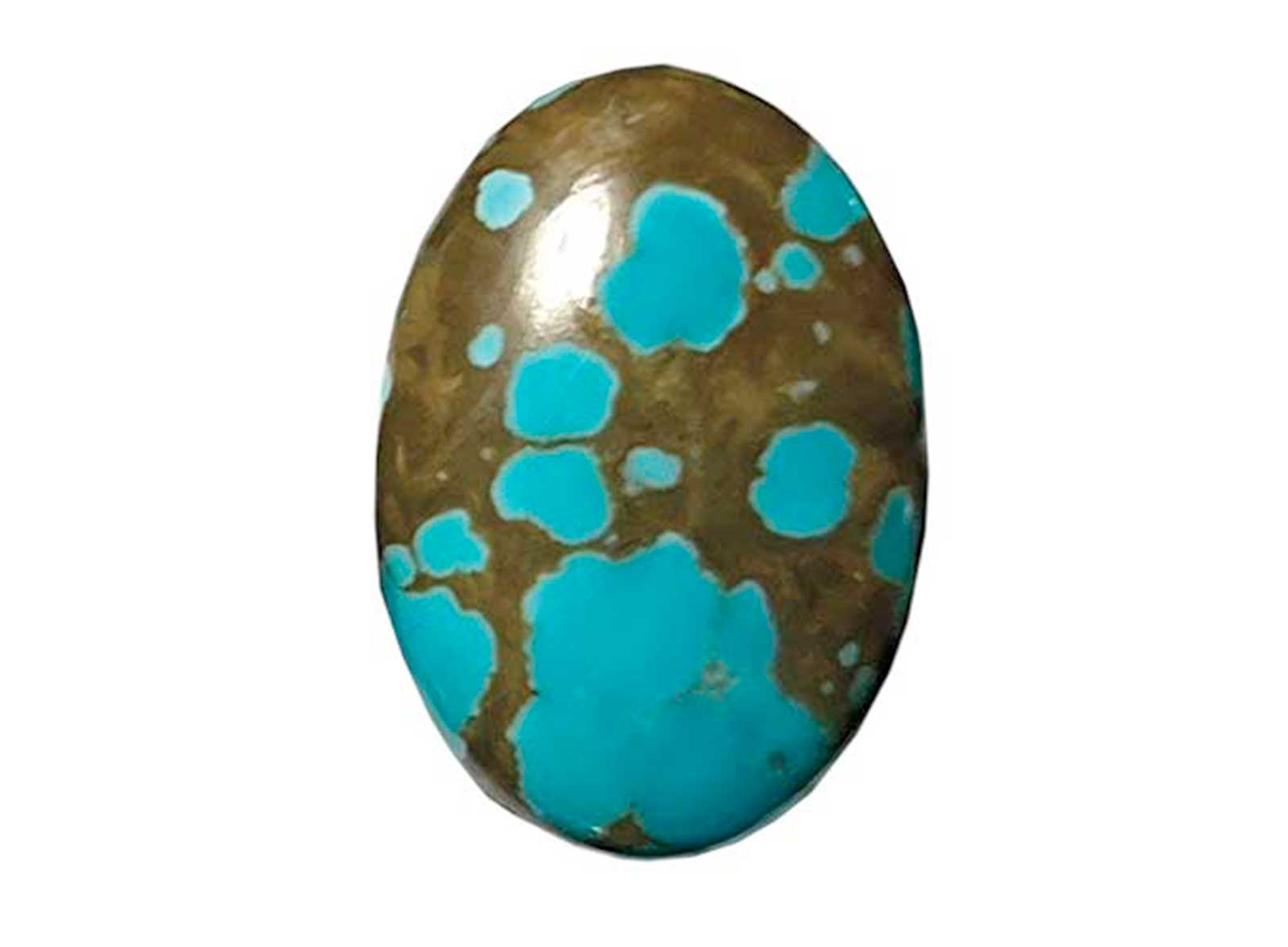
SUPERNOVA
Named after an explosion of color, Supernova has produced many stones that were later stabilized so they could be used by artists. While some avoid stabilized turquoise, there is a growing market for more affordable, but still authentic, American turquoise.
—————
Others stones: Apache Blue, Number 8, Godber-Burnham, Blue Aztec, Blue Moon, Orvil Jack, Fox, Pilot Mountain, Royal Web, Damale, Cripple Creek, White Mountain
Sources: J. Cosmo Lewis, Trade Roots Collection; Olin Tsingine (Hopi/Navajo (Diné)); Gene and Mike Waddell, Waddell Gallery; Jewel of the Southwest: Turquoise by Annie Osburn; and Richard and Helen Shull, Esmeralda Turquoise Company.
Powered by Froala Editor


