Aaron Fredericks and Shawn Deel are two especially talented Hopi katsina carvers who, we believe, are currently creating a new hybrid form of katsina art that we refer to as “traditional/realism.” We think that they are breaking new ground independently, yet their work converges around a common theme: katsinam which have a traditional form with many added details which suggest ultra-realistic characteristics.
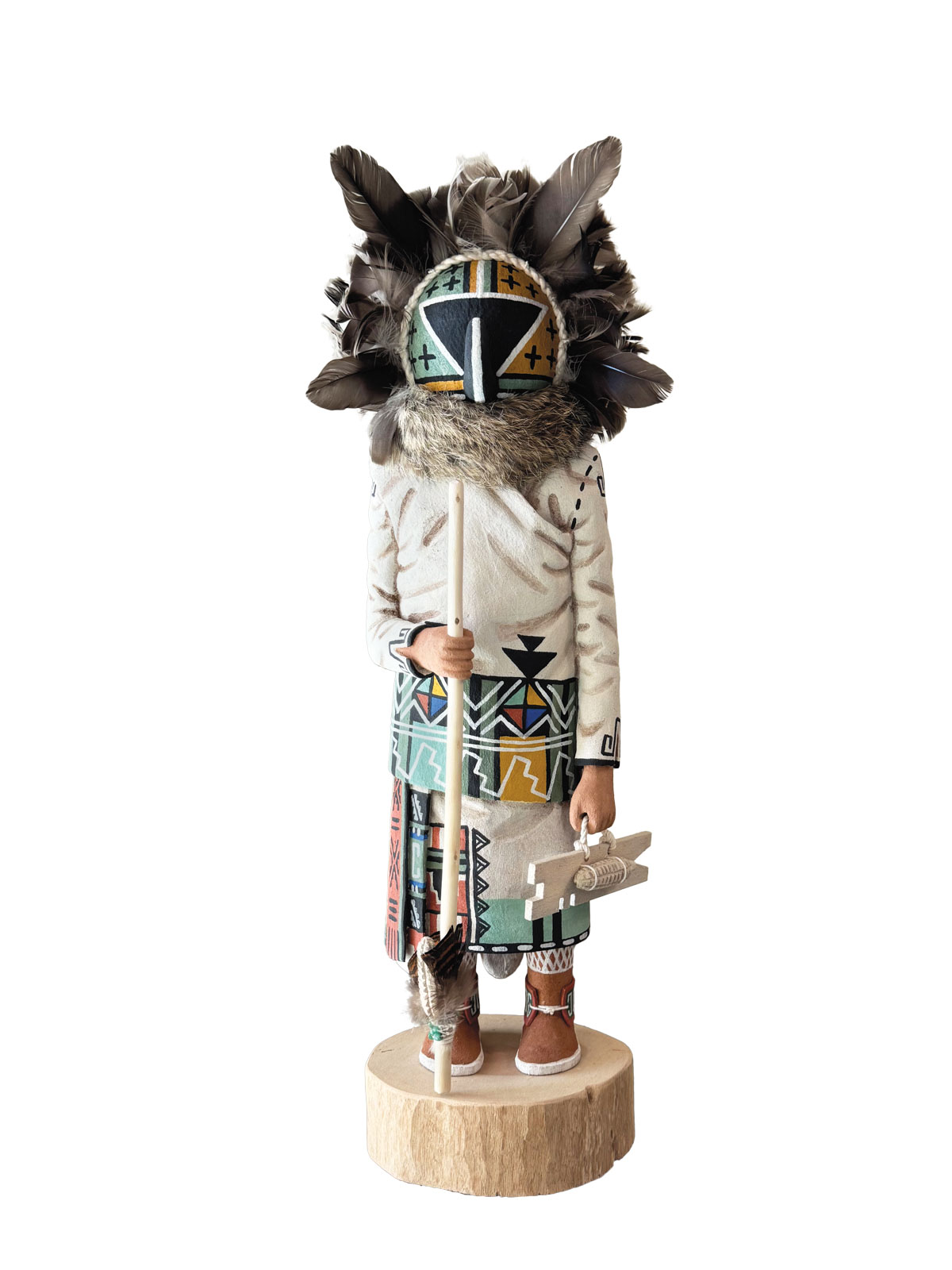 Figure 1. Aaron Fredericks (Hopi), Ahöla. Russ Hoover photo.
A deeper appreciation of this new style is accomplished when put into its historical context. The following is a brief review of Hopi katsina styles dating from the 1880s to the present. These are:
Category 1: 1880-1910: Early Traditional. These are examples with very minimal carving and simple paint. This is a minimalist form.
Category 2: 1910-Late 1920s: Late Traditional. By the 1920s many katsinam had become rather standardized in form. Hands were generally placed in the so-called “belly or tummy ache position.” The Hopi call such carvings “ponotutuyqa” or “one with a stomach ache.” The hands in this position were not carved separately from the bodies but appeared in bas relief over the lower chest or abdomen.
Category 3: 1930-Mid-1940s: Early Action. By the 1930s, katsina carvings were beginning to show some “action.” Arms were now quite commonly extended from the bodies. And their kilts were often flared as with the real dancers.
Category 4: Mid-1940s-1960s: Late Action. With this style the carvings often had upraised arms, bent knees, garment detailing and added accouterments.
Category 5: Mid-1960s-Present: Ultra-Realistic. This era represented a radical change in katsina execution. These examples were known for their exceptional detailing including individual strands of hair, wrinkles in skin or the fabric design on kilts. These details were carved in wood as was the rest of the katsinam. This new direction presented katsinam as art objects.
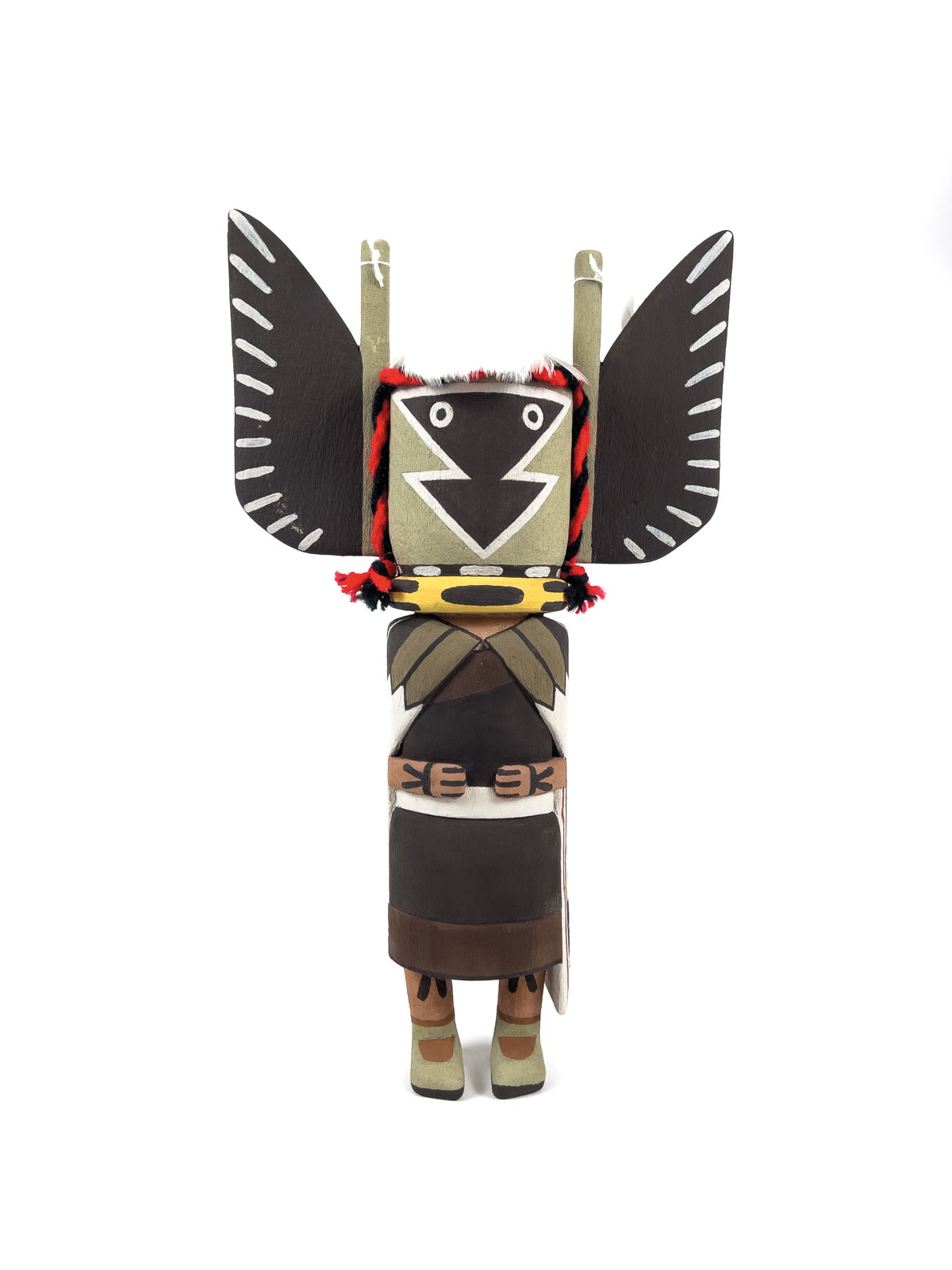 Figure 2. Manfred Susunkewa (Hopi), Angwusnasomtaqa (Crow Mother). Anna Walsh photo.
Category 6: 1970s-Present: Traditional-Style Revival or just Traditional. See Figure 2, an Angwusnasomtaqa or Crow Mother for an example in this style. This was made by Manfred Susunkewa who retrieved and revived the traditional style in the 1970s. This style echoes the same simple body lines and stomach ache position of the arms and hands of the carvings from the 1920s. Manfred initiated this style because he thought the spirit of the katsinam was being sacrificed to the emphasis on ultra-realism.
Category 7: Mid-1980s-Present: Sculptural Style. Such complex works not only employ ultra-realism, they also include multiple figures within an integrated scene or motif; therefore, they are generally referred to as ”sculptures.” Figure 3 by Aaron Fredericks is an example of this style. Note the exceptional detailing on the Hiilili’s beard and kilt. The carving also includes multiple additional figures, making it a sculptural form. (For a full discussion of these styles, please consult the books The Great Tradition of Hopi Katsina Carvers – 1880 to Present and Hopi Katsina Anomalies – The Unusual, Rare and Unique, both by Barry Walsh.)
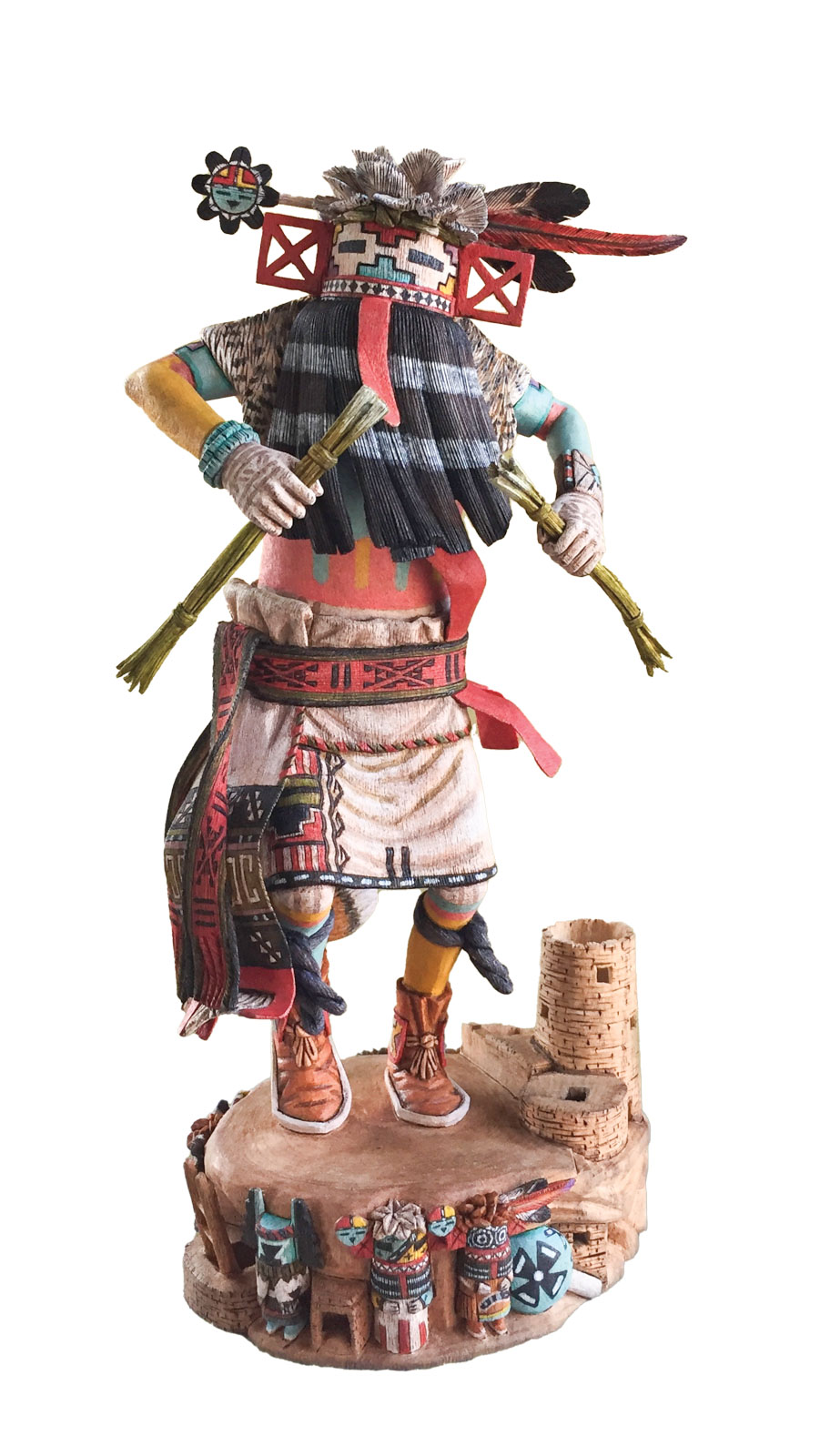 Figure 3. Aaron Fredericks (Hopi), Hiilili (Guard).
In an attempt to better understand what may be the defining works giving birth to the eighth category, we interviewed Aaron Fredericks (Figure 4) in Kykotsmovi and Shawn Deel (Figure 5) in Tuba City, Arizona, at their respective homes in February 2024. The following is what we discovered from our time with these exceptional artists.
Aaron was born into the Bear-Strap Clan in Shungopavi in 1964. His mother was Barbara Fredericks and his father Gene Fredericks. Gene was a highway patrolman. Aaron is married to his beloved wife, Lynn, and they have two adult sons, Aidan and Gabriel.
Aaron comes from a large and distinguished family of Hopi artists. His great grandfather was noted katsina carver Charles Fredericks. Charles’ brother was Wilson Tawaquaptewa (1873-1960), one of the most renowned katsina carvers of all time. In addition, Aaron’s grandmother, Agnes’ second husband, was master carver Jimmie Kewanwytewa, or Jimmie K, as he was better known. Elizabeth White (Polingaysi Qöyawayma), potter and author, was Aaron’s great aunt. She was an educator and the story of her life is documented in the book No Turning Back. For all her contributions, she was awarded an Arizona Indian Living Treasure and was inducted into the Arizona Women’s Hall of Fame. Given this lineage, it is no surprise that Aaron has become celebrated as a very fine artist in his own right.
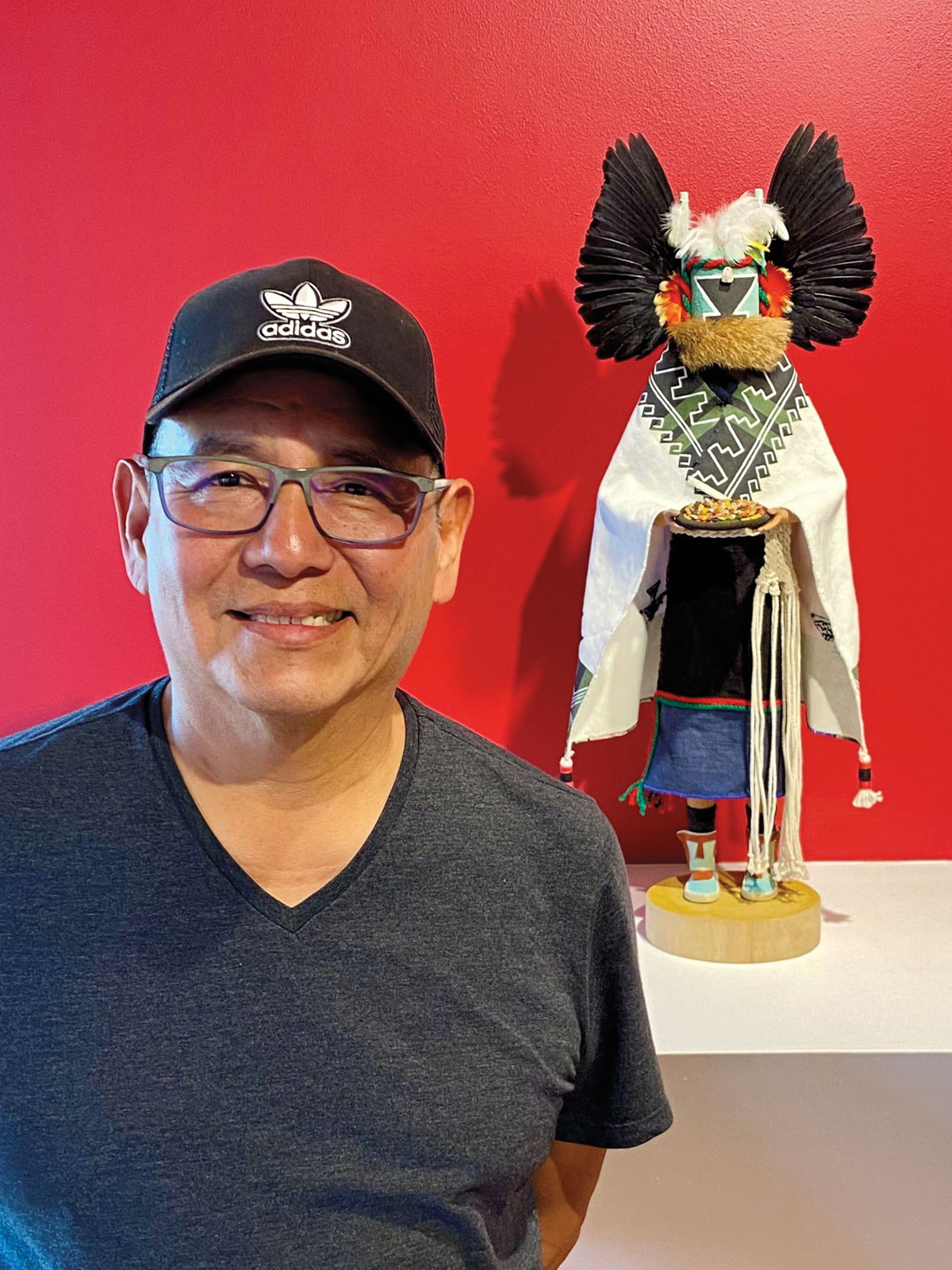 Figure 4. Aaron Fredericks’ with Angwusnasotaqa (Crow Mother).
Aaron came to making katsinam somewhat late as he began carving in high school. He would do the carvings in paako (the Hopi word for the root of the cottonwood tree) and his brother, Claudie Fredericks, would paint them. They would split the money.
His art career was interrupted in 1983 when he joined the Army where he served for six years, primarily in Germany. While there, he traveled to London, Barcelona, Brussels and various places in Spain. Aaron has a very sophisticated style of interacting with others, which may in part be due to his extensive travels and his very accomplished forebears.
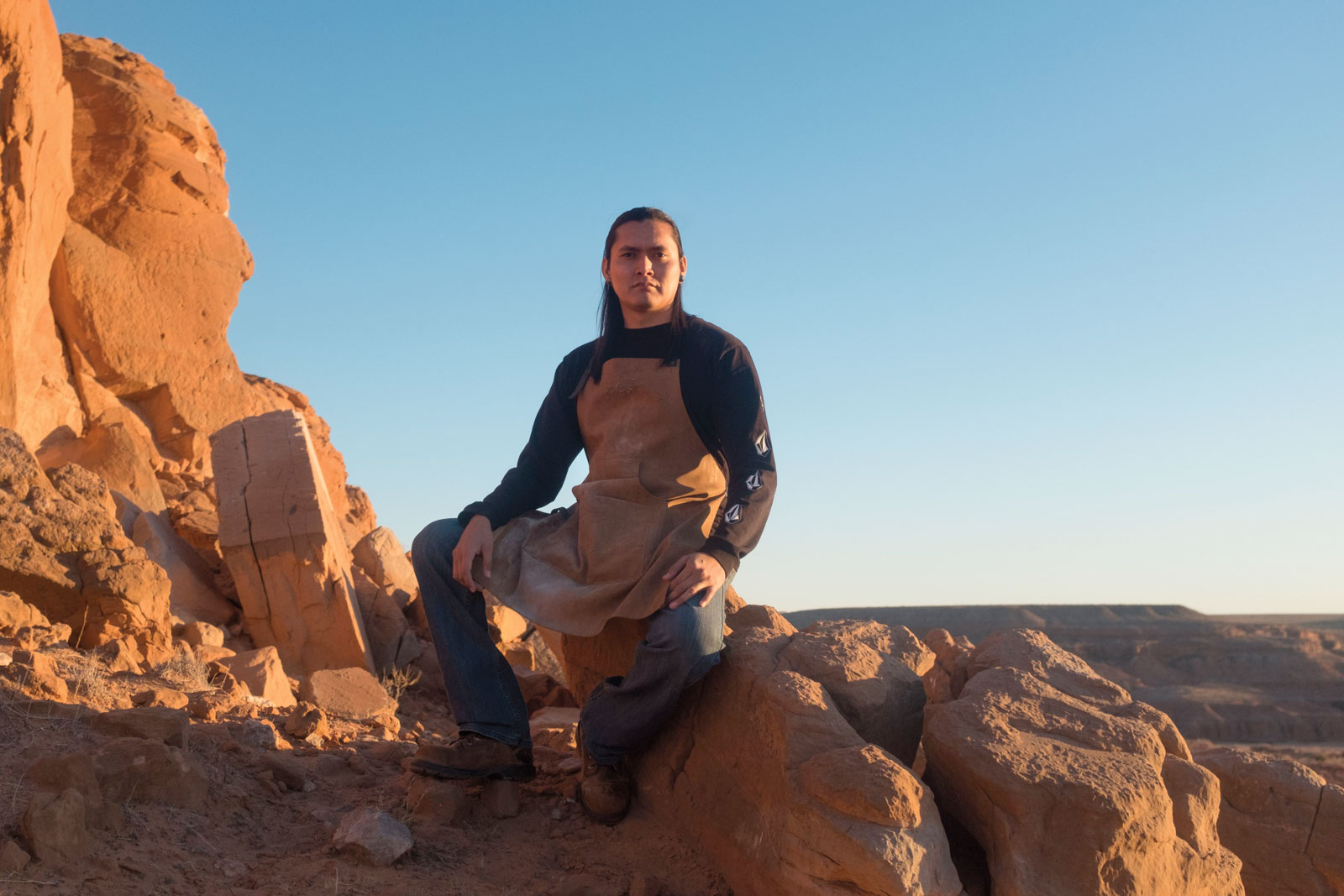 Figure 5. Shawn Deel. Anna Walsh photo.
When Aaron was honorably discharged in 1988, he returned to Hopiland. Early on, he began making some katsina carvings. His work came to the attention of renowned scholar Barton Wright who introduced Aaron to Lee Cohen, at the time one of the most successful dealers in Indian art. Lee encouraged Aaron to “improve his efforts” and Aaron concentrated on doing so.
However, given the unpredictability of the art market, Aaron considered becoming an automotive mechanic. He did this kind of job for about a year, before eventually enrolling at the Institute for American Indian Arts (IAIA) in Santa Fe. “I excelled there in both two- and three-dimensional art,” Aaron says, adding that he soon returned to the creation of katsinam.
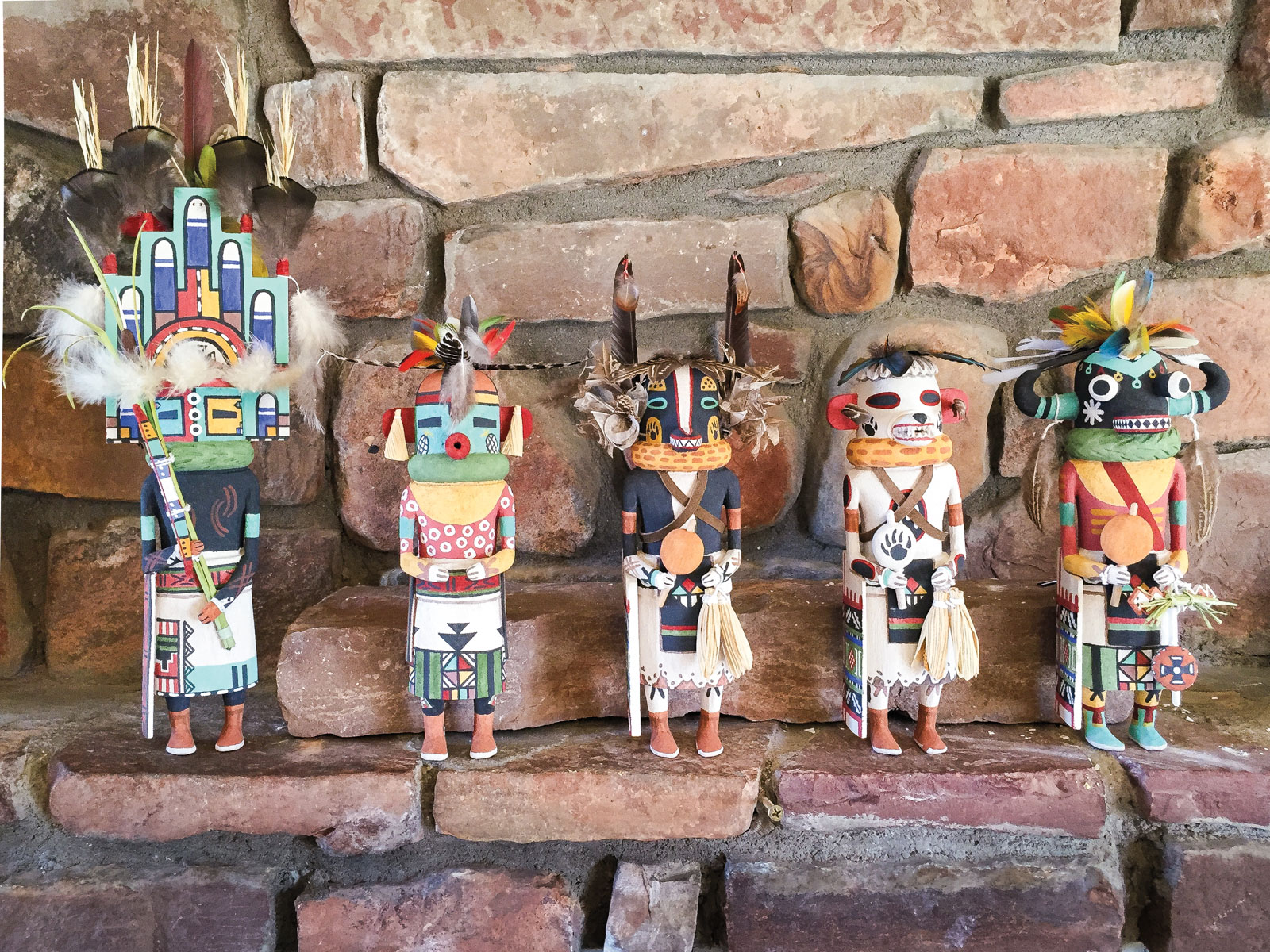 Figure 6. Five Aaron Fredericks katsinam done in a simple traditional style.
Aaron quickly became very successful in creating katsinam in the ultra-realistic and sculptural styles (as seen in Figure 3). He speaks philosophically about his success as an artist. “Katsinam come to me ‘as a gift. When people ask me about my katsina carvings I want to be clear, it’s not me that created it. It’s a gift I was given by the one who created me, the Creator. And that’s who should get the recognition for my art. This is to whom I give thanks,” he says. “I want to worship the Creator and I believe there is only one creative being for all humans…I believe that there was a single time when we all came into being and all of us were given certain gifts. The ability to carve the way I do was my gift.”
From the early 1990s on, Aaron had a very successful career with his art. His work was carried by many major galleries and over time he won numerous awards at diverse shows. This ended in 2008 after the recession hit. Prior to that, galleries like Lee Cohen’s, Adobe East (New Jersey) and Indian River (Nevada) wanted elaborate carvings two feet tall. When the economy collapsed, dealers and customers no longer wanted the big, expensive pieces. The market for his work disappeared. The challenge didn’t stop with katsina carvings. As an example of what happened to the art market in general, Aaron points out that his friend, master potter Mark Tahbo, moved from making huge complex ollas to small tiles. Artists had to adapt to survive.
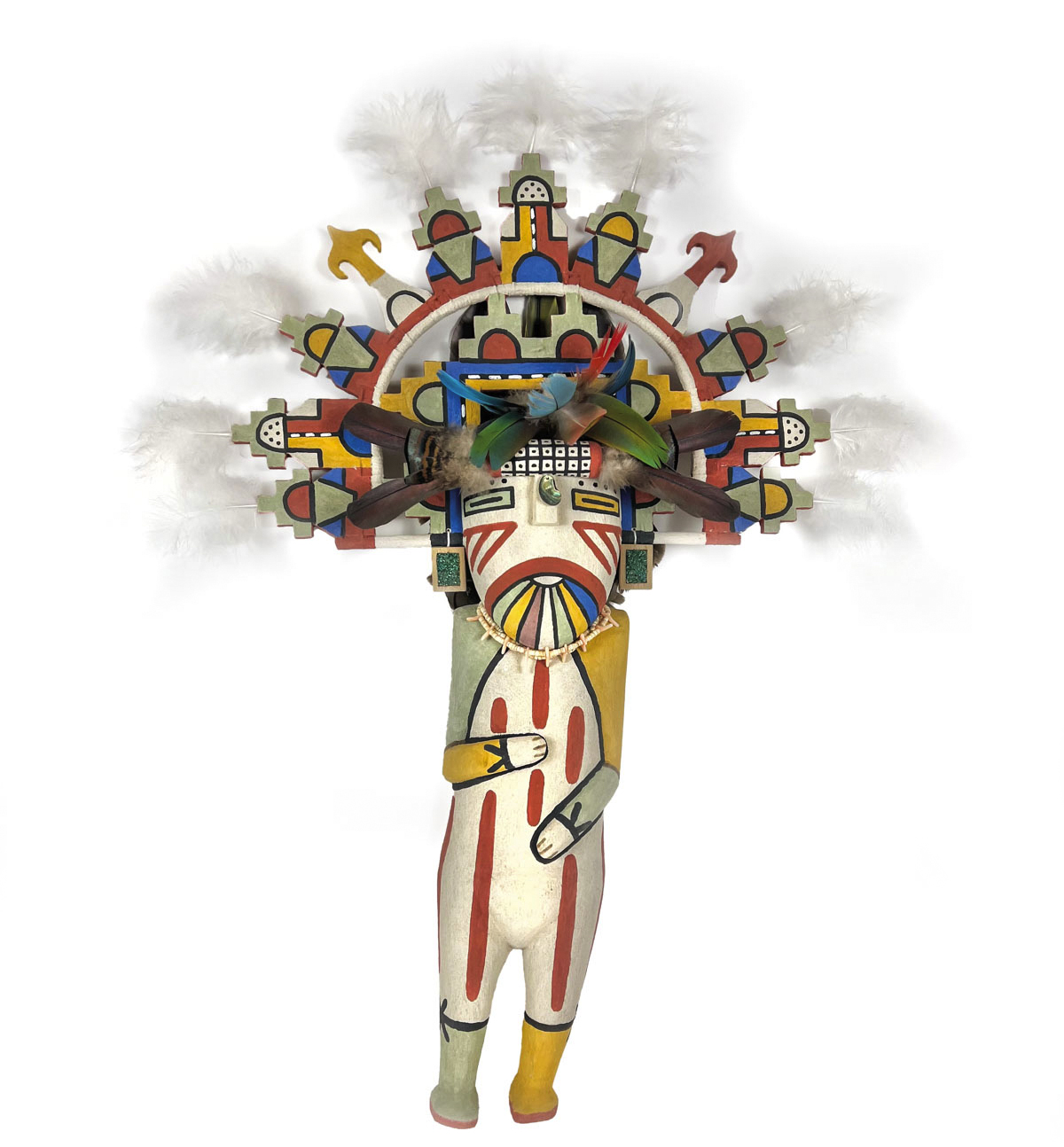 Figure 7. Aaron Fredericks (Hopi), Sa’laktaqa. Anna Walsh photo.
“Nothing was selling. You’d go to a show, pay entrance fees, hotel charges, plus food expenses and go home with most of the pieces you brought,” he says. “I started to believe that the ultra-realistic style had lost its oomph and I realized I needed to do something different.”
Challenging times lead to change. Change leads to innovation. Aaron decided to move into carving in the traditional style which had experienced a resurgence in the 1980s. He thought moving into this style would be easy and he believed that those who carved in the traditional style did so because they couldn’t make work in the ultra-realistic style. He was to discover differently. For example, he learned that he couldn’t put acrylic paints on top of traditional Hopi douma or clay undercoat. Creating and then painting with natural pigments brought about new challenges. “I came to realize I had to learn a largely different artform,” he says.
It took several years before he became comfortable with the traditional style. Examples of his early efforts are shown in Figure 6. Note the clean simplicity of these examples consistent with Manfred Susunkewa’s reversion/innovation.
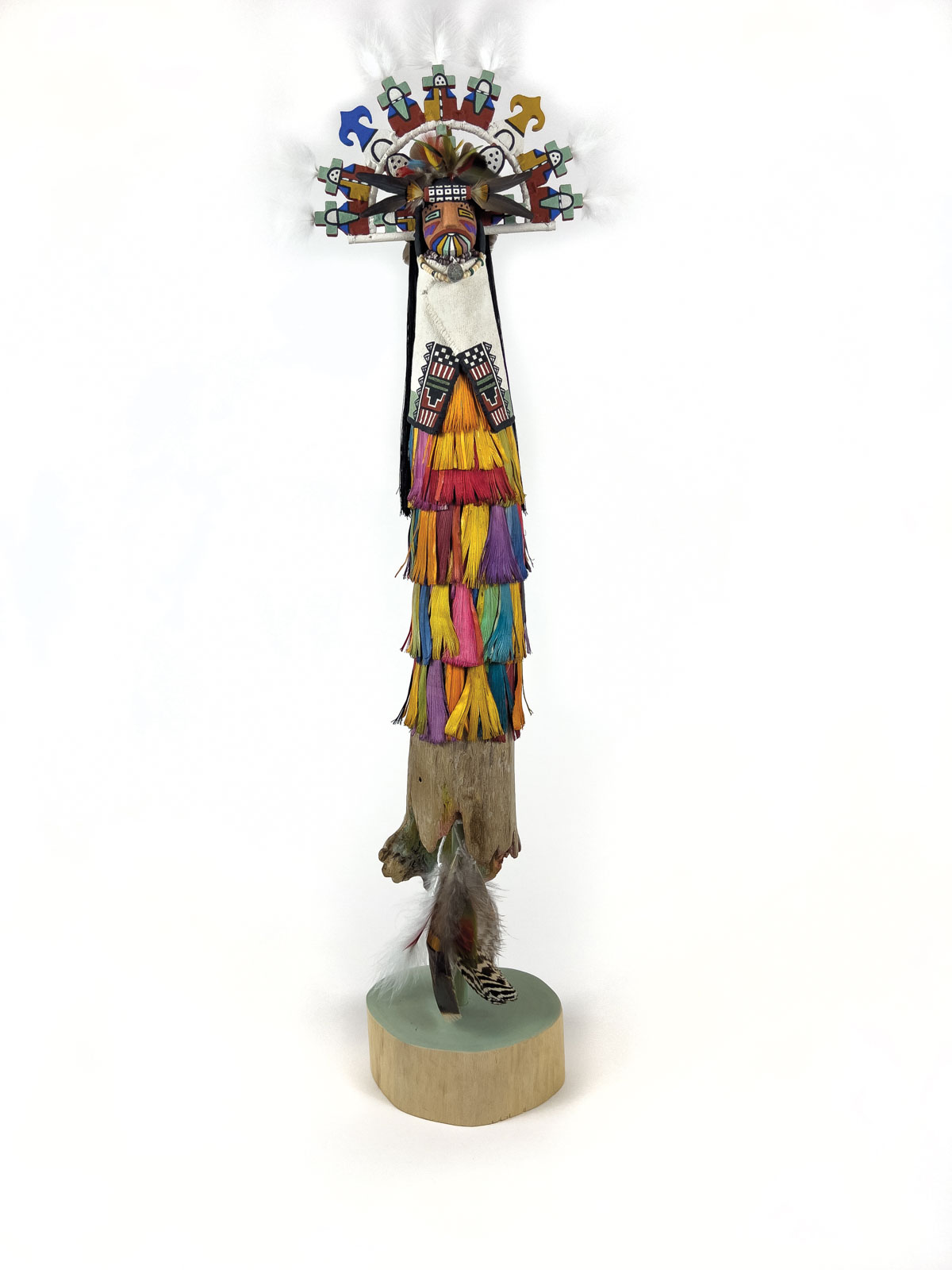 Figure 8. Aaron Fredericks (Hopi), Sa’lakwtaqa. Anna Walsh photo.
“Over time I would look at my work and ask myself, ‘What’s next?’ Creatively I needed to do something different,” he says. An example of his artistic development in the traditional style is shown in Figure 7. This piece is a remarkable 24 inches tall including the feathers. It is a beautiful interpretation of a Hopi carving from about 1890, depicting the Sa’lakwtaka or male Sa’lako. “I started to apply my own ideas. I would say to myself ‘you can do this a little differently.’ This is when I decided to apply different materials like metal…adding conchos and ketohs.”
Inevitably given the creativity of his family and his own unique gifts, he began to develop an extension of the traditional style. For an example of an exceptionally creative piece, consider the Sa’lako in Figure 8. Aaron’s description tells the complex story: “Shalako-taka bringing of the rainstorm. Body is the rain shower sweeping across the land from the cumulus cloud which is his headdress, one big cloud. At the bottom of the carving are blended colors for the beauty of the carving. A prayer stick offering to take our prayers up to our creator.”
On the subjects of materials and process, Aaron continues: “The headdress is made with pieces of cottonwood slabs tied to a half circle made with reeds, wrapped with cotton string and is secured to his head with two willow dowels. I had to drill holes in all the pieces, then tie them to the half circle, before tying everything to each other to hold it together. The kilt is thick material and bound along the edges then whitewashed and painted. Below that I’ve created multiple layered colored yucca leaves which had to be moistened and tied down at the tops then wrapped to secure it around the paako. Once a layer is dry the wrapping is removed before the next layer is added. The necklace is made with purple oyster and turquoise beads plus melon and abalone shell. Prayer feathers are white plumes, parrot, grouse, peacock, turkey and golden pheasant.”
What is especially innovative about this piece is Aaron’s use of colored yucca leaves to represent the eagle feathers on the Sa’lako garment. The dyed yucca strips are remnants from his brother Claudie’s yucca baskets—they are collaborating yet again. It’s important to note that, unlike other traditional-style figures, this towering 25-inch katsina is affixed to a base to protect its stability. All these meticulously layered details differentiate this creation from a katsina carved in the purely traditional style.
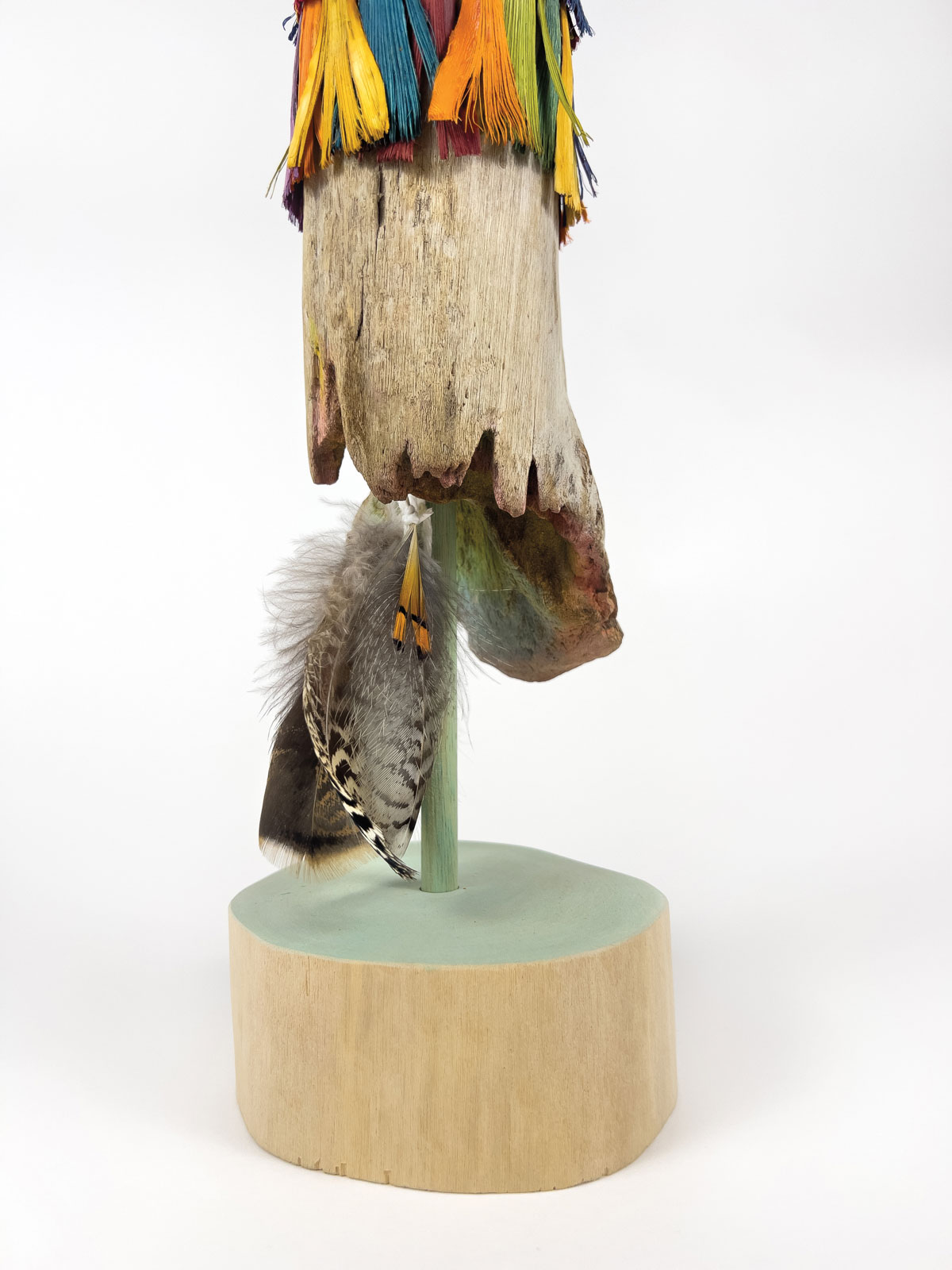 Figure 8. Aaron Fredericks (Hopi), Sa’lakwtaqa. Anna Walsh photo.
After our time with Aaron on Third Mesa, traveling 50 miles northwest along State Route 264, past Coal Mine Canyon to the western edge of the Painted Desert, we found Shawn Deel, who is creating equally impressive katsinam.
Born into the Tobacco Clan in 1993, Shawn spent his early years in Moenkopi, before moving to Tuba City, Arizona. Like Aaron, Shawn’s family’s carving roots run as deep as the paako he sculpts.
The act of tradition intersecting with artistic transformation is not something new to Shawn and his family. Living in Kikotsmovi, Leonard Taho, Shawn’s great-grandfather, was recognized and awarded for the originality of his katsina carvings by the Museum of Northern Arizona. In the 1950s, Leonard is credited, along with Charles Loloma and Fredrick Myron, as part of the group of Hopis who introduced the late-action katsinam carving style, elevating the traditional style to depict more motion and a sense of movement in their form. Little did anyone dream that 70 years later, his great-grandson would carry on his legacy of innovation by elevating that style to an entire new level.
“My uncle Ron (Mark Ron Taho) got me started in carving. He’s best known for specializing in the contemporary ultra-realistic carving style,” Shawn says. “What sets his work apart is his preference toward using a knife instead of wood burning tools to achieve the details. The folds in the clothes, strands of hair, muscles, veins and other body highlights in his carvings are so good. It all looks very realistic. His katsinam look like smaller versions of the real thing carved in wood and I remember when I was young, I would sneak into his workshop to see what he was making.”
With Ron’s encouragement, Shawn—using a three-blade, old timer’s pocket knife he had for cutting baling twine on the family’s cattle ranch—started carving at the age of 11. At the same time he was learning to carve, his father, Tom Deel, an accomplished jeweler, began teaching him lapidary and silversmithing techniques.
“As my carving and painting got better, I started to add handmade jewelry to the katsinam. At first just bracelets and necklaces from turquoise, coral and shells,” he says. “With time, I felt more confident in the quality of my work. I started to add silver, creating miniature tufa cast bow guards, squash blossom necklaces, hammered and tooled concho belts, as well as bells for the legs and moccasins. Recently I’ve been making little silver rings for their fingers. There is a lot of experimenting that goes into it. A lot of trial and error but you work long enough and you figure it out.”
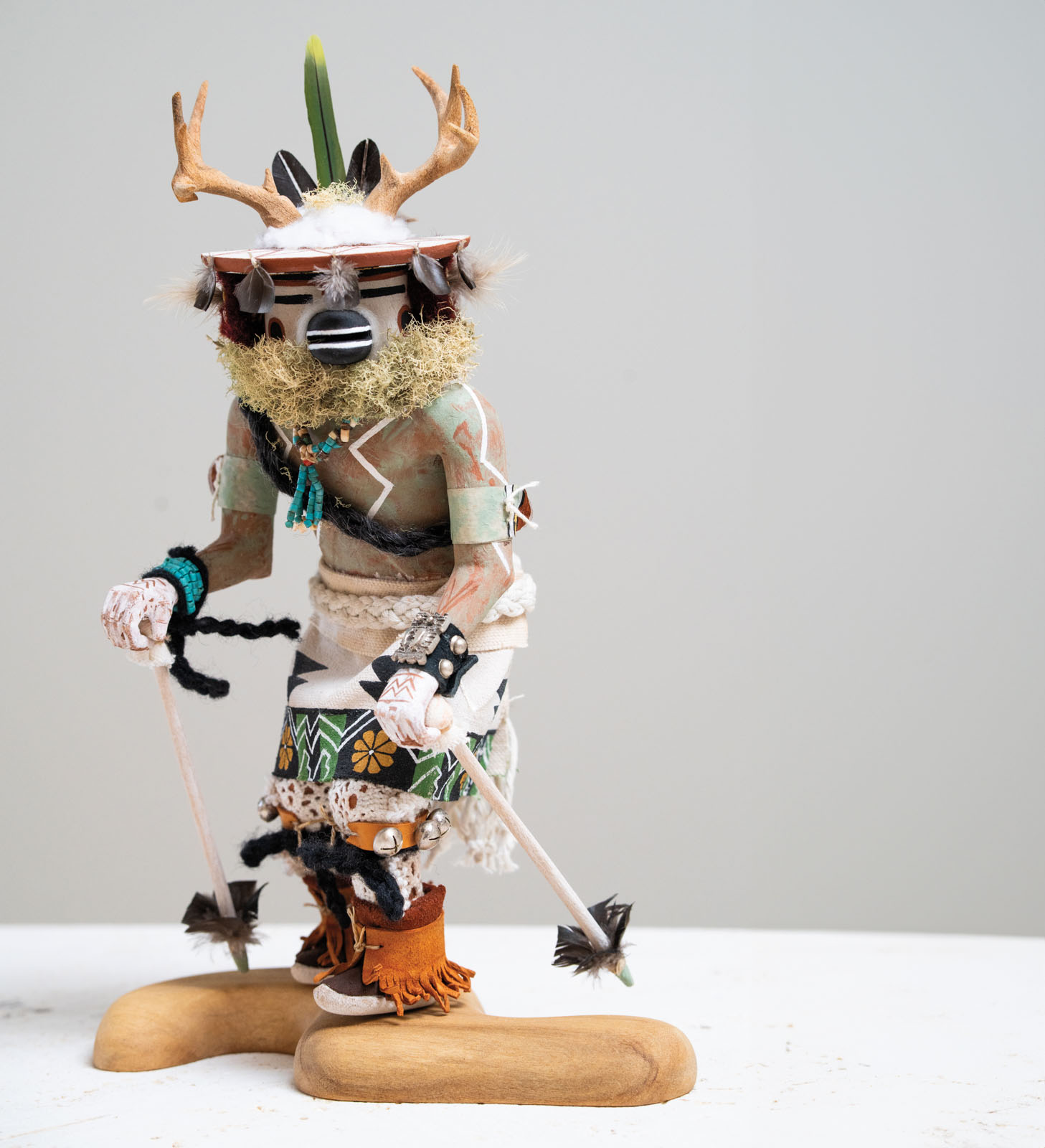 Figure 10. Shawn Deel (Hopi), Sowi’yngwa (Deer). Anna Walsh photo.
Shawn traces the origin of his current style to a desire to create something different than what was being made by most of the other Hopi carvers, as well as his goal to pay tribute to his great grandfather’s legacy. “The isolation that came from the Covid epidemic gave me a lot of time to reflect on where I wanted to take my art. My great-grandfather’s tithu became my inspiration,” Shawn adds.
Equally impactful were the contributions from his grandfather, Gerald Lomatewaima, and his uncle, Ron Taho. Shawn explains: “Years ago, as a young boy, when I started to witness the passing of some of our village elders, I decided to make recordings of them so I could remember the sound of their voices and then would have a record of the lessons they wanted to teach me. My grandfather was well known for singing ceremonial rain bringing songs. When I’m carving now, I listen to those old recordings of him singing and it helps me visualize the dance movements in my head, the placement of the hands and feet and how they relate to the turning of the head. All of this goes into the design of the carving.”
This movement can be clearly seen in Figure 9, a Sakwahote or Blue Star. This katsina is made with natural pigment paint and a beaver-fur collar. The elaborate headdress is comprised of dried yucca leaves and starling feathers. The bowguard is cut silver, stamped, domed, with bezel-mounted turquoise. The bracelet is Kingman turquoise and Hawaiian Ni’ihau shells. The necklace is Royston turquoise, brown heishi and mother of pearl. The arm bands and skirt are leather with a painted canvas sash held together by a stamped silver concho belt and inlaid Italian coral. All these details point to the emergence of Shawn’s new innovative style.
As he added more realistic body posture and movement to his carvings, the more simplistic elements of the traditional style seemed to diminish from the aesthetic he was trying to achieve. Shawn’s earlier and purely traditional-style carvings featured arms and legs that were not consistently proportional to the rest of the body. Hands were depicted simply, finished with painted fingers.
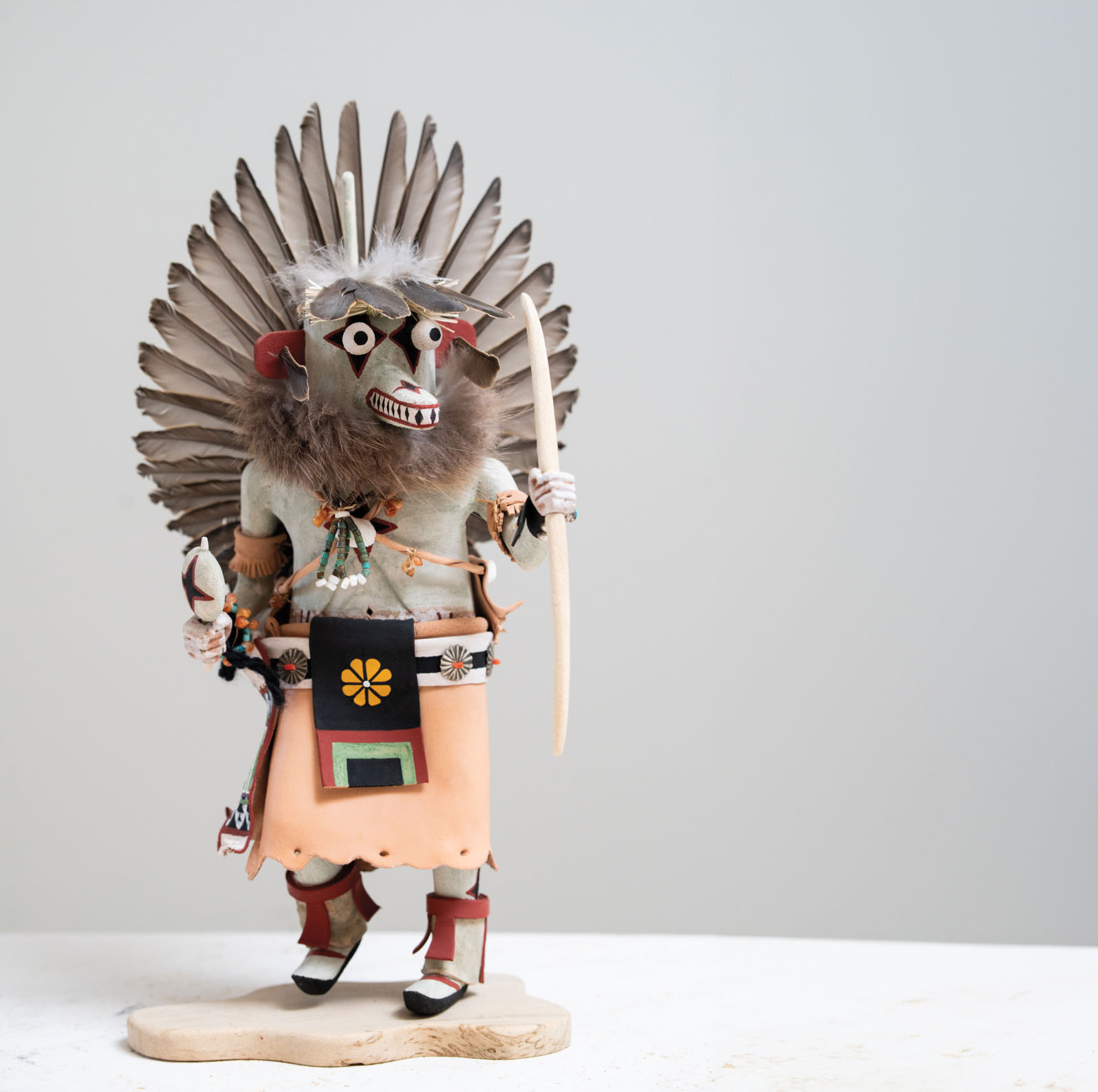 Figure 9. Shawn Deel (Hopi), Sakwahote (Blue Star). Anna Walsh photograph.
Shawn further describes, “As I started carving katsinam more like my great grandfather, I had the idea of combining his style with my uncle’s. I learned a lot from watching Ron making contemporary katsina carvings using the ultra-realistic style. When I took the time to carve the details of the muscles in the chest and arms, the katsina looked so much better. When I focused on creating the hands, knuckles and fingers as they would look when holding a rattle or bow, it captured the realism I was looking for. By using natural pigments for the paint and real feathers, it kept it traditional, but the realistic movement and details captured the way the katsina looked when they performed in the plazas. This made it different from what everyone else was carving. I really liked how they came out.”
Note the anatomic details in the carving seen in Figure 10, a Sowi’ngwa or deer. This Deer Dancer features natural pigment paint, moss collar and turkey feathers on visor and walking sticks. Leggings are crocheted cotton with handmade silver bells, bow guard is tufa cast silver with a deer hoof print design. Necklace and bracelets are Kingman turquoise, melon shell heishi and Mediterranean coral. There are rawhide leather armbands and the skirt is painted over douma whitewashed canvas with a braided belt and sash.
As another example, carefully examine Figure 11, a matched pair of Yotse or Apache katsinam by Shawn. This pair has miniature hand-cast silver rifles. The minuteness of these firearms requires great skill to cast realistically.
There is a beauty, a rhythm and sense of dynamism in Shawn’s katsinam. As an artist, there is a consistency in the trajectory of his carvings. The creativity and innovation that highlighted the metamorphosis from Shawn’s earlier style continues today. In each of his carvings there seems a small but exciting feature or detail that was not in his previous work—a subtle evolutionary step forward from the last. In many cases, those little creative advancing steps are seen in the authentic miniature versions of the clothes and jewelry Shawn adds to his tithu.
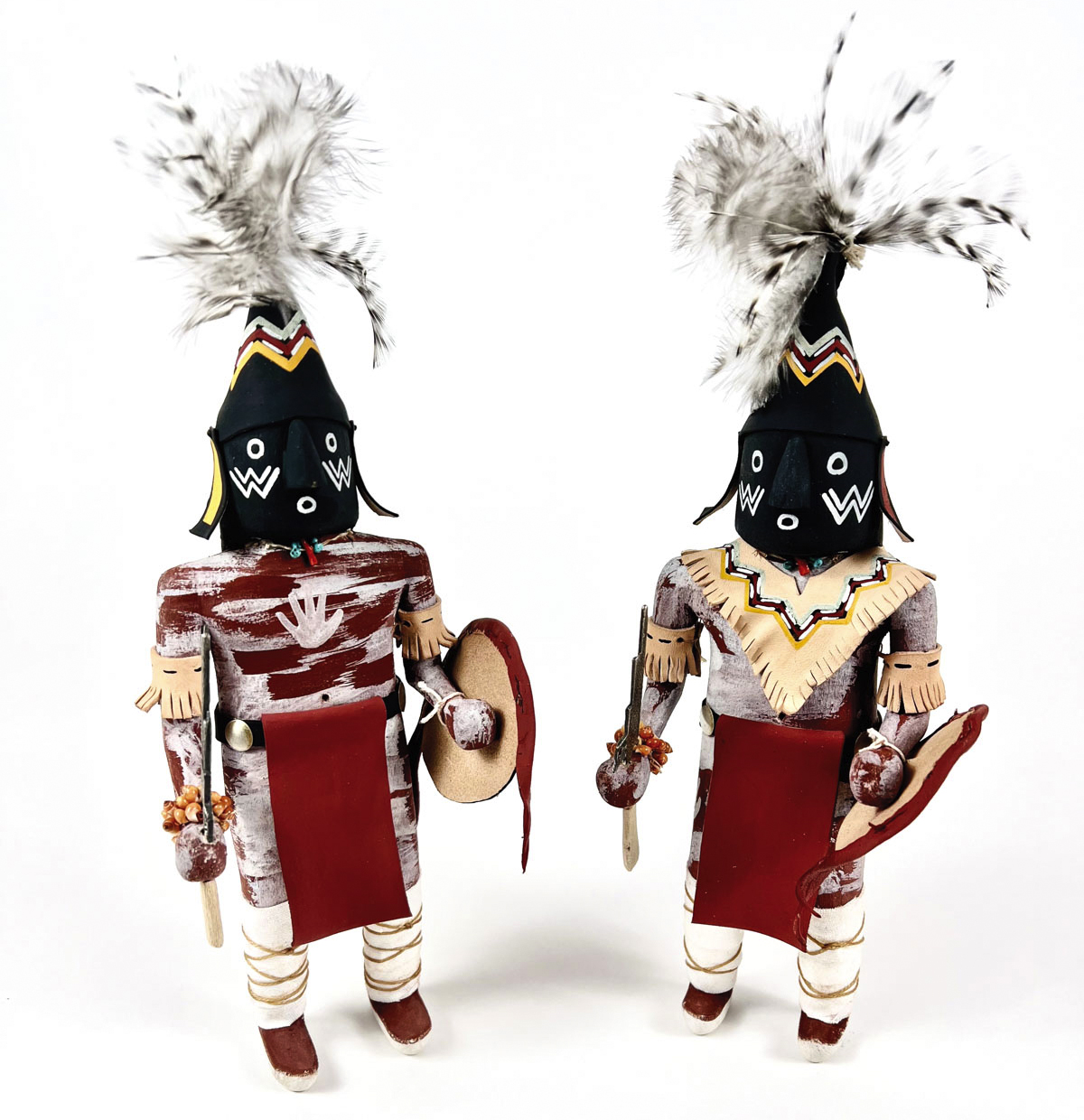 Figure 11. Shawn Deel (Hopi), Matched pair of Yotse'e or Apache katsinam.
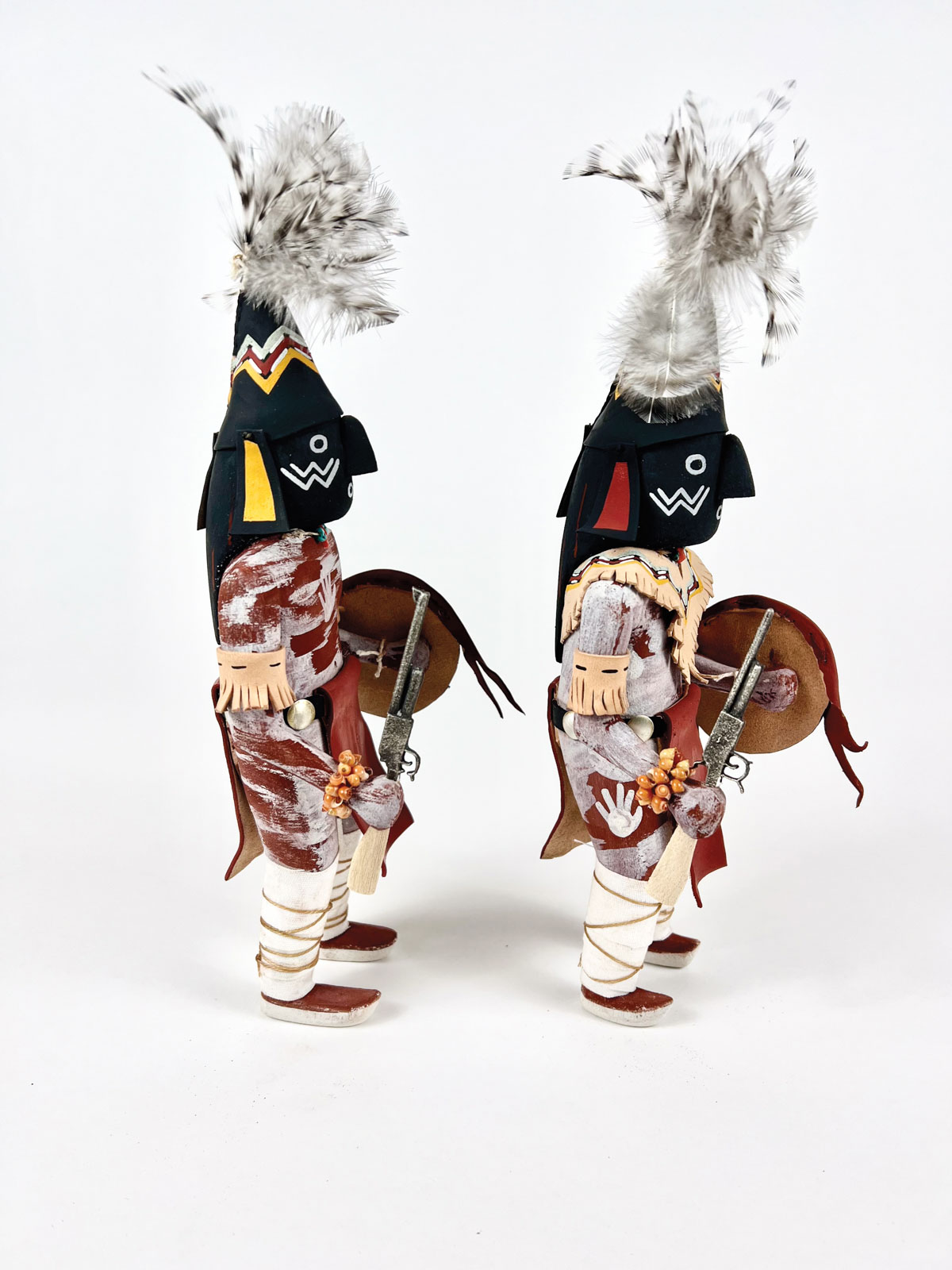 Figure 11. Shawn Deel (Hopi), Matched pair of Yotse'e or Apache katsinam.
“I’ll see something and it will get me to thinking,” Shawn says. “I wonder how that would look on a tihu? Then I go about trying to figure out how to make it. My mother and grandmother have helped me learn how to sew and recently I’ve started learning how to make real moccasins.”
But it’s the use of jewelry that really sets Shawn’s work apart. “I really love working with silver and using it on my katsinam, but it’s difficult. Silver is unforgiving, There are no shortcuts. I’m a perfectionist when it comes to this so when I make a mistake or something doesn’t quite look right, I take a deep breath, melt it back down and start again. There’s probably 15 steps to making a concho. It might take me three or four tries to make one that is up to my standards and if I put four or five on a belt there is a lot of time that goes into it. Recently I made butterfly conchos with repoussé features to add to a belt with coral inlaid shell conchos. It came out great but working in miniature is not like normal jewelry making. I can’t just hold something in my hand to work with it. I have to use a magnifying glass, and it’s caused me to have to create special tools. Most of them are made from items I find lying around the house. I remember being home for dinner once and my mother mentioned we were missing a fork. I sat there knowing that the fork was in my workshop but it’s not a fork anymore, it’s been modified…now, it’s a chisel. And it’s a really good chisel. I use it to engrave fine lines into my tufa stones for silver casting.”
In using the same techniques that are used in creating that which is worn by the actual katsina dancers, but in miniature, Aaron Fredericks and Shawn Deel are delighting savvy collectors with their creations. Although their works are designed in their own intimate and personal voices, they both approach the art of katsina carving in a way that balances the simplicities of the traditional style and the complexities of contemporary styles. And in so doing, they have brought to life a beautiful and unique style all its own: traditional/realism.
Creative artistic growth and evolution is both rewarding to artists and exciting to the collectors of their work. Simultaneously, it presents challenges to those who hold events where artistic competition and judging is involved. Artistic works that don’t fit neatly into historically agreed-upon categories often get lost amid the crowd and overlooked.
In the 1967 Gallup Inter-Tribal Indian Ceremonials, famed San Ildefonso potter Tony Da was just starting his career. When he arrived with his revolutionary unique style of pottery, the jurors, having never seen anything like it, chose to create what has now become known as the non-traditional category, so that it could properly be judged. All of his pieces won.
Similarly, but less satisfying was the experience of famed Santa Clara potter Joseph Lonewolf. When entering his first competition in the early 1970s with what is now commonly recognized as sgraffito-designed pottery, all of his work was rejected and returned to him as it did not fit into a judged category.
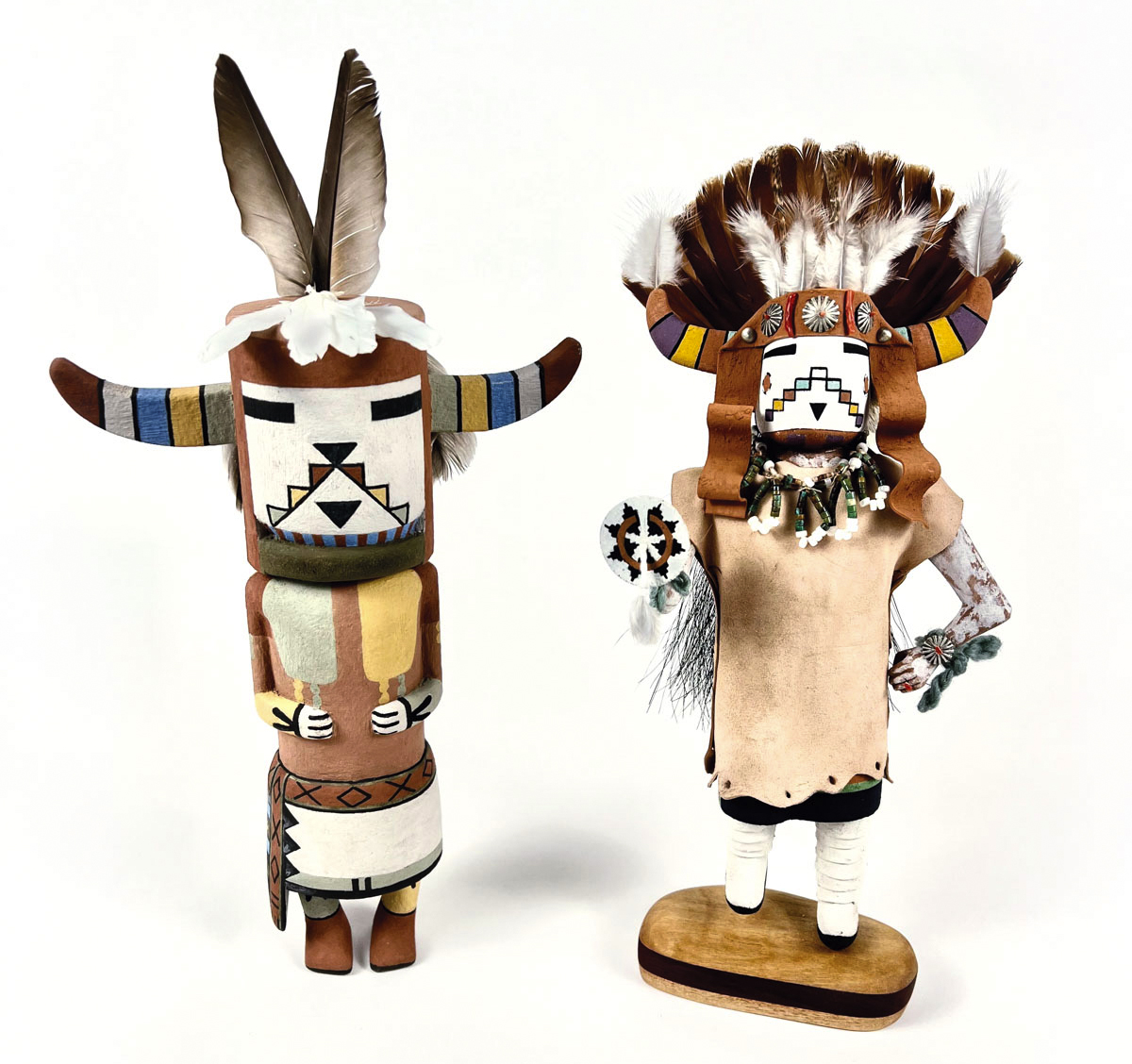 Figure 12. Manfred Susunkewa’s Havasupai male, left, with Shawn Deel’s Havasupai male. Anna Walsh photo.
Aaron Fredericks shared that when he entered his exceptional Angwusnasomtaqa (Crow Mother) (see Figure 4) in the Heard Museum’s recent 22nd Annual Katsina Doll Marketplace, he was asked by officials, “What category are you entering?” He responded with “traditional.” It was explained to him that the jurors didn’t see it as traditional but recognized that neither was it “contemporary” (the common description for the ultra-realistic and sculptural styles) by the normally accepted standards. They decided to put it in the contemporary category. Later they explained to him that if there is an exceptional piece that doesn’t easily fit into a recognized category, they prefer to acknowledge pieces like his with special creative achievement awards if there is adequate sponsorship.
The Santa Fe Indian Market has recognized this challenge in the pueblo wood carving classification for a number of years and in 2023 chose to address it by adding a category called “boundary” to each of its traditional and contemporary divisions. However, organizers of Native American art competitive events have decided to handle this traditional/realism style of katsina carving as an exciting and beautiful new addition to katsina art legacy—and it looks like it’s here to stay.
In closing this article, consider one more photo, Figure 12. Here we have a side-by-side image of a fine Manfred Susunkewa traditional-style Havasupai male next to the same figure by Shawn Deel. The combined image alone illustrates the artistic innovation and creativity of the traditional/realistic style. As always, the spiritual power of Hopi katsina art remains alive and well.
Powered by Froala Editor


