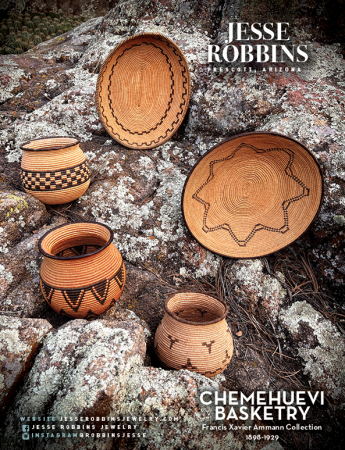
Pre-dating pottery and stone carving, basketry is a very ancient craft (8000-6000 B.C.), but there are not many actual examples that exist because, by nature, baskets are made of fragile and biodegradable materials.
As a craft of necessity, basket weaving has been used for everything from sandals to sleeping mats, huts, nets for catching fish, wind shields, holding pens for animals, seed hoppers and even wine strainers.
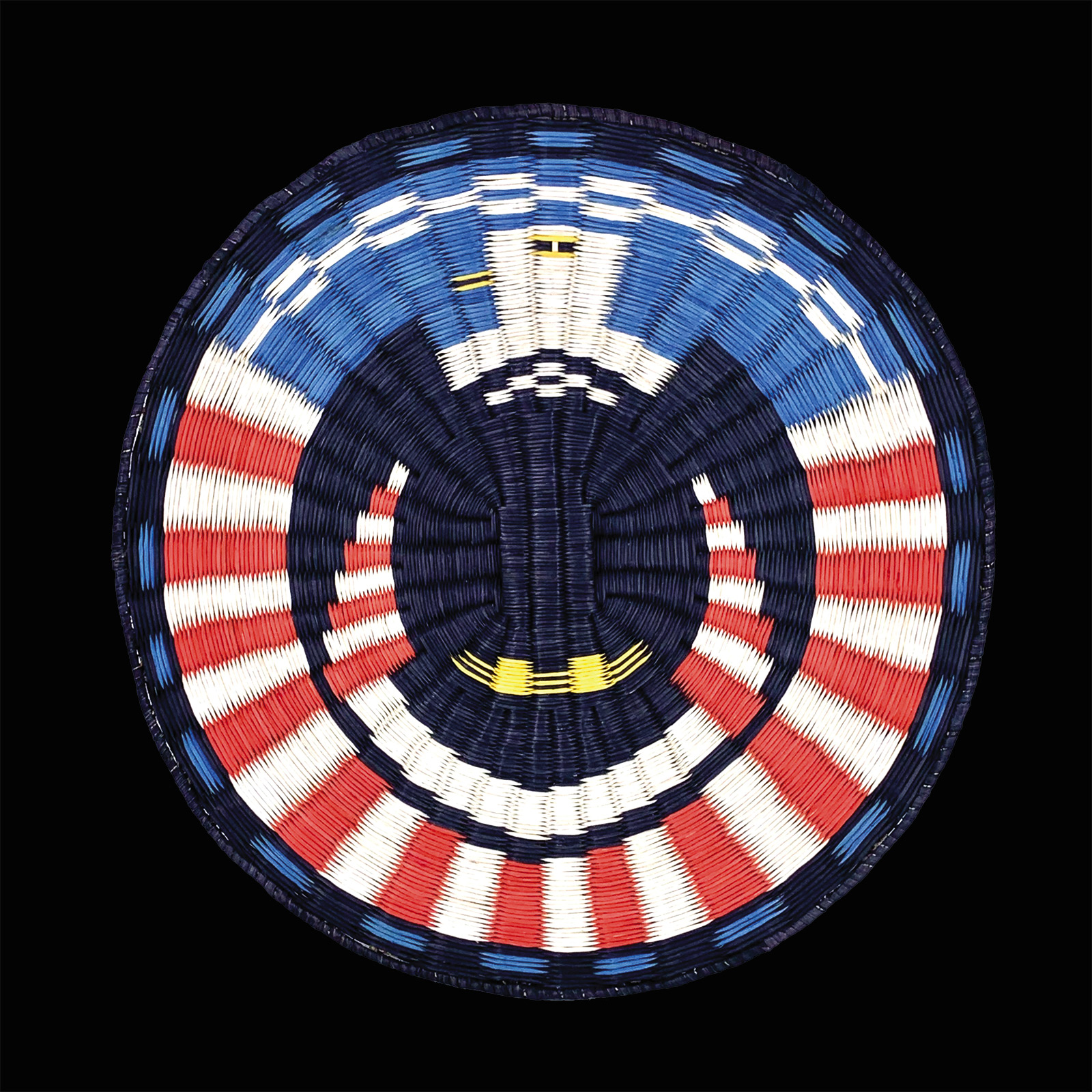 Wilmetta Kayquoptewa (Hopi), eagle basket, rabbit brush, 13”. Courtesy Ancient Nations.
The earliest example of basketry found in the Americas was in Danger Cave, Utah, where pieces of twined baskets and sandals, dating back to 7000 B.C., were found. The oldest baskets have been found in the American Southwest due to the dry climate which helped preserve baskets that are 8,000 years old.
As such an important part of Native American life, each basket was created for a specific purpose, but over time became a form of art or fine craft.
It’s a specific, time-intensive skill, whether coiled, twined or plaited using a variety of native plant materials, and sometimes an awl and a knife. Basket weavers tend and harvest many varieties of plants on a yearly basis—willow, honeysuckle, palm, conifer root, sweet grasses, ferns and yucca are just a few depending on the climate.
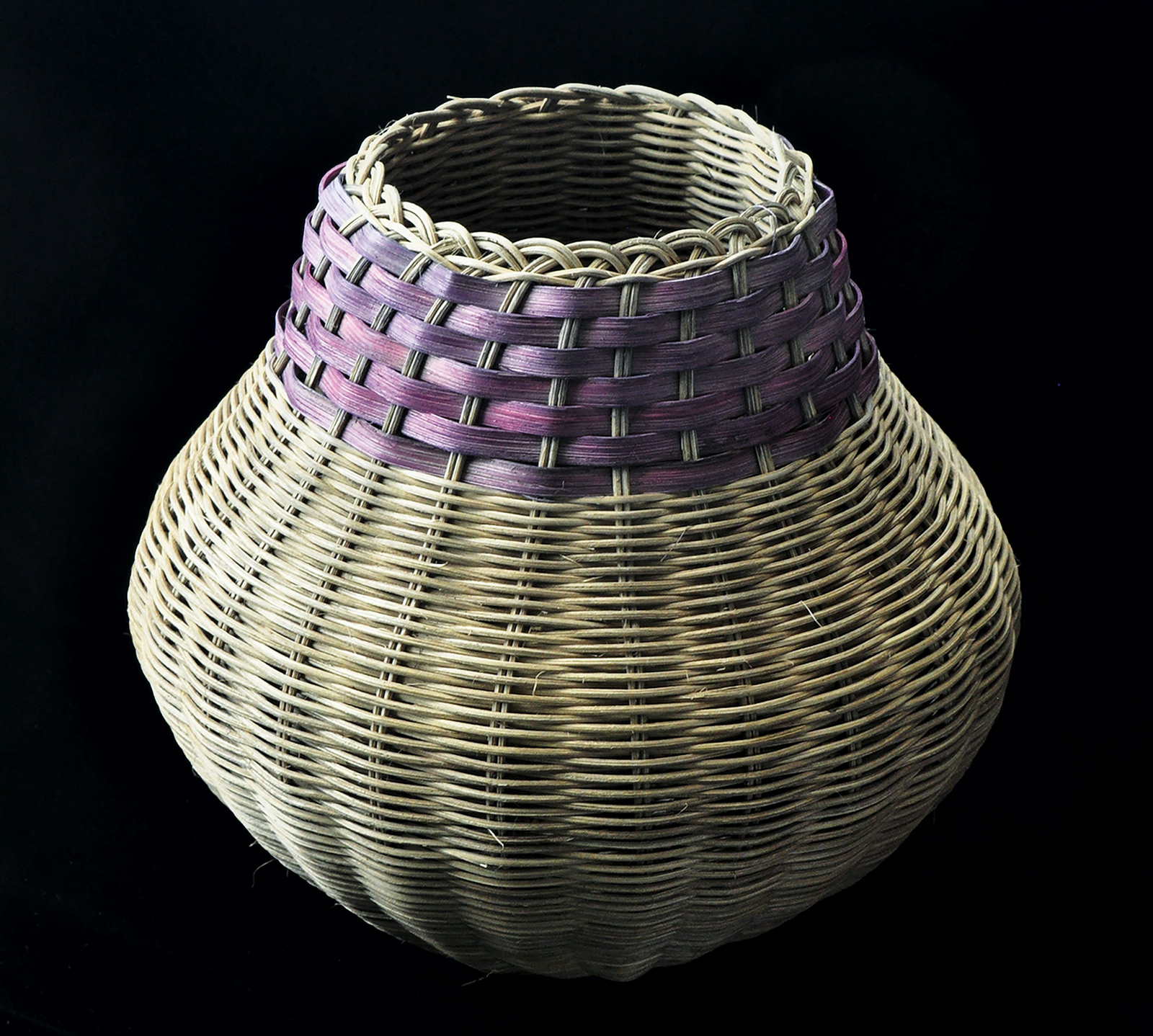 Mary Aitson (Western Band of Cherokee), basket with purple weave, honeysuckle and buck brush
The preparation of weaving materials can take as long as the weaving process itself, and modern basket makers cite a dwindling supply of traditional plants and dyes they have traditionally depended on. Contemporary weavers create new shapes and sizes, adding to the beauty and value of a basket. Those factors have made collectors recognize baskets as works of art.
Basket weaving is experiencing a revival among tribes, many contemporary weavers learned their craft from their elders and now teach specialized instructional courses and give demonstrations. Hopi elder Wilmetta Kayquoptewa, a recipient of the Native American Art Award of Excellence at the 2021 Santa Fe Indian Market, has lived on the Hopi Third Mesa in the village of Hotevilla her whole life. She learned her art from the women in her family from start to detailed finish. Kayquoptewa is considered a master basket weaver for her colorful designs of Hopi figures and animals. She won the Hand Director’s Award at the 77th annual Hopi festival for her ceremonial Cape Plaque. Her designs are hand-plaited coil with Hopi rabbit brush fiber and wicker, usually 9 to 13 inches across.
Exhibiting at the rainy Santa Fe Indian Market in August, where she won a first-place award, she was sharing a booth with her son, Erik, and spoke about how she got started. “I was about 14, I learned from my mom, we lived in the Hotevilla Third Mesa. I learned a technique from her that was small size but when I show and sell they just don’t want the small ones. So I learned to make larger with faces and kachina spirits,” she says, adding that being given an award among hundreds of artists is a grand honor. “I’m very glad to have won, and I know my son is proud of me, I am very much enjoying it.”
She has been exhibiting more than six years with her colorful, intricate baskets. The baskets are true works of art. “People that buy them mostly hang it on the wall,” she says. Her process has had to change over the years as the climate changes. “We used to use other types of plant fibers, boil it up and get the color, but now everything is dry, so we can’t find the colors no more. So now we are using the commercial dyes. Things change,” she shrugs, “so [we are] doing a commercial dye now.”
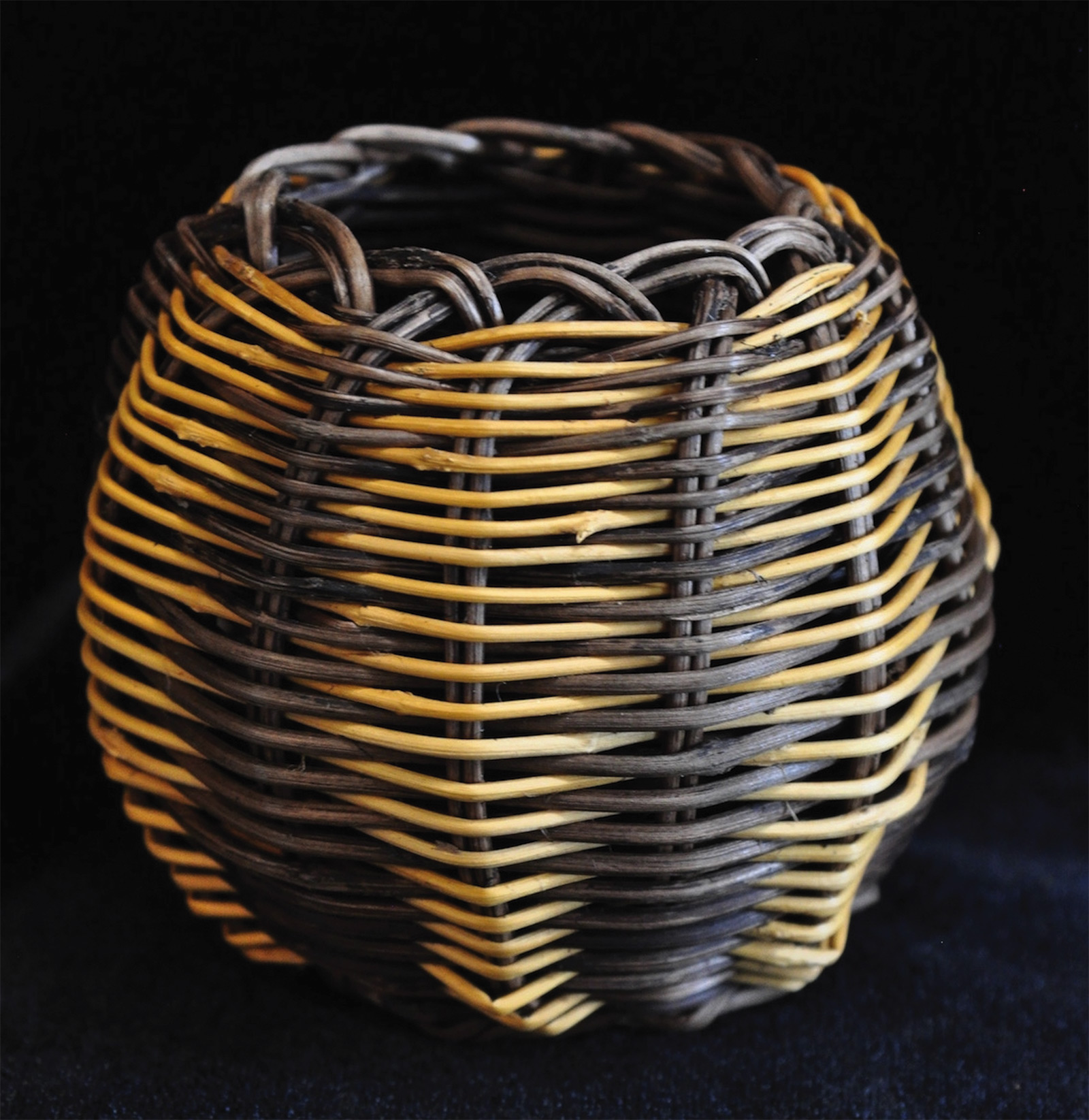 Mary Aitson (Western Band of Cherokee), miniature honeysuckle basket, honeysuckle and buck brush
“That one I do this year,” she says gesturing to the award-winning black-and-white Hopi dancer figure with a rainbow arched over his head. “We gonna pick the fresh ones soon, like rabbit bush. We use that and then we dye with the black color.”
From the Western Band of Cherokee, basket maker Mary Aitson, of Woodward, Oklahoma, is a master visual artist and teacher, who has supported Indian art her whole life. Aitson was given her mother’s Cherokee allotted lands in Adair County, Oklahoma, and grew up in Scraper Hollow, a place named in honor of her great, great Grandfather, Captain Archibald Scraper of the 2nd Regiment, Indian Home Guard.
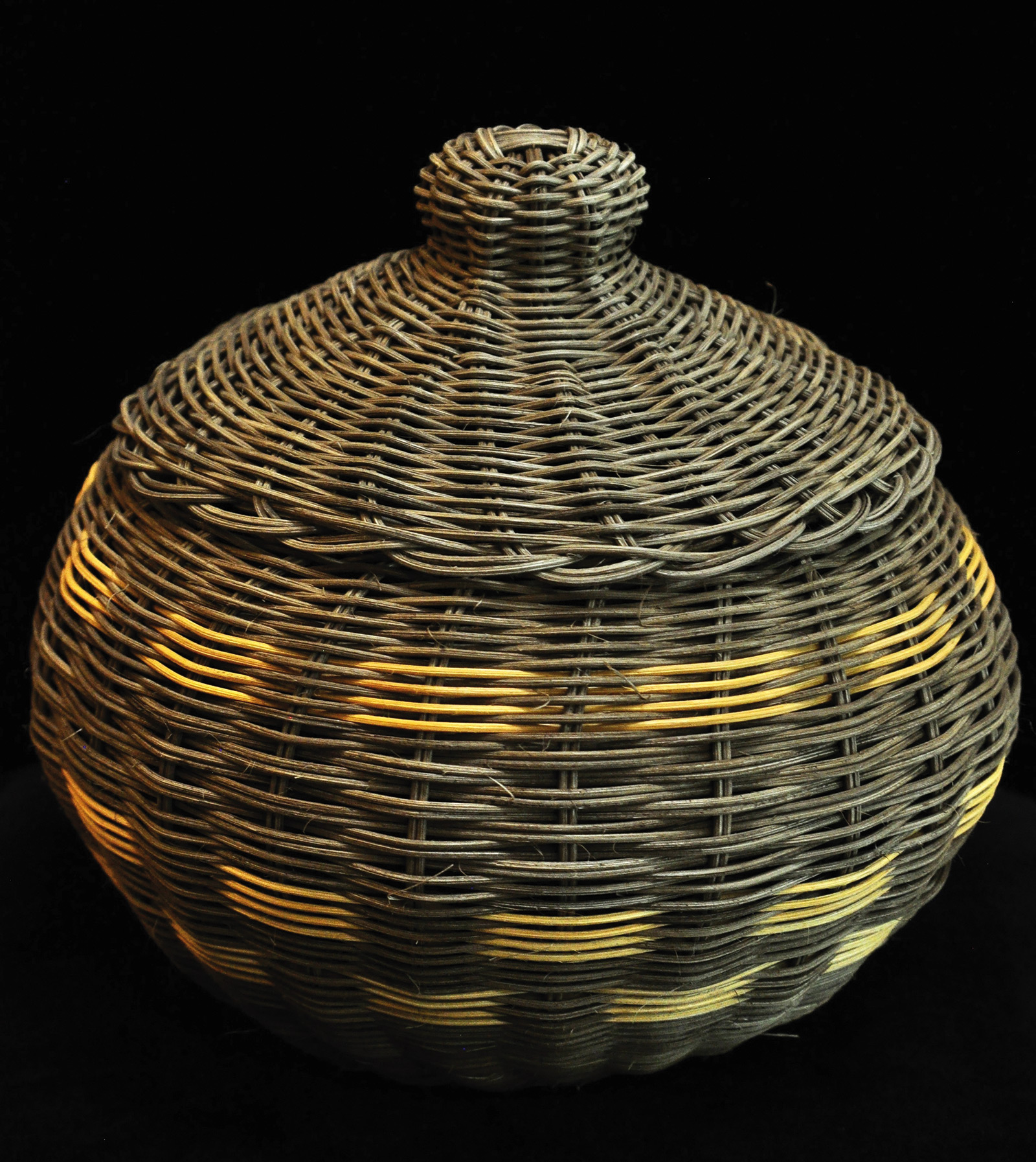 Mary Aitson (Western Band of Cherokee), lidded basket, honeysuckle and buck brush
A graduate of Stilwell High School, she earned both a Bachelor of Science and Masters degree from Northeastern Oklahoma State University in Tahlequah. After teaching sixth grade for 38 years, she became a traditional basket maker 20 years ago after studying with master Mavis Doering. Aitson’s cultural designs use native materials of honeysuckle and buck brush. Her natural dyes are from black walnut and blood root as well as blueberries, elderberries and pocketberries. She also embraces non-traditional natural dyes of red onion skins and peach leaves. Her baskets have been exhibited all over Oklahoma, including at the Southern Plains Indian Museum in Anadarko; Kirkpatrick Galleries in Oklahoma City; Plains Indians and Pioneers Museum in Woodward; and the Red Earth Art Center in Oklahoma City.
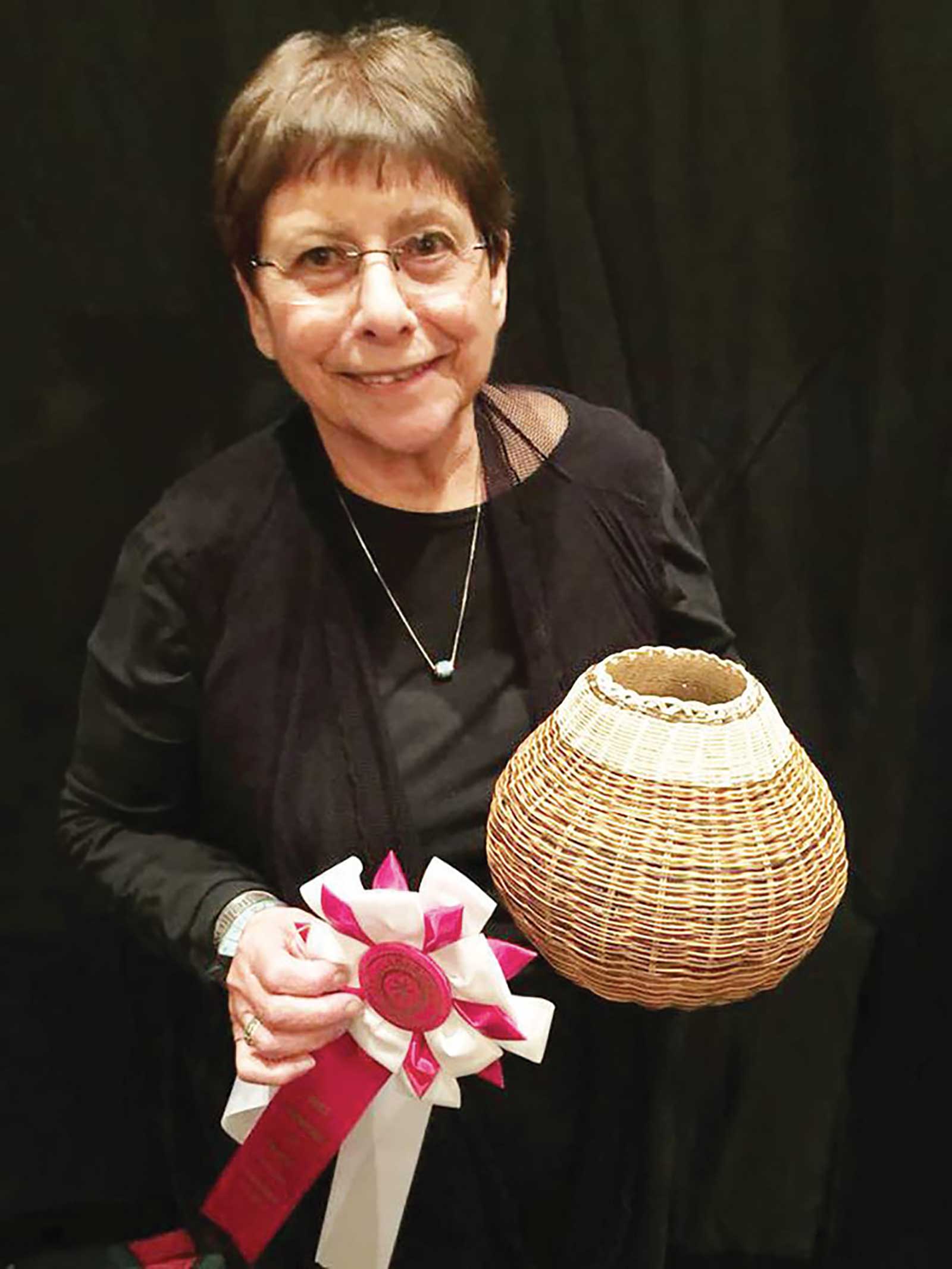 Mary Aitson (Western Band of Cherokee) with one of her award-winning baskets.
“I spent 38 years in the classroom teaching sixth grade,” Aitson says from her Santa Fe Indian Market booth. “When I was near retirement, I thought I needed to have something to do, so I took a weekend of basketry at a mountain lodge in Southwest Oklahoma from a friend of mine named Mavis Doering. She was already a master weaver, and had won many awards. I thought if I hit a snag, I can call Mavis and she can help me out. My mother was a fluent Cherokee speaker, but she was not a basket weaver…So I didn’t get this from my mother. and I thought, I really need to delve into my heritage, so I’m just going to weave baskets for fun. And then my daughter was in college at University of Central Oklahoma, and she belonged to an organization when I started weaving baskets. They used my baskets for table decorations, and then people began to ask about buying them and I thought, well, maybe I would sell a few baskets.”
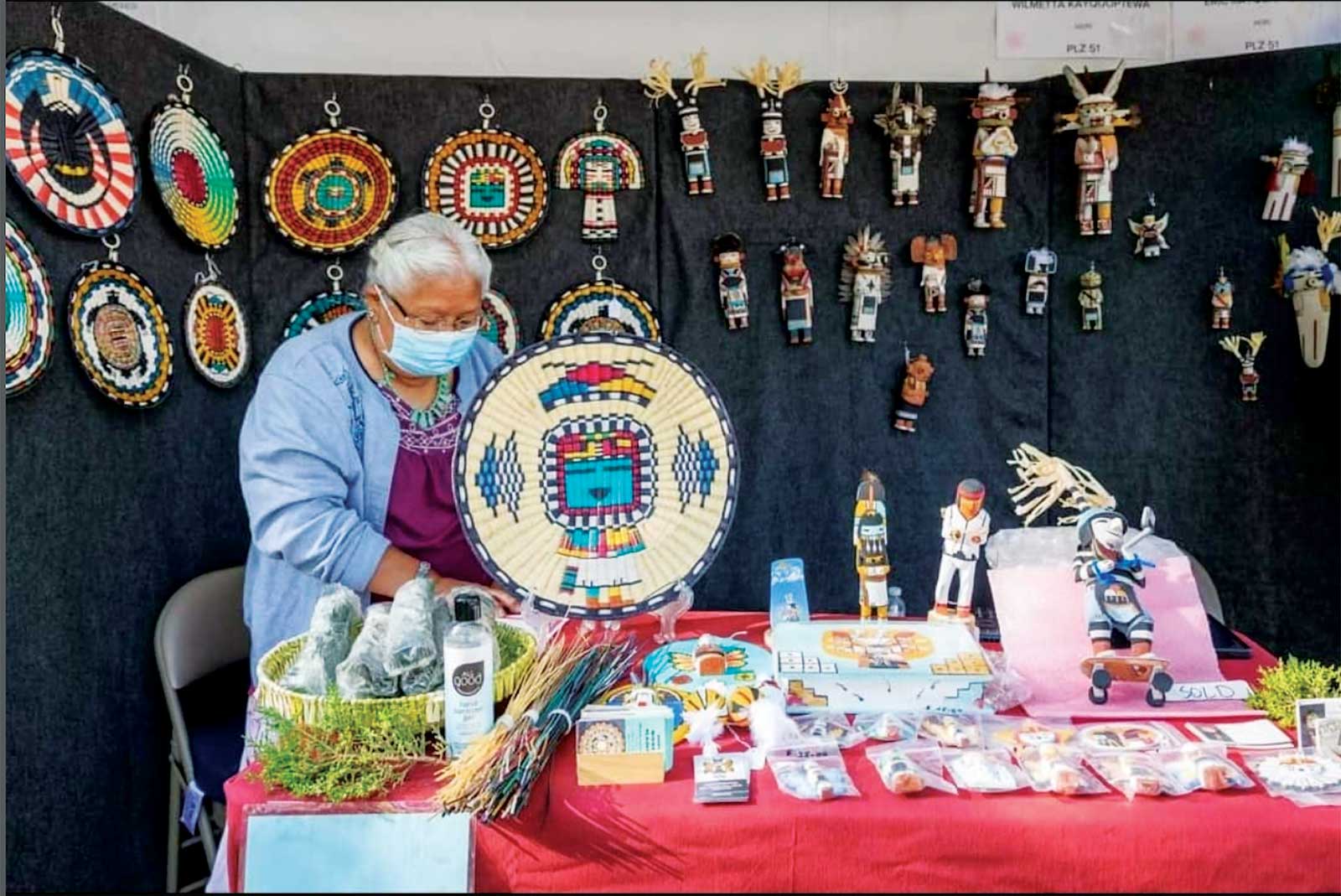 Wilmetta Kayquoptewa and son, Erik, display at 2021 Santa Fe Indian Market. Courtesy the artist.
As she learned the traditional techniques, she began to develop her own style. “I wanted to do the traditional Western Cherokee double wall basket. That was the one that I liked. I went back to the heritage center and took a workshop with a lady that taught Mavis, who taught me to make sure I am doing everything authentically. I began to weave with honeysuckle and buck brush, because that’s traditional material for Western Cherokee basketry,” Aitson says. She took the new traditional baskets to holiday markets where they sold well. In 1996, Mavis urged her to jury in at the prestigious Red Earth Festival in Oklahoma City. “But I didn’t win a thing. And I thought, ‘OK, I’ll do better in 1997.’ I started winning and I saw my baskets go out the door at the preview. And I got first and third. So then I knew this is what I need to be doing, using traditional material and traditional dyes. In 1998, I juried in at Santa Fe [Indian Market] and I won third place in basketry my first year.”
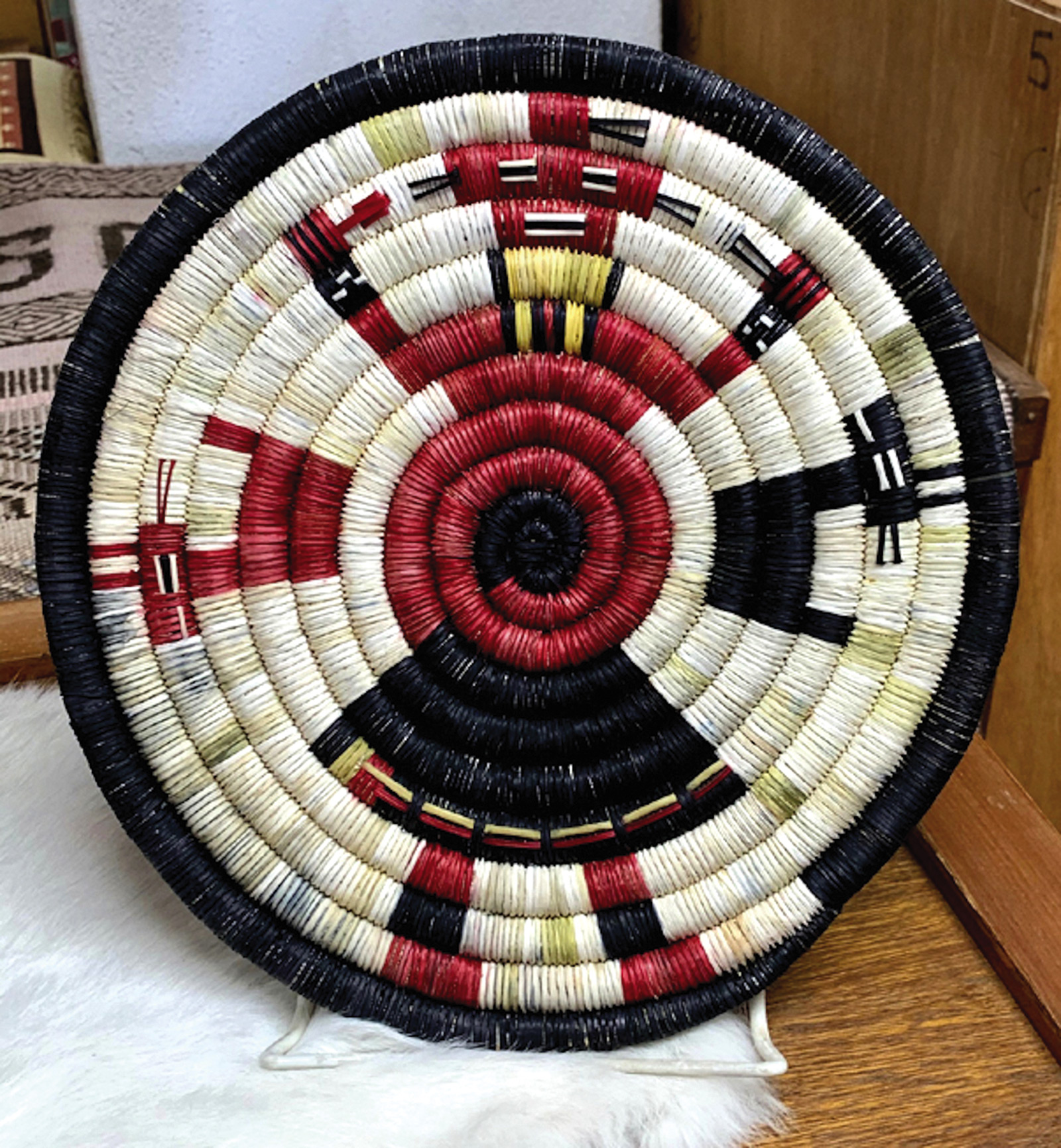 Wilmetta Kayquoptewa (Hopi), Mudhead and Deer basket
She continues: “It was a smaller market then, they said we don’t have a booth for you, but you can sit in the park and weave to demonstrate your baskets and sell them. I did that for five years. I’ve won several awards in the miniature division of basketry also.”
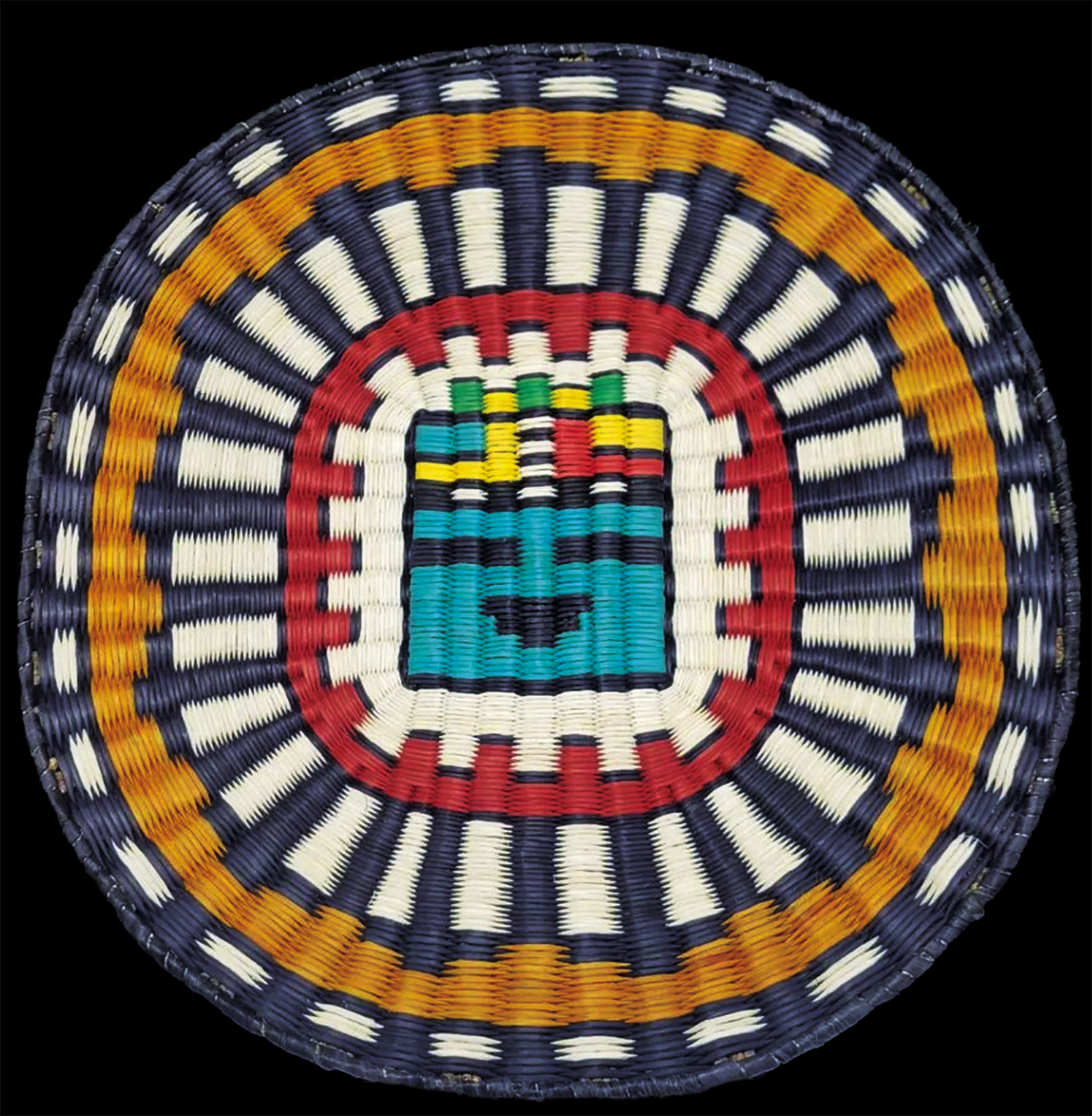 Wilmetta Kayquoptewa (Hopi), basket, rabbit brush. Courtesy the artist.
Aitson has had such success with the baskets she has not even had to be a substitute teacher. “I did some workshops for Red Earth, some camps and they ask me to teach these students. I grew up in Scraper Hollow, which was named after my great, great grandfather, who was a delegate to Washington for the Cherokee Nation and a Captain in the Union Army. This place was named after him. And that’s where my mother’s allotted land is. I now own most of my mother’s allotted land as it passes to members of the family. It’s my home, but my basketry has taken me places I never would’ve gone.”
Powered by Froala Editor