Beginning in early November, the National Museum of the American Indian presents Developing Stories: Native Photographers in the Field, a series of photo essays by three Native American photographers. What began as a call for proposals, has culminated into beautifully sequenced stories of around 15 photographs that “closely examine serious issues that face contemporary Native people in their everyday lives,” explains museum curator Cécile R. Ganteaume.
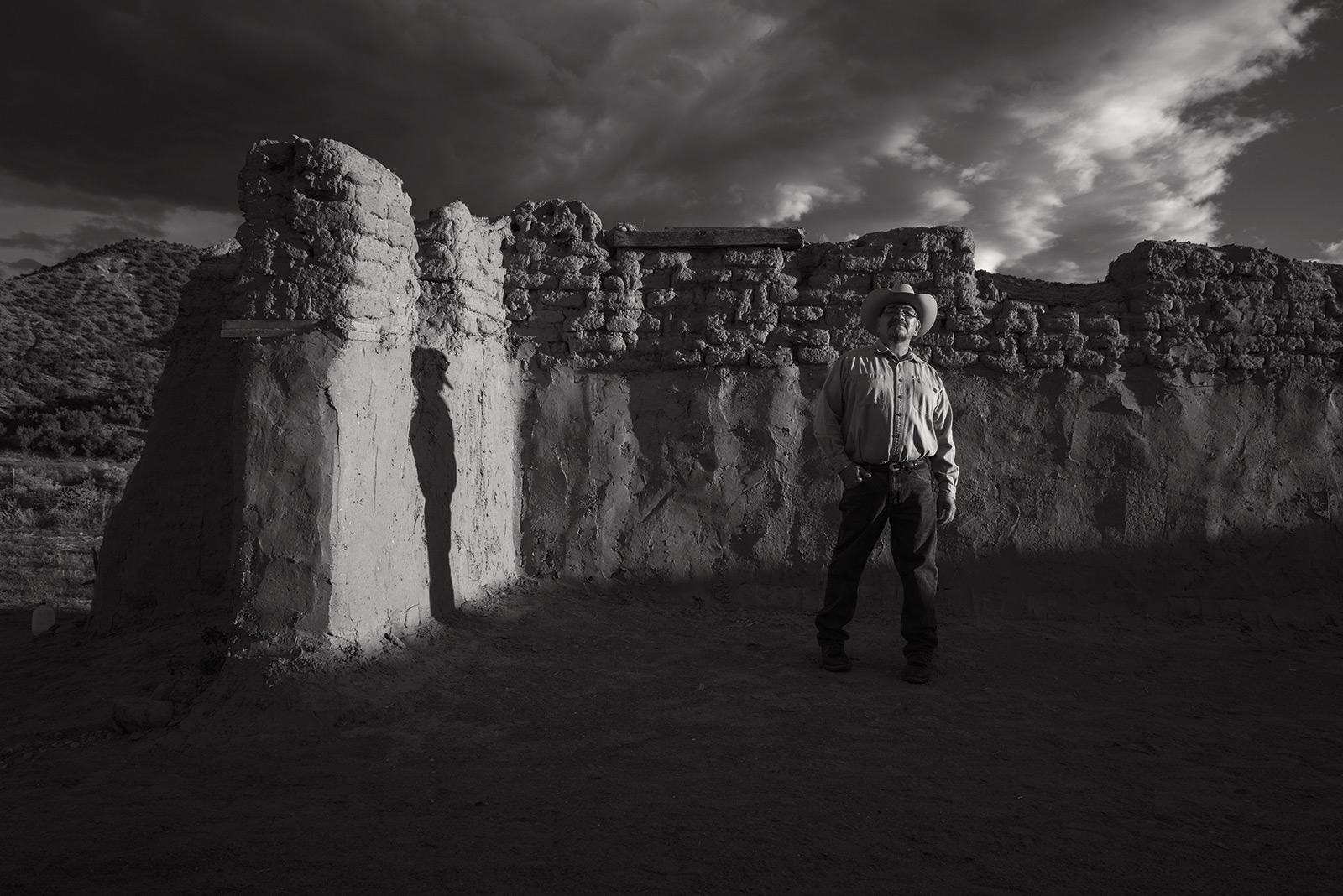 Russel Albert Daniels (Diné), Genízaro Delvin Garcia standing in remains of 18th century Santa Rosa de Lima Church, Abiquiú, New Mexico. Photo @ Russel Albert Daniels, 2019.
She continues on to more clearly define what a photo essay is, and what it means for this particular exhibition: “[A photo essay] is an arranged sequence of compelling photos that tell a story. We wanted to have both personal and social relevance and for the work to be newsworthy…The stories were meant to be told with minimum text, so that the photos really carry the story.”
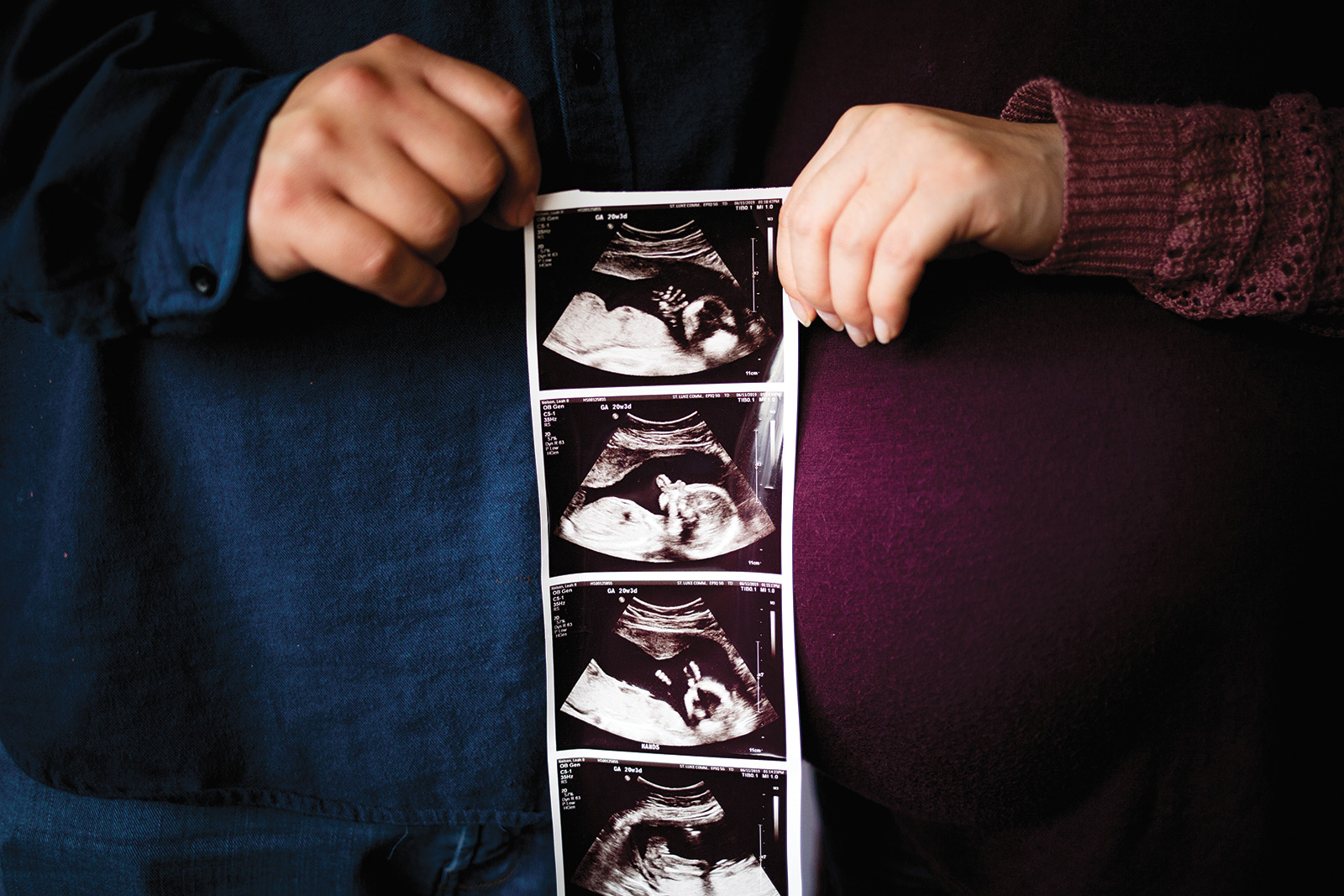 Tailyr Irvine (Salish/Kootenai), Micheal Irvine and Leah Nelson hold their daughter’s sonogram. Flathead Indian Reservation, Montana. Photo @ Tailyr Irvine, 2019.
The museum worked with two consultants in choosing and guiding the photographers through their process: Tristan Ahtone (Kiowa), editor at large at Grist and former editor in chief at the Texas Observer, and John Smock, director of photojournalism at the Craig Newmark Graduate School of Journalism at the City University of New York. What resulted is an extraordinary look at the lives and interests of photojournalists Donovan Quintero (Navajo), who documented the impact of Covid on the Navajo Nation; Russel Albert Daniels (Diné), who examines the history, including his own, of the Pueblo of Abiquiú in Northern New Mexico, a two century old community made of the Genízaro people (a Hispanic and Native ethnicity) who were forced into slavery by the Spanish; and Tailyr Irvine’s exploration of the blood quantum system (know as the amount/percentage of tribal affiliation in a person’s ancestry) based on her interviews of “Indigenous residents in Missoula and on her own Flathead Indian Reservation in Western Montana,” reads the exhibition press release.
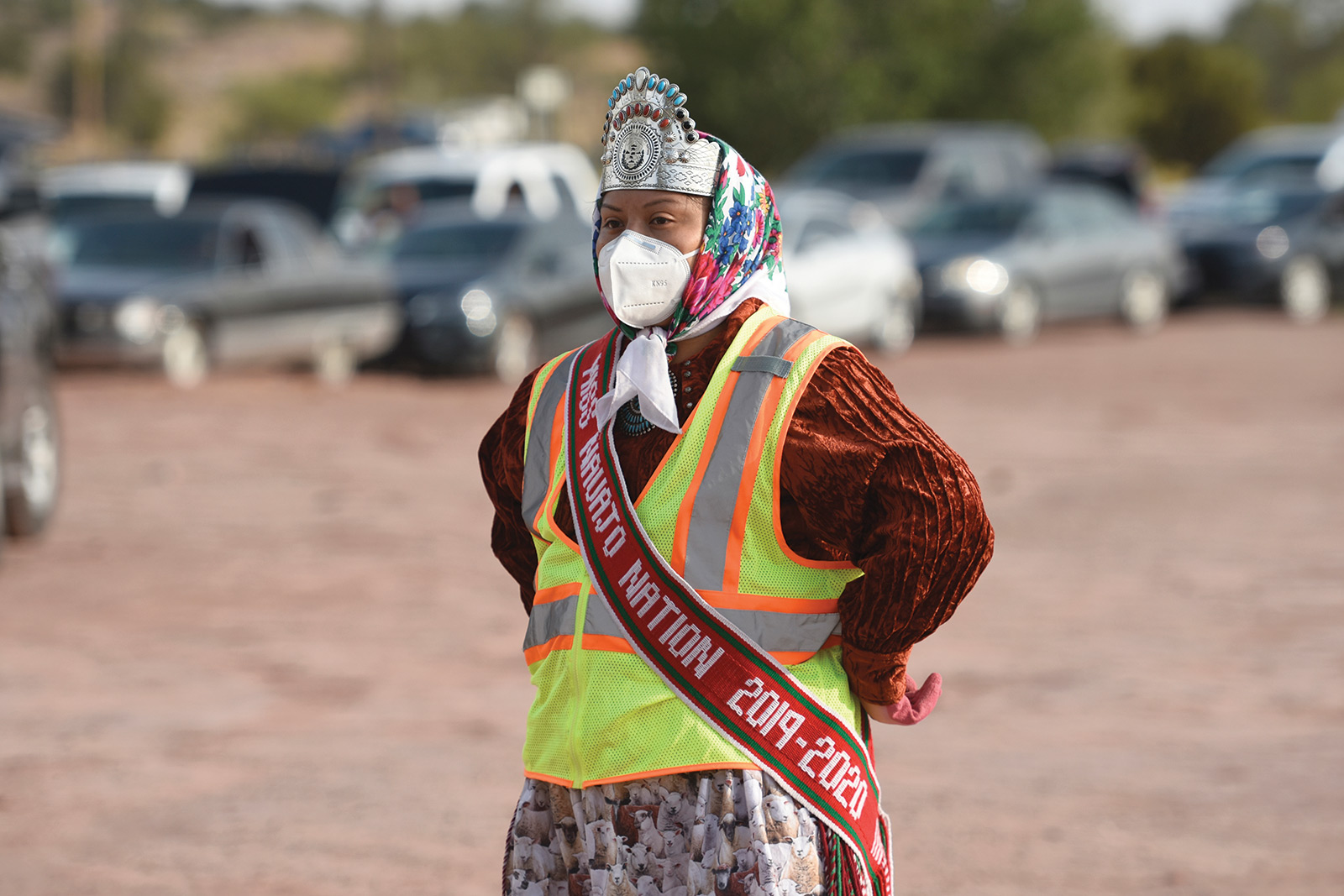 Donovan Quintero (Navajo), Miss Navajo Nation Distributing Food, Ganado, Arizona, Navajo Nation, October 2, 2020. Photo © Navajo Times, 2020.
In one image by Irvine, pictured here, we see a sonogram held by Michael Irvine and Leah Nelson. “Many Native Americans are facing great challenges in choosing partners today,” the museum explains. “In part, these pressures stem from U.S. government regulations that determine who is ‘Indian’ and influence tribal enrollment requirements. For those American Indians who wish to have children and enroll them in their own tribes, such definitions can sway who they choose as their partners. Native parents such as Michael Irvine and Leah Nelson…know these regulations will affect their children in a myriad of ways throughout their lives.”
Also pictured here are examples from the other series, like Daniels image of Delvin Garcia, a Genízaro man, standing in what remains of the 18th-century Santa Rosa de Lima Church. “Daniels looks at the genesis of this community,” says Ganteaume, “and how it lies in violence, slavery and survival. He’s very much also looking at how this community is acknowledging its history and how it’s also moving on from it.”
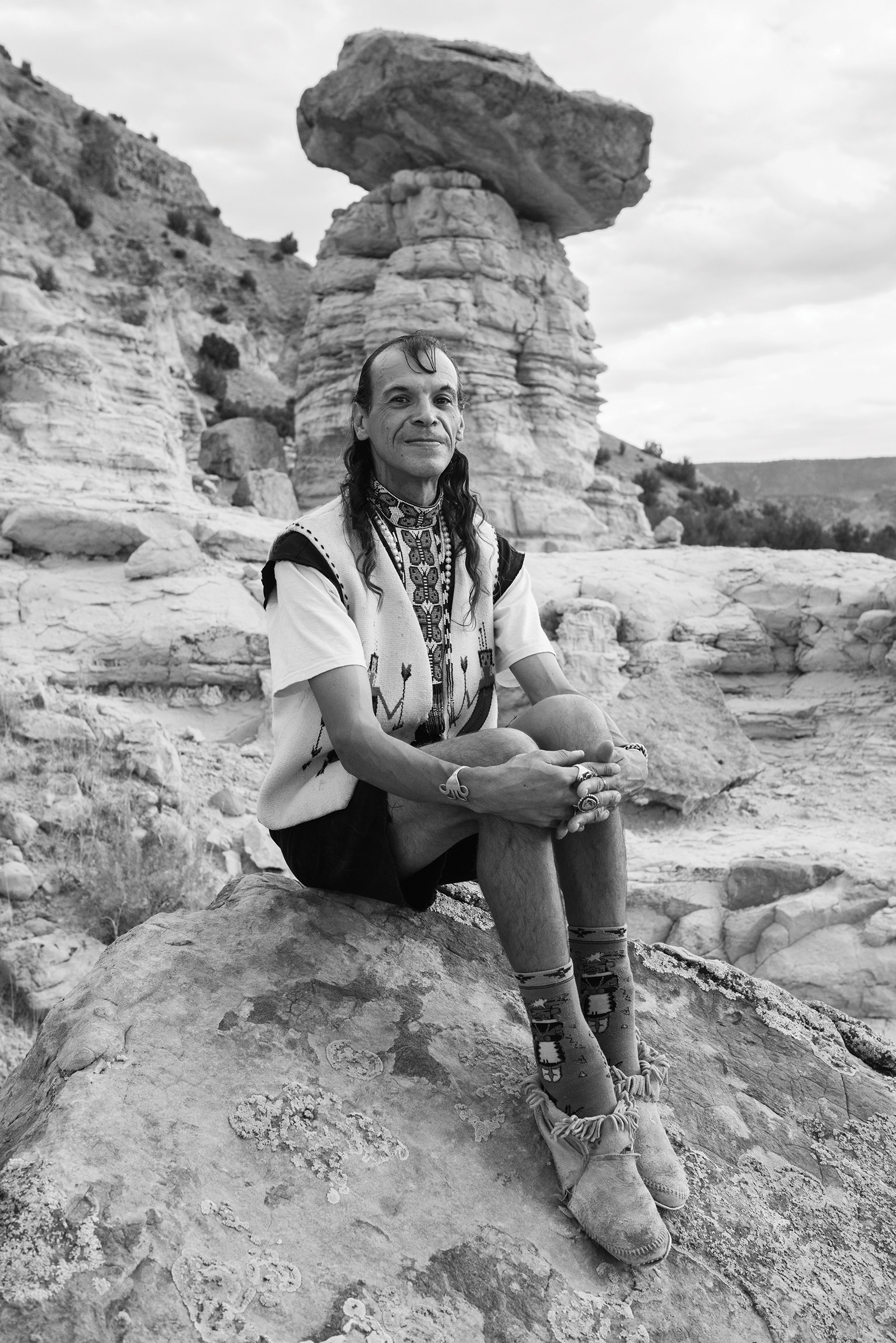 Russel Albert Daniels (Diné), Genízaro Maurice Archuleta in the high desert surrounding Abiquiú. Photo @ Russel Albert Daniels, 2019.
In Quintero’s photo Miss Navajo Nation Distributing Food, “he was documenting how Covid impacted the Navajo people,” says Ganteaume, “but what he was really after was the resiliency of the people and how they dealt with this disruption in their lives. [In this piece,] we see Shaandiin Parrish, Miss Navajo Nation, taking a brief pause while distributing food to Ganado community members. A political science graduate from Arizona State University, Parrish was selected as Miss Navajo Nation in September 2019. Since the Covid-19 pandemic began, she has been traveling across the Navajo Nation distributing food to Diné families.”
What the museum and Ganteaume hope that viewers take away from the exhibition, is the importance of telling modern, Indigenous stories. “[These photographers] are looking at Indigenous people and how they’re living their contemporary lives today,” she says.
November 3, 2022-March 12, 2023
Developing Stories: Native Photographers in the Field
National Museum of the American Indian
Alexander Hamilton U.S. Custom House, 1 Bowling Green, New York, NY 10004
212-514-3700, www.americanindian.si.edu
Powered by Froala Editor