There is power in culture, heritage and history, but there is also power in our physical surroundings. The ground gives different clays. The trees produce different wood and bark. The wilderness is inhabited by different animals. It’s those differences—sometimes subtle, sometimes glaringly apparent—that set the baseline for the artists of any particular region. And it’s those differences that radiate energy all around the country, from the deserts of the Southwest and the Pueblos, to the temperate forests of the Northwest Coast, to the grassy vastness of the Great Plains.
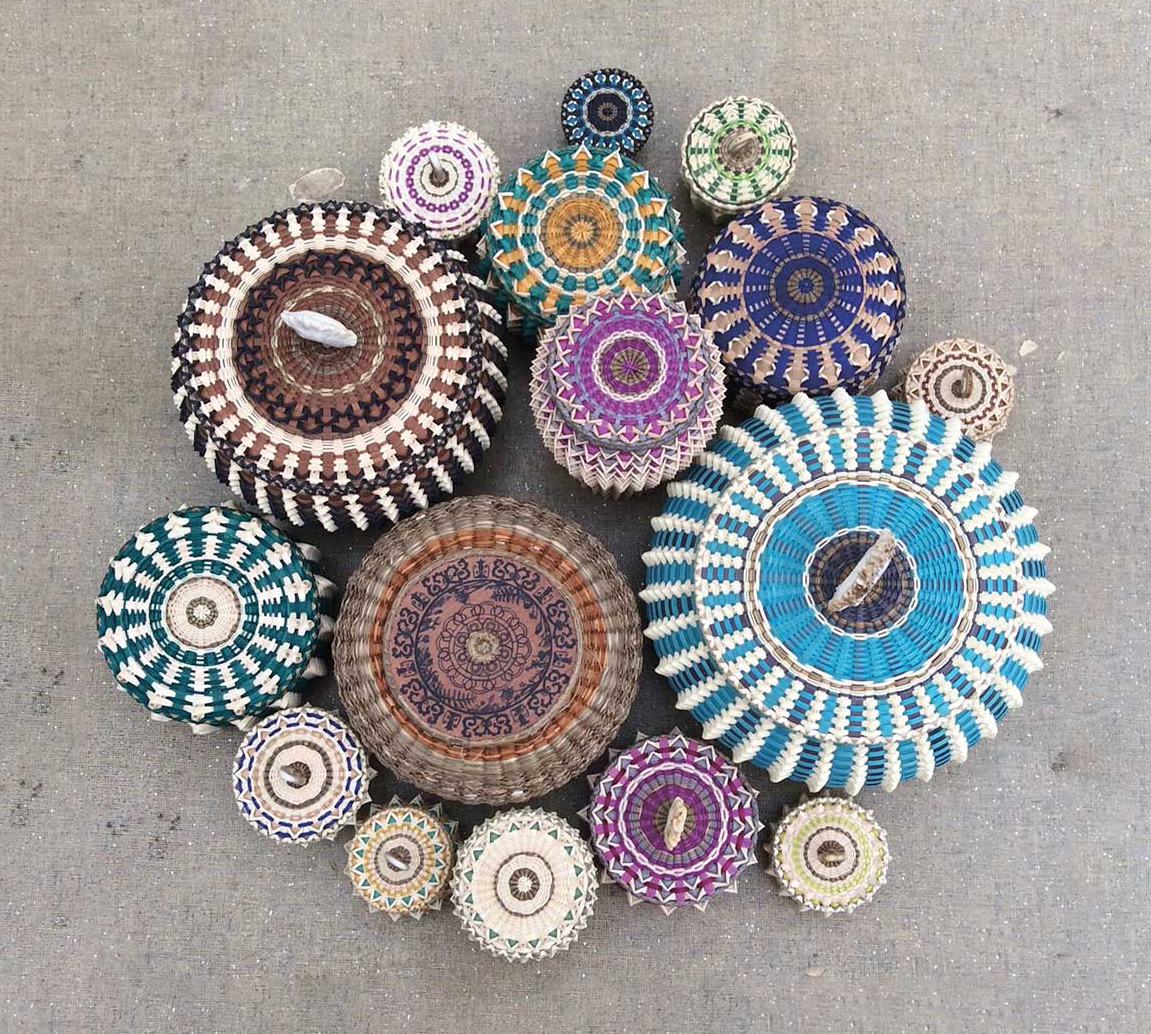 Sarah Sockbeson (Penobscot), assortment of ash and sweetgrass baskets, various sizes
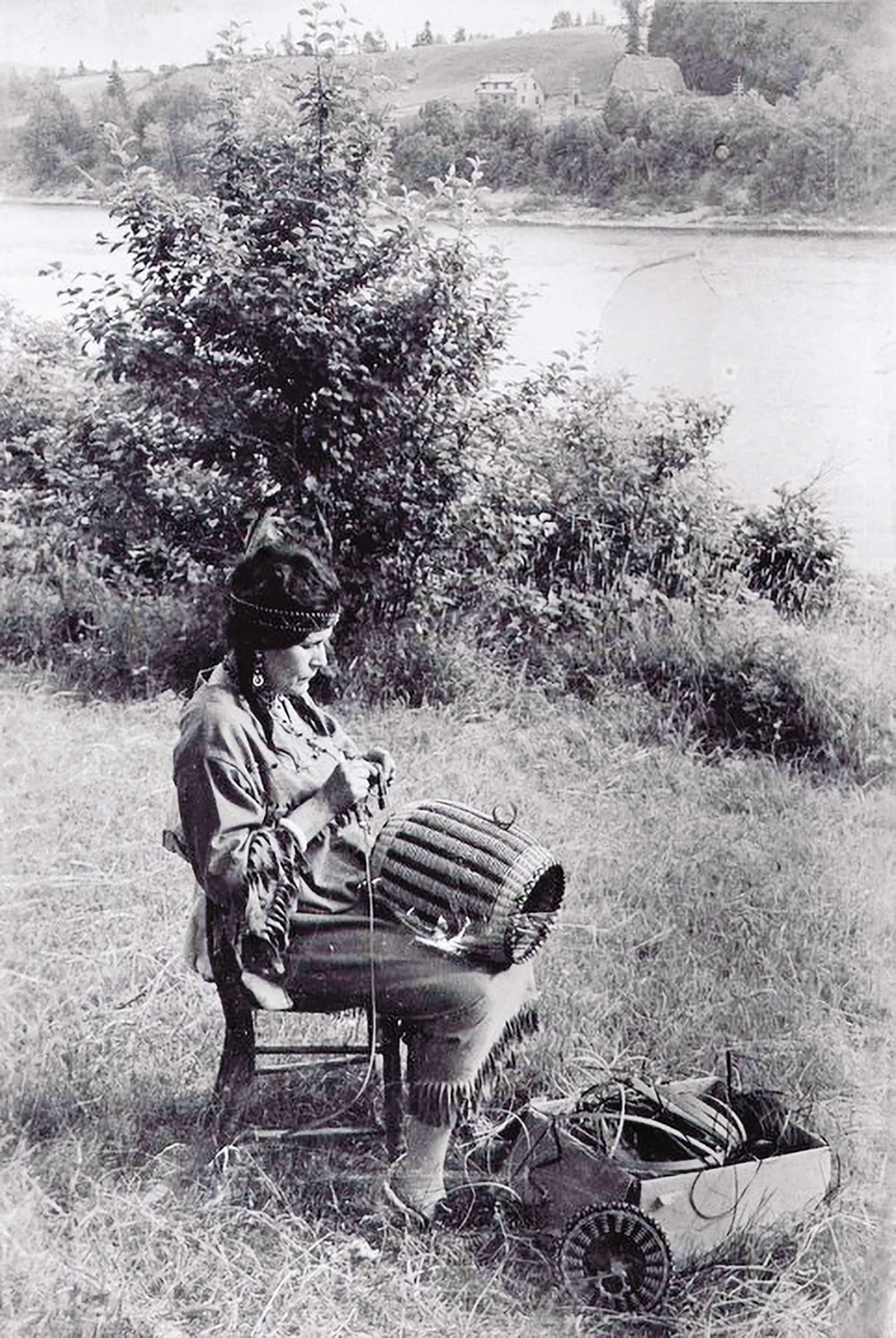 Passamaquoddy basketmaker Mary Pooler White, the great-grandmother of Sarah Sockbeson.
For artists of the Northeastern Woodlands, their region is one of bounty: green forests, rolling hills, an abundance of wildlife, dramatic seasonal shifts and a long history of artistic achievement that utilizes local resources and regional materials. For collectors who are familiar with the artwork that comes out of the Southwest, which dominates places like Santa Fe Indian Market, the Northeastern Woodlands and its artists provides many opportunities to explore new materials, new methods and an exciting group of new artists who are shining a bright light on the region with their magnificent work.
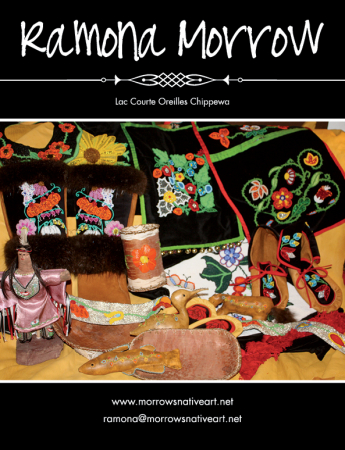
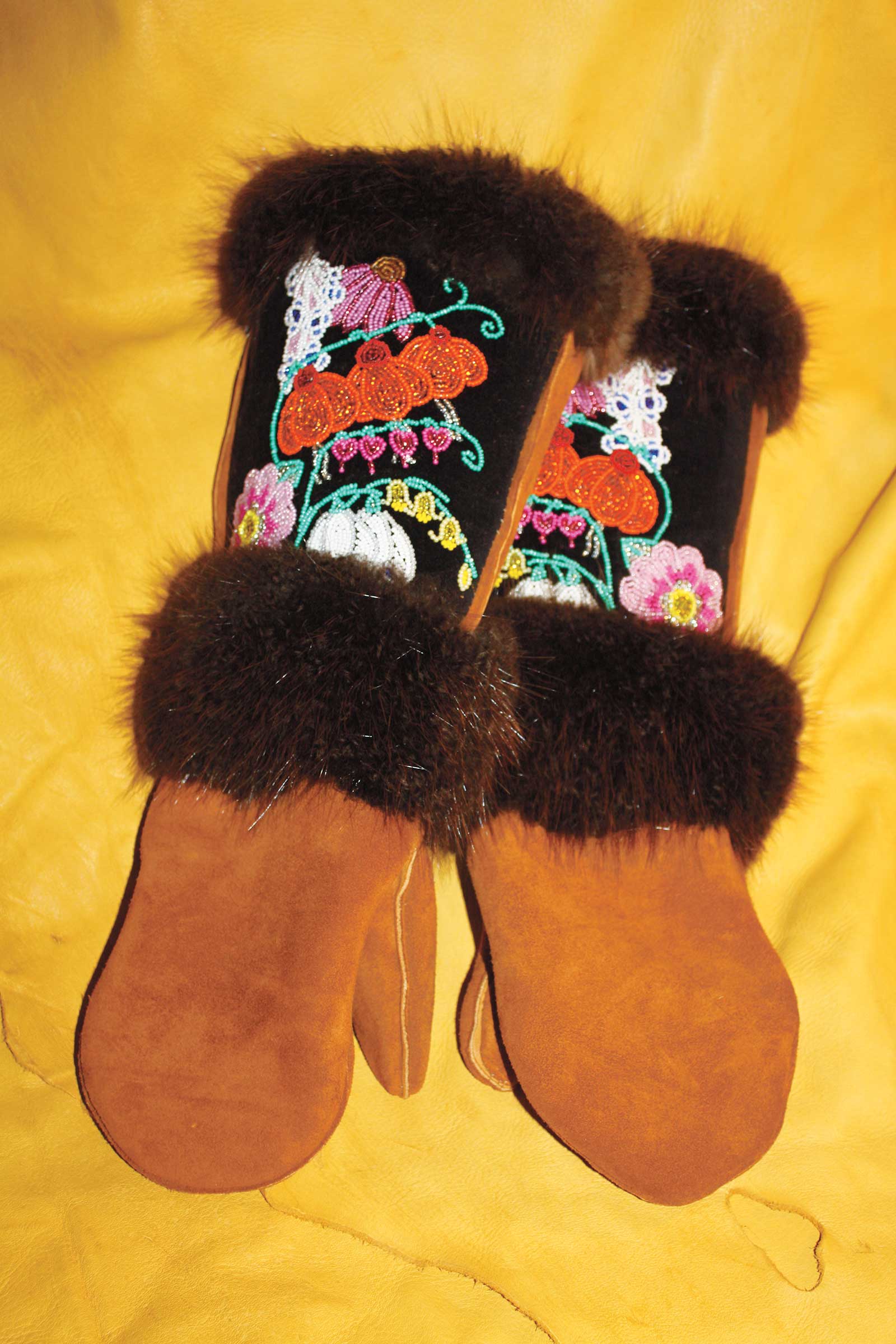 Ramona L. Morrow (Lac Courte Oreilles Chippewa/Yankton Sioux), beaded Ojibwe mittens, buckskin, beaver fur and seed beads
The Northeast Woodlands extends from the northern half of the Atlantic Coast up to Maine, partially into Canada, and then over through the Great Lakes region. It includes states such as Illinois, Pennsylvania, New York, New Jersey, Michigan, Wisconsin, Minnesota, Delaware, Vermont, Indiana, Ohio, Connecticut, Maryland, Rhode Island, New Hampshire and Virginia. Tribes and nations include the Wampanoag, Narragansett, Seneca, Shinnecock, Onondaga, Oneida, Mohawk, Menominee, Passamaquoddy, Penobscot, Anishinabe, Tuscarora, Chippewa and many others.
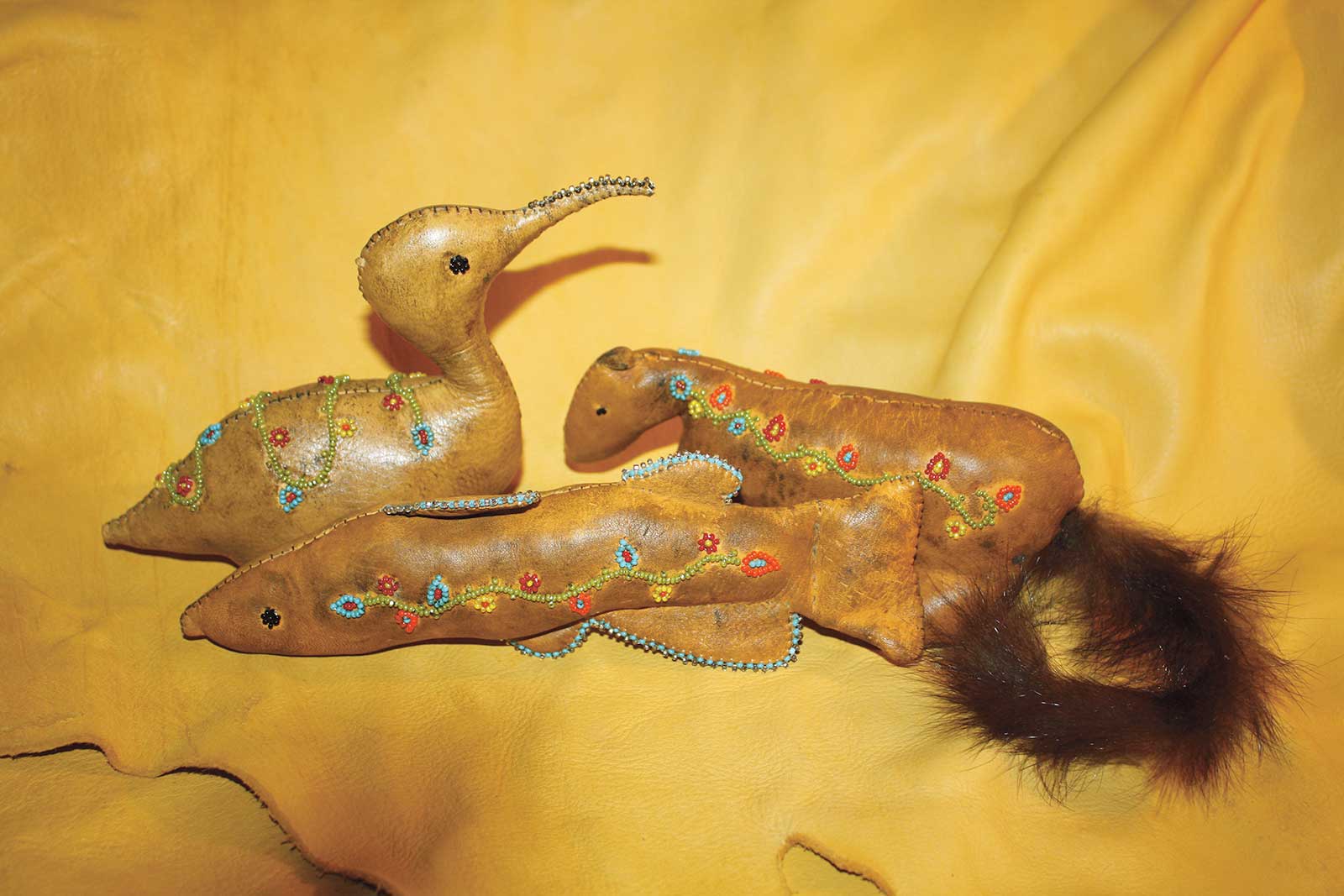 Ramona L. Morrow (Lac Courte Oreilles Chippewa/Yankton Sioux), Clan Animals dolls, buckskin, seed beads and cattail fluff
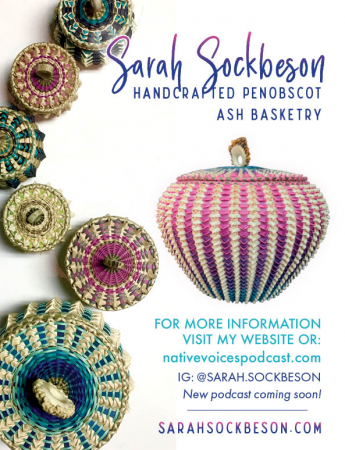
One of the stars of the region is Penobscat basketmaker Sarah Sockbeson, who has won countless awards at the Heard Museum Guild Indian Fair & Market, Santa Fe Indian Market and many other major events and festivals. As Sockbeson came on the basket scene, her work quickly brought attention to the region and the high-quality baskets that were coming from her studio. “I have been an artist my entire life. Even at a young age, I was intrigued by Native art in particular. Being Penobscot, I had seen baskets in museums and in the homes of my family members and was always fascinated by them,” she says. “I was also told stories about my great-grandmother who was a basketmaker in the early 1900s. I wanted to be a part of this tradition, but unfortunately, in my family, it was not passed down to my generation. I still found ways to practice art, and in high school I began painting and experimenting with various mediums. I found it was a great outlet for my artistic abilities.” She later apprenticed under Jennifer Neptune as part of the Maine Arts Commission Traditional Arts Apprenticeship Program, and since then she has become one of the most influential basketmakers in the country. Sockbeson, who will be starting a new podcast soon about Native American artists, continues: “As a member of the Penobscot tribe, I’m proud to be a bearer of cultural knowledge.
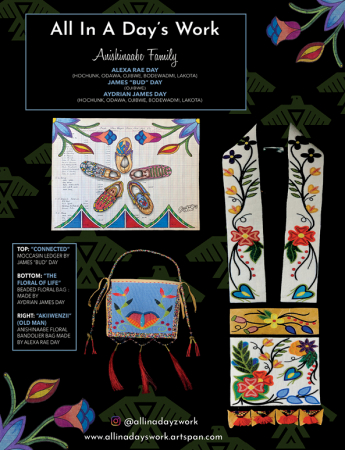
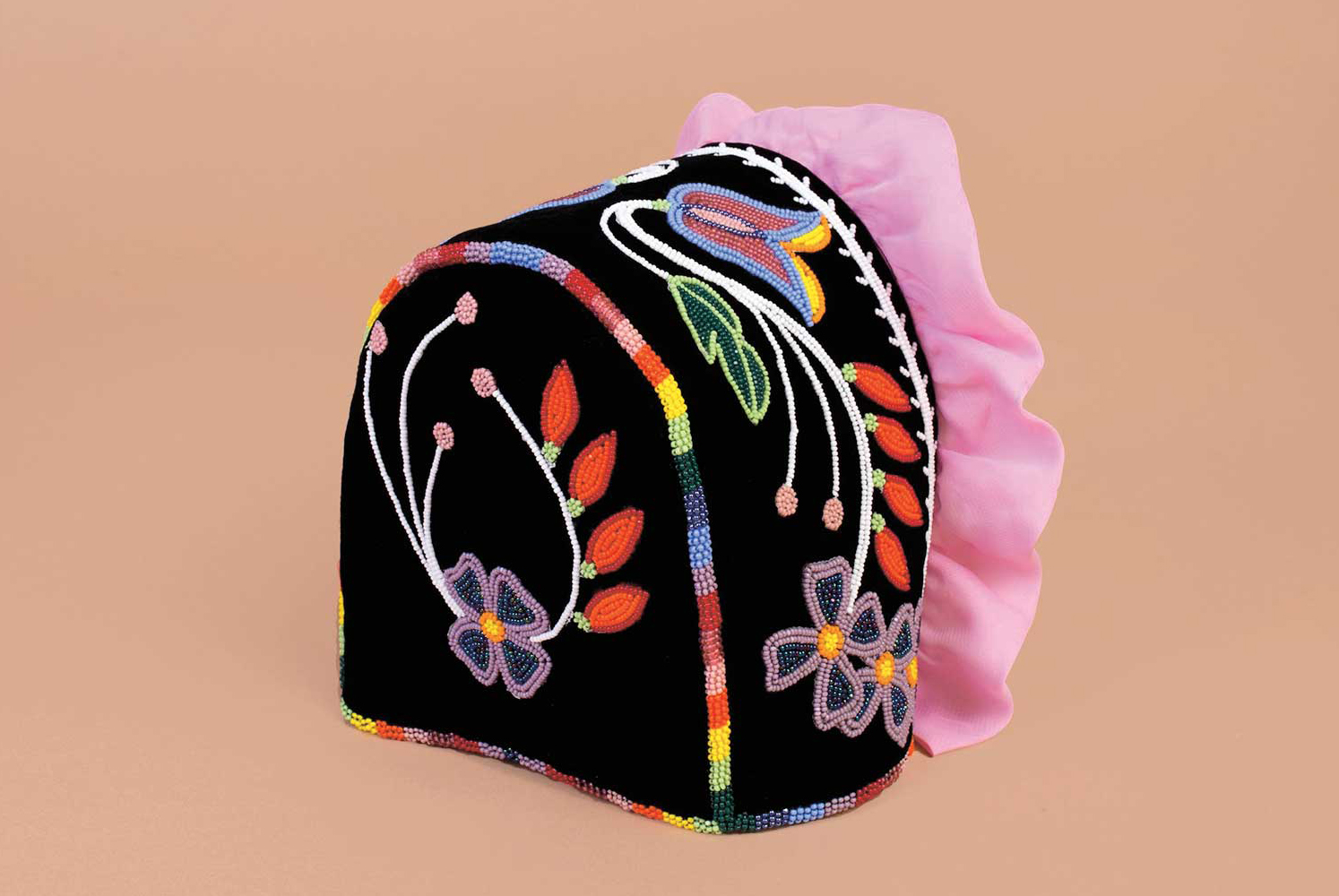 Alexa Rae Day (Hochunk/Ojibwe/Odawa/Potawatomi/Lakota), Gnaajiwi Kwezehns (Pretty Girl), floral baby bonnet,6 x 16 x 4½"
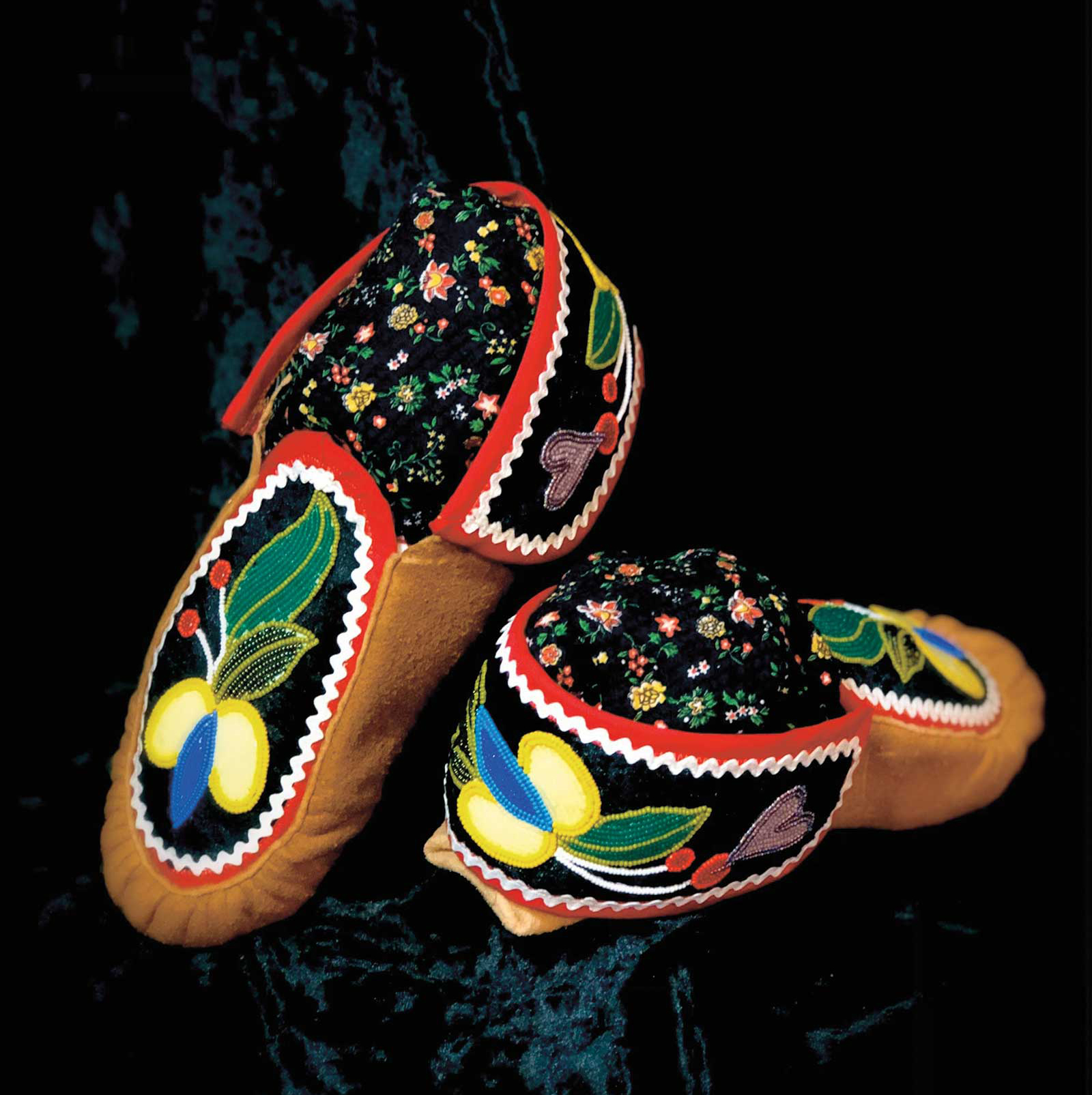 Alexa Rae Day (Hochunk/Ojibwe/Odawa/Potawatomi/Lakota), Makizinam, Pucker toe moccasins
I utilize many of the traditional materials and techniques that have been handed down for generations, but my style comes from my own personal perspective and experiences living in today’s world.”
Another artist making beautiful artwork from the region is Wisconsin-based Lac Courte Oreilles Chippewa and Yankton Sioux beader Ramona L. Morrow, who works in a diverse mixture of materials as she creates beaded bags, jewelry, clothing and other items. A lot of her work is based on history. “I love going back over history photos, especially of family in all their regalia. Our Chippewa/Ojibwe people are woodland, so we tend to do floral beadwork with a mix of flowers, leaves and vines,” Morrow says, adding that education is also a foundation of her studio.
“I teach at our Lac Courte Oreilles College—Beadwork 1 and 2 and Traditional Native Techniques, in which we can touch on a wide variety of Native artwork. We have made everything from dolls, carvings, birchbark baskets, quill baskets, leather work with both quills and beads, and carving pipestone. I also teach Native American history there…I have been creating Native American art for about 30 years, have taught my children and now their children.”
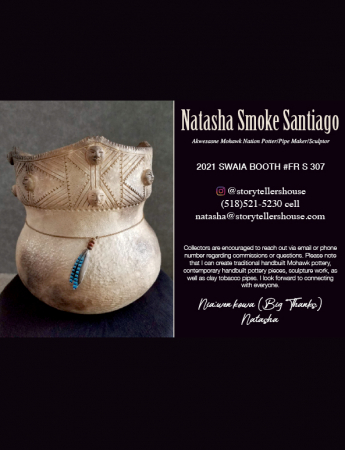
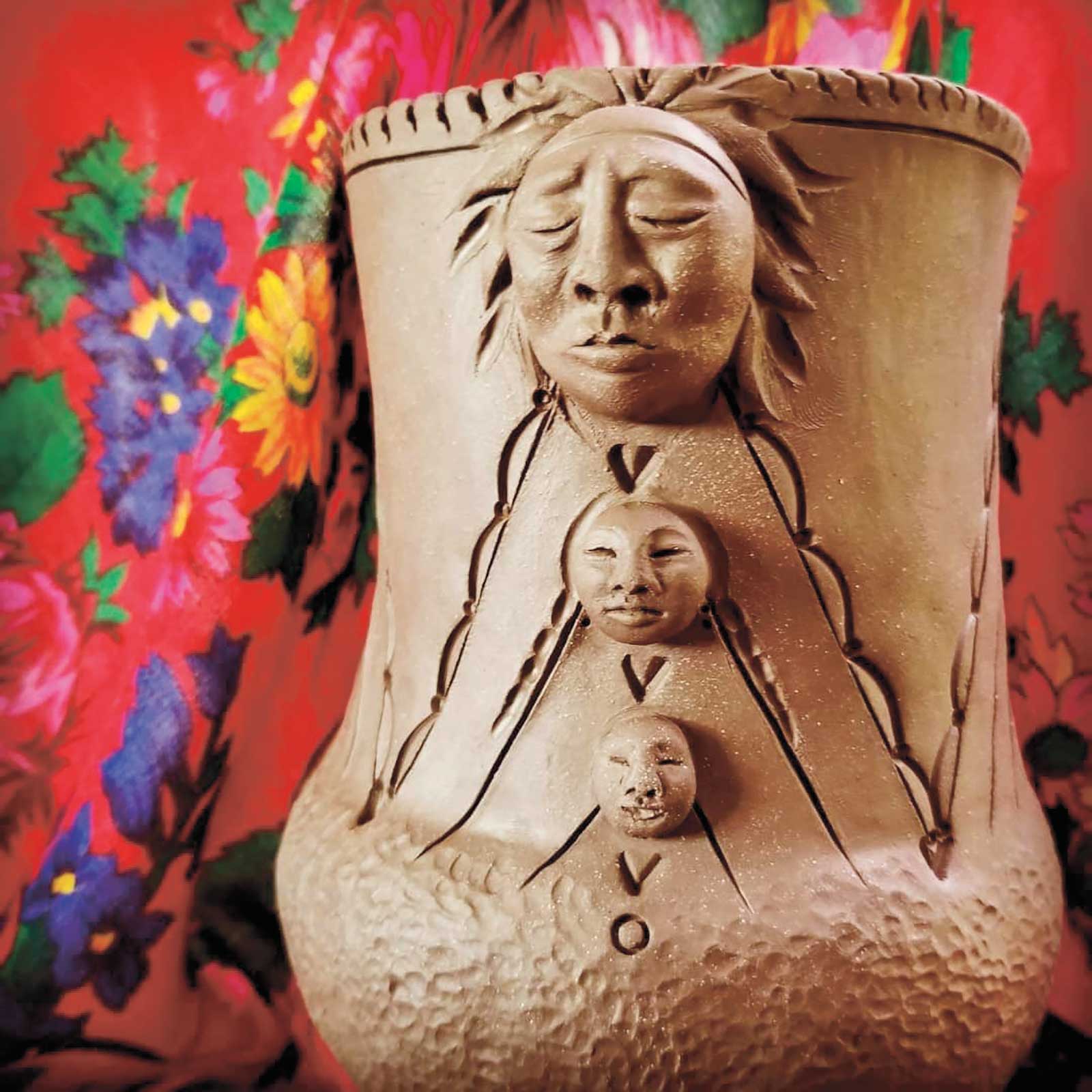 Natasha Smoke Santiago (Mohawk Nation/Turtle Clan), Grandfather pot, 10"
Also working in beadwork and other diverse materials is Alexa Rae Day whose heritage is Ho-Chunk, Ojibwe, Odawa, Potawatomi and Lakota. “I was raised immersed in Anishinaabe art made by family—my mom, grandma, grandpa and aunties. I didn’t know it was an art form, I just seen it was how my mom and some of my family made our livelihoods,” Day says. “When I was 10 I decided I would start beading and sewing. Soon after I learned how to make quillwork. These art forms have brought me and family all over the world and have awarded us many opportunities. Most importantly it ties us to our ancestors. It makes me happy to know that we have four generations alive still making art today. From my grandparents to my son we are striving to carry our art forms and life ways toward the future.”
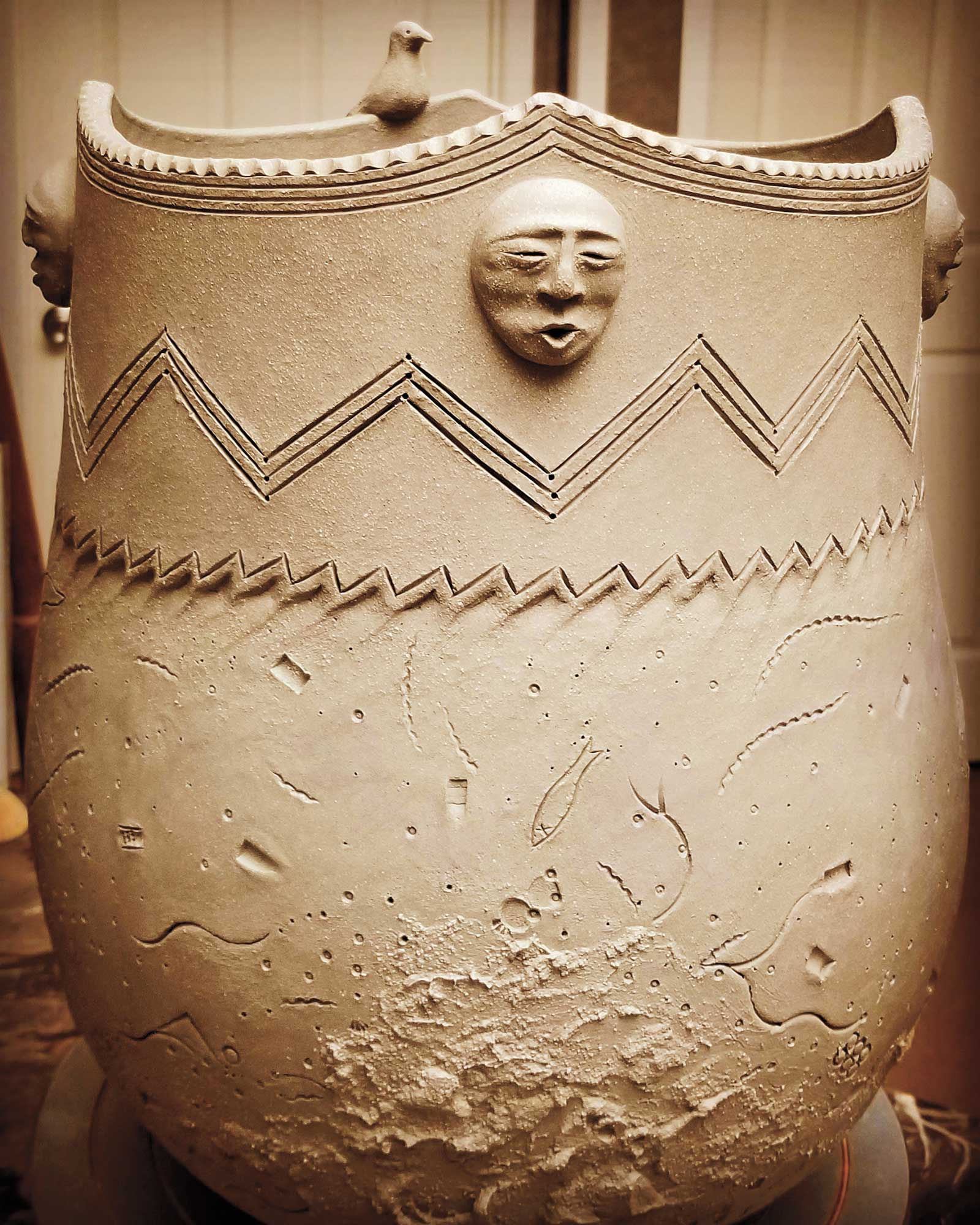 Natasha Smoke Santiago (Mohawk Nation/Turtle Clan), Water Pollution Pot, 12"
Basketry and beadwork are well known in the region, but a number of artists are doing exceptional work in pottery, including Natasha Smoke Santiago of the Mohawk Nation/Turtle Clan. Her pottery pieces, many featuring faces and figures, come in a variety of sizes and colors. “I am one of a small handful of artists, historians and living history enthusiasts attempting to resurrect and further elevate the Iroquoian/Haudenosaunee (People of the Longhouse) style of pottery,” Santiago says. “This traditional art was cast aside in the tumultuous past, becoming shattered fragments to mark where villages once stood. Through study with other nations and archeologists, the form has been snatched from the forgotten mists of time to once again enrich our lives. The Tradition of the Longhouse and living one’s culture—by one’s cultural values, daily, without permission—is a central theme in my being. In the words of an Onondaga Leader: ‘To be sovereign, one must live sovereign.’ In this tradition
I attempt to live sustainably on a small piece of land in Akwesasne. In addition to art, I also practice Indigenous seed keeping, gardening and occasional farming.”
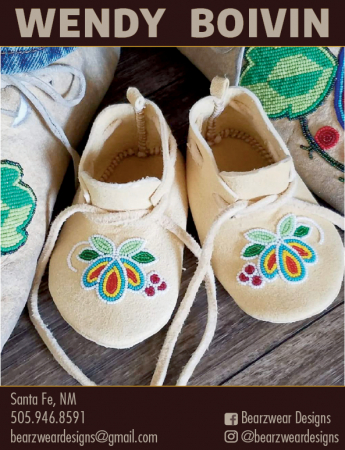
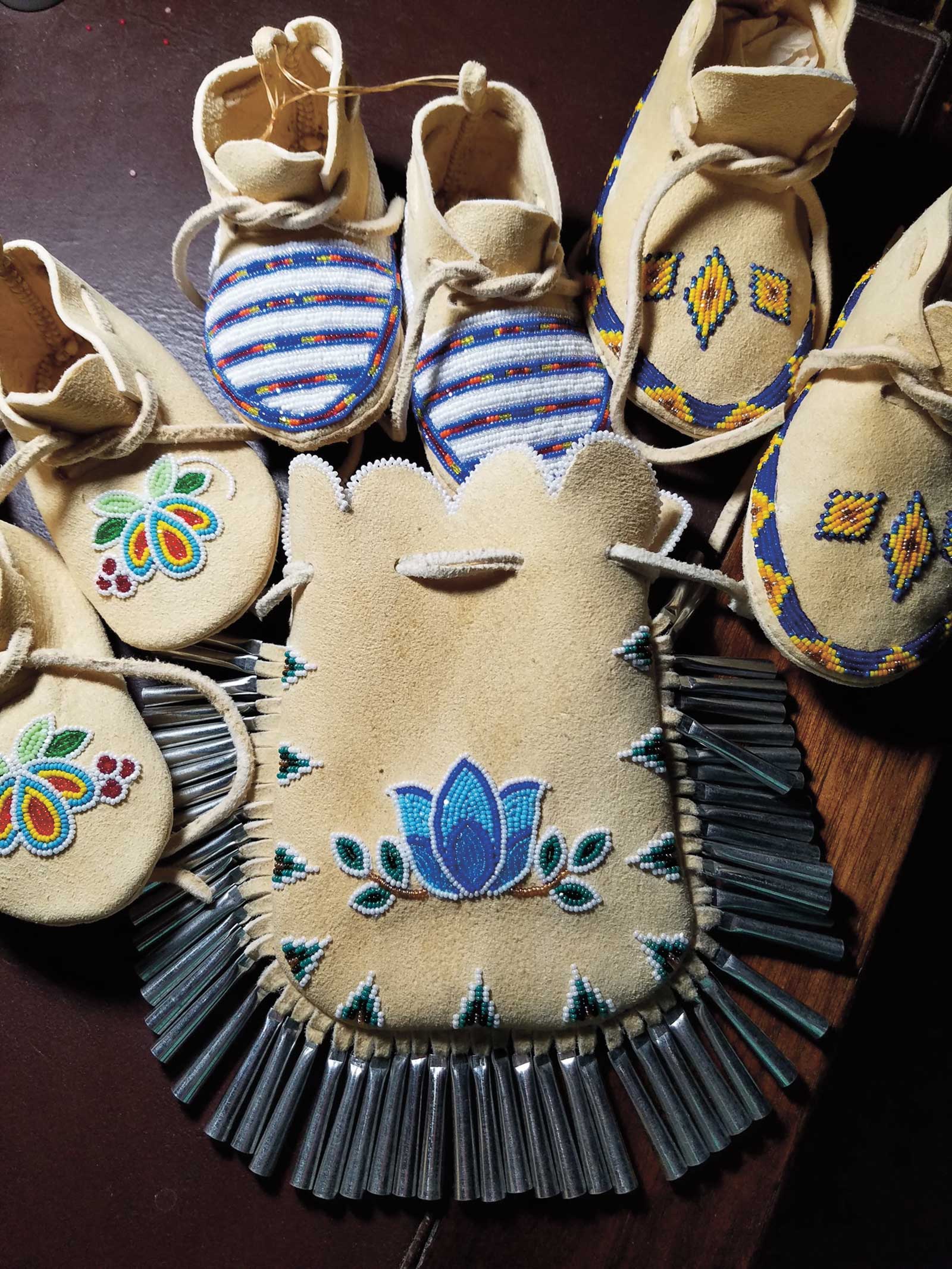 Wendy Boivin (Menominee), brain-tanned smoked buckskin pouch with tin cones and size 13 cut glass beads, and various baby moccasins in brain-tanned smoked buckskin with size 13 cut glass beads
Wendy Boivin, who owns Bearzwear Designs, was born on the Menominee Reservation in Wisconsin and was taught sewing and beading from her mother, who stressed strength and a neat and clean appearance. “I learned jewelry later and wanted to figure a way to put them together like they belonged. I work mainly with brain-tanned smoked buckskin, sterling silver and size 13 cut-glass beads,” Boivin says. “My buckskin pieces are 90 to 100 percent hand stitched with imitation sinew. My sterling pieces are all hand fabricated.
I get inspiration from all around...[including] from colors or shapes I see as I visit museums looking at historic pieces.”
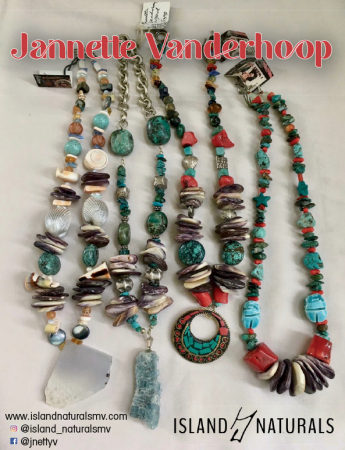
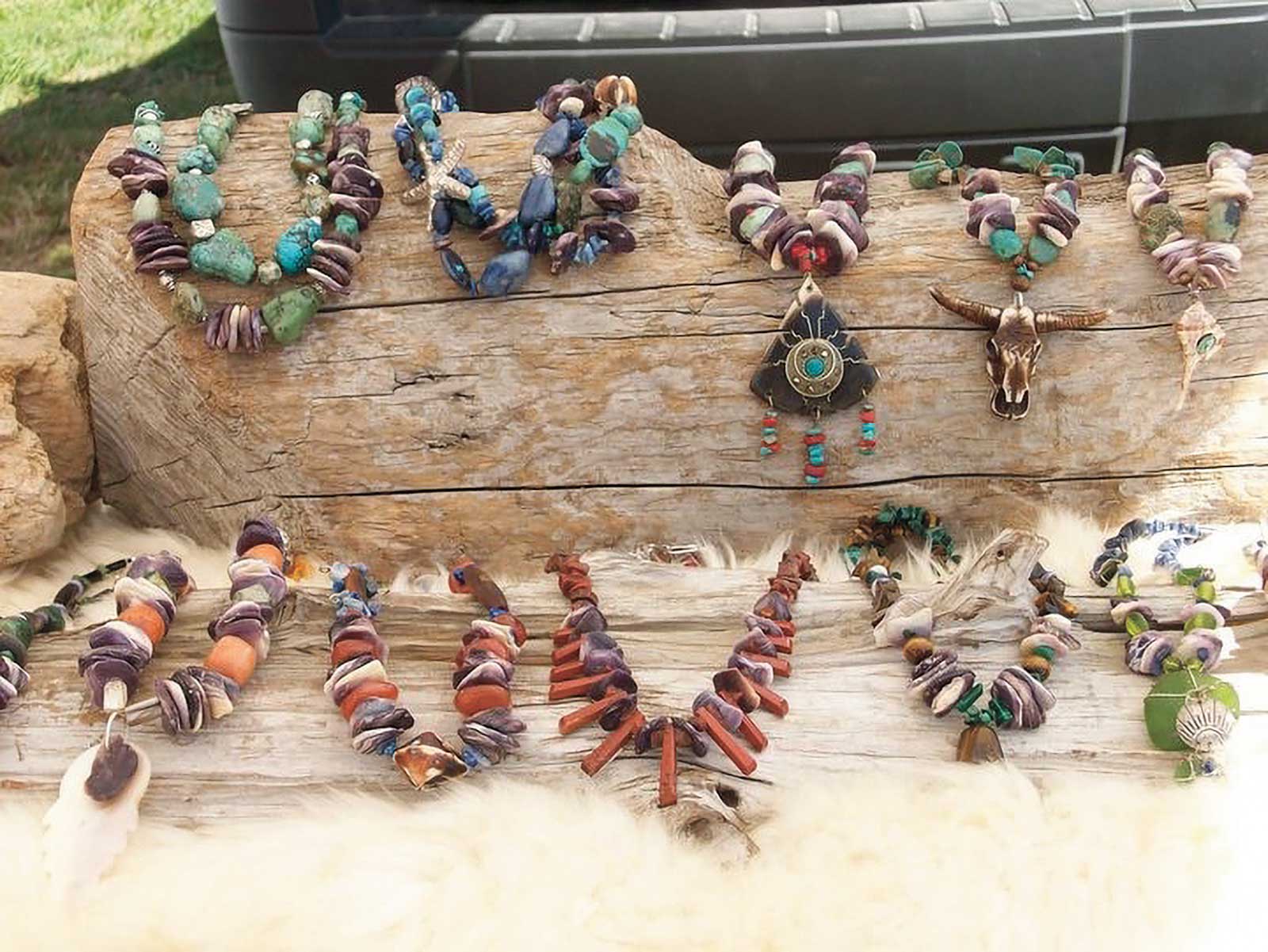 Jannette Vanderhoop (Aquinnah Wampanoag), various necklaces and other jewelry pieces
Jannette Vanderhoop, from the Aquinnah Wampanoag tribe, works with a variety of materials as she brings her jewelry to life. “My M.O. is to teach people to respect nature through art,” she says. Over the course of 15 years she has mastered concepts of color, design and shape to create a recognizable signature for her work, which is decidedly contemporary. “My wampum arrangement celebrates the rich legacy of nature stewardship I inherited as a Wampanoag woman of Martha’s Vineyard. With a desire to fight stereotypes, I seek to increase global visibility and connection of Eastern Seaboard Indigenous people through museum exhibits, community workshops, art shows, school visits and urban and rural projects. Using natural, found and reconstituted materials, there is no lack of originality or inspiration. Each piece is unique and cannot be duplicated.”
Featured Artists
Wendy Boivin (Menominee) / Bearzwear Designs
(505) 946-8591
bearzweardesigns@gmail.com
Facebook: Bearzwear Designs
Instagram: @bearzweardesigns
Alexa Rae Day (Grand Traverse Band of Ottawa and Chippewa/Ho-Chunk Nation of Wisconsin/Rosebud Sioux Tribe of the Rosebud Indian Reservation)
www.allinadayswork.artspan.com/home
Instagram: @allinadayzwork
Ramona L. Morrow (Lac Courte Oreilles Chippewa/Yankton Sioux)
ramona@morrowsnativeart.net
www.morrowsnativeart.net
Natasha Smoke Santiago (Akwesasne Mohawk Nation/Turtle Clan)
(518) 521-5230
natasha@storytellershouse.com
2021 SWAIA Santa Fe Indian Market Booth #FR S 307
Instagram: @storytellershouse
Sarah Sockbeson (Penobscot)
www.sarahsockbeson.com
www.nativevoicespodcast.com
Instagram: @Sarah.Sockbeson
Jannette Vanderhoop (Aquinnah Wampanoag)
www.islandnaturalsmv.com
Powered by Froala Editor