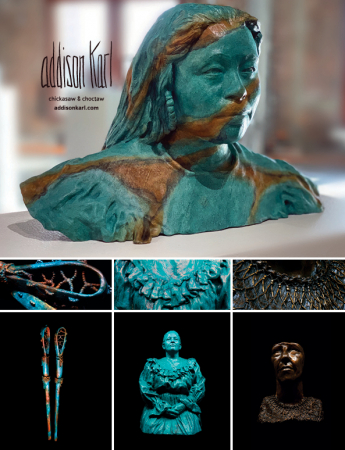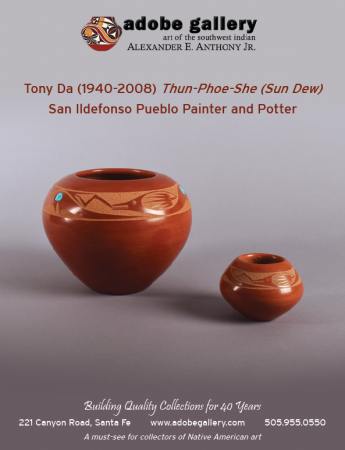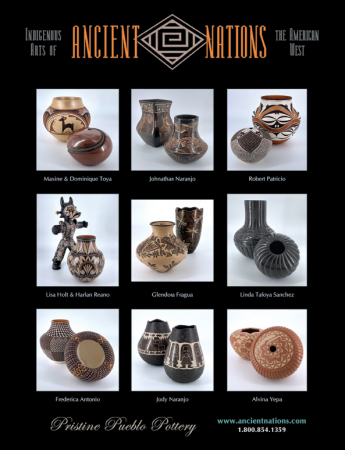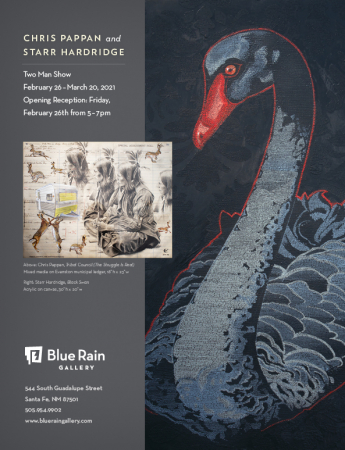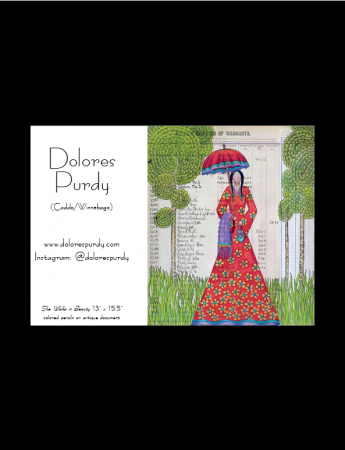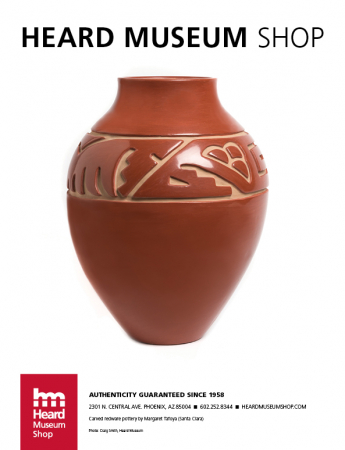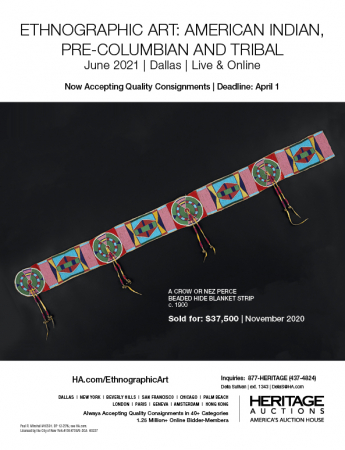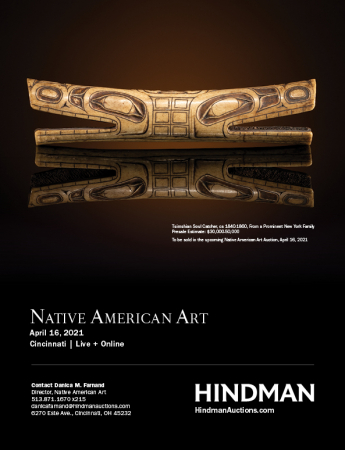
We’re more excited than ever to present the official market guide for the 2021 Heard Museum Guild Indian Fair & Market. Throughout these pages, collectors can explore the vast and varied artworks from a selection of 2021 participating artists across all of the Market categories. As you turn each page, discover the inspirations that fuel each artists’ practice and learn what drives them forward as creators. While the Market this year is primarily virtual, there are still plenty of ways to connect and form meaningful connections with artists and their work. This guide is one of many outlets.
++++++++++++++++++++++++++++++++
Baskets
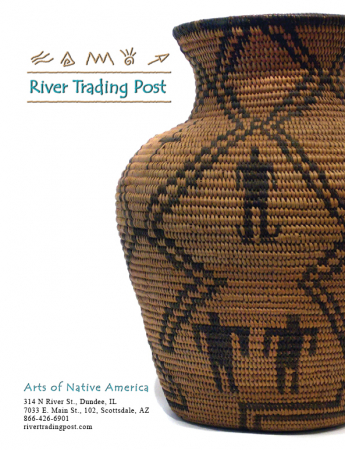
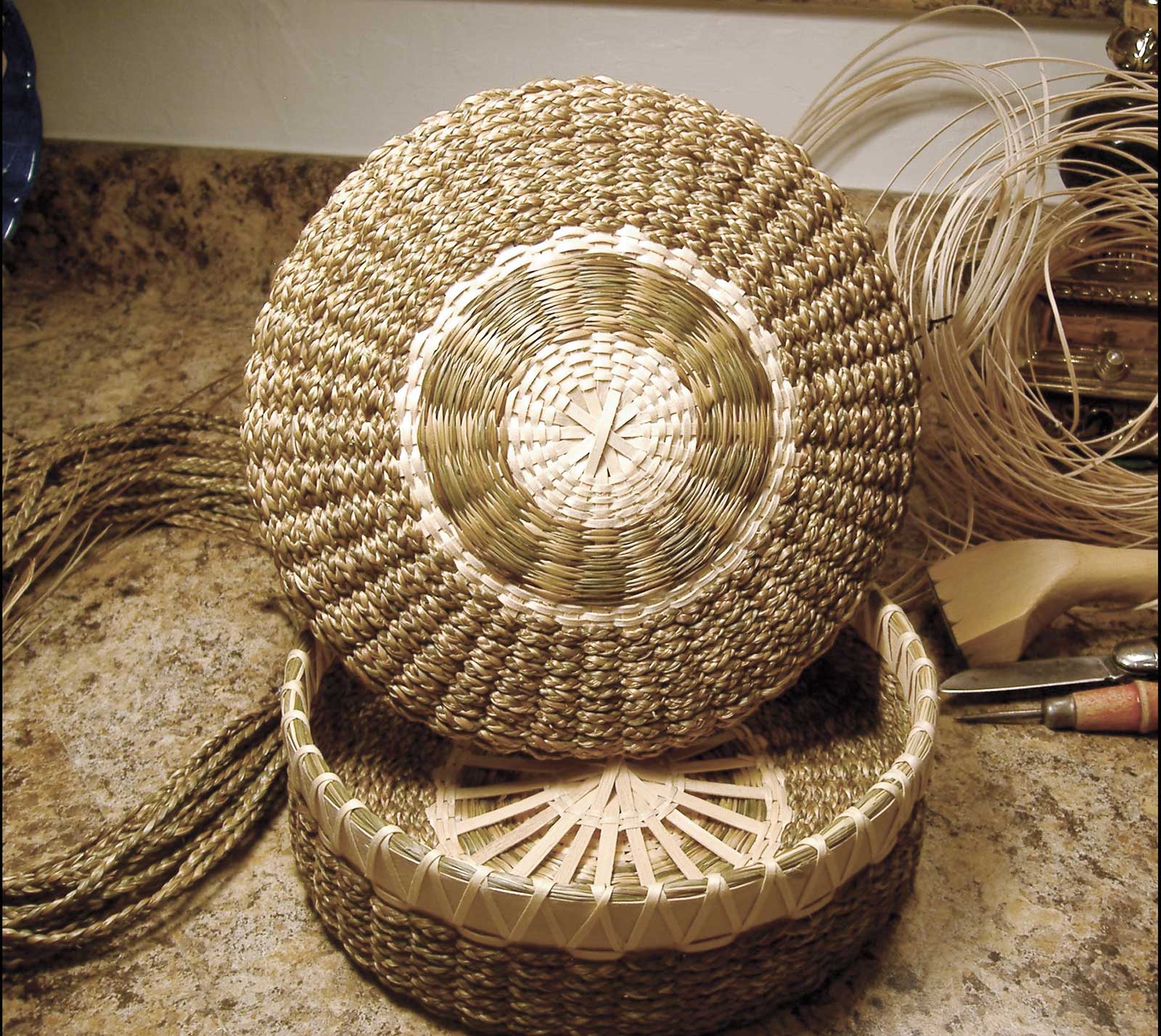
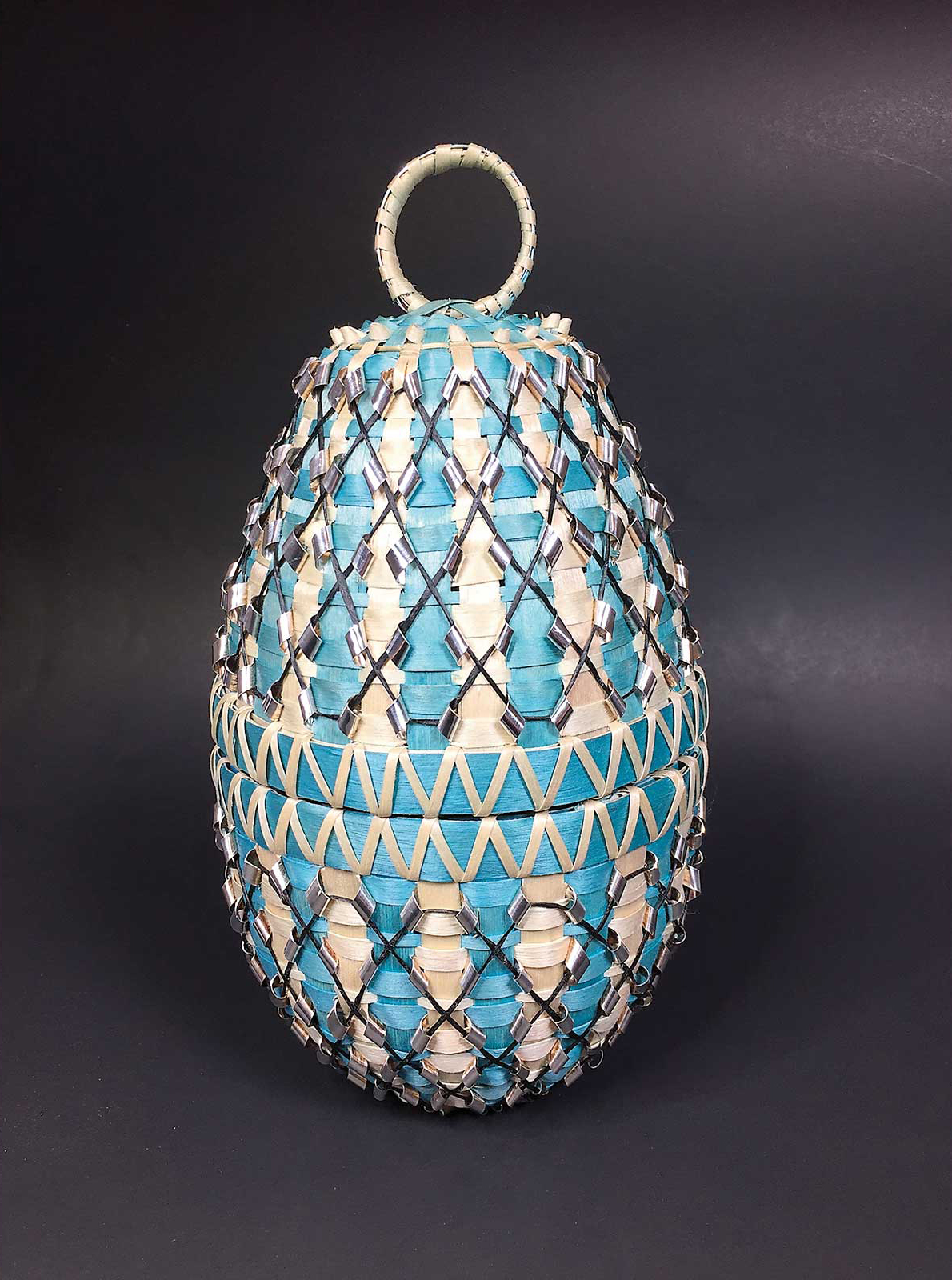
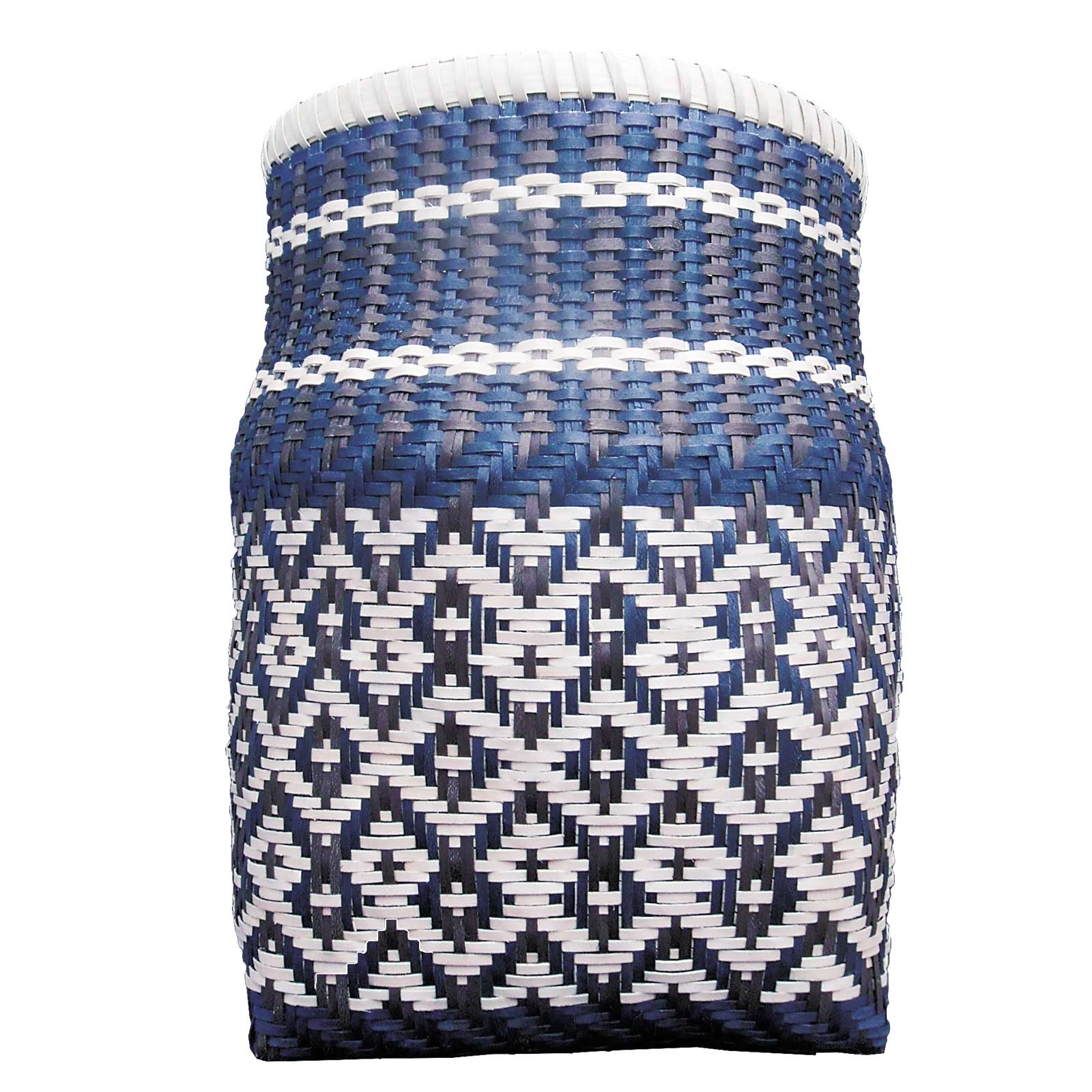
Indigenous basketry is rooted in place with the natural, local environment offering up the raw materials that basket weavers collect, prepare and weave. Used for daily and ceremonial purposes, baskets have always been woven to last generations. Materials range from rivercane, the most traditional basket weaving material of the Cherokee, to ash, sweetgrass and cedar bark of the Penobscot baskets, to whale baleen and hand-carved walrus ivory of the Qagan Tayagungin, to many other natural materials. Climate change and urbanization have reduced the availability of traditional materials, which has led to adaptation and innovation in materials, tools and techniques. These award-winning basket weavers hail from seven tribes with a geographical span from Alaska to Maine. They offer an excellent opportunity to start or continue your basket collection.
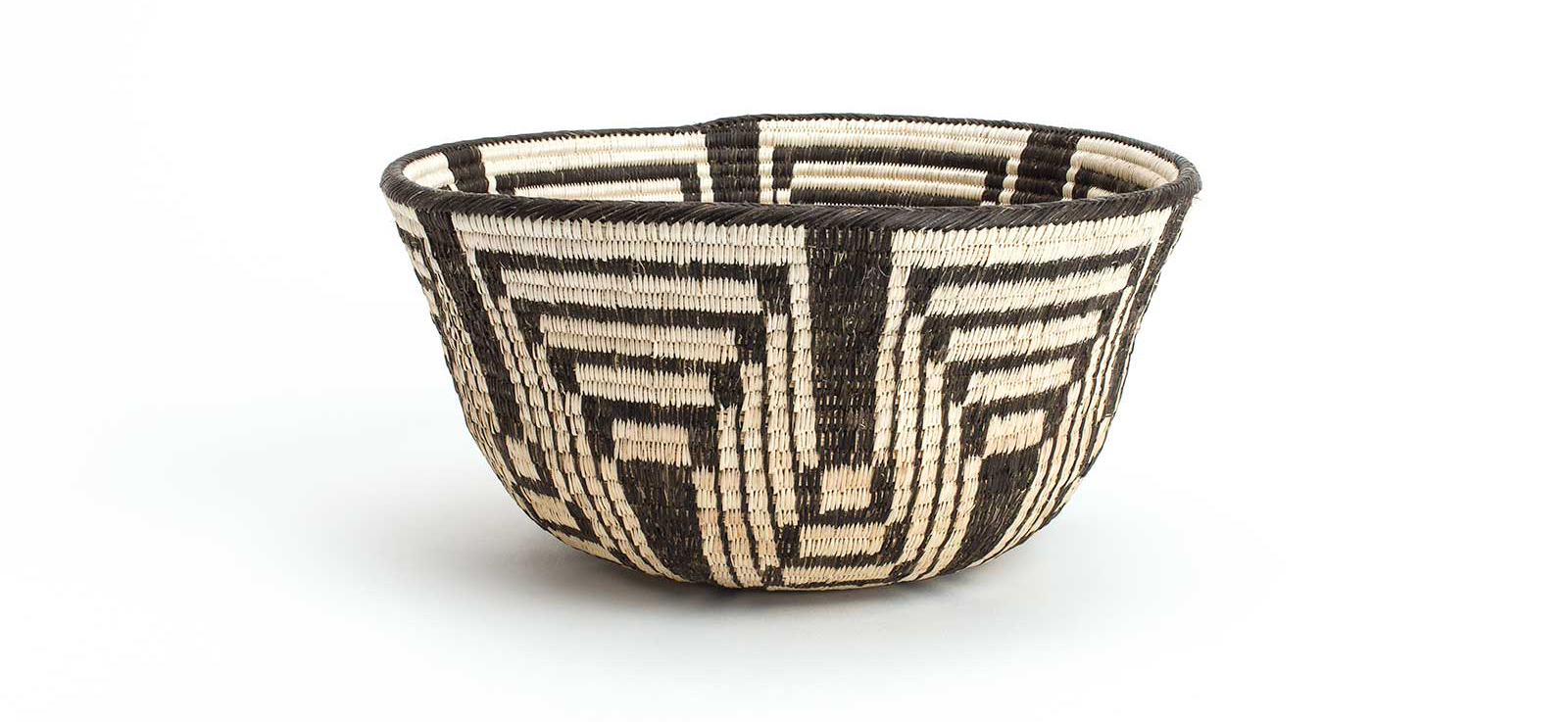
2020 Best of Class
August Wood (Salt River Pima), Squash Blossom
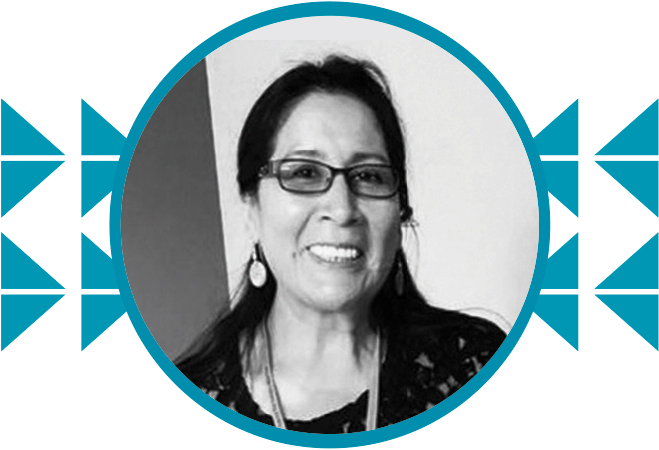
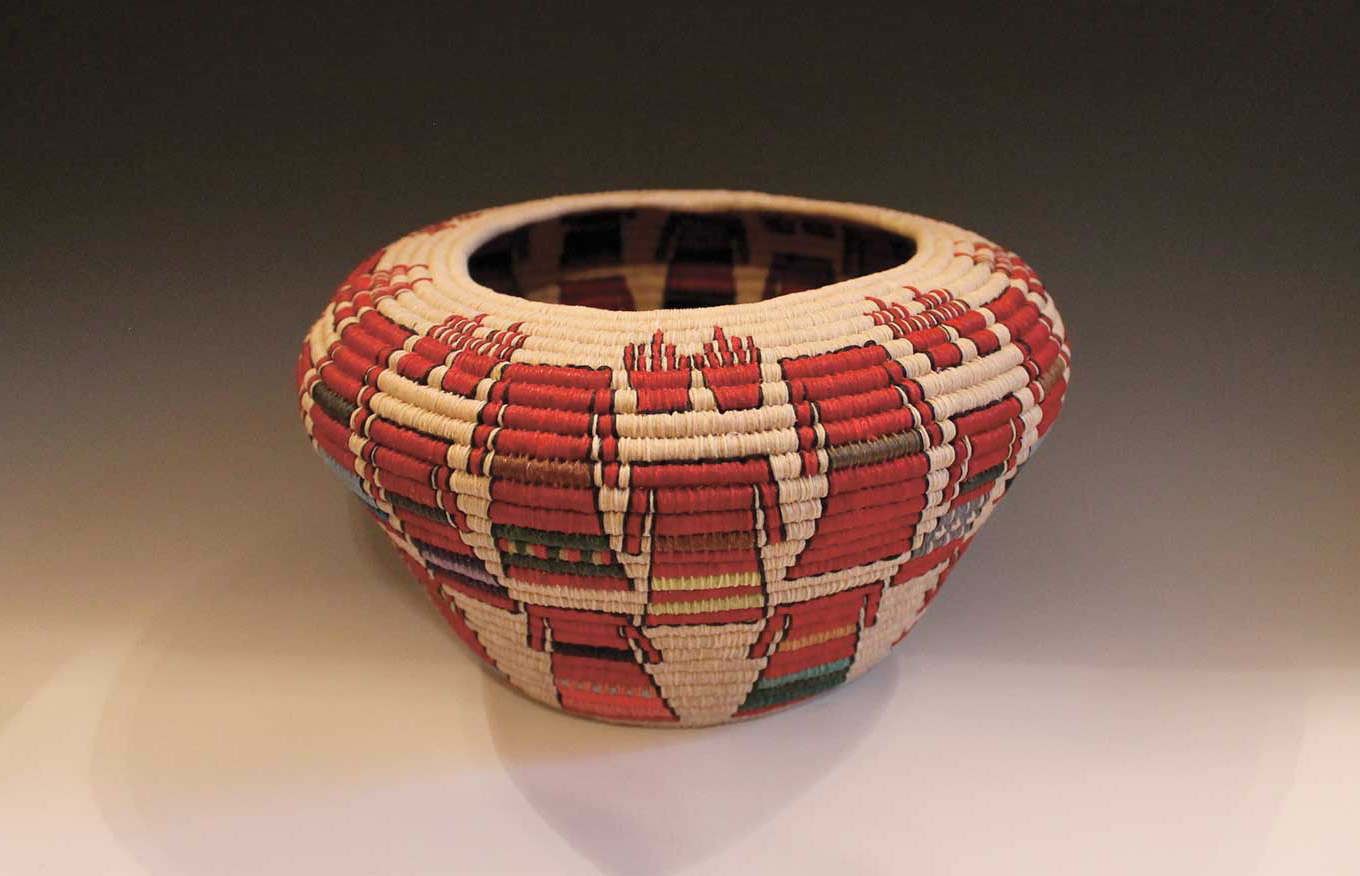
Carol Emarthle Douglas (Northern Arapaho/Seminole)
www.cemarthleart.com
“My inspiration is taken from my Northern Arapaho and Seminole heritage. I have based some of my designs on the Plains style beadwork, ledger art and parfleche designs from my mother’s tribe. My father is from the Seminole Nation of Oklahoma, and I also incorporate the colors and patterns of Seminole patchwork into my baskets. I am fortunate to have such a rich heritage to draw upon to inspire my work. It is very important to me to pour a lot of love, respect and careful attention to details in my work, as I aim to produce strong baskets and other artwork that are able to stand the test of time.”
Deborah Brooks (Passamaquoddy)
www.sweetgrassbasketry.org
“Born on the Maine Passamaquoddy reservation at Indian Township, I grew up in a basket making family of many generations and learned the traditional art as a child from my mother, aunt, grandmother and other relatives. I use the same molds, equipment and tools passed down to me from earlier generations of basket makers. In 1994, my mother (and mentor), Mary Mitchell Gabriel, received the National Endowment Award for her basketry. She was the first Wabanaki weaver to achieve this coveted national award for her outstanding work as an artist…I am truly fortunate to have had my loving mother as my teacher and mentor.”
Kelly Church (Grand Traverse Band of Ottawa and Chippewa Indians)
www.woodlandarts.com
“I am a member of the Grand Traverse Band of Ottawa and Chippewa Indians in Michigan. I come from an unbroken line of black ash basket weavers that goes back for centuries. I also work with basswood, birch bark and cattails; and am also a painter, photographer and create documentaries. I harvest and prepare these materials creating traditional and contemporary basketry and weavings. I am a mother to a weaver and I am a full-time artist and activist, working on preserving the knowledge of black ash basketry and saving seeds to sustain these traditions for years to come.”
Vivian Cottrell (Cherokee)
vcottrell.artspan.com
“As a fourth-generation Cherokee basket maker and Cherokee National Treasure, I realize the importance of our cultural knowledge. I have been weaving since 1973, and I have shared my knowledge of harvesting and preparing and weaving materials such as the rivercane, white oak, honeysuckle, buckbrush with many who desire to learn. Mom taught me that I should never weave a perfect basket. Only the Creator is perfect, and our baskets should serve a useful purpose to honor our Creator.”
++++++++++++++++++++++++++++++++
Diverse Arts
This classification includes personal attire and accessories, with or without a predominance of beads or quillwork. Also featured are dolls and figurative objects. Then there are functional objects, such as bows and arrows, cradleboards, boxes, weapons, shields, furniture, lamps, musical instruments, bullroarers, beaded bottles and other objects. Culturally based work will also be on view, both traditional and decorative, inspired by tradition. This includes bags, pipes, hide paintings, parfleche items, tabletas, masks and sandpaintings. Thirty-three artists from 29 tribes are sure to offer a range of items that will both surprise and delight customers.
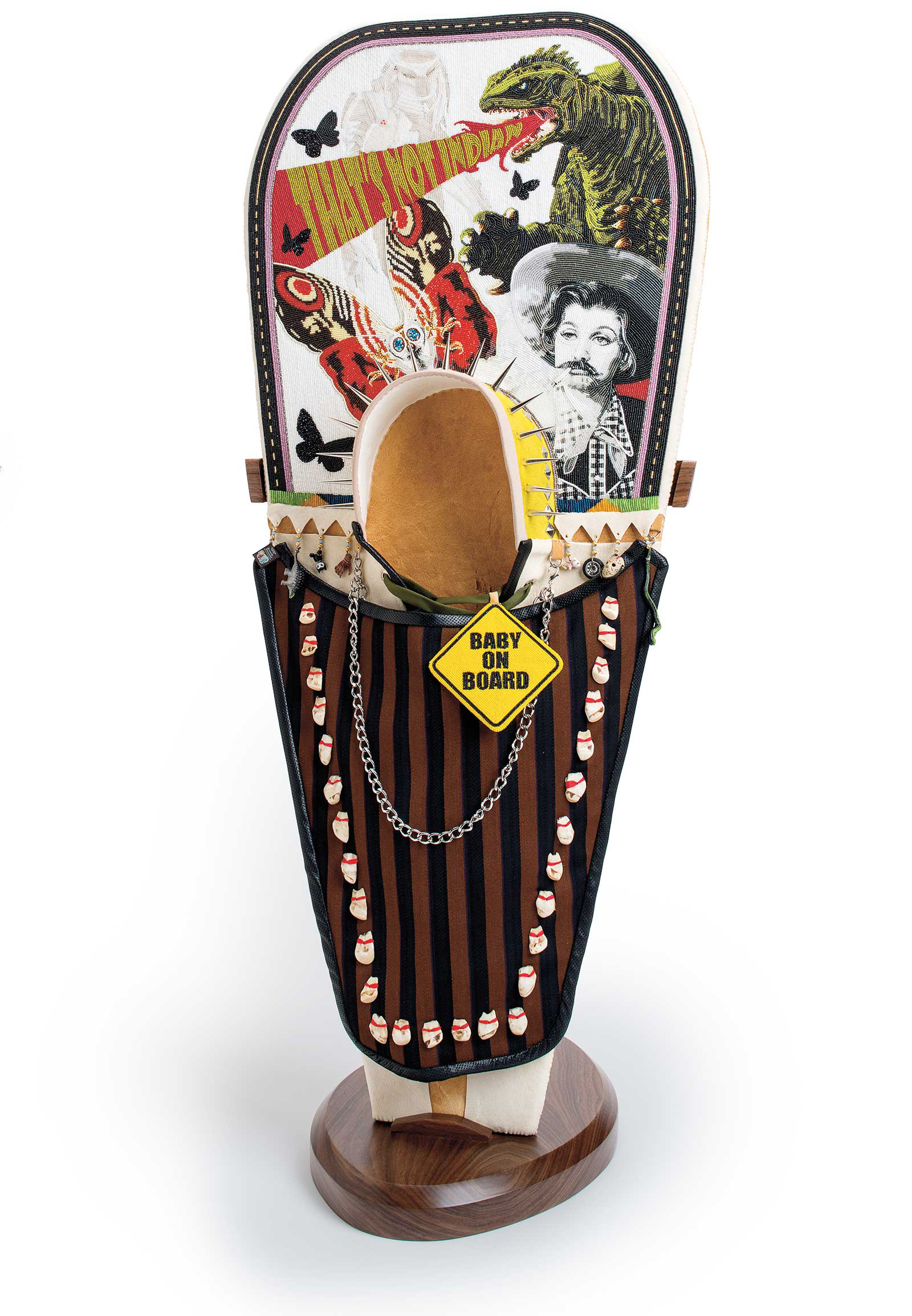
Jamie Okuma (Luiseño/Shoshone-Bannock),
Common Ground: Culture Isn’t Black and White
www.jokuma.com
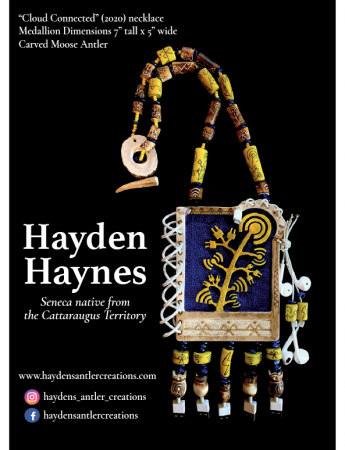
Hayden Haynes (Seneca)
www.haydensantlercreations.com
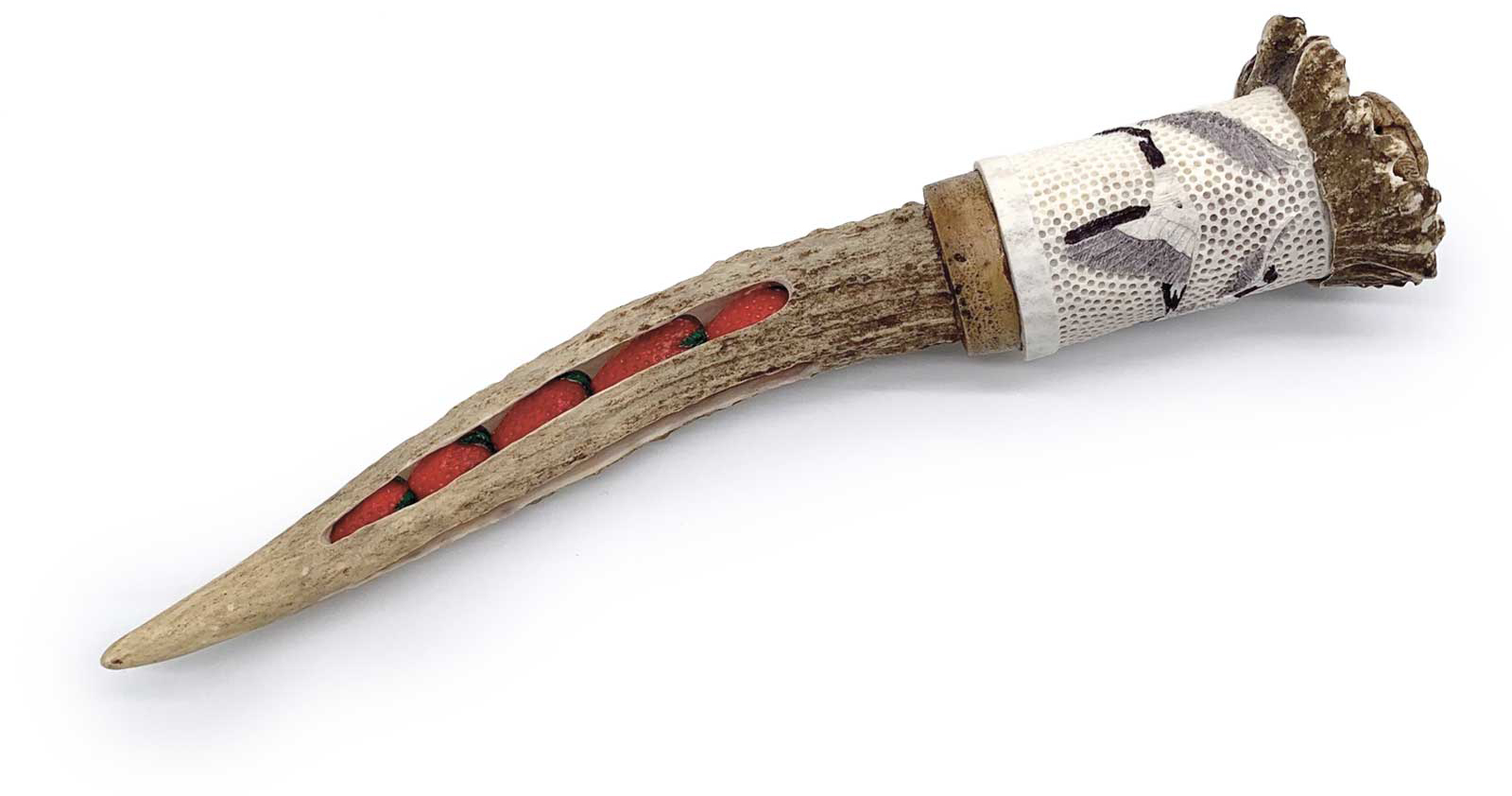
“I aim to create works that are different than what has already been done by Iroquois carvers, both past and present.
I challenge myself by constantly honing my relief carving skills, my portrait carving skills and by generating new ideas and pieces never before seen in antler carving. Additionally, I am incorporating more and brighter colors into antler work. This is a somewhat foreign idea to antler carving, but in order to advance the art and make what I do unique, it is something I must feel good about doing.”
Jaymus Perry (Navajo)
www.artbonnet.com
“It began in the early 1990s. I was approached by a man who was selling his Indian Chieftain motorcycle. However, I declined. The bike was missing an important and very significant piece; the iconic front fender war bonnet. It was that encounter and that missing detail that began the creation of Art Bonnet. Throughout the years, I have spent countless hours designing and manipulating the war bonnet to eventually become a sculptural piece of art. My love for my heritage paired with my passion for creativity and design has blossomed into what I like to call Art Bonnet.”
Glenda McKay (Ingalik-Athabascan/Cook Inlet Region)
www.glendamckay.com
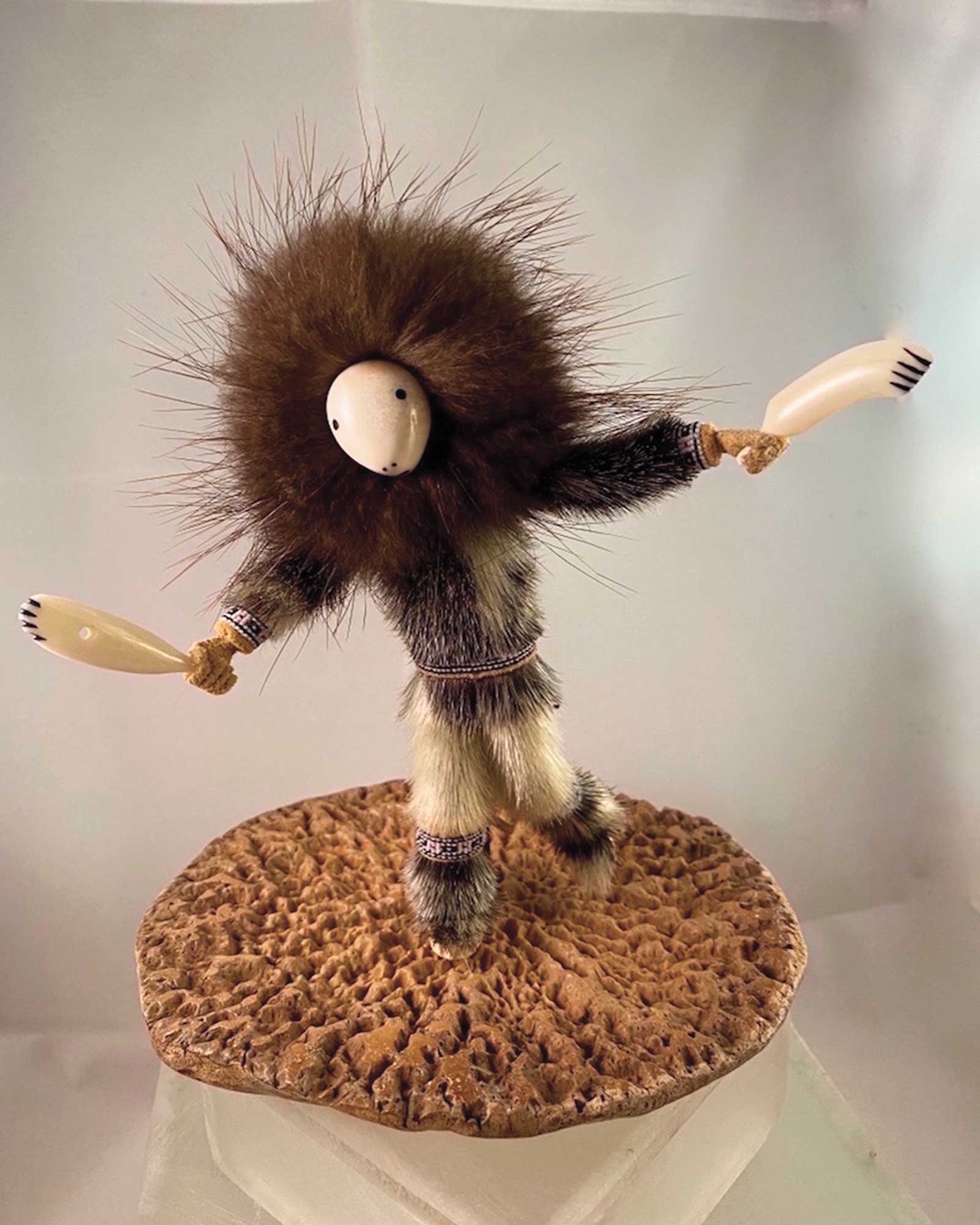
“I learned many things from my mother, grandmother (Ingalik-Athabascan) and my aunts (Ingalik-Athabascan, Yupik and Inupiat-Eskimo); they were all very influential in my life…They taught me how to hunt for food, brain-tan the skins and sew them into clothing, how to gather fruit, roots, bark and plants for food and medicines. As a creative child, I learned beading and skin sewing when I was about 6. My love to bead and make my own clothes, jewelry, mukluks and carve ivory has led me to sell my creations at local shows and at the largest museum and international Indian art shows.”
Yonavea Hawkins (Caddo Nation of Oklahoma)
www.yonavea.com
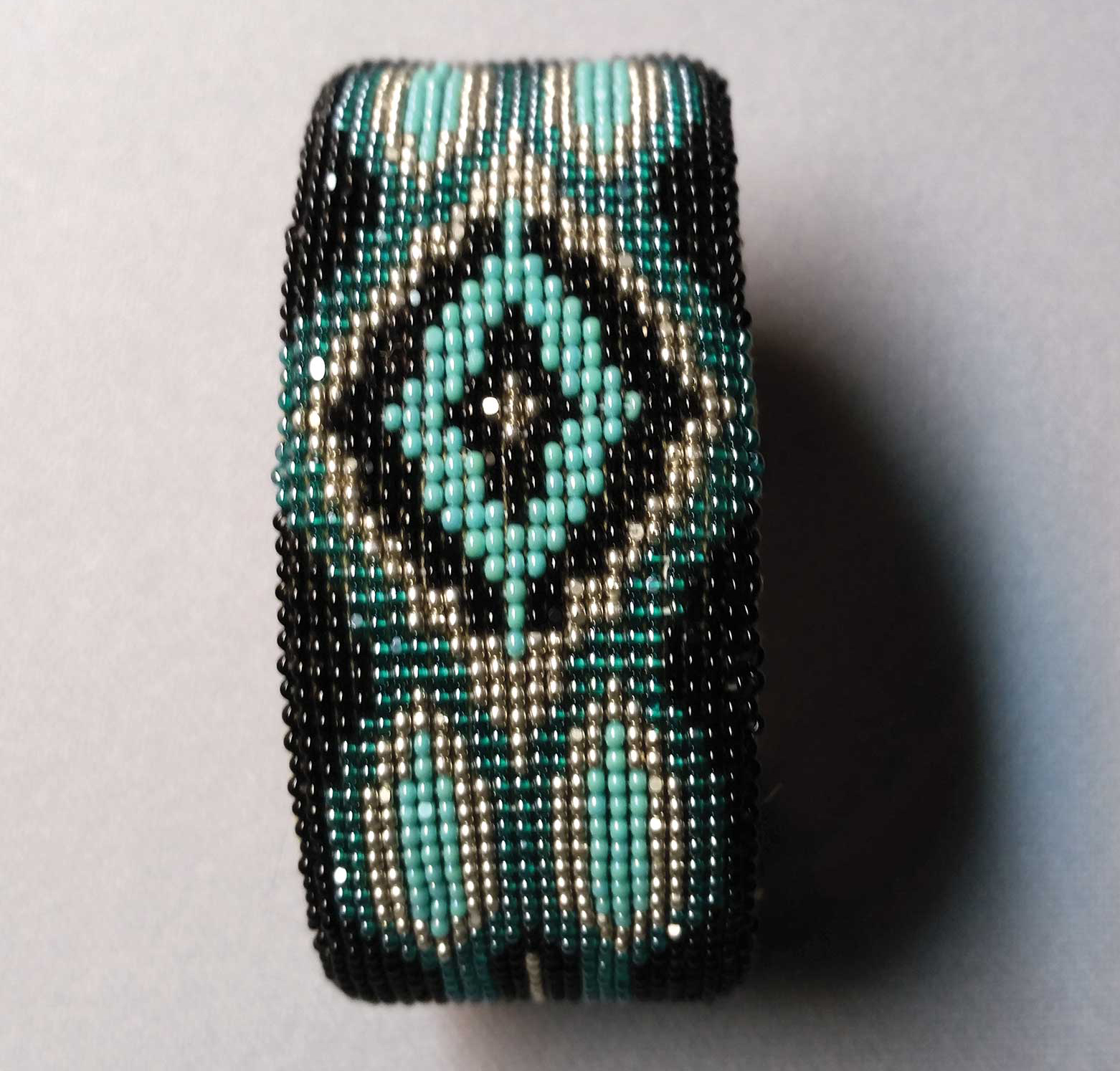
“I am an enrolled member of the Caddo Nation and I am also Delaware Nation and Kickapoo Tribe of Oklahoma. I create beadwork for Native American and Caddo cultural items using traditional designs with contemporary colors. For my beadwork,
I use Czech cut beads and my beadwork is done on a loom or hand stitched on buckskin using two needle applique stitch or half stitch. I sign and date my work, so you know that it is an original piece made by me. My beadwork has several influences ranging from South Eastern, Woodland, Plains, and I live in Indian Country.”
++++++++++++++++++++++++++++++++
Jewelry & Lapidary Work
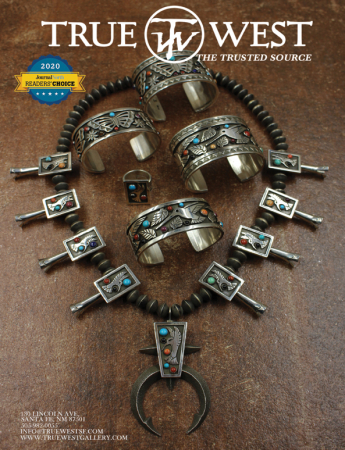
There is endless variety and intricacy in Indigenous jewelry. Beads, shells, copper, silver, ivory, amber and turquoise are present in jewelry of many tribes because these were major trade items long before first contact with Europeans. Metalwork techniques ranging from hammering and etching to silversmithing, overlay, inlay, tufa casting and channel work result in strikingly different finishes. Innovations in materials, design and fabrication techniques mean that it is not uncommon to find stainless steel jewelry or 14k gold inlaid with precious stones. The virtual market will feature 96 jewelers from 26 tribal affiliations offering one-of-a-kind jewelry from belts to bolos, bracelets to rings and everything in between for women and men.
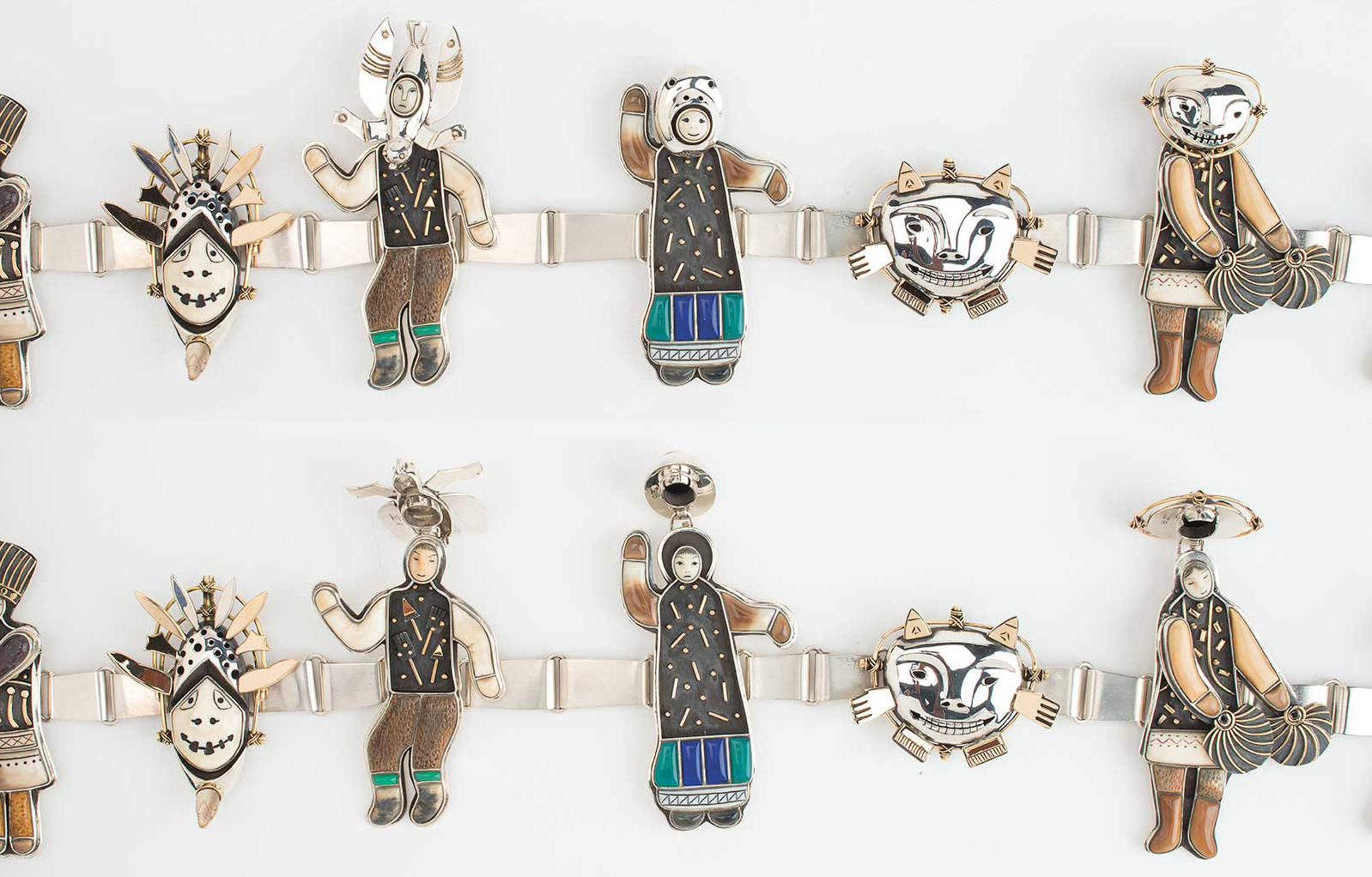
2020 Best of Class
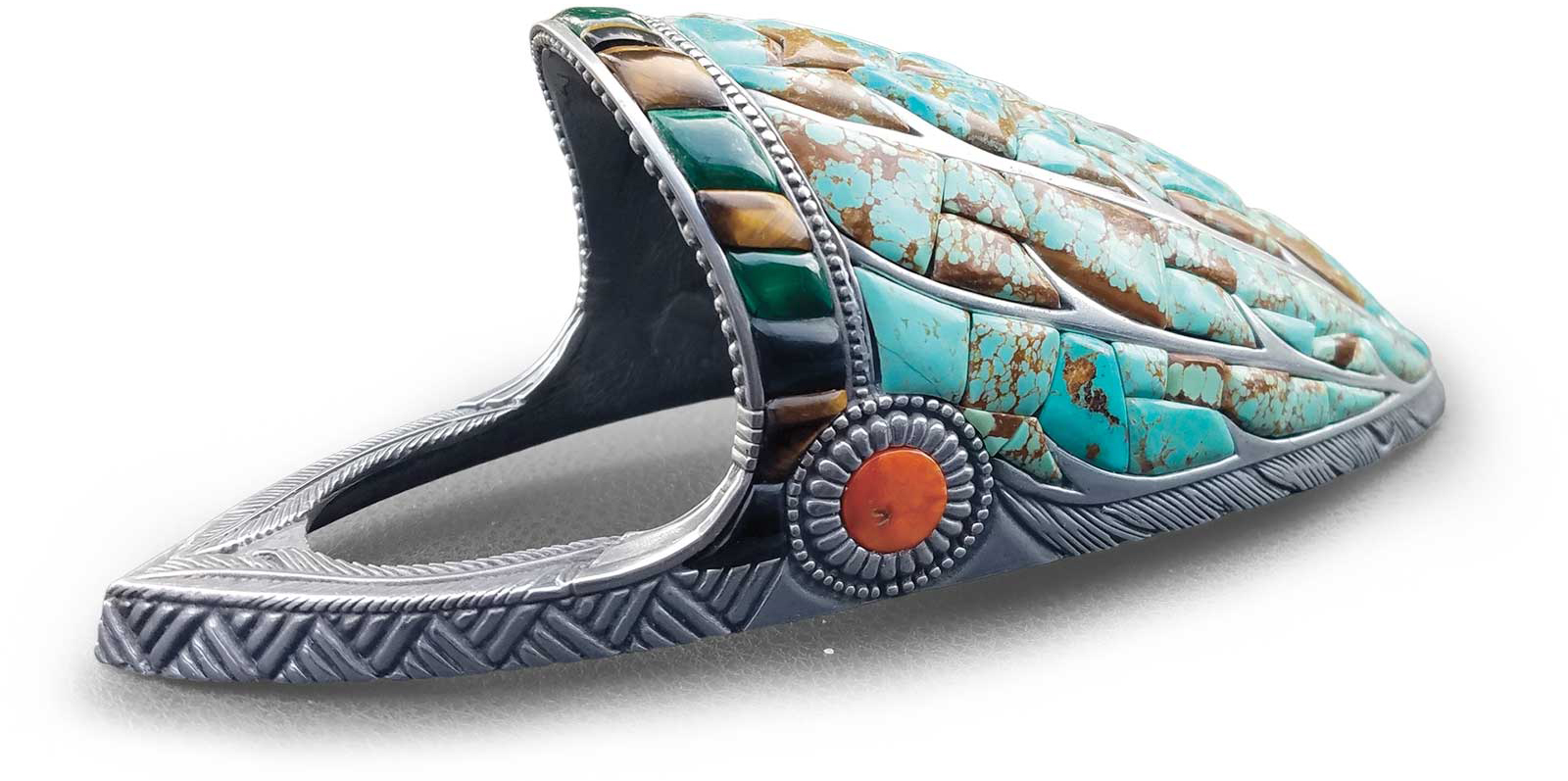
Denise Wallace (Chugach Sugpiaq), The “Yup’ik Dancer Belt
www.denisewallace.com
Jacob D. Morgan (Navajo)
www.jacobdmorgan.com
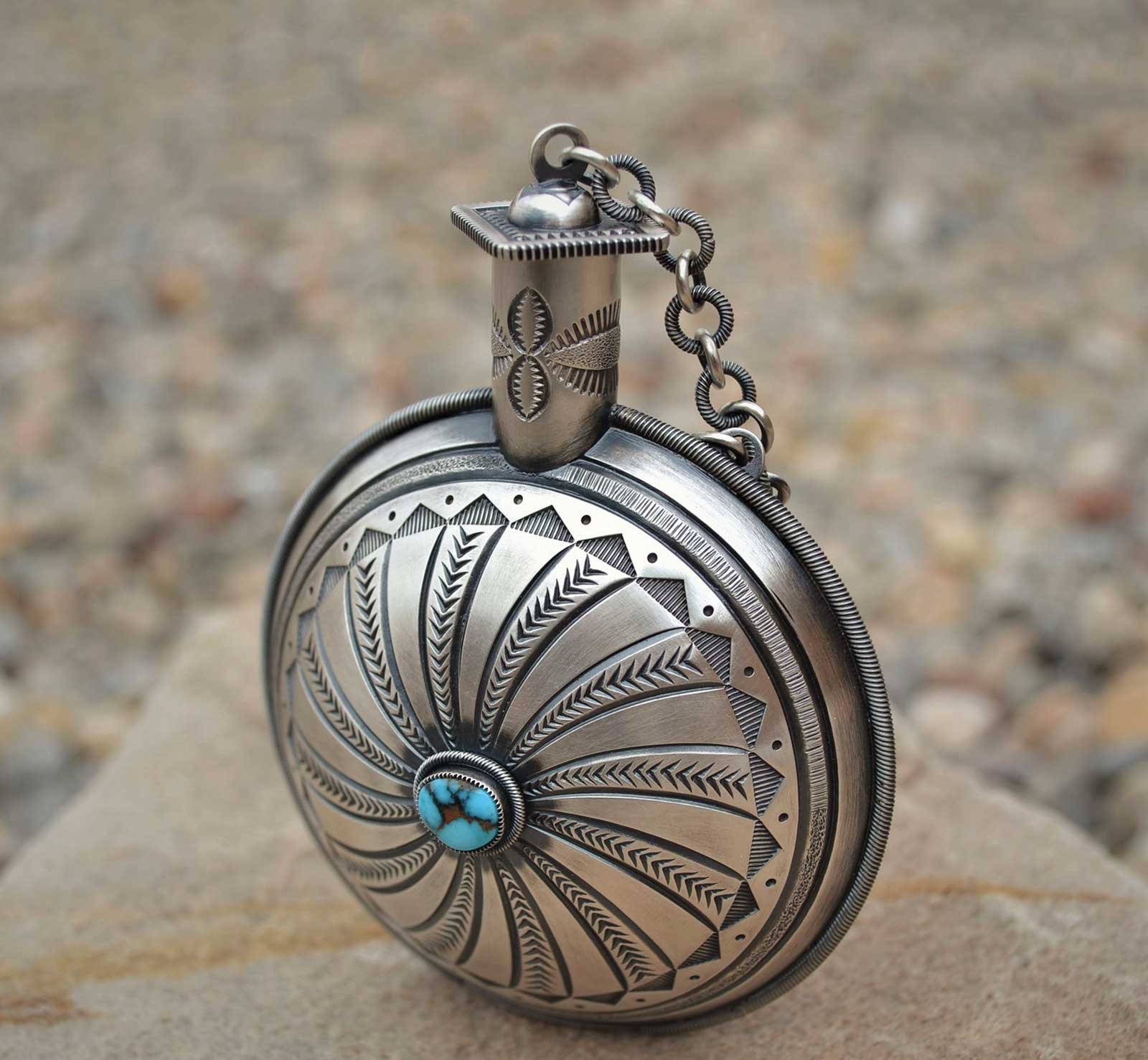
“‘Beauty. Balance. Power.’ Those were the words my late father Harry Morgan used to describe his designs. Those same words also influence my designs. Less is more is not the intent; it takes a great deal of thought and effort to harmonize style and detail. In that pursuit, creativity and individuality are honed. Being a sixth-generation Navajo silversmith is a blessing. I’m tasked with a responsibility to honor the past while forging a path for the future, to keep the tradition alive for the next generation. In Beauty I Walk.”
Piki Wadsworth (Hopi)
www.pwadsworth.artspan.com
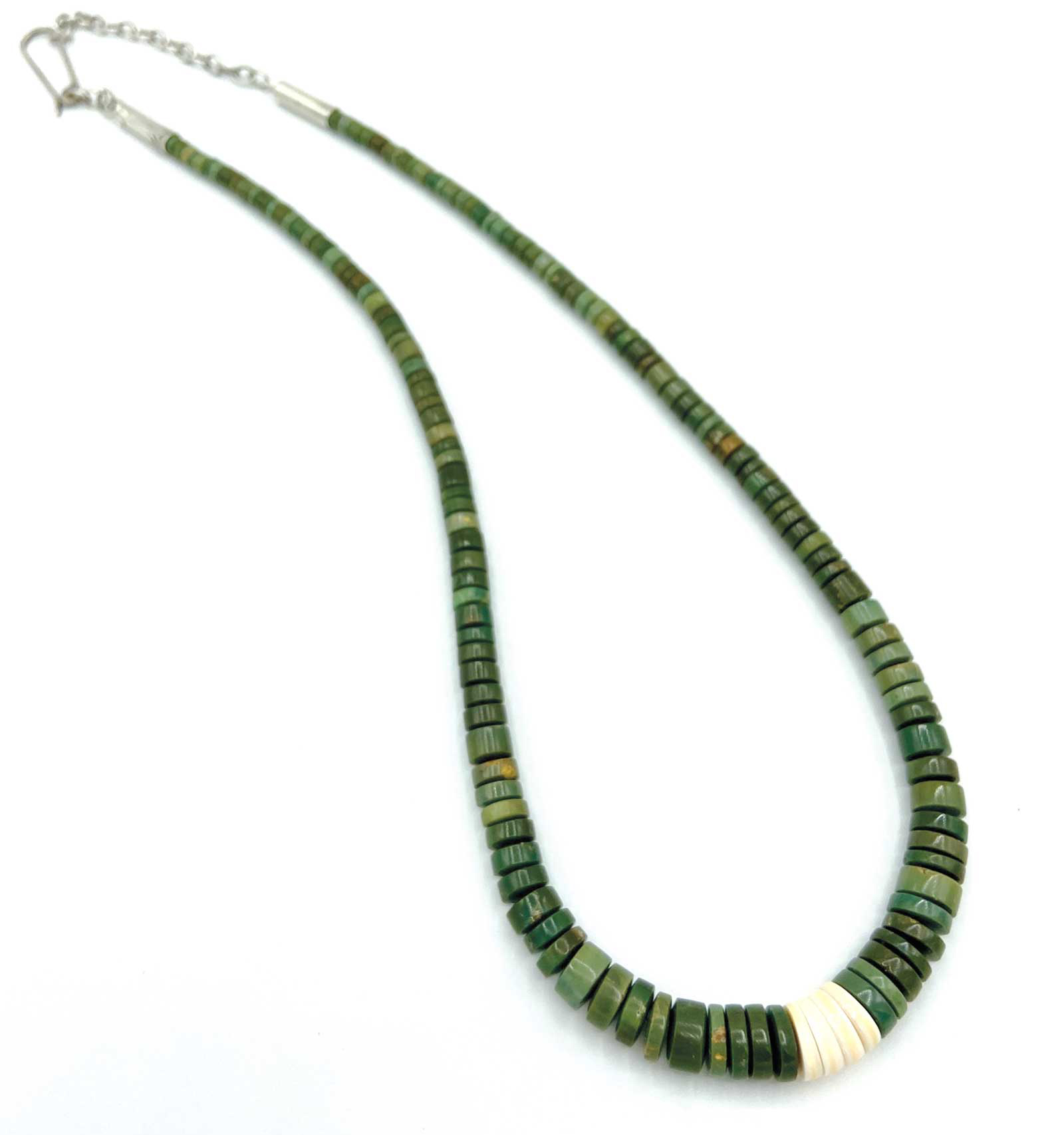
“As a second-generation jeweler, I inherited my talent from my mother, Cheryl Marie Yestewa. [I use] the traditional method of hand shaping, cutting, drilling and polishing my beads [that are] only originating from high-grade rough natural turquoise. As a jeweler, I also hand fabricate and solder all my findings from sheet or ingot silver/gold. My parents pushed me to pursue my dream of becoming an artist 10 years ago and I have been creating beads since. Family is very precious to me and they encourage me to do my best always.”
Jared J. Chavez (San Felipe)
www.chavezstudio.com
“My current work focuses on the reflective nature of polished silver. Through fabrication, metal stamping and some casting, I explore how light and reflection interacts with the materials I utilize. I’ve found that polished silver takes in the colors and the light of the world around, and through the use of surface texture a dynamic play of light is created across the surface of my designs.
I further enhance my work through the use of semiprecious stones...the light that is allowed to shine through these stones creates a rich and warm effect of the overall design.”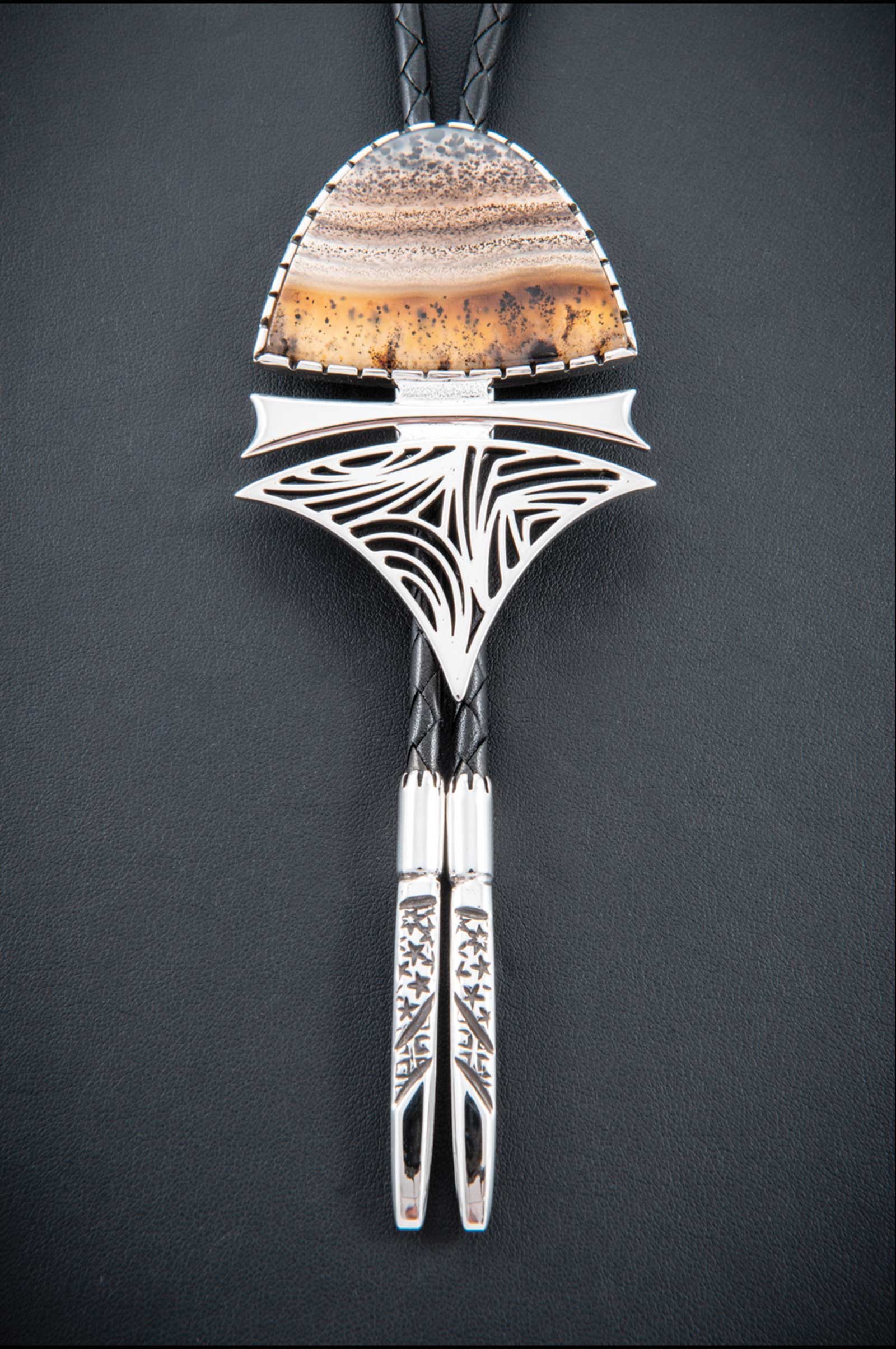
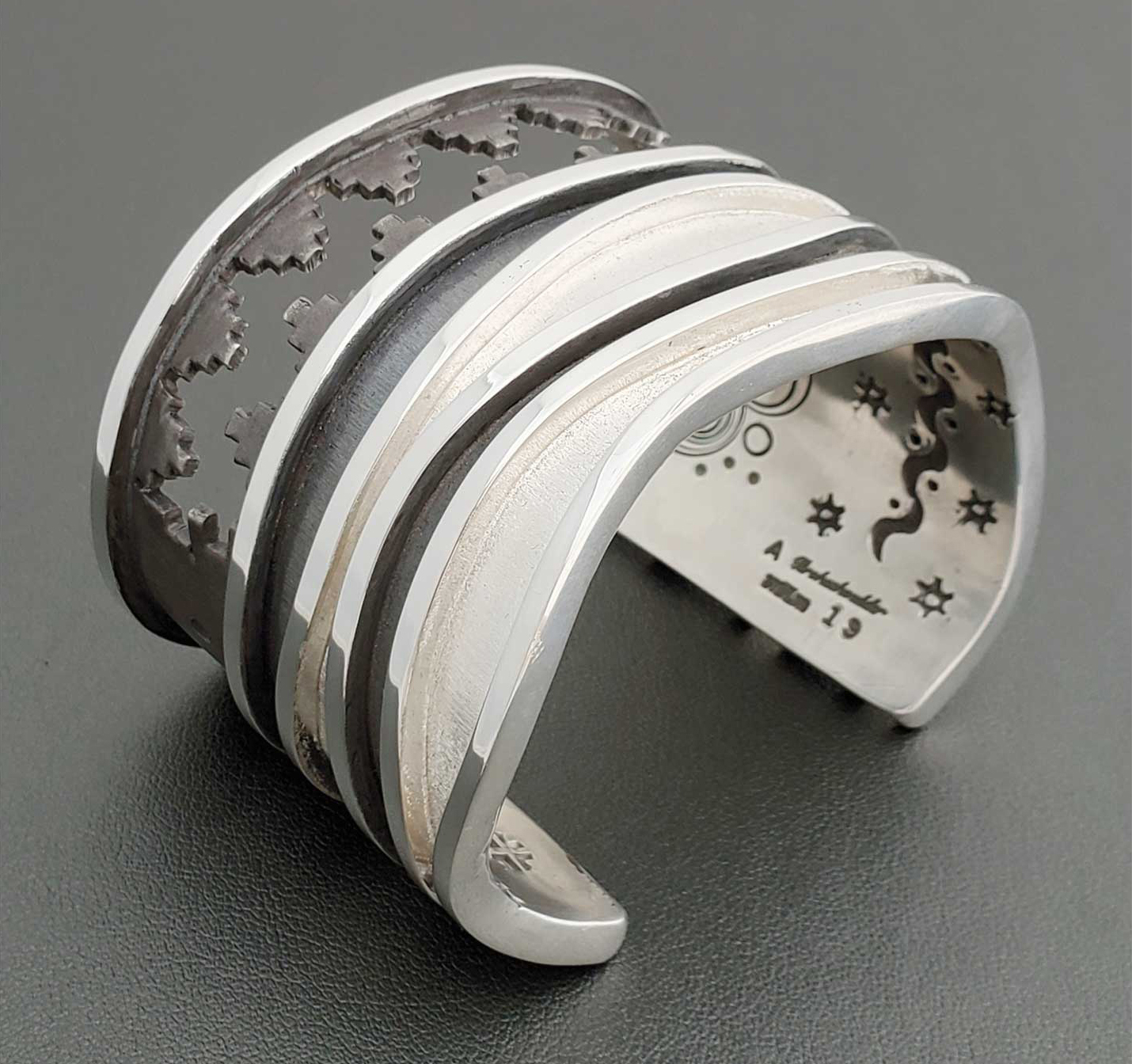
Aaron Brokeshoulder (Shawnee/Choctaw/Kewa)
www.doyouhaveabrokeshoulder.com
“I began my work as a metalsmith from a young age with the influence of my father. I have mastered the art of incorporating traditional stories into my contemporary pieces with the attention to detail in my stamp work, granulation, reticulation and corrugating of metal techniques. My work can be found worldwide both in museums and private collections, which begs the question, Do You Have A Brokeshoulder?”
++++++++++++++++++++++++++++++++
2-Dimensional Art
The two-dimensional art in the virtual market consists of paintings, drawings, prints, photographs and mixed media. These works of art were created by artists using anything from pens, pencils and brushes to cameras, iPads and computers to applying everything from oils, watercolors, tempera and acrylics to inks and graphite. These artists showcase the beauty and vitality of Indigenous creative expression from across Indian Country. Over 60 artists from 30 tribal affiliations will show and sell their two-dimensional art in the Heard virtual market. The artists spotlighted in this section give a feel for the variety of art you can expect at the virtual market.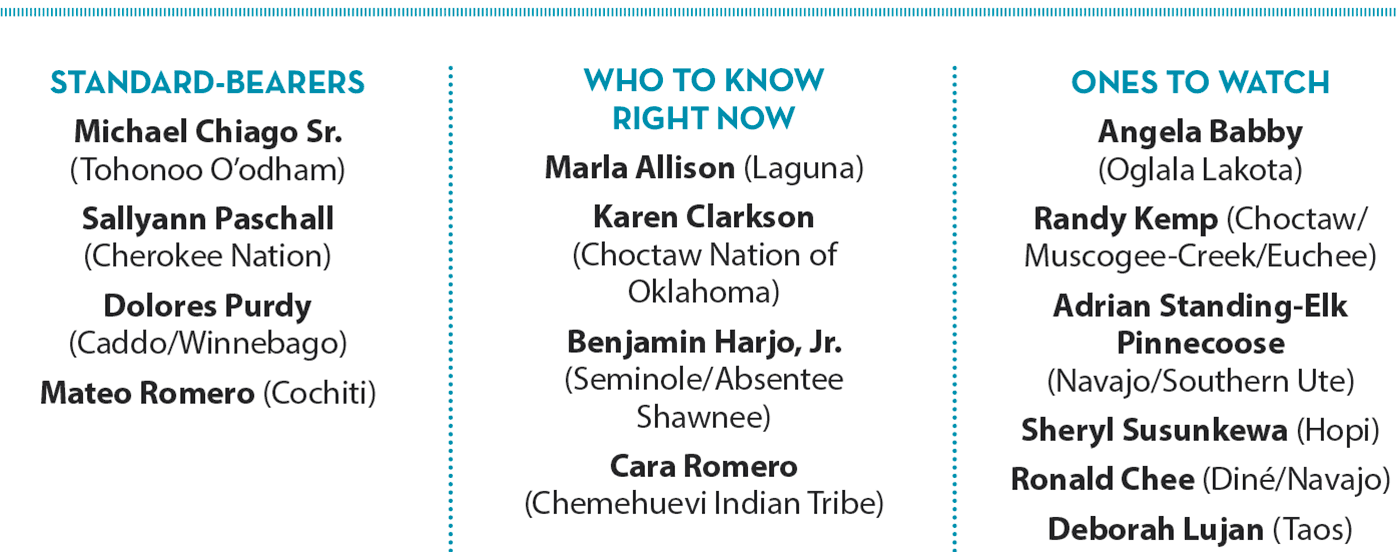
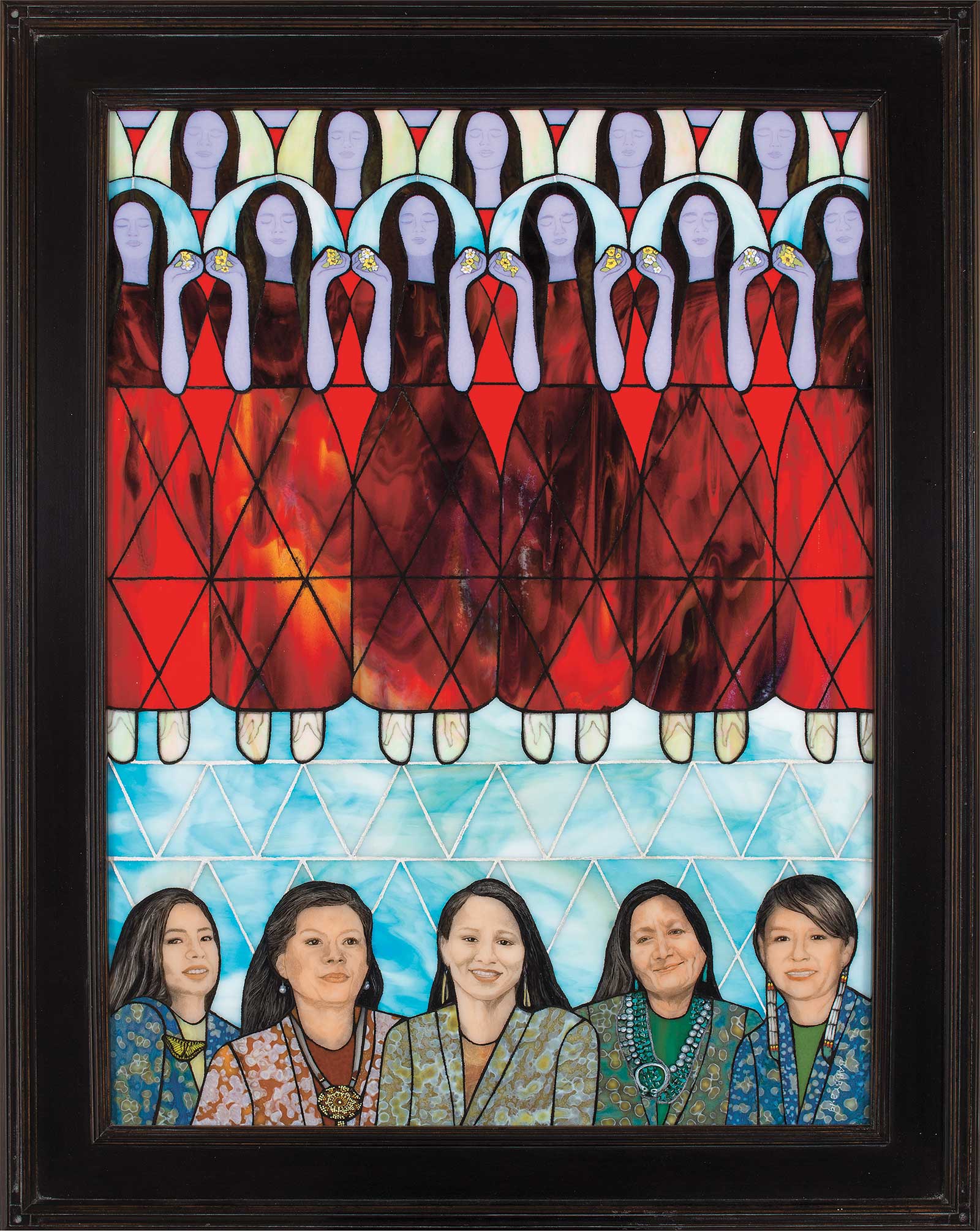
2020 Best of Class
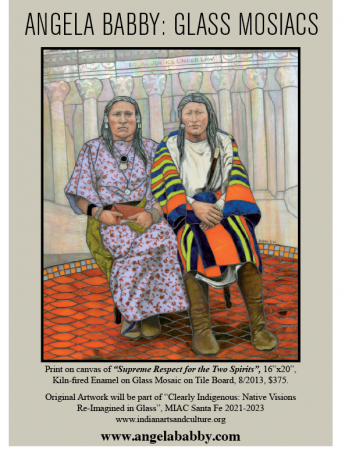
Angela Babby (Oglala Lakota), Turtle Island War Party (Keya Wita Ozuye)
www.angelababby.com
Ronald Chee (Diné/Navajo)
www.ronaldchee.com
“I use vibrant color, and a love for experimentation and change, to depict both traditional and modern Native subject matter and imagery. These two worlds are masterfully blended to give the patron a glimpse into present day Indian life; often creating a dynamic sense of unease. The results are works with bold imagery, influenced by historical and political events, which are filled with movement and emotion. With visual allure, I deconstruct the stories, myths and culture of the Native people.”
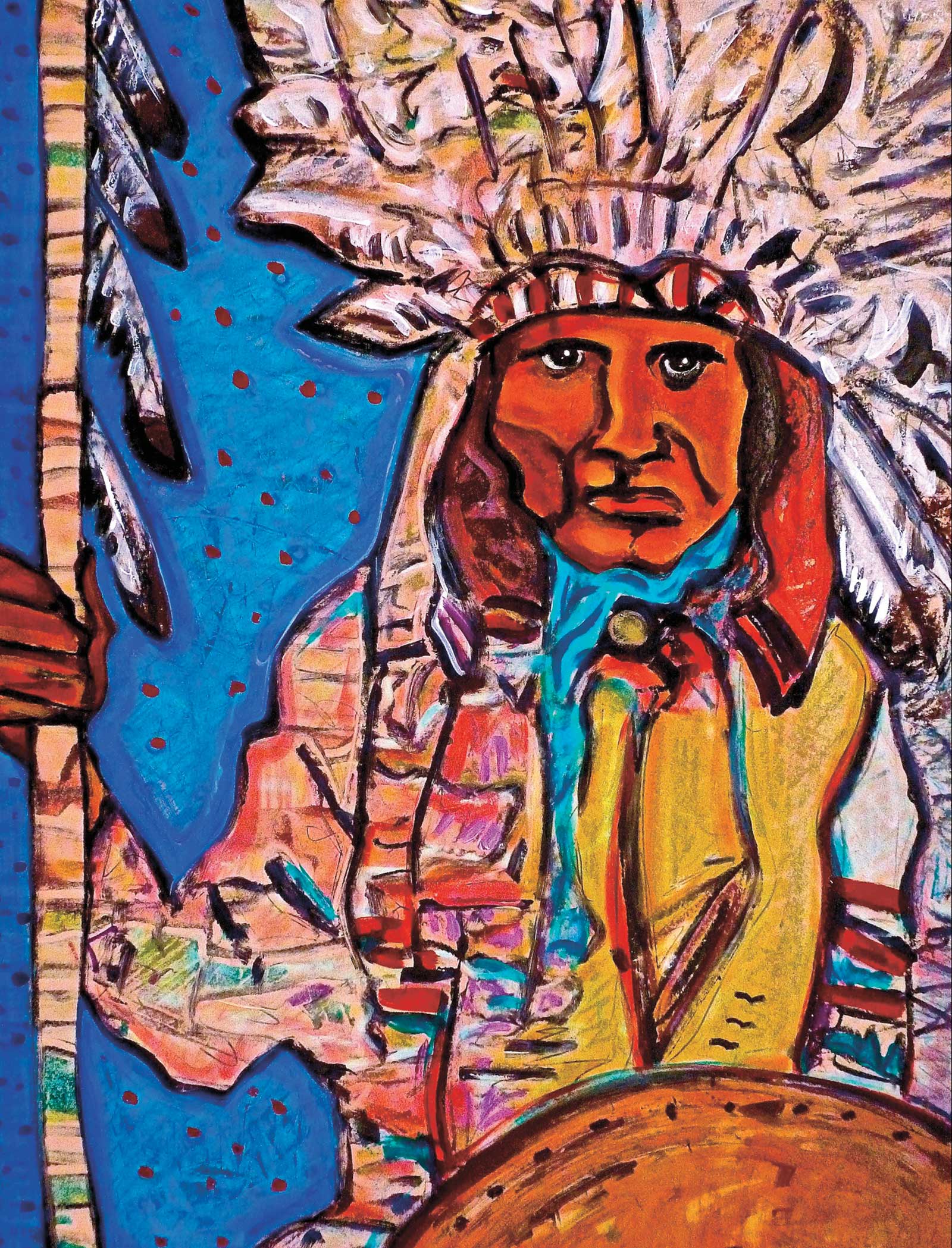
Mateo Romero (Cochiti)
www.mateoromerostudio.com
“These paintings reflect a pattern of evolution and change. The images are powerful, imposing, juxtaposed with swirling gestural paint marks and drips. Timeless, archaic elements of Pueblo culture are juxtaposed with contemporary abstract expressionist palette knife and brushwork. Overall, the paintings develop a rhythmic, hypnotic, trancelike feeling, which is referential to the metaphysical space of the Pueblo and the dance itself.”
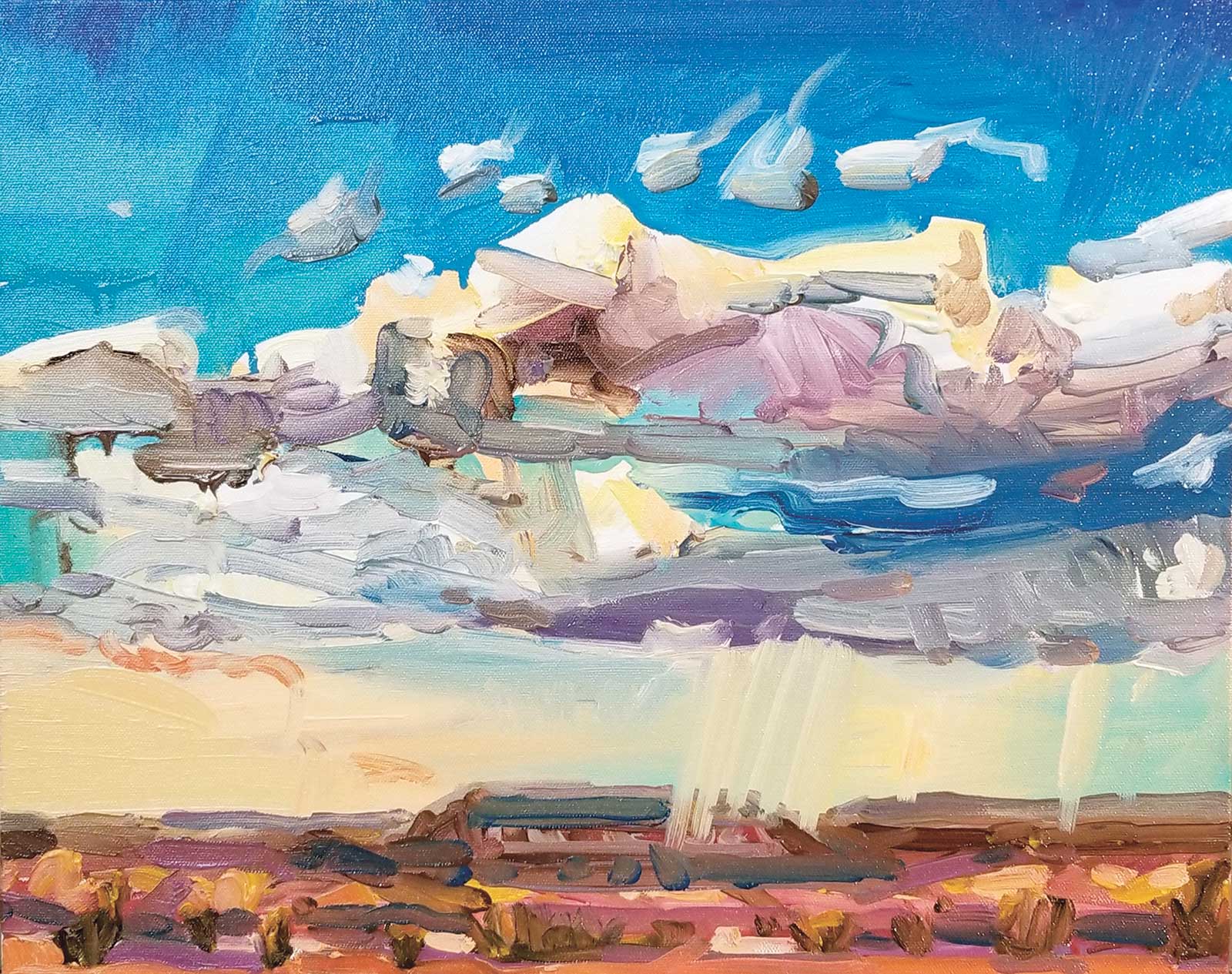
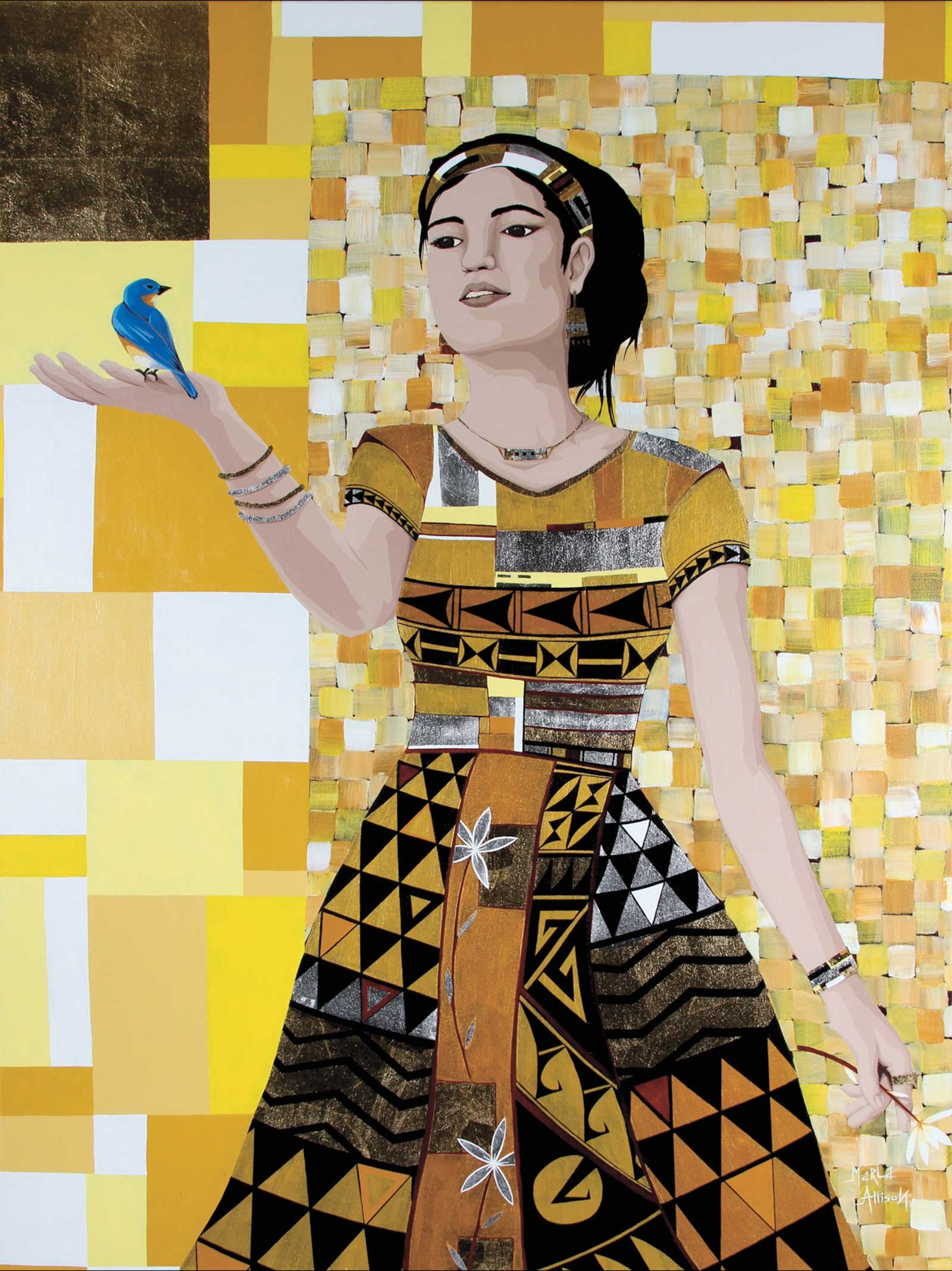
Marla Allison (Laguna)
www.marlaallison.com
“A wood frame starts naked and blown free of dust. Canvas is pulled taut over each delicate corner. The four-sided frame waits until the hands are able to reach out and do the work. A subject, a scene and mood are decided upon, then canvas is placed on the easel. Each paint stroke finds their place that was always destined to be. The details that form give harmony to the next as the ages have placed history through human spirit to breathe out colors as a soft song in acrylic form. I paint what is within me.”
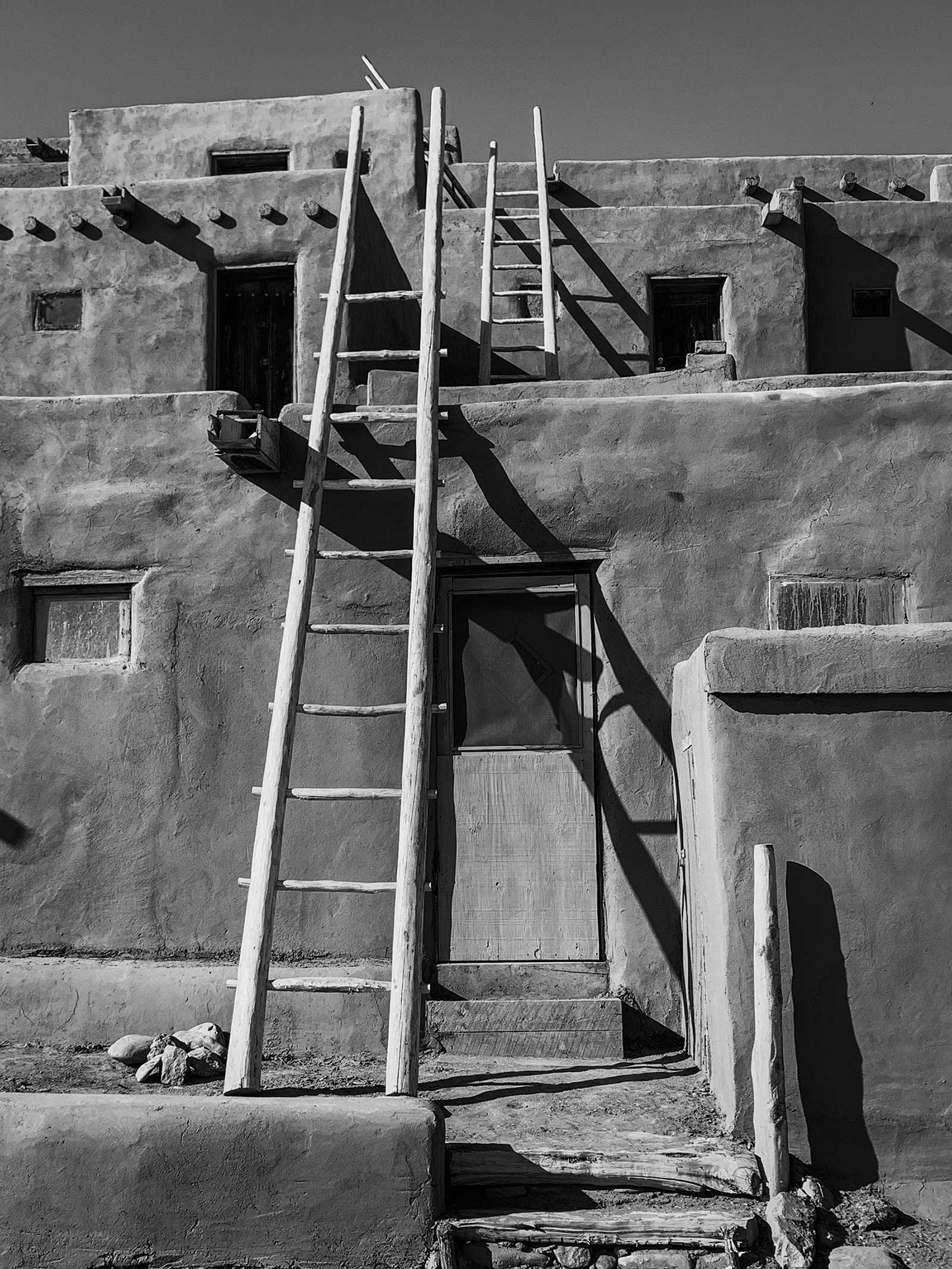
Deborah Lujan (Taos)
www.deborahlujanphotography.com
“I am a landscape photographer that lives and works at Taos Pueblo, New Mexico. I have the privilege to photograph this beautiful place that I call home. Since I live on tribal land, I can show the nuances of my home through the lens of my camera.
I am completely at home working with both color and black-and-white photography. Capturing the distinctive architecture of the Pueblo in various light and season is a challenge and what I live for.”
++++++++++++++++++++++++++++++++
Personal Attire & Accessories
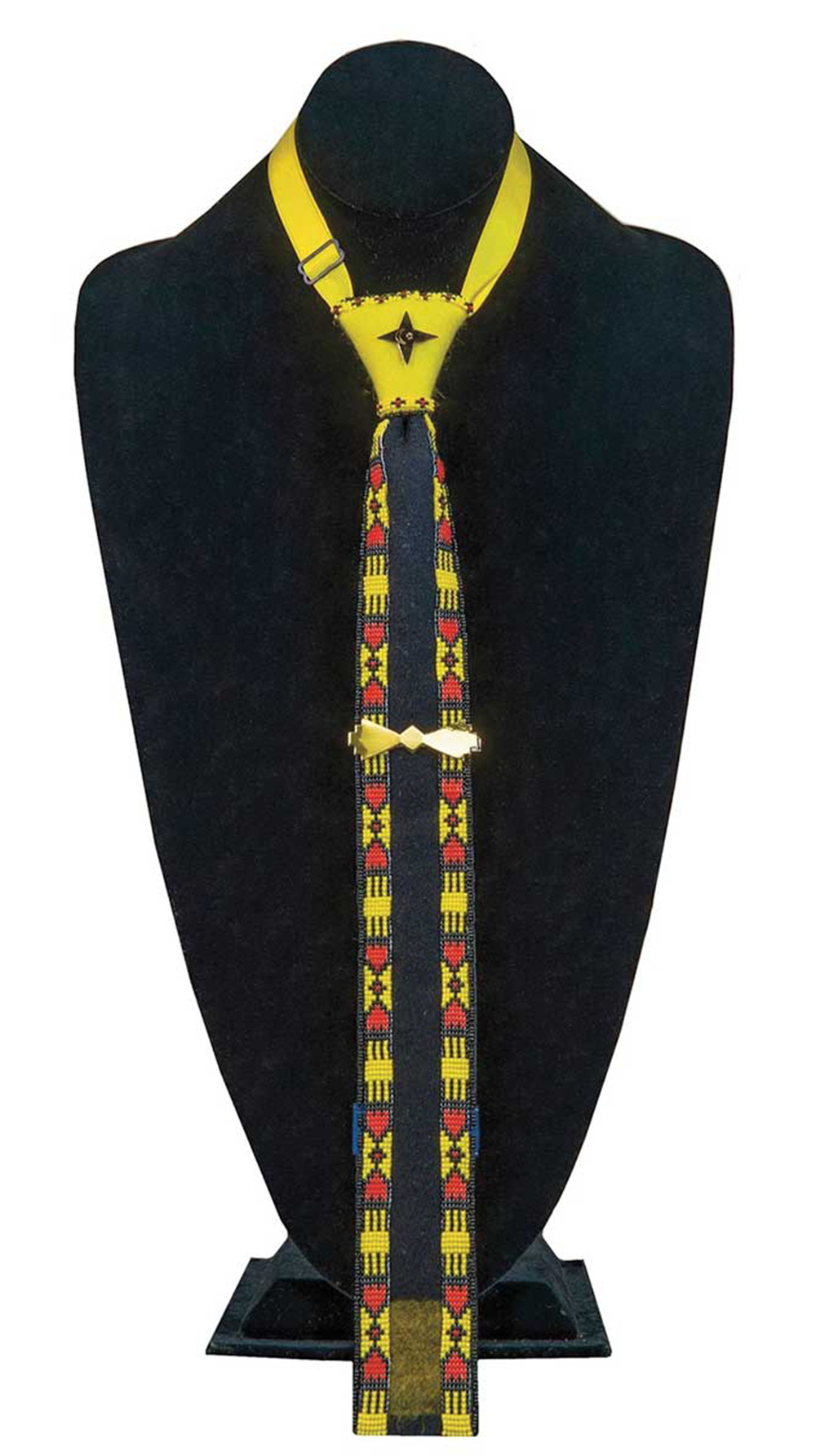
These artists design, then weave or sew attire ranging from cultural and ceremonial clothing sets, to fashion items from haute couture, to everyday wear, as well as accessories such as ties, belts, sashes, scarves and purses. You will find unique wearable items to define your fashion style and set you apart from your peers. Or, if you are looking for an authentic creation to add to your art collection, look no further. These designers represent eight tribal affiliations offering a wide range of creative expression in wearable art.
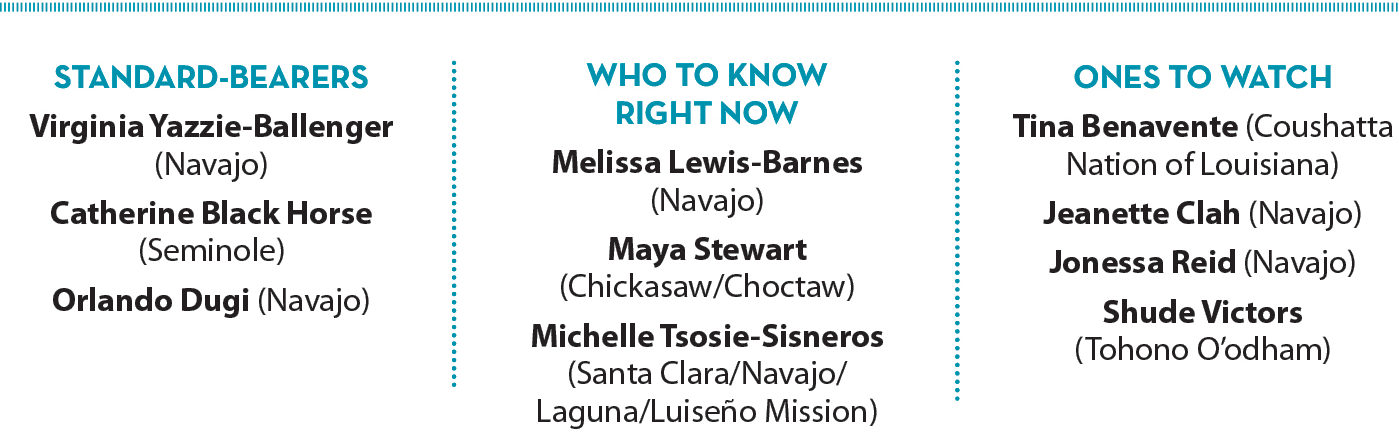
2020 Best of Class
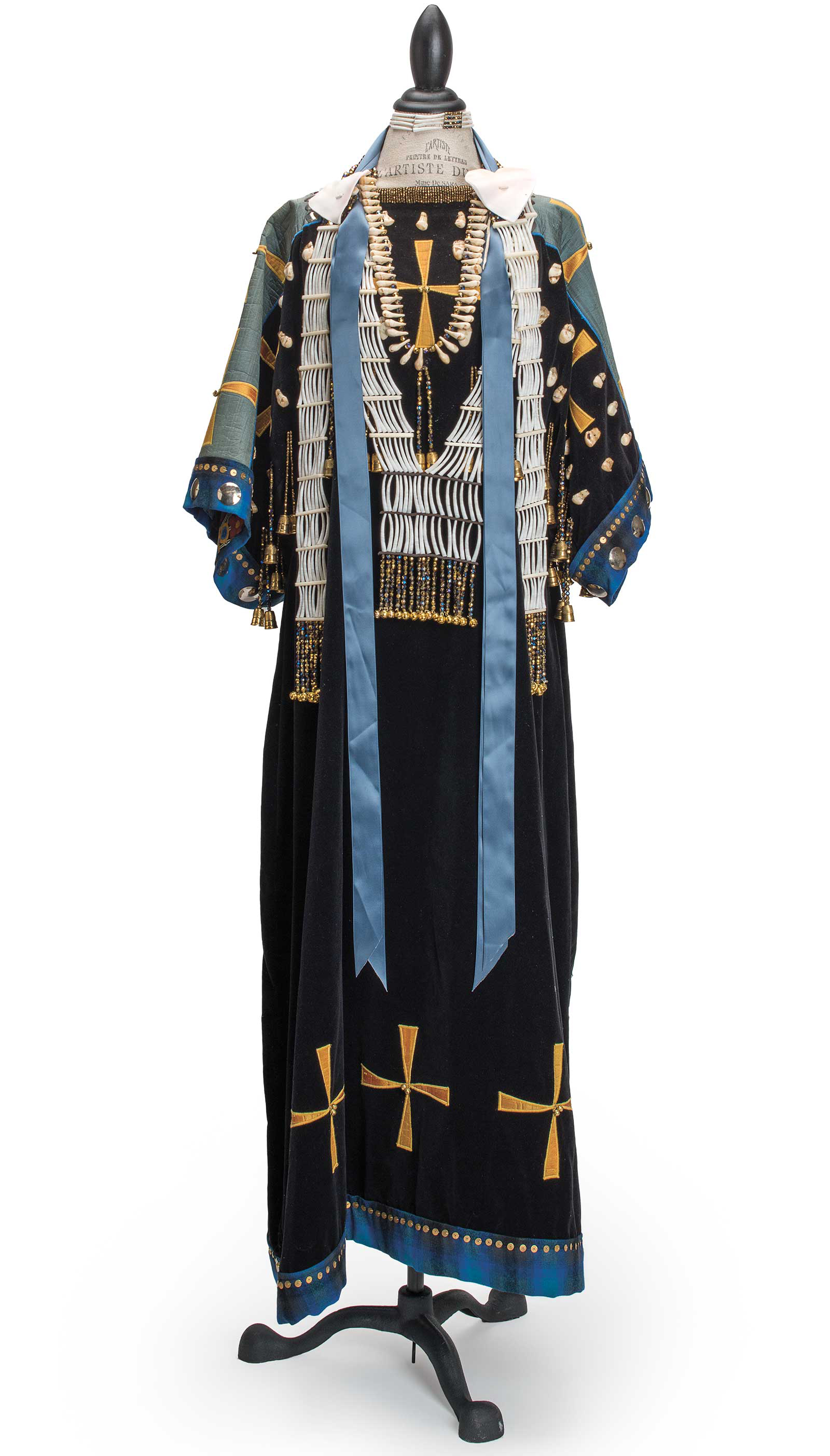
Catherine Black Horse (Seminole)
Vision of Falling Star
www.catherineblackhorse.com
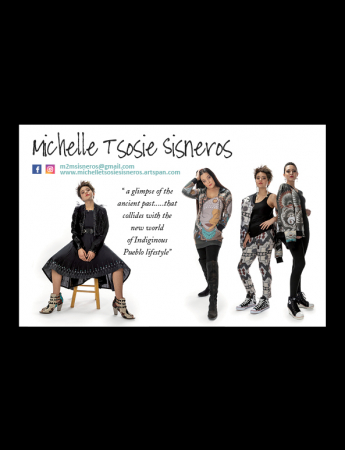
Michelle Tsosie-Sisneros (Santa Clara/Navajo/Laguna/Luiseño Mission)
www.michelletsosiesisneros.artspan.com
“I began painting as a child and developed that into a full-time painting career. I believe that I have experienced many downfalls as an artist and have learned through the years to overcome many of those negativities I placed upon myself. This affected the inspirational aspect as well as the technical abilities of my artwork. I now paint from my soul. The images I paint are from the people and experiences that touch my life in a very profound way and the Mother Earth I live on.”
Melissa Lewis-Barnes (Navajo)
melissa-lewis-barnes.square.site
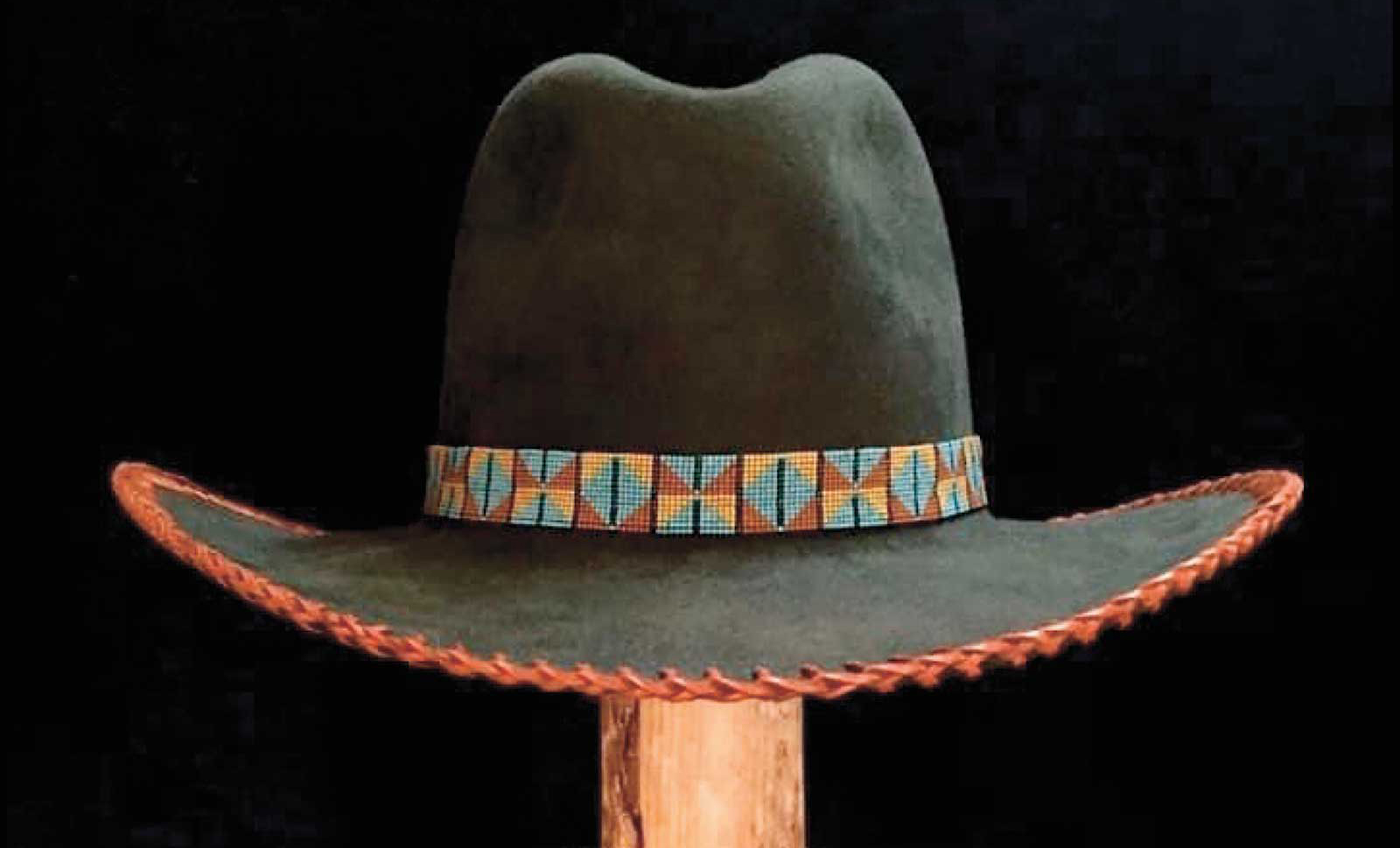
“I am the owner, creator, designer and hat maker of Durango Custom Hats. I hand produce wearable pieces of art that represent my Native heritage. I’ve been creating for well over 20 years and have several awards for my designs. I look forward to working with you to design a hat in your head shape, size, style and color. My hats are designed around your lifestyle, hats that you’ll be proud to wear and hats that speak for themselves.”
Shude Victors (Ponca/Tohono O’odham)
bigsmokemakerdesigns.square.site
“Shude Victors of Big Smoke Maker Designs is from the Ponca and Tohono O’odham Nations. He started as a traditional beadwork artist at an early age, and then received his formal artistic education at the prestigious Institute of American Indian Arts in Santa Fe, New Mexico. Shude’s ability to incorporate Native beadwork with a gentleman’s attire is evidence of his innovation and vision for the future of Native art and expression. Those who embellish themselves with his art, allows the world to envision their Native identity.”
Orlando Dugi (Diné)
www.orlandodugi.com
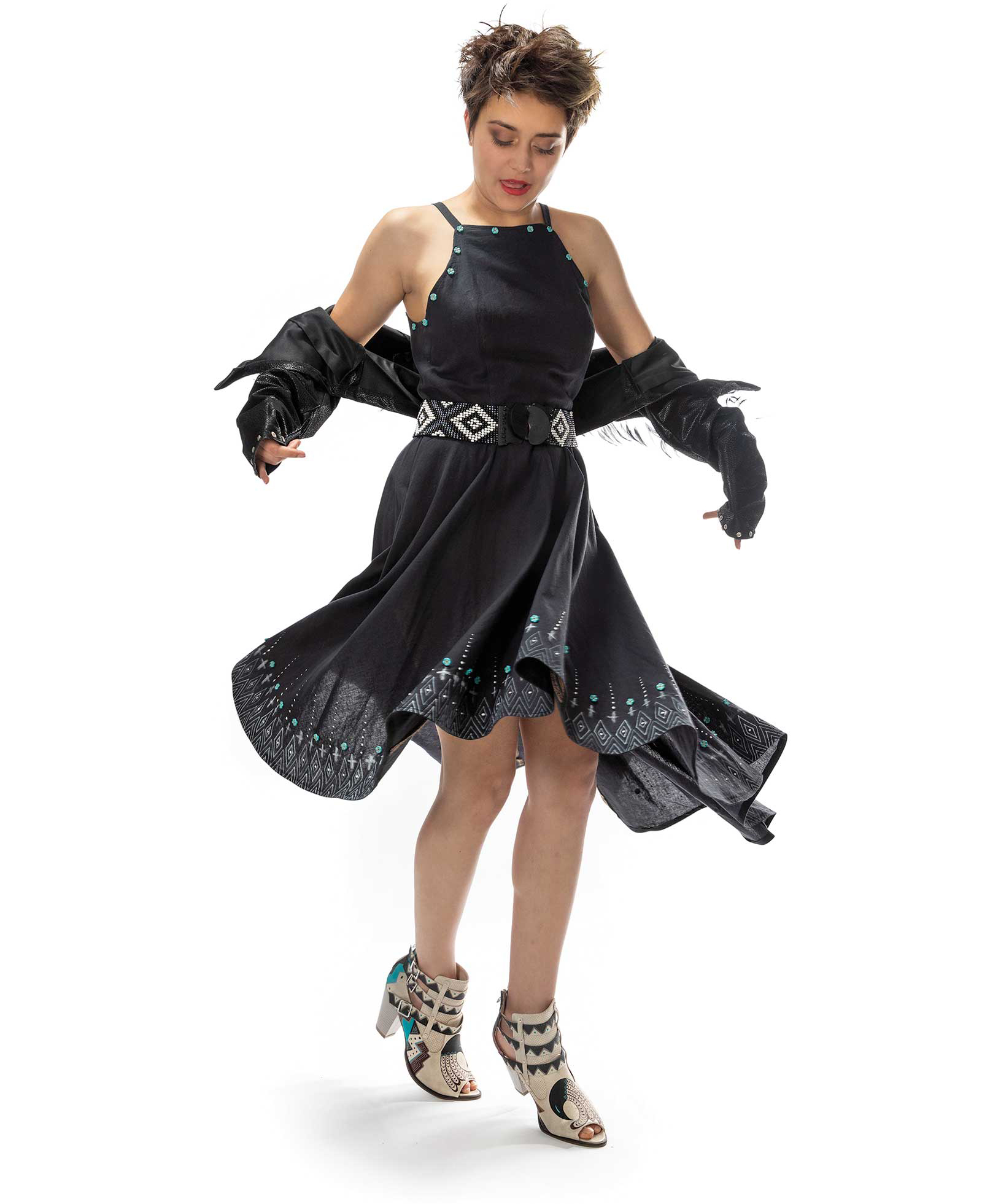
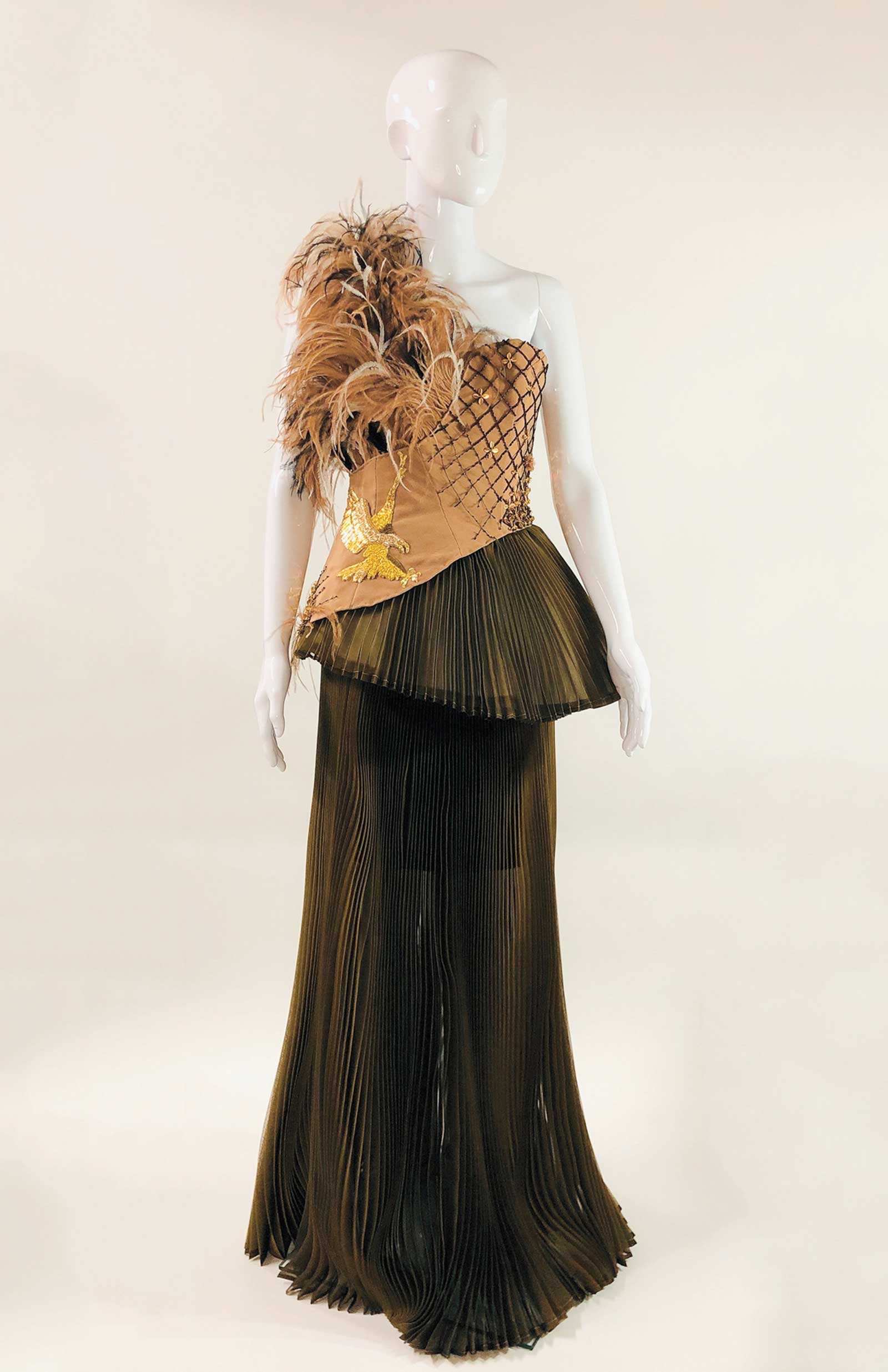
“Orlando Dugi is a Santa Fe, New Mexico-based fashion house, designing timeless yet modern elegance for the chic woman. Luxurious fabrics, textures, embellishments and extravagance, inspired by and handcrafted from tradition rooted in Diné heritage. Orlando Dugi meticulously threads the past with the present.”
++++++++++++++++++++++++++++++++
Pottery
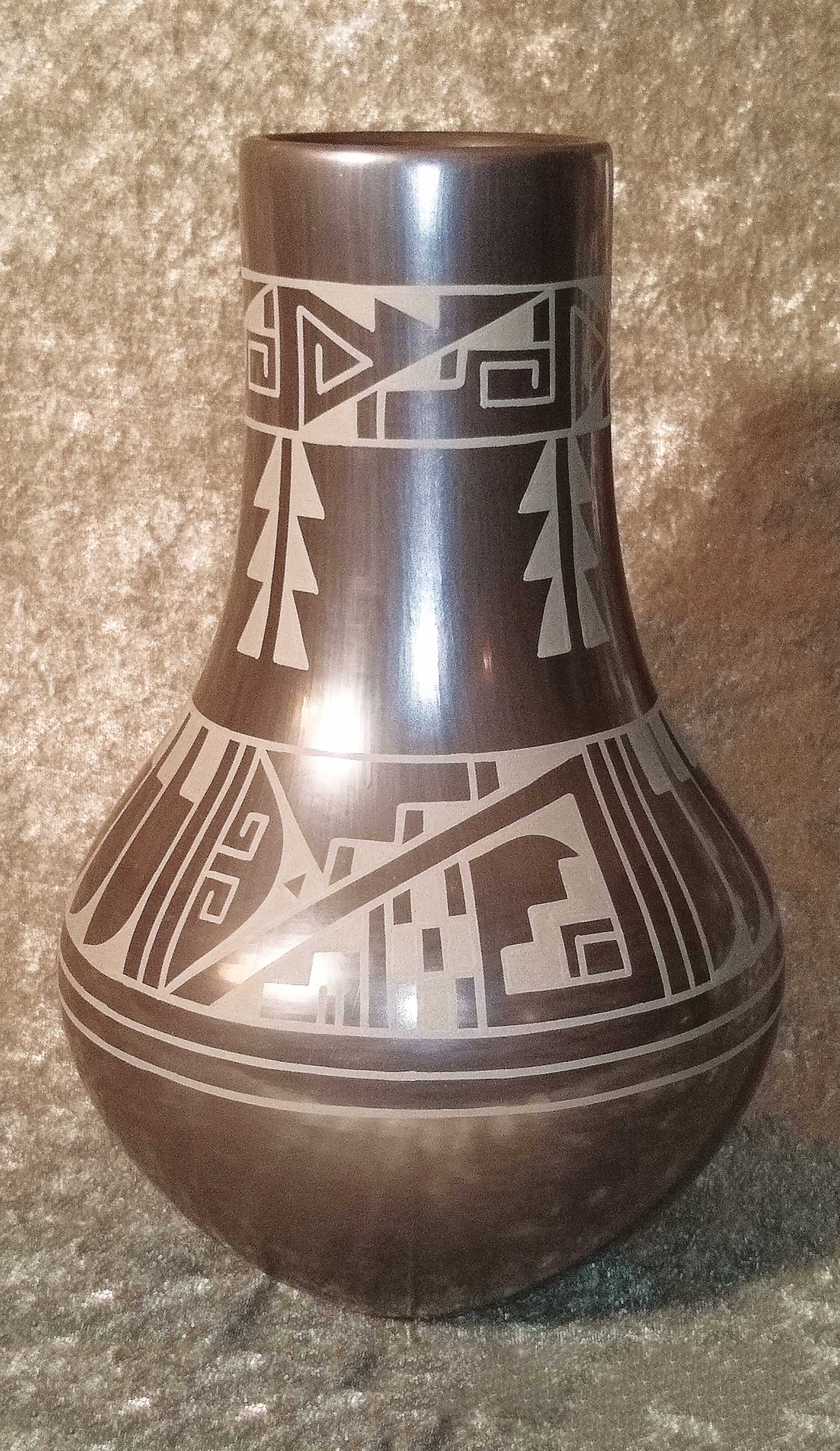
Pottery may be made from native clay or non-native materials, hand built, carved or figurative, fired out-of-doors or kiln fired and painted or unpainted. Handmade often starts with the laborious process of gathering, purifying and processing clay. It continues with a shaping technique like coiling without the use of a potter’s wheel. Many potters prepare the pastes and slips (pottery paints) using local clays and coloring agents (plants and minerals). The shapes, designs, decorations, colors and techniques vary not just from tribe to tribe, but from artist to artist as each person’s touch, style and mastery is different. Firing is typically done in open fires. Thirty potters from 14 tribal affiliations will be participating in the virtual market. 
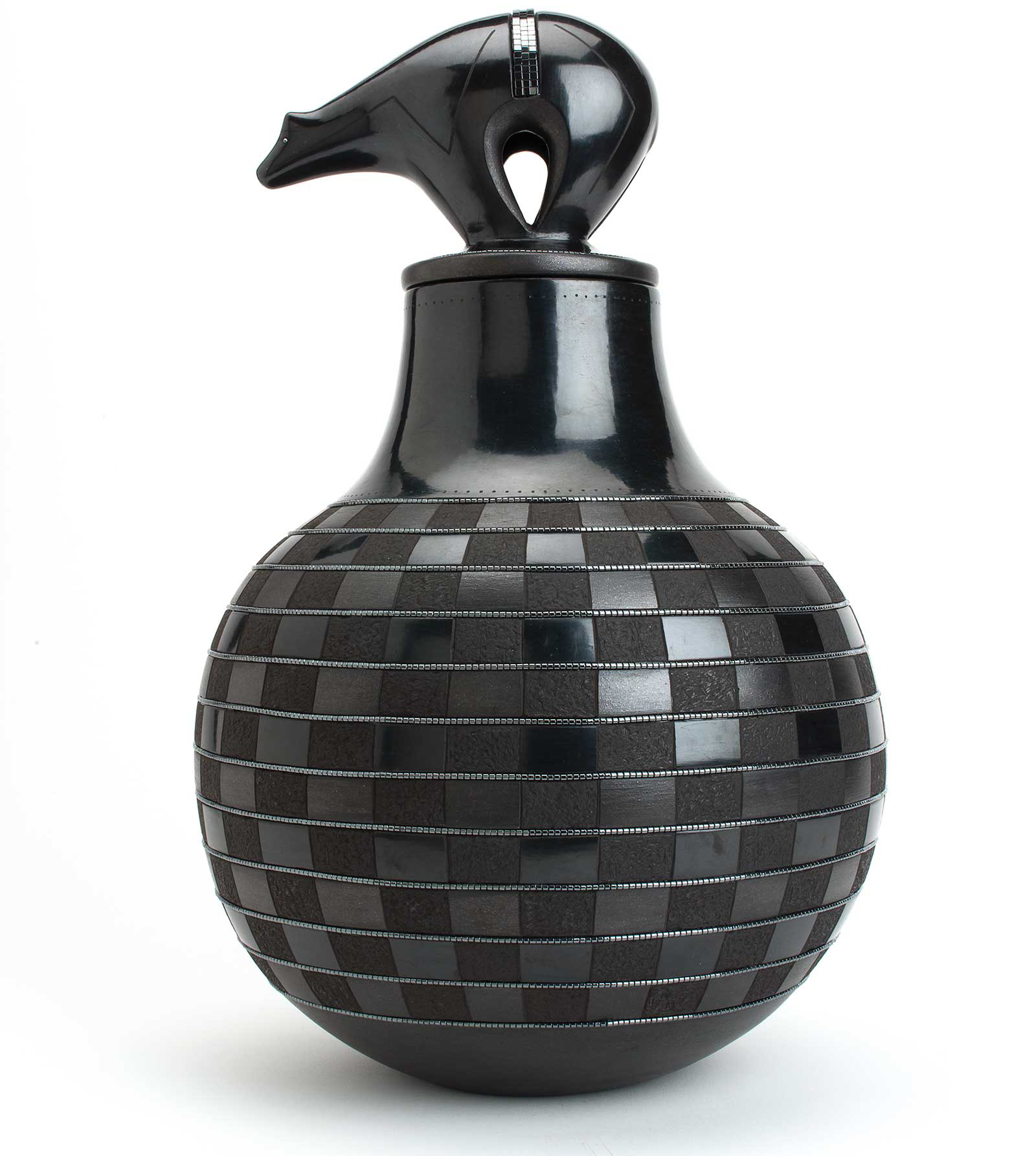
2020 Best of Class
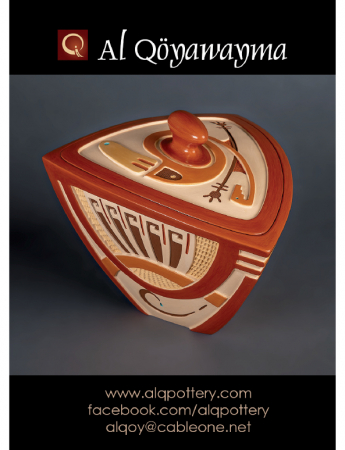
Russell Sanchez (San Ildefonso),
Pottery With Detached Lid
russgoraft.wixsite.com/mysite
Karin Walkingstick (Cherokee)
“I am a full-time ceramics artist and Cherokee Nation citizen from Claremore, Oklahoma. I have studied with Cherokee National Treasure Jane Osti and master Wyandotte artist Richard Zane Smith. Since my introduction to clay in 2013,
I have committed my time exclusively to creating contemporary works of pottery that echo my Cherokee culture. I use the practices and traditions of my ancestors, but don’t make replications of artifacts.
I use bright colors, styles and a play on old designs to bring that legacy forward.”
Erik Fender (San Ildefonso)
www.sunbirdsani.com
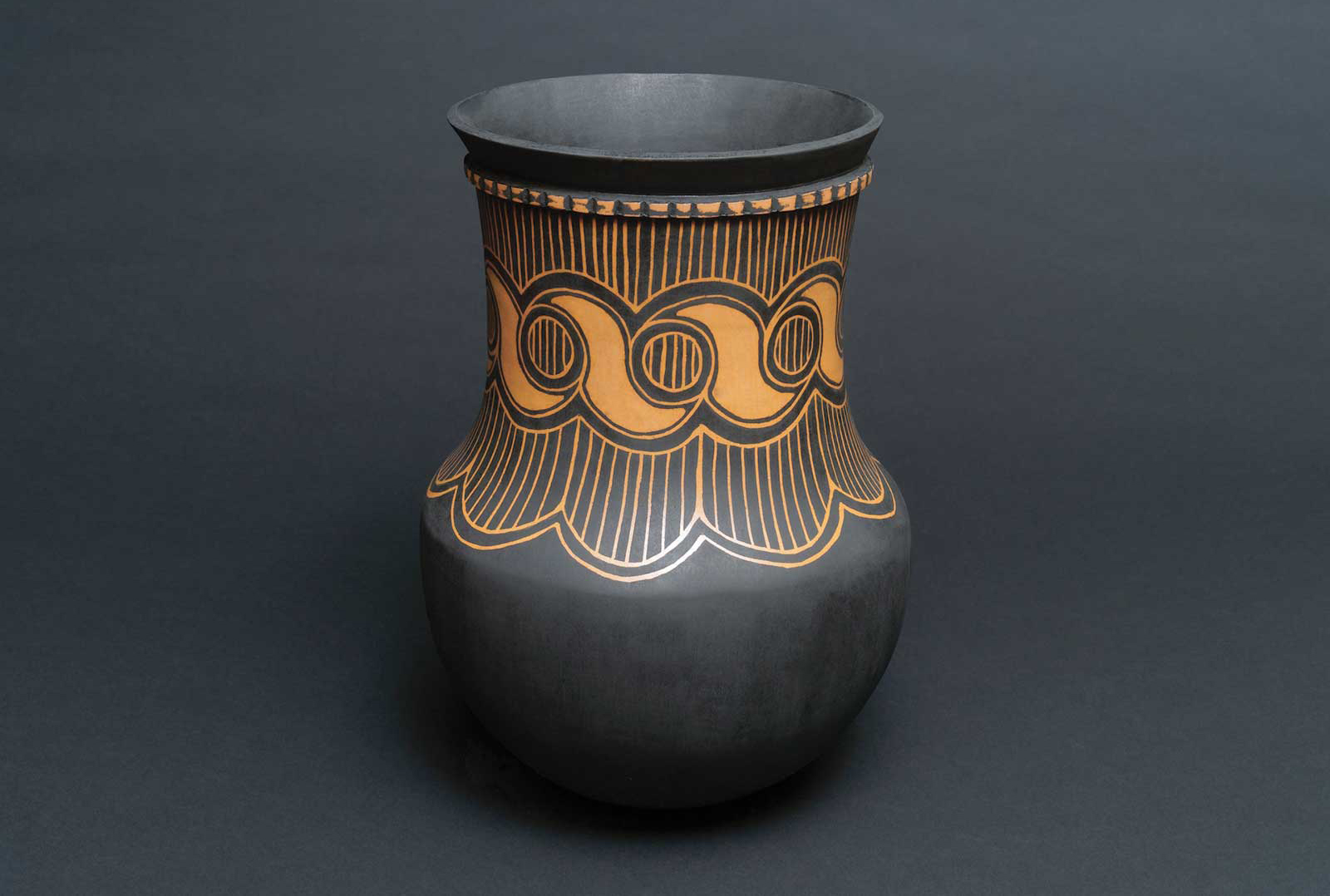
“My work is a continuation of my Pueblo’s legacy. Although I have and continue to work in the black on black style, recently
I have been working in polychrome and black on red styles as part of my revival style in which I am trying to reproduce traditional pottery styles that were done here in San Ildefonso Pueblo before the advent of the popular black on black style.
I use all traditional materials and techniques in the production of my pottery but occasionally use turquoise, heishi, silver and also silver, gold and copper leaf in some of my work.”
Gabriel Paloma (Zuni)
www.shiwipotter.com
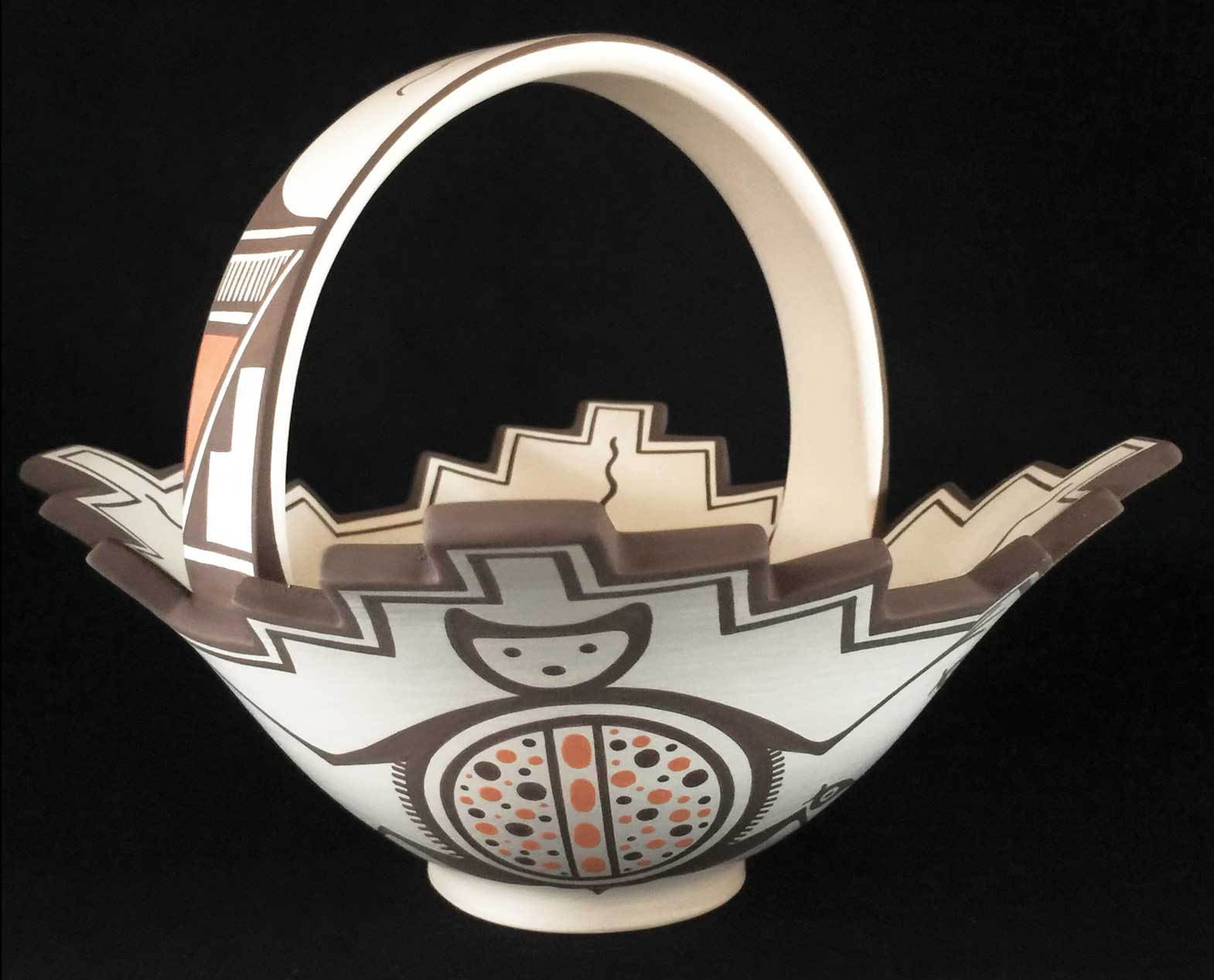
“I am one of the renowned Zuni potters that has learned, developed and acclaimed from a non-Zuni pottery teacher of this technique of coiling. My approach to working with clay is to revitalize old 1800s to 1900s Zuni polychrome pottery, which is meticulously aimed at seminal works that my ancestors have established since in time memorial.
I create genuine polychromes that range in forms of water jars, cornmeal bowls, seed jars and stew or serving bowls that are most traditional. I have always been fascinated by unearthed Zuni pottery. I could just imagine how the ancestral pottery of Zuni were represented through the eye of the beholder.”
Chase Kahwinhut Earles (Caddo)
www.caddopottery.com
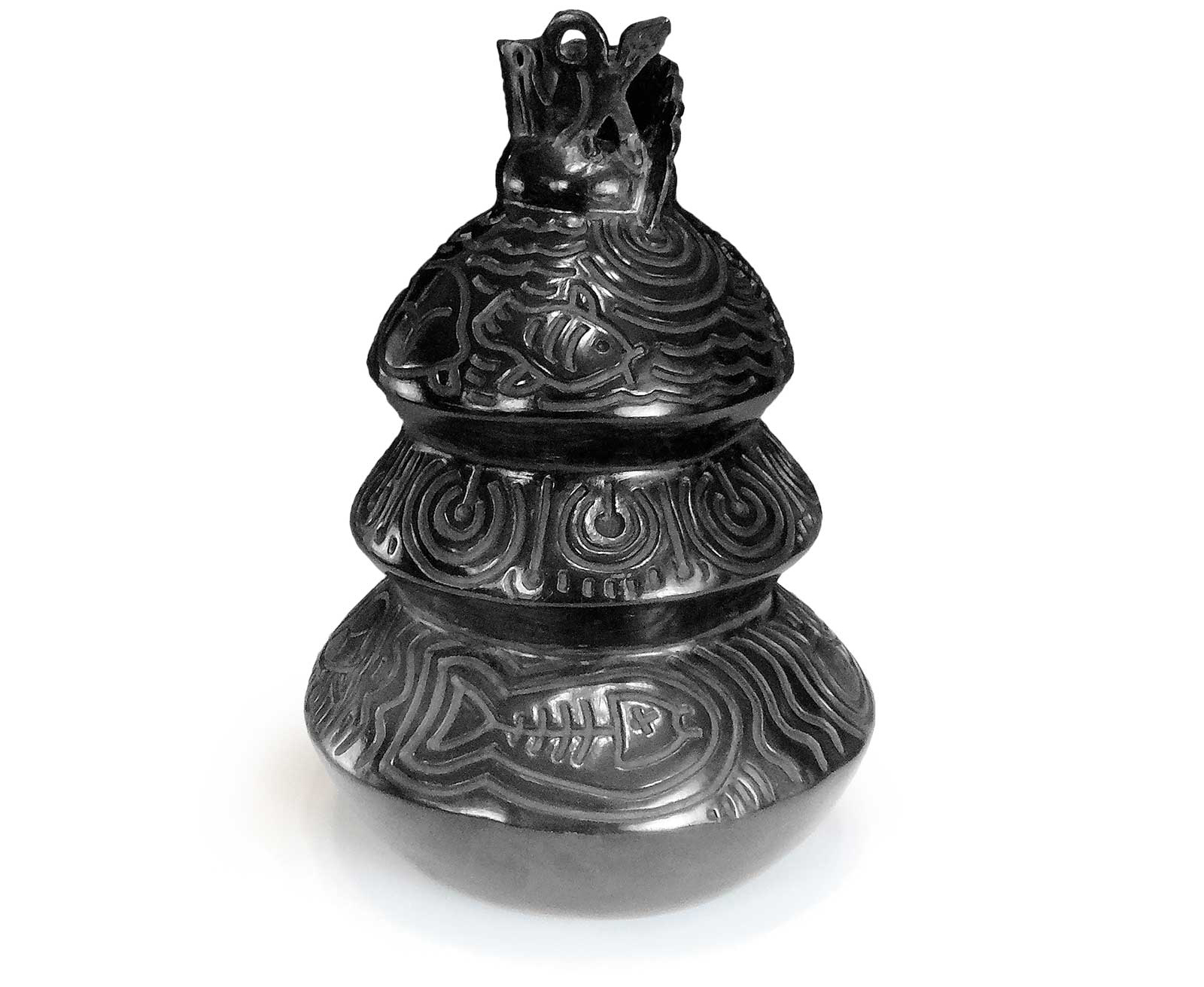
“Over a thousand years [ago] Caddo pottery was an incredible tradition in America. Knowledge of this tradition disappeared as we were decimated from disease and colonialism. I hope to bring that unsung legacy back to light. People don’t see our ancestral pottery because they were used as burial offerings and can’t be shown. I want to respectfully capture the skillfulness and detail of our tradition to reintroduce its importance. I feel our tribe’s communication through art would have evolved with new situations. So I strive to present a new interpretation from my own experiences as an ambassador to my Caddo tribe.”
++++++++++++++++++++++++++++++++
Pueblo Carvings
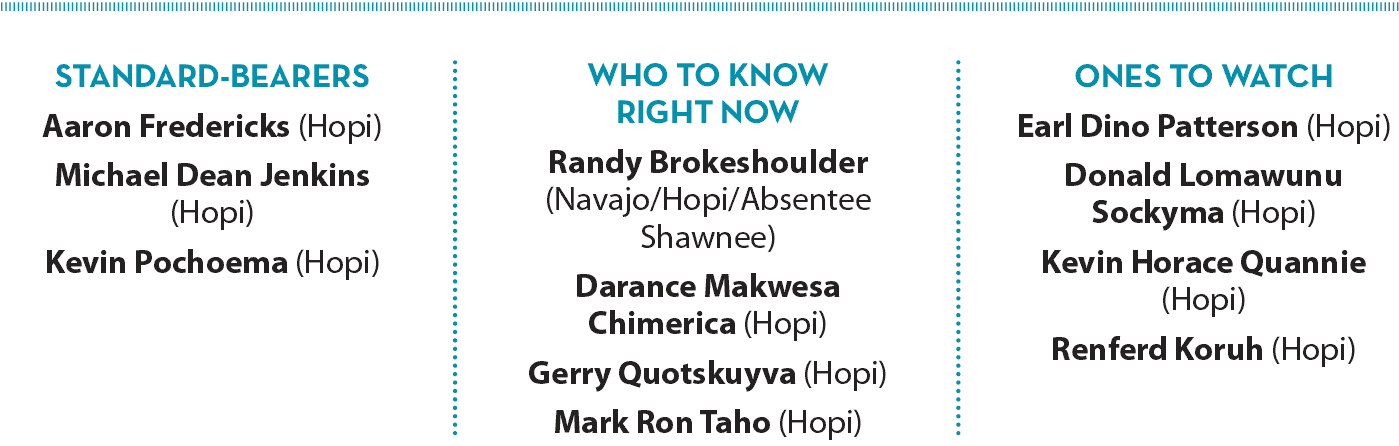
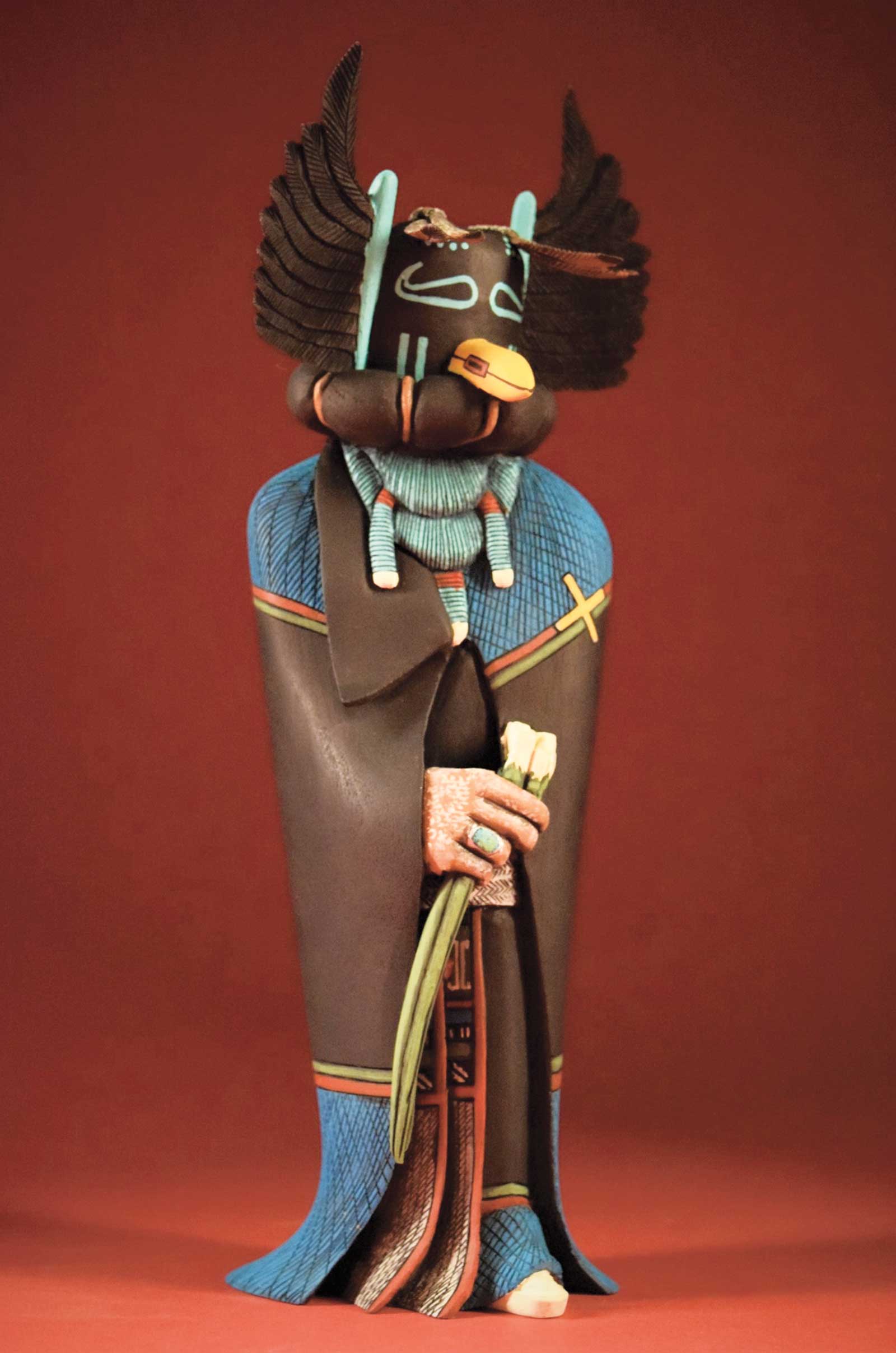
Hopi katsina (plural katsinam, also known as kachina) dolls are figures traditionally carved from cottonwood root by Hopi men. Katsinam are messengers who accept Hopi gifts and prayers for health, fertility, and rain and carry them back to the gods. Katsinam can be male or female, and represent plants, animals, insects, demons, clan ancestors, human qualities, the creative force of the sun and even death. There is meaning in each aspect of the katsina doll, including the colors, types and arrangements of feathers, tools, weapons and other accessories. One important role is as rainmakers because Hopi farm in the high, arid desert of northeastern Arizona. The 11 Hopi carvers in the virtual market offer old style, revival and contemporary dolls.
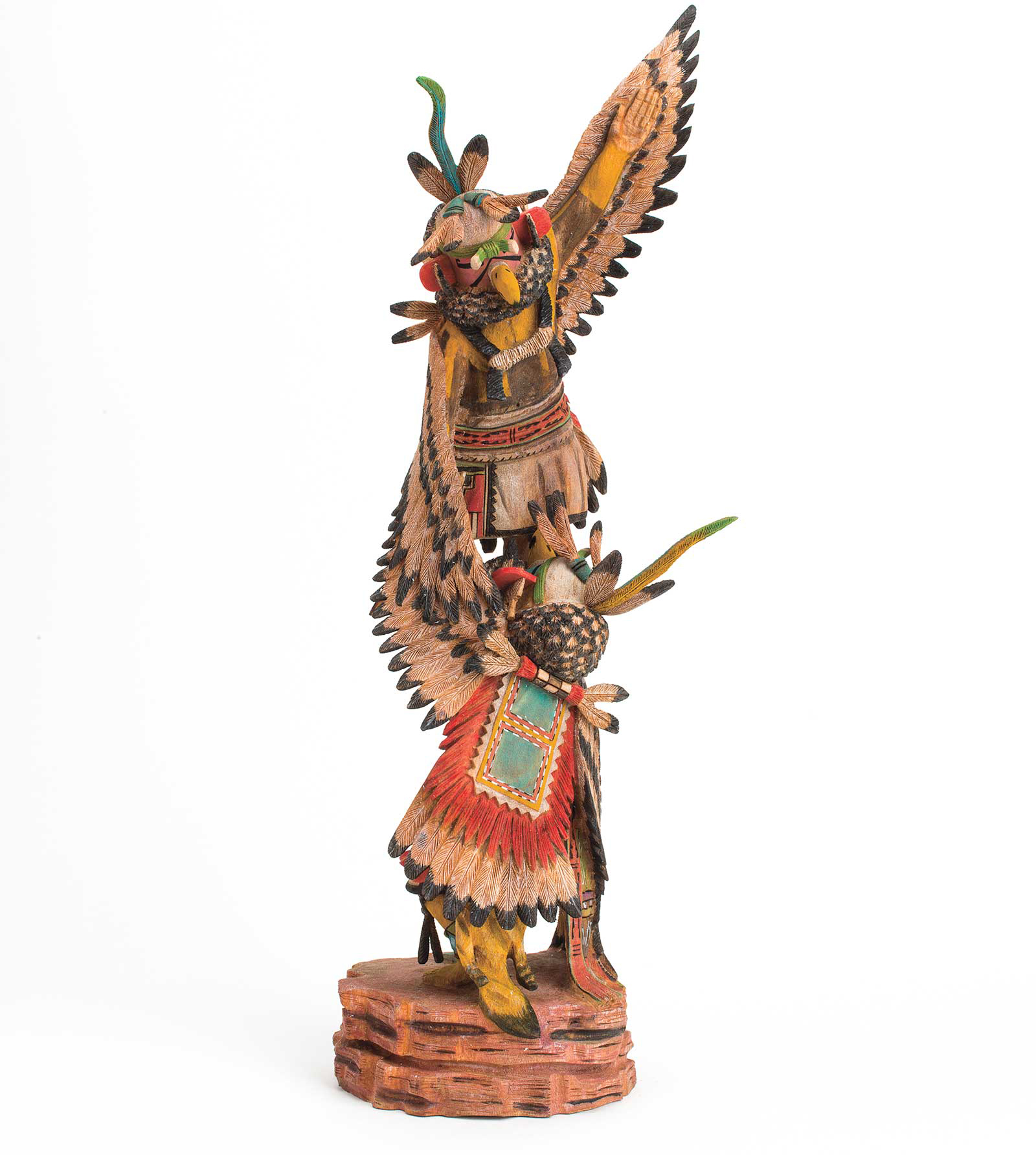
2020 Best of Class
Alex Youvella Sr. (Hopi),
Winged Messenger
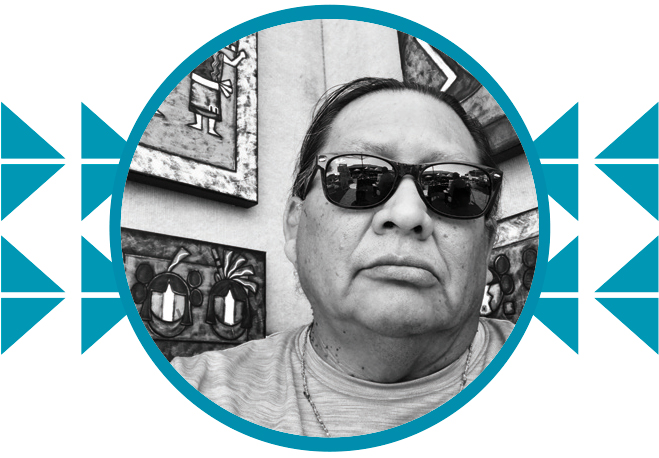
Kevin Horace Quannie (Hopi)
www.waterbirdstudios.com
“While I specialize in carving contemporary kachina dolls, I also transform the images into bronzes and blown glass, create jewelry...and paint on canvas. I believe my choice to be an artist was an ethereal choice in expressing my inner feelings through my art. Waterbirds are about the balance of nature’s most powerful source of life, WATER. In the Hopi tradition, the water and birds bring moisture to our lives and to the cornfields.With my art I bring the everlasting movements of life’s cycles to share with you.”
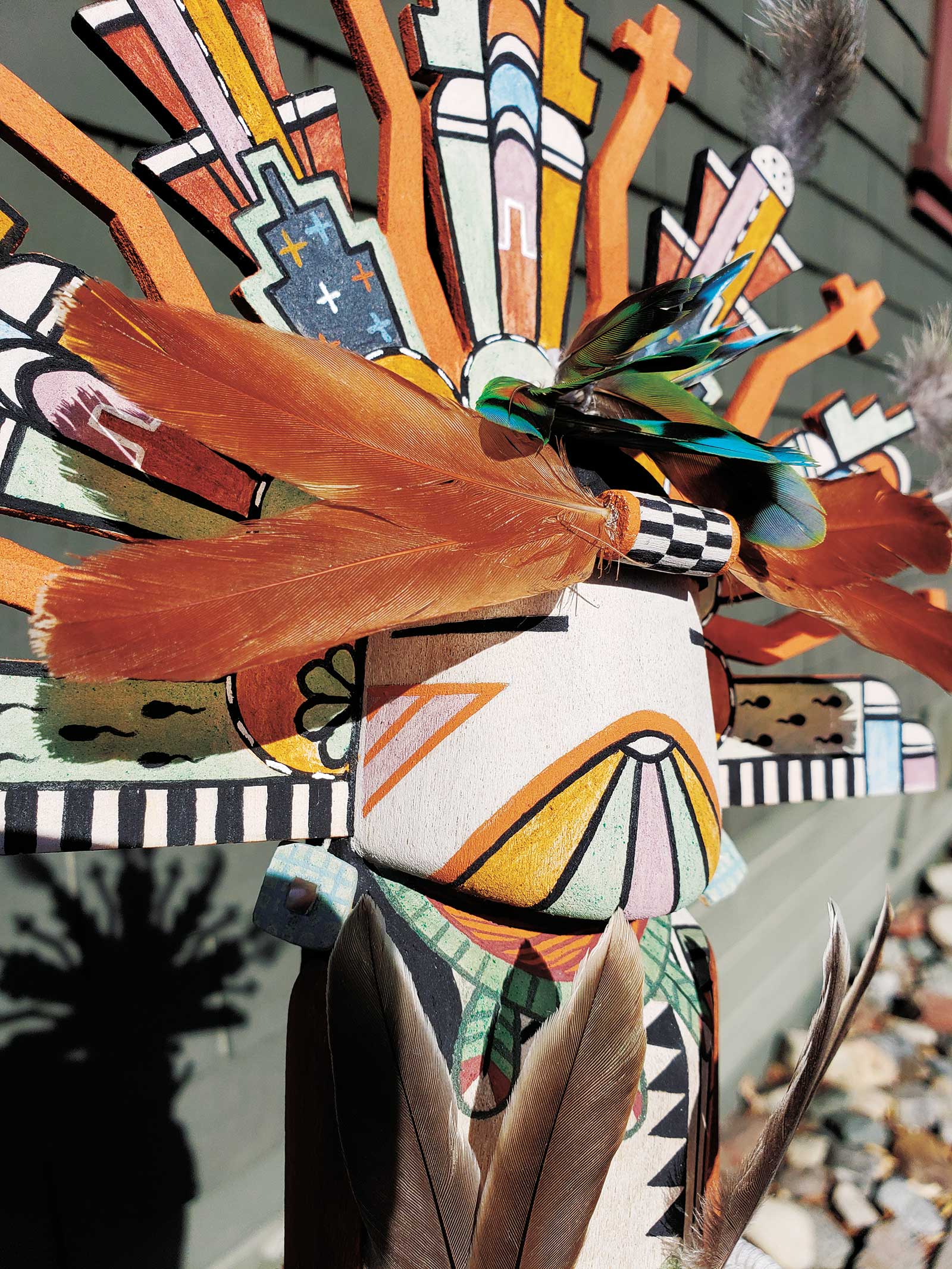
Mark Ron Taho (Hopi)
mtaho.artspan.com
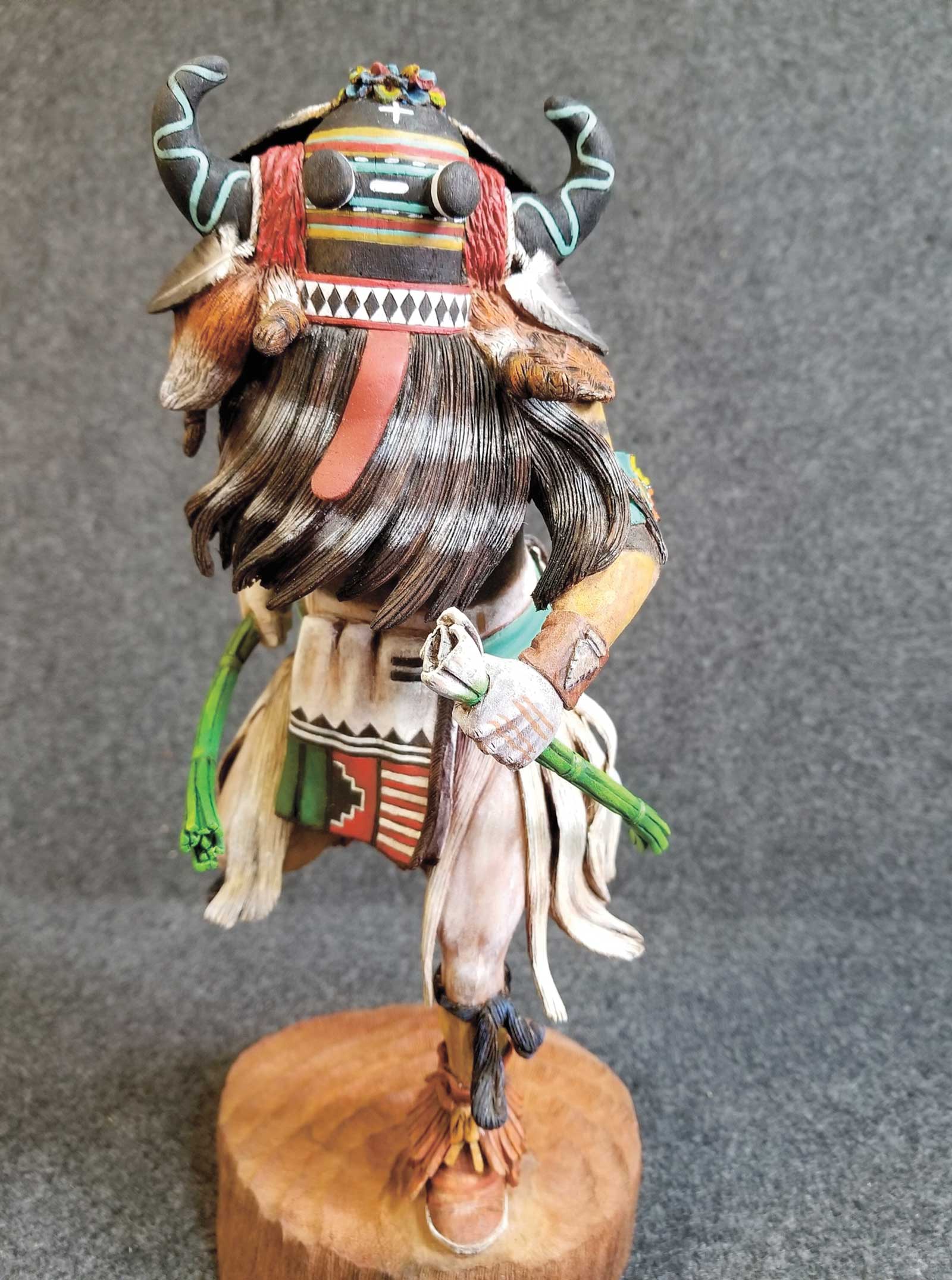
“Carving in the traditional and contemporary styles is an ever-changing process for me. My traditional style Katsina carvings change over time as I explore different natural materials and pigments. My contemporary work has been focused on capturing natural movement and flow. My work styles are always changing and I enjoy seeing how my work has evolved over time.”
Earl Dino Patterson Jr. (Sunaweuma) (Hopi)
www.facebook.com/dinosunaweuma
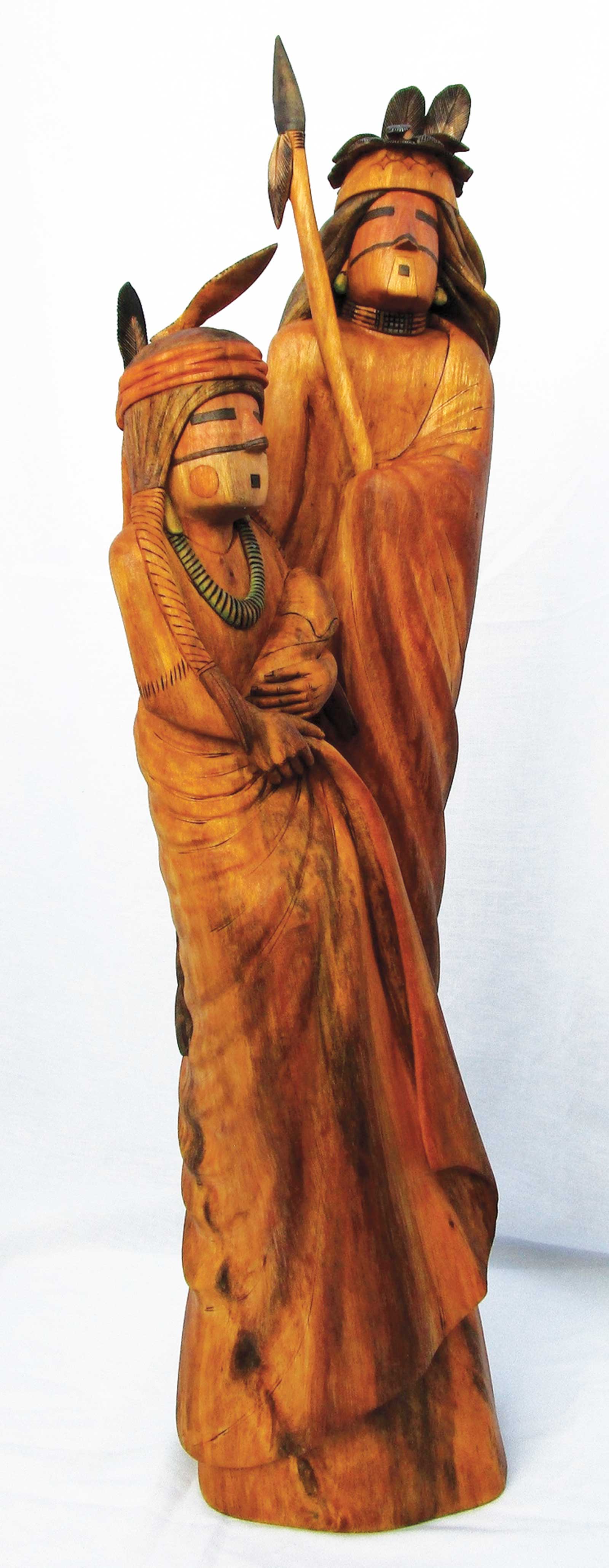
“I am an initiated Hopi carver of various styles of Katsina spirit messengers…I use cottonwood roots I find along washes usually after the monsoon season. I am most at home when I discover 90-degree angles in the roots, which allow me to shape the face and then work with the grain to create contemporary effects, like windswept hair. While katsina meanings are unchanged through centuries of Hopi tradition, I enjoy transforming my sculptures, often with power tools…to create contemporary intricacies and lifelike movement in the figures.”
Gerry Quotskuyva (Hopi)
www.gquotskuyva.com
“While I primarily carve Hopi Katsinam, my favorite pieces explore their presentation with a contemporary flair. My current project is called The Gnarly Root—a long-term work in progress featuring a 4-foot cluster of cottonwood roots that fused together creating an opportunity to fully express the strength and resilience of the world of Hopi in contemporary times. My inspiration comes from nature, the beauty that surrounds us, and the wonderful people who have supported this journey in life. May Spirit bless everyone throughout these difficult times.”
++++++++++++++++++++++++++++++++
Sculpture
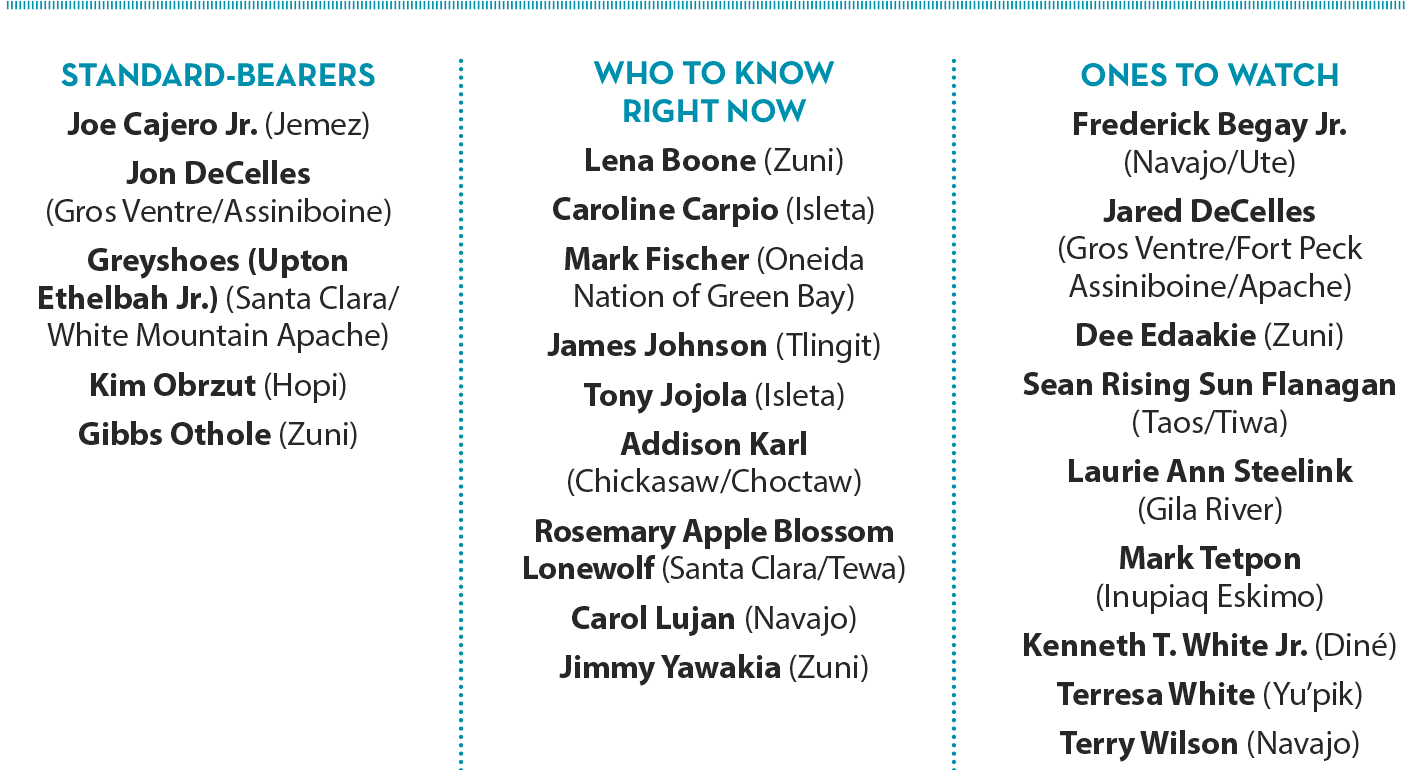
The sculptors in the virtual market work in stone, bronze and other media, including ceramic, glass, wood and woven fabric as well as mixed media, meaning some combination of these raw materials. You’ll also find non-ceremonial Zuni fetish carvings, which are stone animal carvings that contain a spirit animal within the fetish. By honoring the animals and acknowledging their special “medicine” (their natural traits), you may summon your our own similar attributes. The virtual market will feature 23 sculptors from 15 tribal affiliations offering an incredible range of works of art in terms of materials, shapes, sizes and techniques.
2020 Best of Class
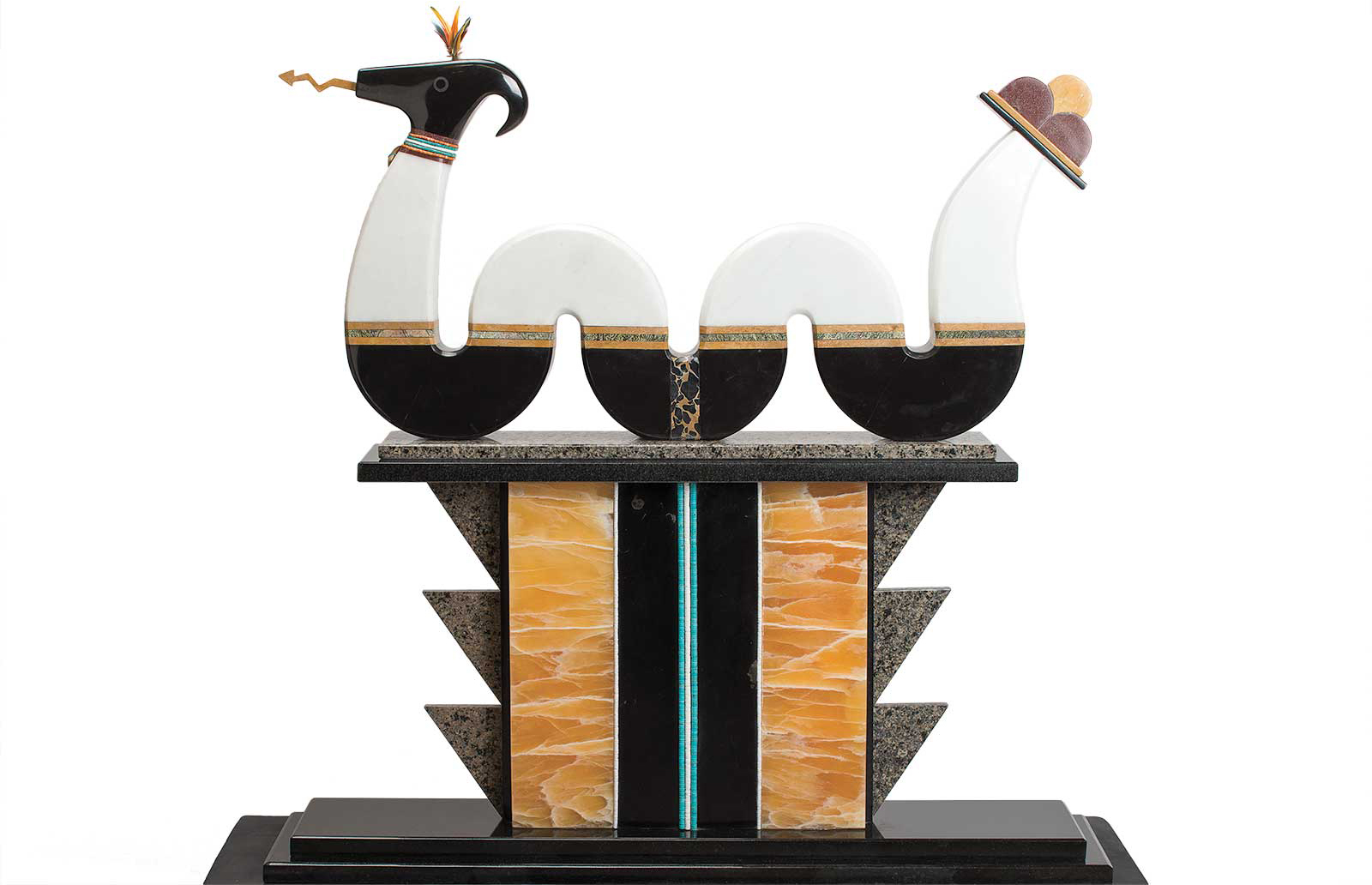
Cliff Fragua (Jemez), Avanyu In His Full Regalia
www.singingstonestudio.com
Sean Rising Sun Flanagan (Taos/Tiwa)
www.risingsunflanagan.com
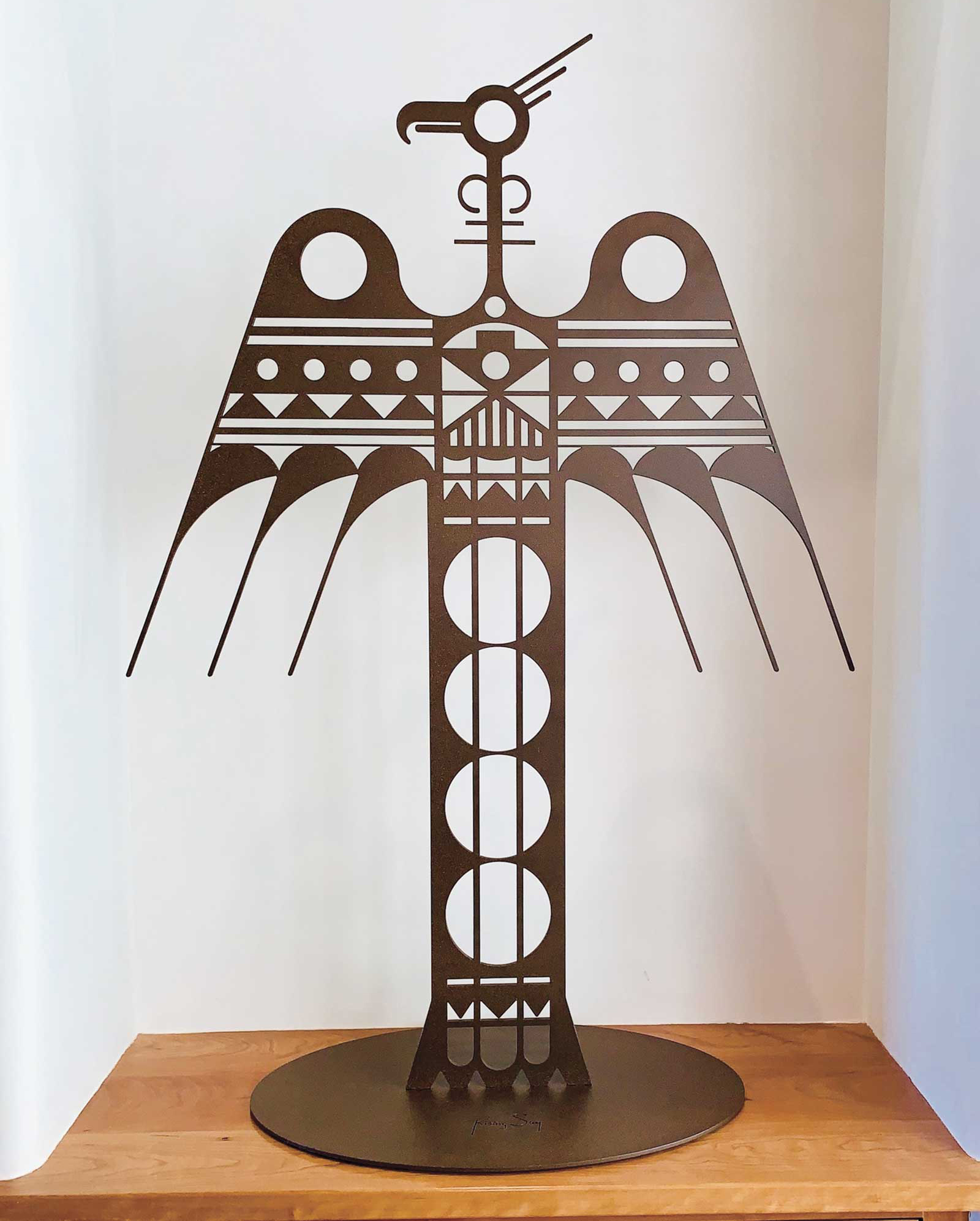
“Renowned for my painted drums and stylized sculptures, I draw inspiration from the traditional images of my native roots…My stylized sculptures and design motifs are integrated with form and color that result in a strong and vibrant balance that can be described as geometrical and organic at the same time. They can range from a couple of feet to 12 feet high. They can stand as a focal point in a courtyard or be attached to a wall.”
Dee Edaakie (Zuni)
www.edaakiefetishcreations.com
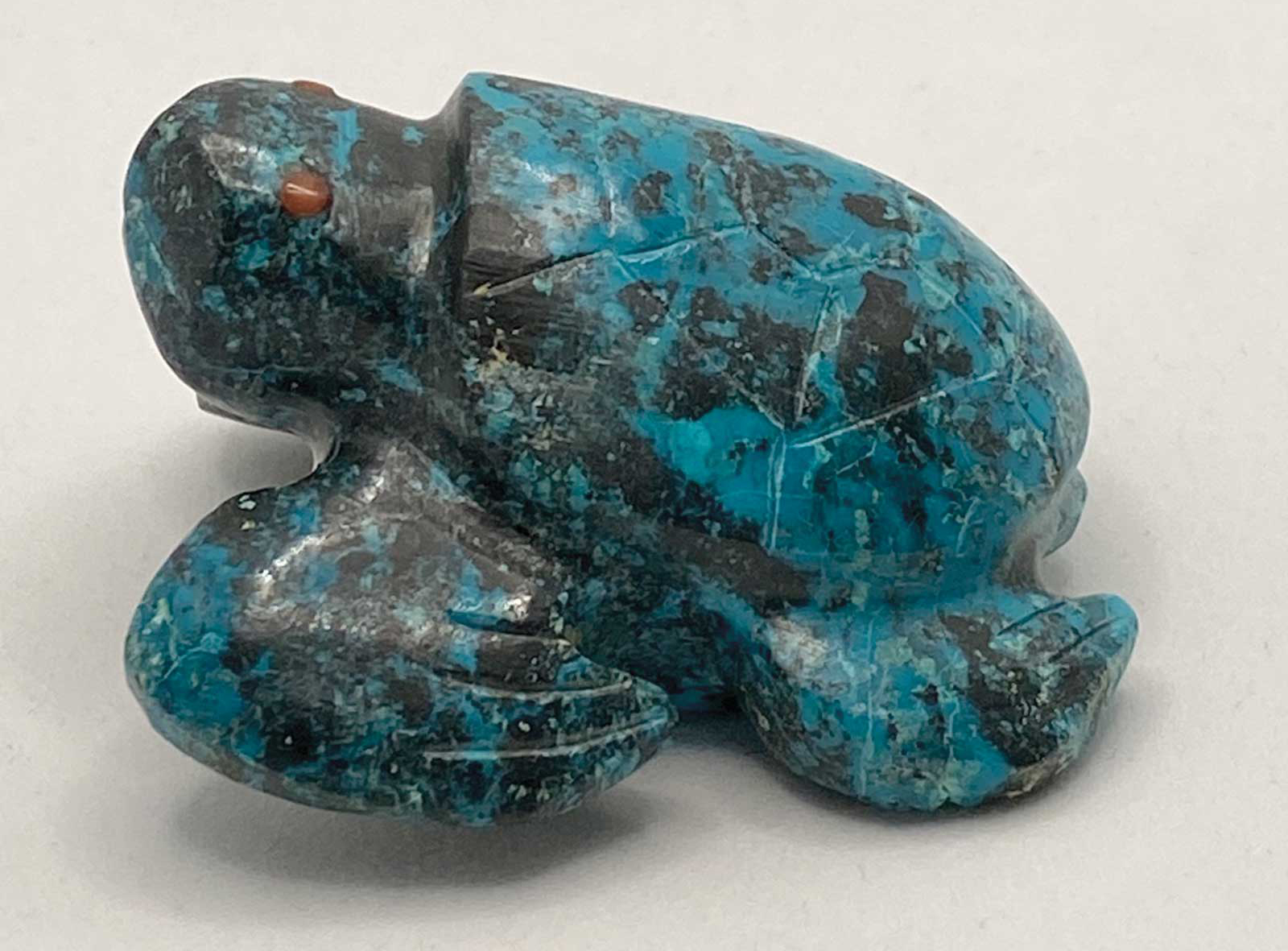
“The stone speaks to me. The contours, contrast, colors and a certain perspective reach out to my mind as I look into the heart of the stone, metal or mineral. The stone shows me its life, often in a subtle or distinctive way, yet with a captivating style. The soul of the mammal, bird or amphibian talks to me, to give it life through my hands. Every movement of the grinding stone brings out the characteristic of the fetish’s soul. The creature’s movement, its look of emotion and its slight noble stature reveal how it wants to be seen. When the animal appears, the moment is breathtaking.”
Caroline Carpio (Isleta)
www.carolinecarpio.com
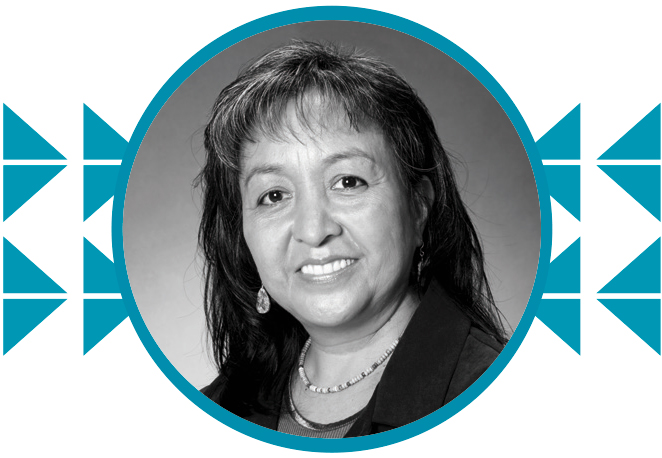
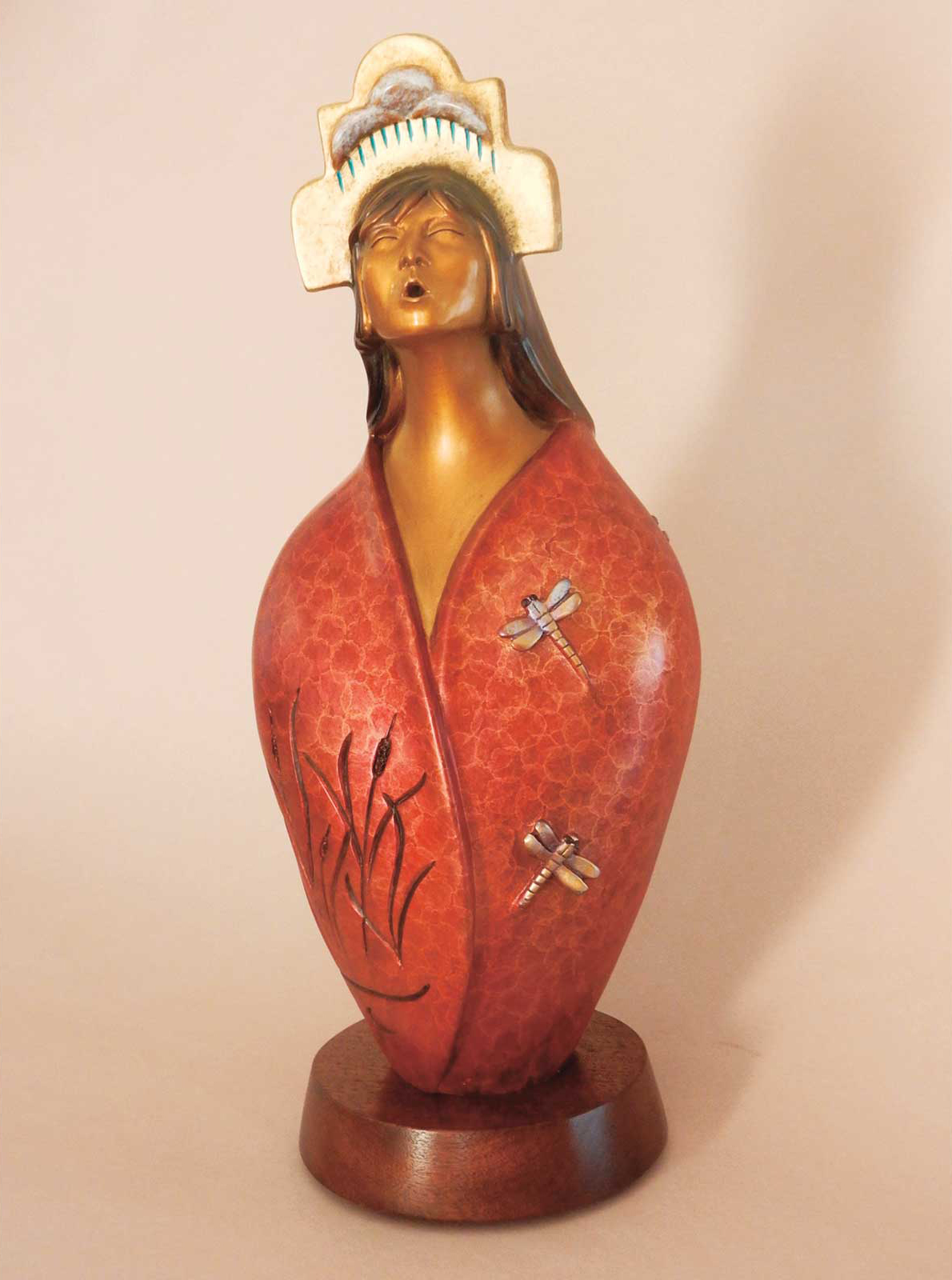
“I’ve worked in bronze for the last two and a half decades. More recently, I was commissioned by my tribe to create two large-scale bronze sculptures for the Isleta Resort & Casino. It was an honor, a humbling experience as well as a challenging accomplishment. Through my artwork, I share a part of my Native Pueblo culture and being mindful when I give it a voice. Living in a dry environment, we live in prayers, gratitude and celebration; this is our Pueblo way of life. This is where my inspiration is derived from. My artwork is an avenue to convey prayers, gratitude and joy.”
Terresa White (Yu’pik)
www.terresawhite.com
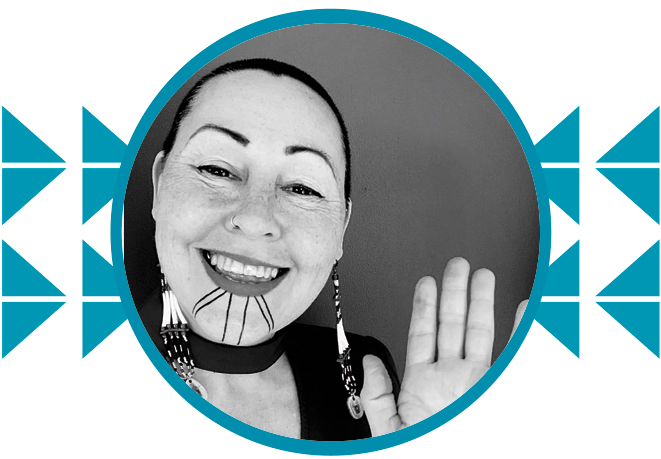
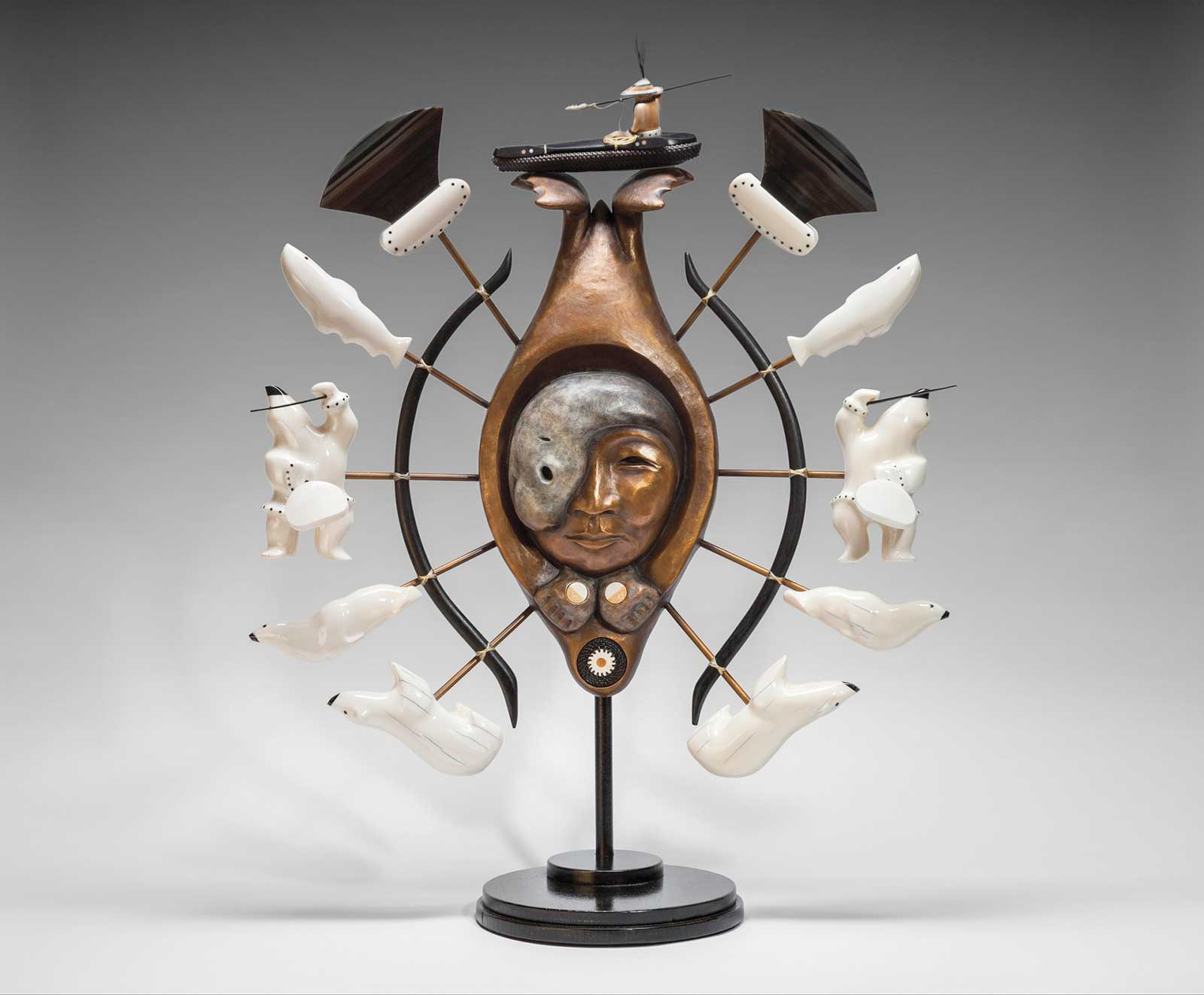
“My art is contemporary, exploring traditional themes and their interplay with my urban life in Oregon. I begin working clay with no more than a dusky shadow in mind of what will materialize. When the person of each sculpture comes into view, I experience delight and relief similar to spotting down the road a relative who has safely traveled a long way for a visit. I hope my sculptures remind viewers of their resilient animal bodies, their inborn abilities to greet the sweet moments in life with full guiltless pleasure and the dark moments with courage and transformation.”
++++++++++++++++++++++++++++++++
Weavings & Textiles
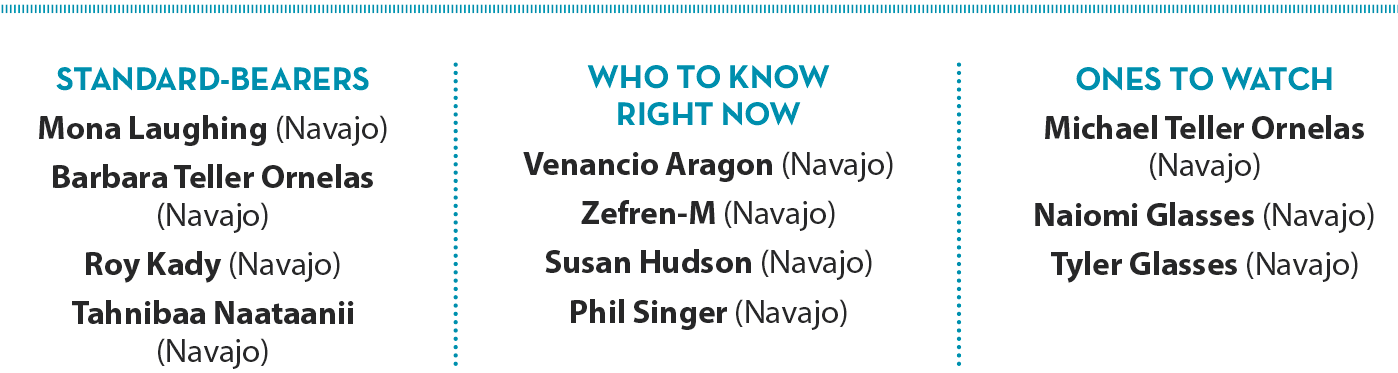
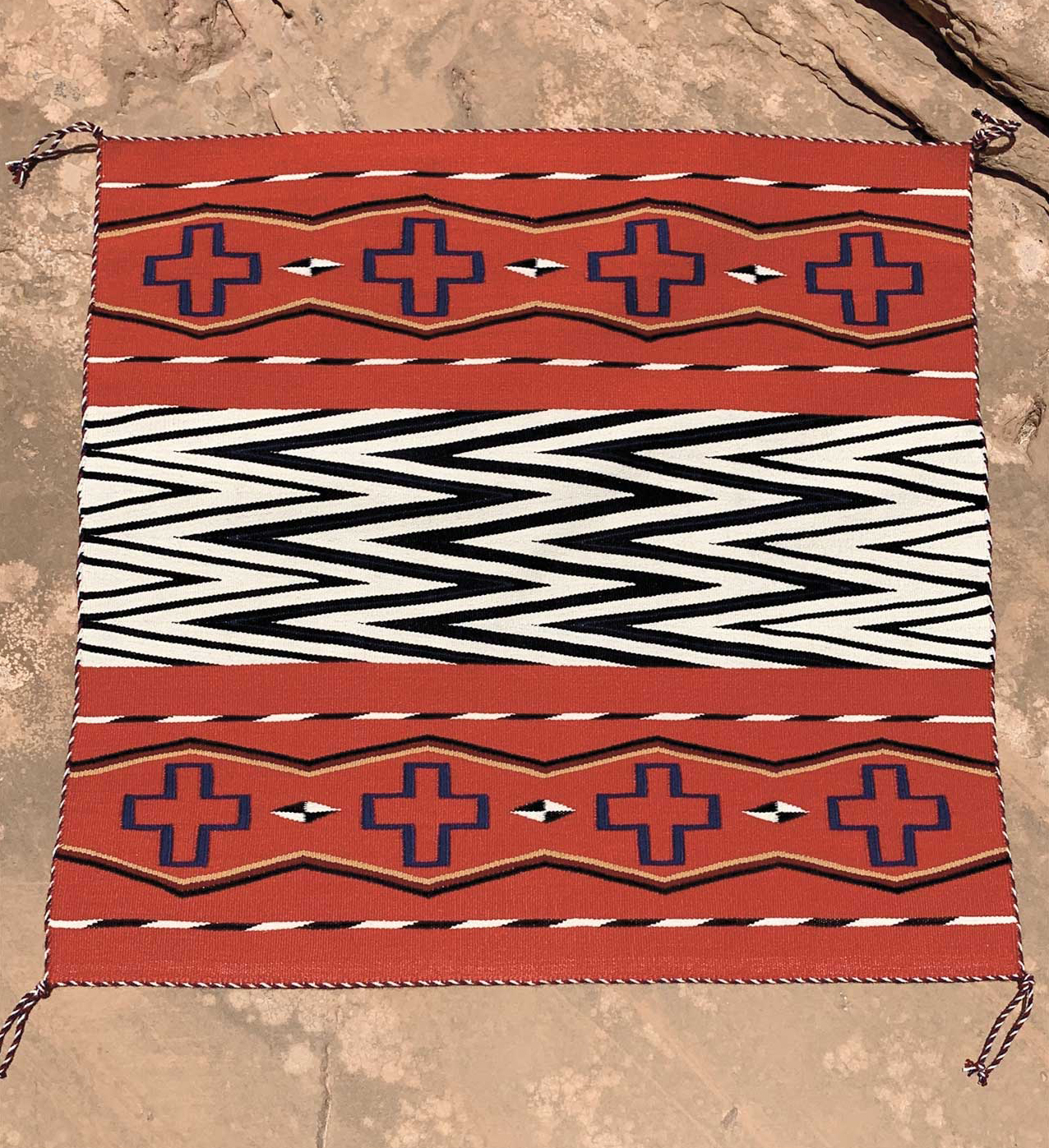
The weaving and textile artists may offer regional, pan-reservation and revival style or contemporary style weavings as well as quilts, wall hangings and table linens. Look for beauty and craftsmanship. Does the piece speak to you? Do the patterns, colors and designs invoke emotions or tell a story? Besides feeling a connection to a weaving or textile, assess the craftsmanship that went into the piece. Do you prefer pieces made from hand-processed yarns and natural dyes? Are the edges straight, the corners square and does it lie flat? Think about the time that went into making the item. Twenty-five weavers and textile artists from three tribes (23 Navajo, one Chickasaw and one Mohawk) will be participating in the virtual market.
2020 Best of Class
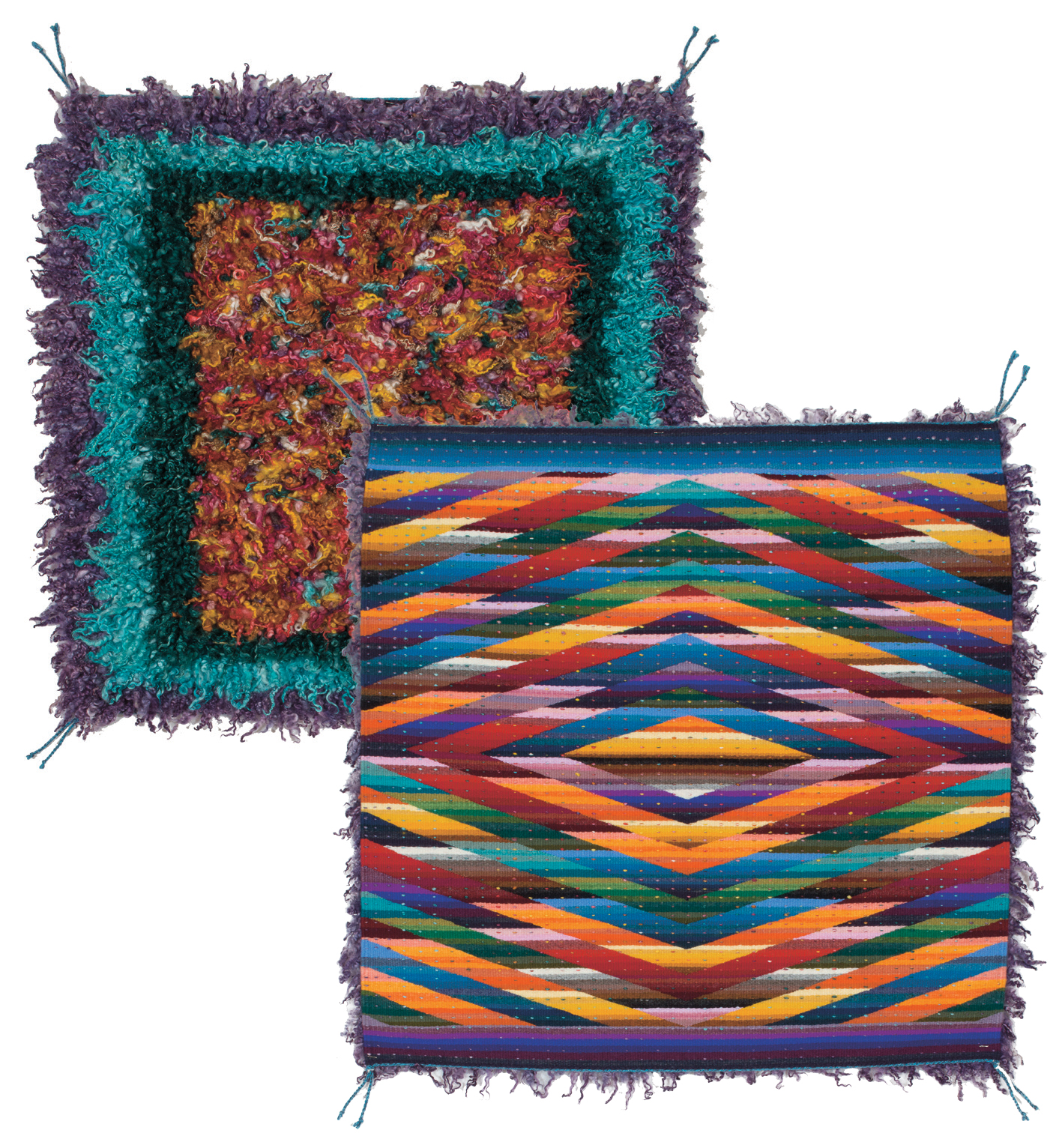
Venancio Aragon (Navajo), Polychromatic Saddle Blanket
www.venancioaragon.com
Gloria Fain (Navajo)
www.gloriajeantextiles.com
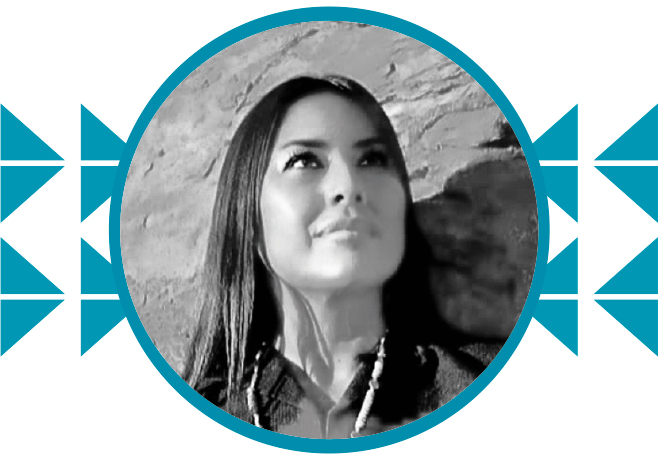
“I begin weaving at 3 years of age, taught by mother, master artist Mary Henderson Begay, and mentored by grandmother master artist, the late Grace Henderson Nez, who is the recipient of the National Endowment of the Arts 2005. I specialize in woven textiles, tapestries and fashion with both contemporary and old-style Navajo patterns, I enjoy adding a unique perspective to my work or story in order to make each piece memorable.”
Mona Laughing (Navajo)
www.laughingweavers.com
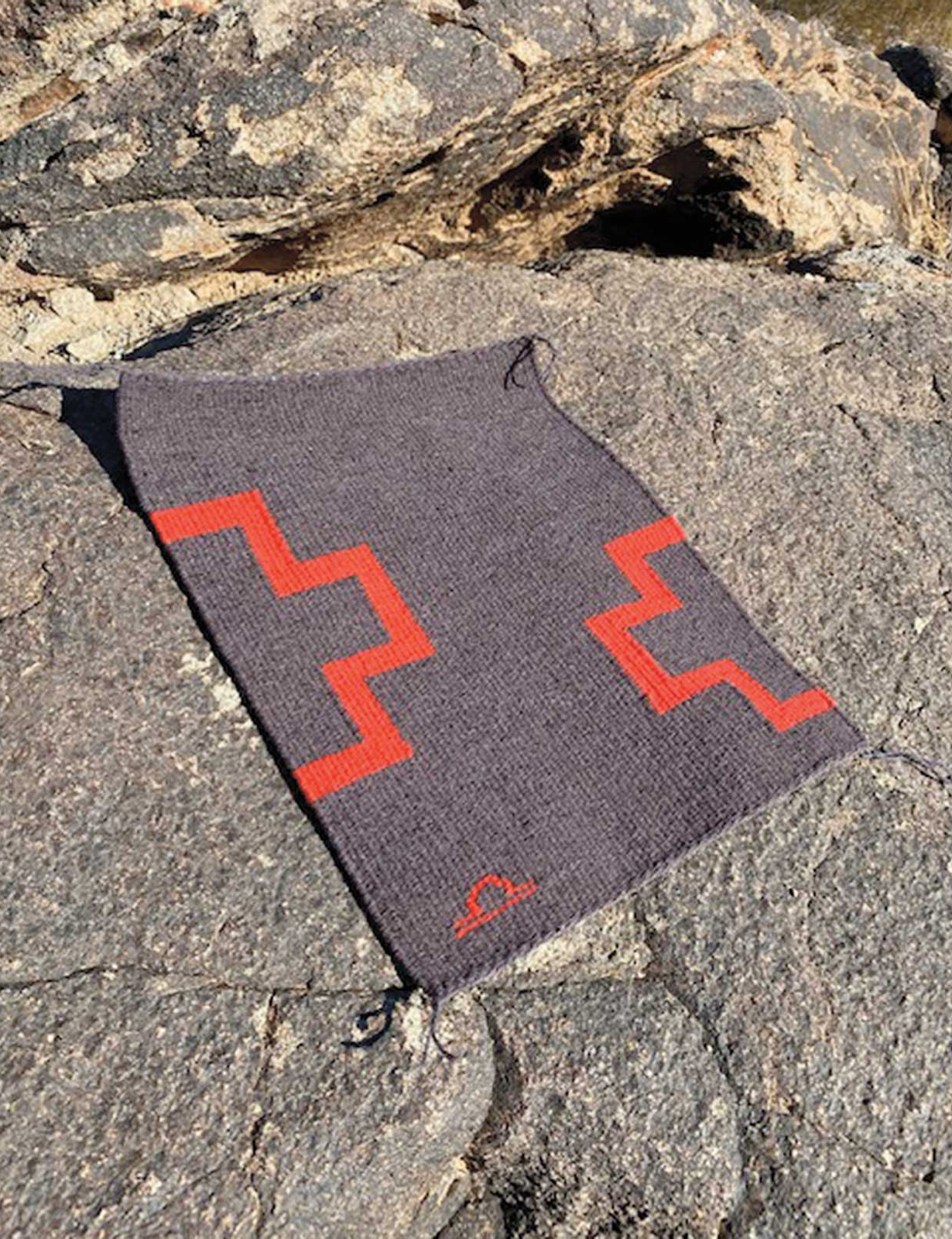
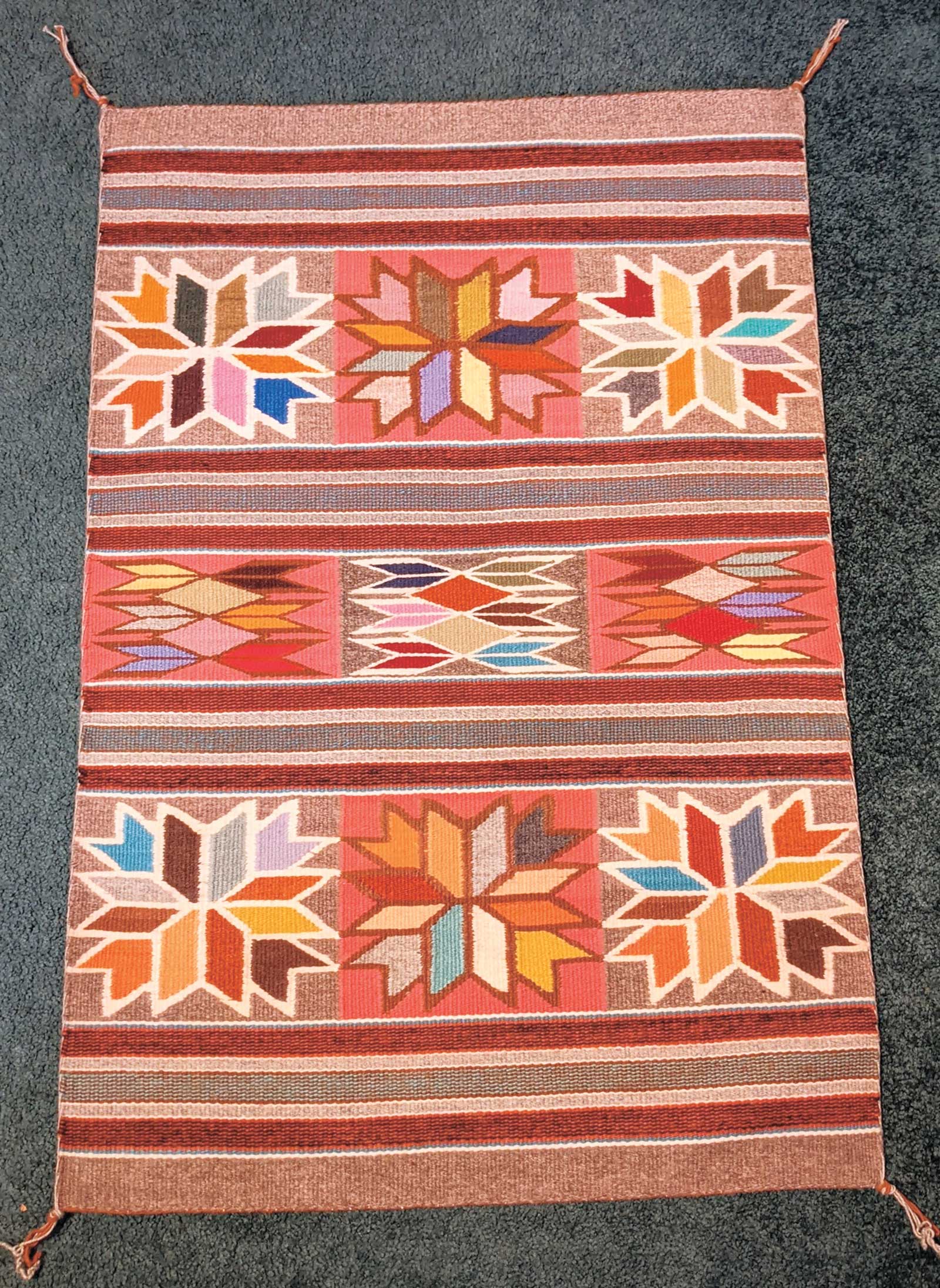
“I am a weaver from Crystal, New Mexico. I have been weaving for nearly a half century. I learned to weave from my mother, the late Elsie Mark. My specialty is Crystal regional designs and with vegetal dyed wool. My favorite part of creating a rug is dyeing the wool with natural plants near my home. Although I periodically weave rugs of other regional styles, like Wide Ruins, I continue to stay true to my Crystal designs. Besides weaving, I care for my sheep, goats, cattle, chickens and sheep dogs.”
TahNibaa Naataanii (Navajo)
tahnibaanavajoweavings.artspan.com
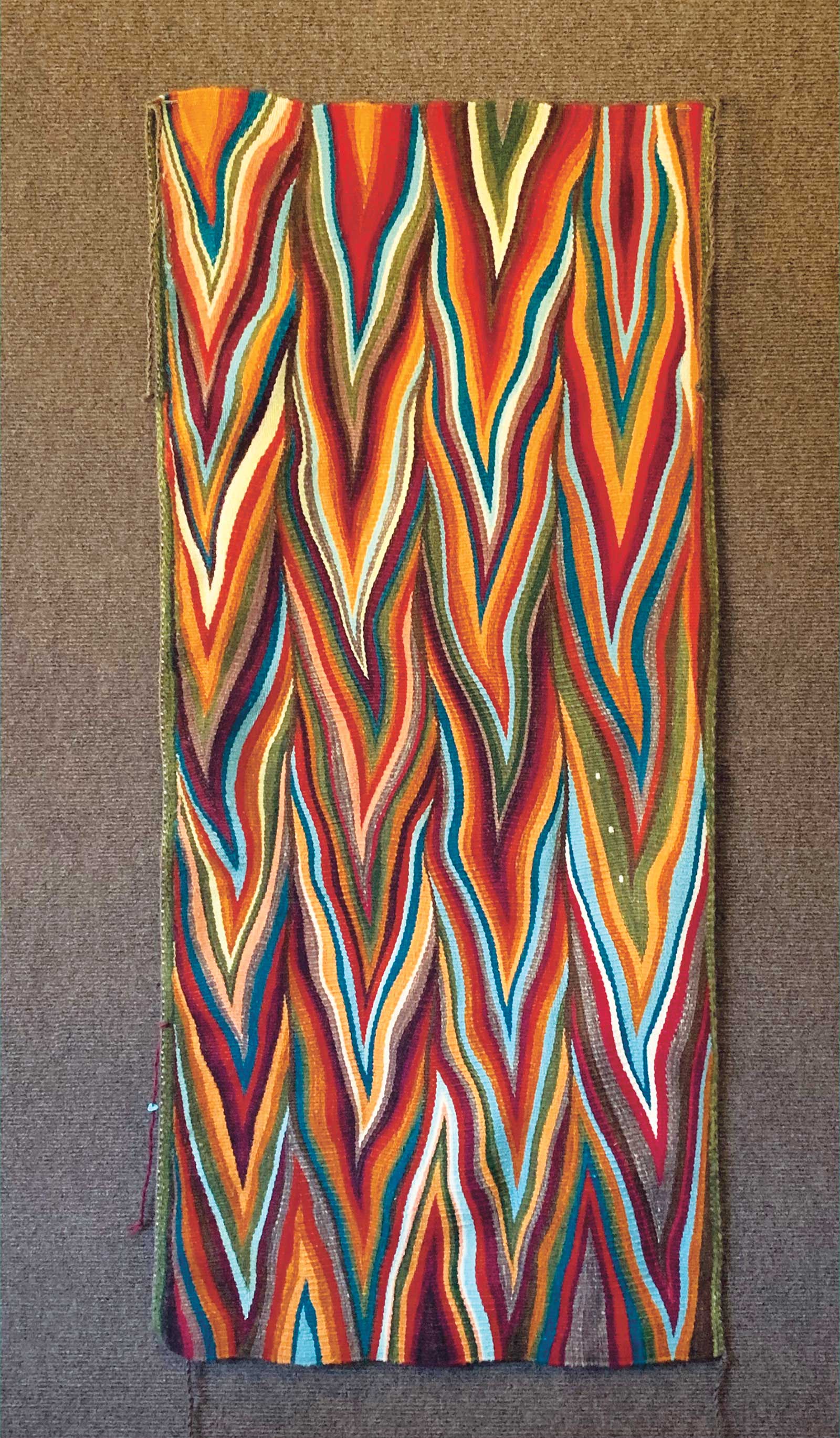
“As a Navajo weaver, I create as my ancestors did, using a traditional vertical loom. I enjoy working with my hands and the fiber, creating different patterns and textures. [I use] a combination of hand-spun wool from my sheep and also mill-spun wool…I enjoy weaving utilitarian garments, pictorial images to contemporary patterns showing movement…I am influenced by the sunrise, landscapes, dreams, my community and my family heritage of weavers.”
Tyler Glasses (Navajo)
www.tylerglasses.com
“To me, Navajo weaving is the perfect catalyst for the Navajo way of life. Through combining the appreciation for livestock, through learning about plants and the colors they make, to learning about the teachings that guide the weaving process; Navajo weaving encompasses what it is to be Diné. It merges ancestral teachings, in which I use age-old techniques, learned from my paternal grandmother, to create textiles on an upright loom.”
++++++++++++++++++++++++++++++++
Youth
Many artists bring their children, grandchildren, nieces or nephews to the Heard Fair every year. Some of those children begin developing their artistic talents at a young age, as knowledge is passed from generation to generation. The Heard Guild invites youth artists, 17 years old and under to apply to sell their art in their relative’s booth (live or virtual). Youth artists ages 12 to 17 may also enter the Juried Competition where they compete for either the Best of Ages 12-14 Award or the Best of Ages 15-17 Award.
Jared DeCelles (Gros Ventre and Assiniboine)
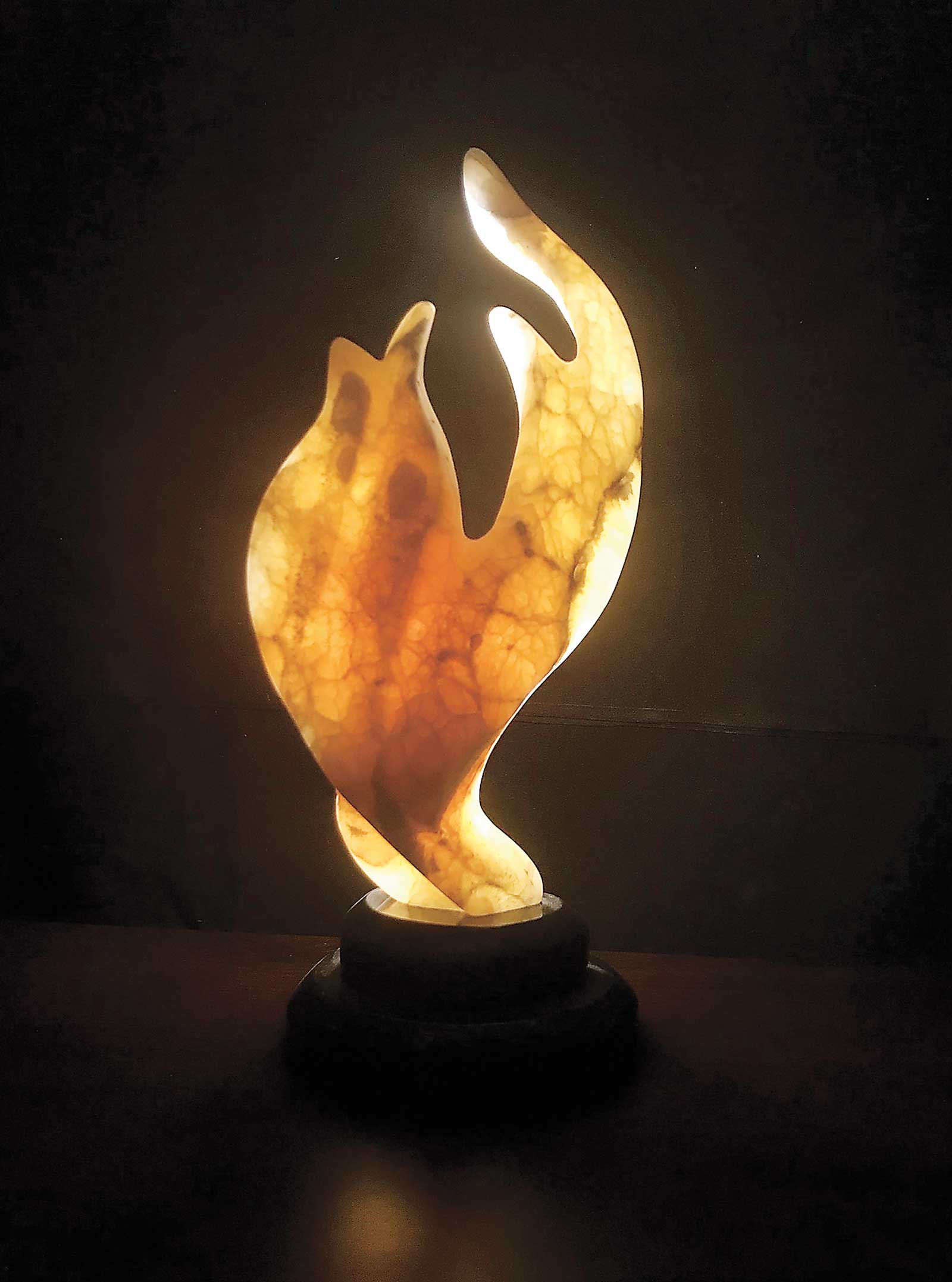
“I am a sculptor that works primarily in stone. I learned to carve stone from my father, Jon DeCelles, who guided me through my first sculptures. My sculptures reflect the images and thoughts that come to my head when looking at a stone. My inspiration comes from being in an artistic environment like Santa Fe, and being around my father and his artist friends. I am also inspired by the stone itself, the color and shape.”
2020 Best of Ages 12-14
Mosgaadace Casuse (Navajo/Great Lakes Chippewa)
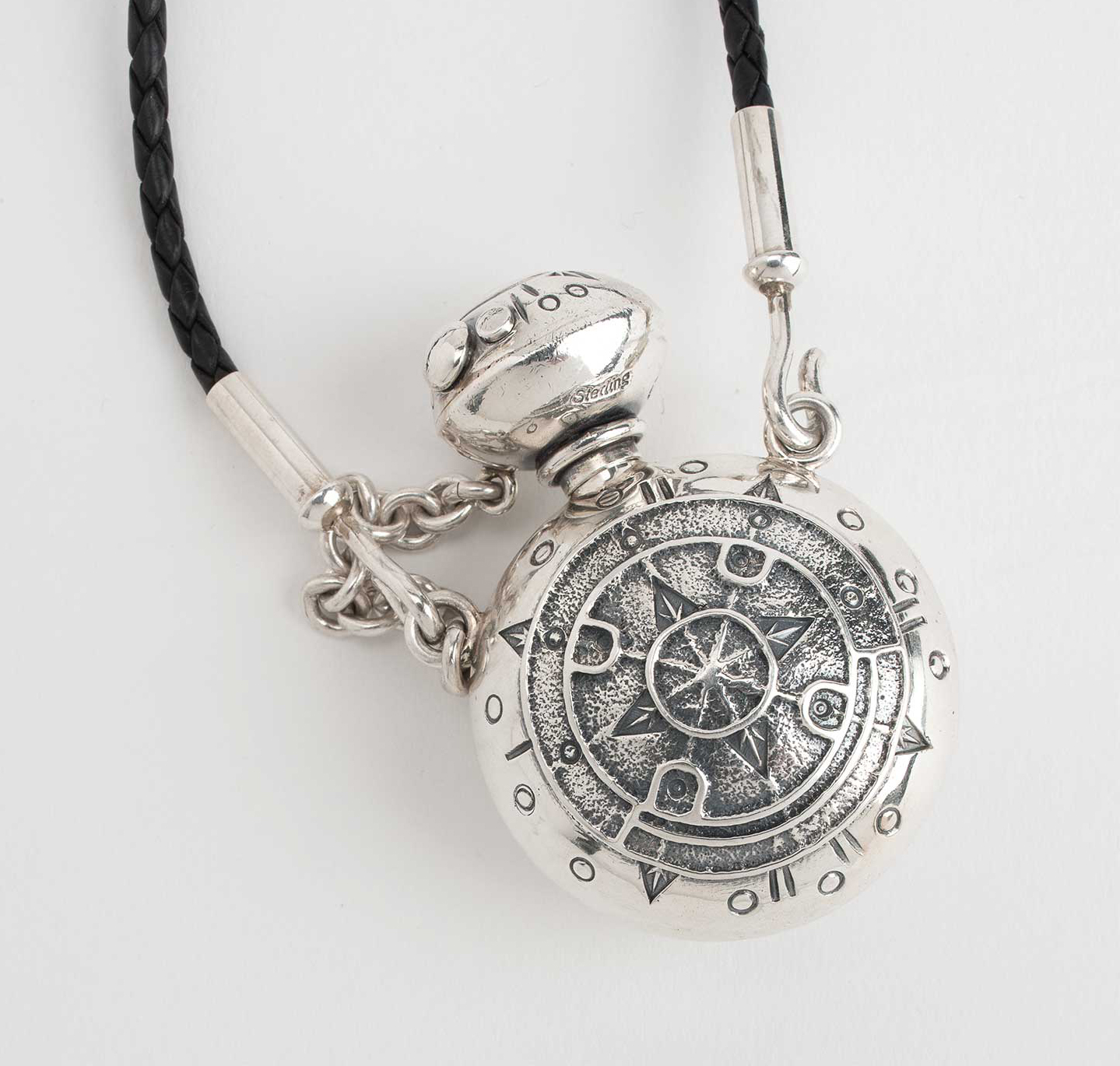
“I was born in Navajo Nations and come from the Great Lakes Chippewa tribe of the Fon Du Lac Band. To me, art is a connection to my family and my culture. The reason I love to do art is that I was taught at a young age. I would sit and sleep in the studio day in and day out, and I loved it! I was 5 when I made my first painting, and 7 when I made my first silver bracelet. I used my parents as role models; I would watch them create masterpieces. I used my creativity and early knowledge as my inspiration to guide me to where I am now.”
2020 Best of Ages 15-17
Ben Haskie (Navajo)
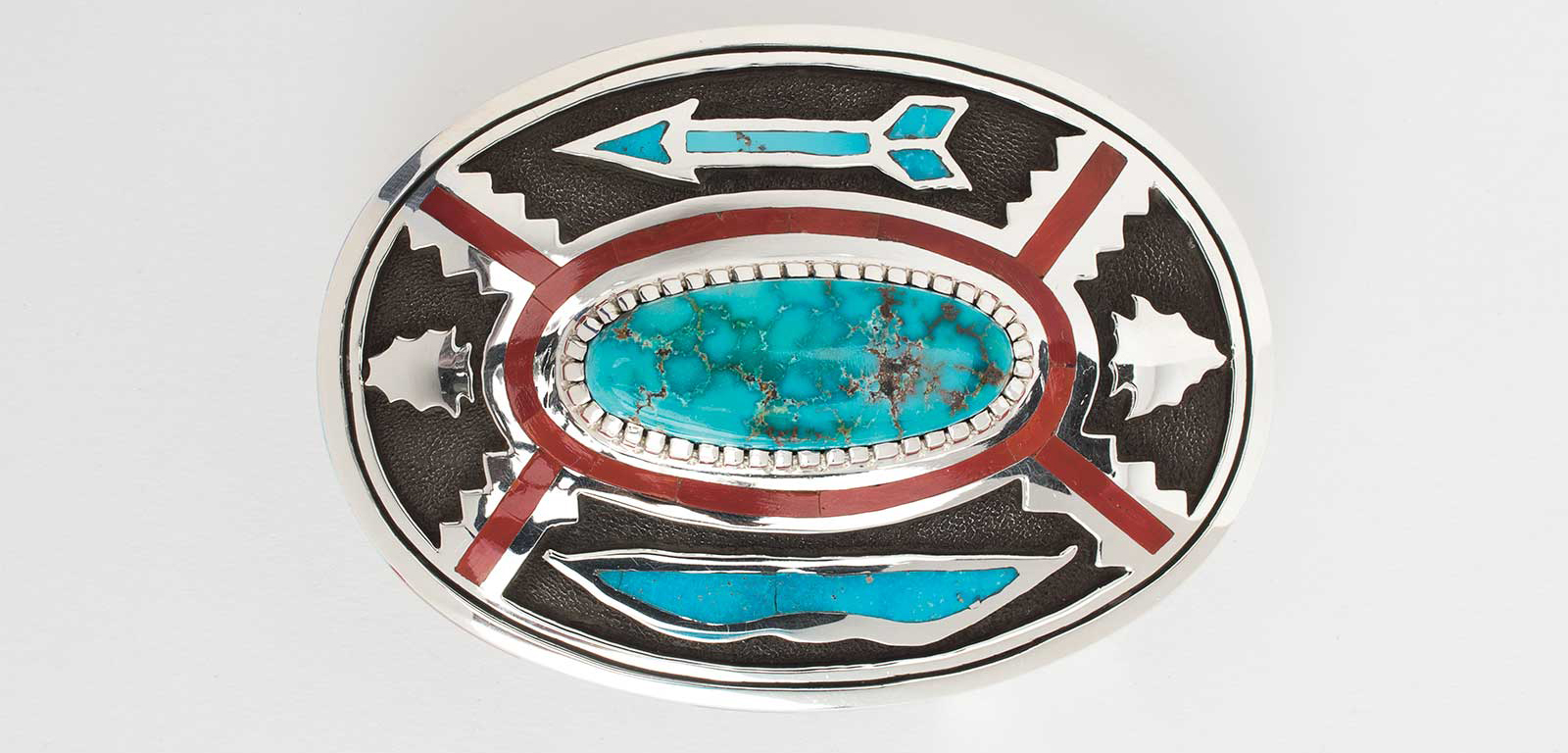
“I started making jewelry when I was 11 years old. My father, Vernon, taught me how to cut out the sliver designs and inlay stones on the sides and the top of my pieces. My first piece was a story bracelet. I really enjoyed it because I got to show life on the Navajo reservation in my jewelry designs. The four sacred mountains are important to Navajos and I show this in my art. However, my favorite part of creating the jewelry pieces are drawing out my designs on the silver. I can be creative with what I make such as a person or even a Hogan in my designs.”
Powered by Froala Editor