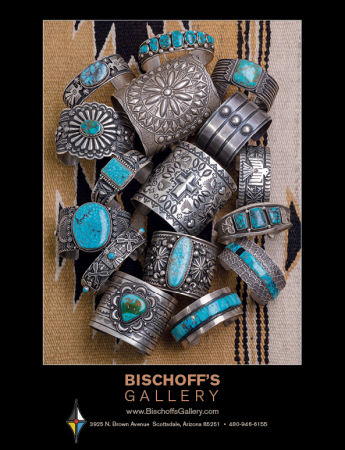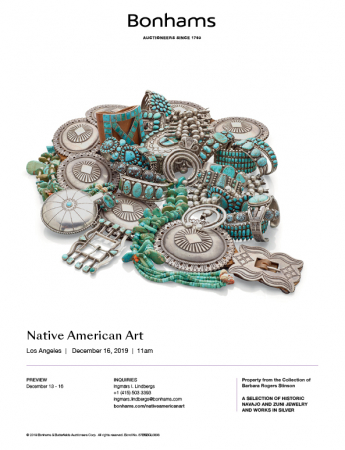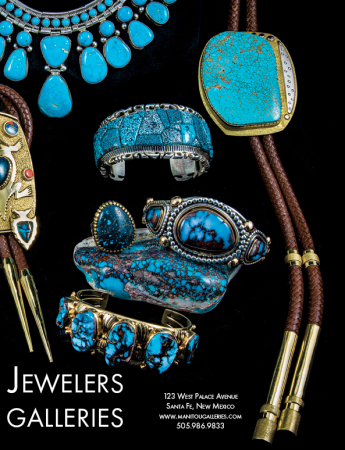

They say each piece of turquoise is like a snowflake, and no two pieces will ever be alike. The hardness of the stone, the color of the stone, the richness of the color, the matrix, the shape…a dozen factors make each and every piece of turquoise one of a kind. It all starts with moisture trickling down through rock and soil. The water reacts to the copper-rich host rock, often called the mother stone, and slowly over the course of 30 million years or so turns into the sky-colored stone that jewelers treasure. Although turquoise mostly forms in dry climates, the source rock can vary wildly—copper, aluminum, pyrite, phosphorus, quartz and other materials can change the color, composition and matrix of a forming piece of turquoise. So turquoise mined in one place might have one look, while turquoise mined 1,000 miles (or even 10 miles) away might have an entirely different look.
Making sense of the varieties of turquoise—and the mines from which they came—can be tricky, so here is a handy guide to begin to catalog the turquoise that Native American artists are using in their works. This is still a work in progress, though. Three years ago, when we published our first Turquoise Issue, we had only 13 mines represented here. Now we have 35. And the list will keep growing.
 Ajax
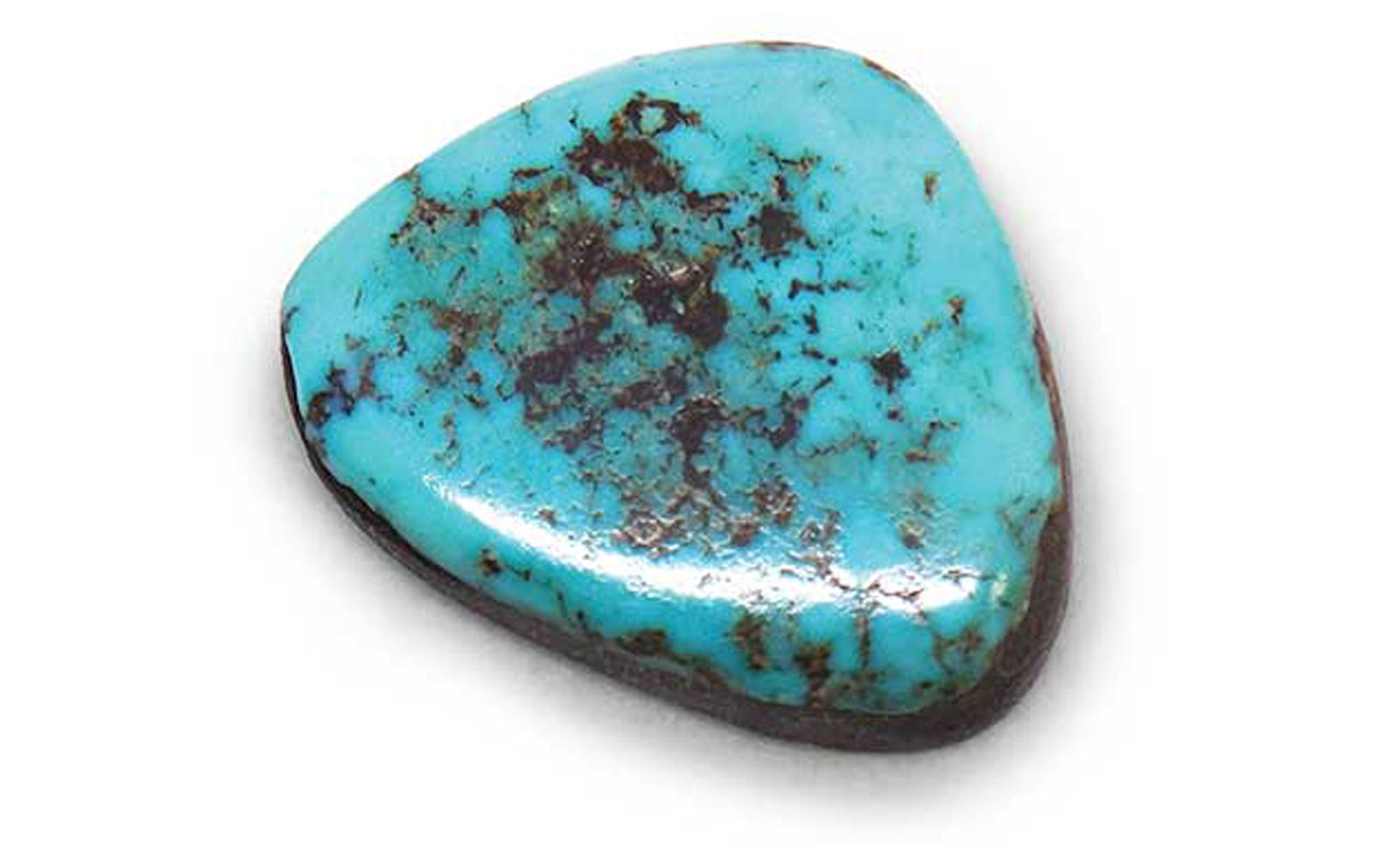
Ajax
This stone, which ranges from light blue to dark green, comes from a central Nevada mine, not far from the source of Royston turquoise. It’s there in the Candelaria Hills in Esmerelda County where this variety of turquoise is pulled from the earth. The mine is still occasionally active today.
++++++++++++++++++++++++++++++++++++++++
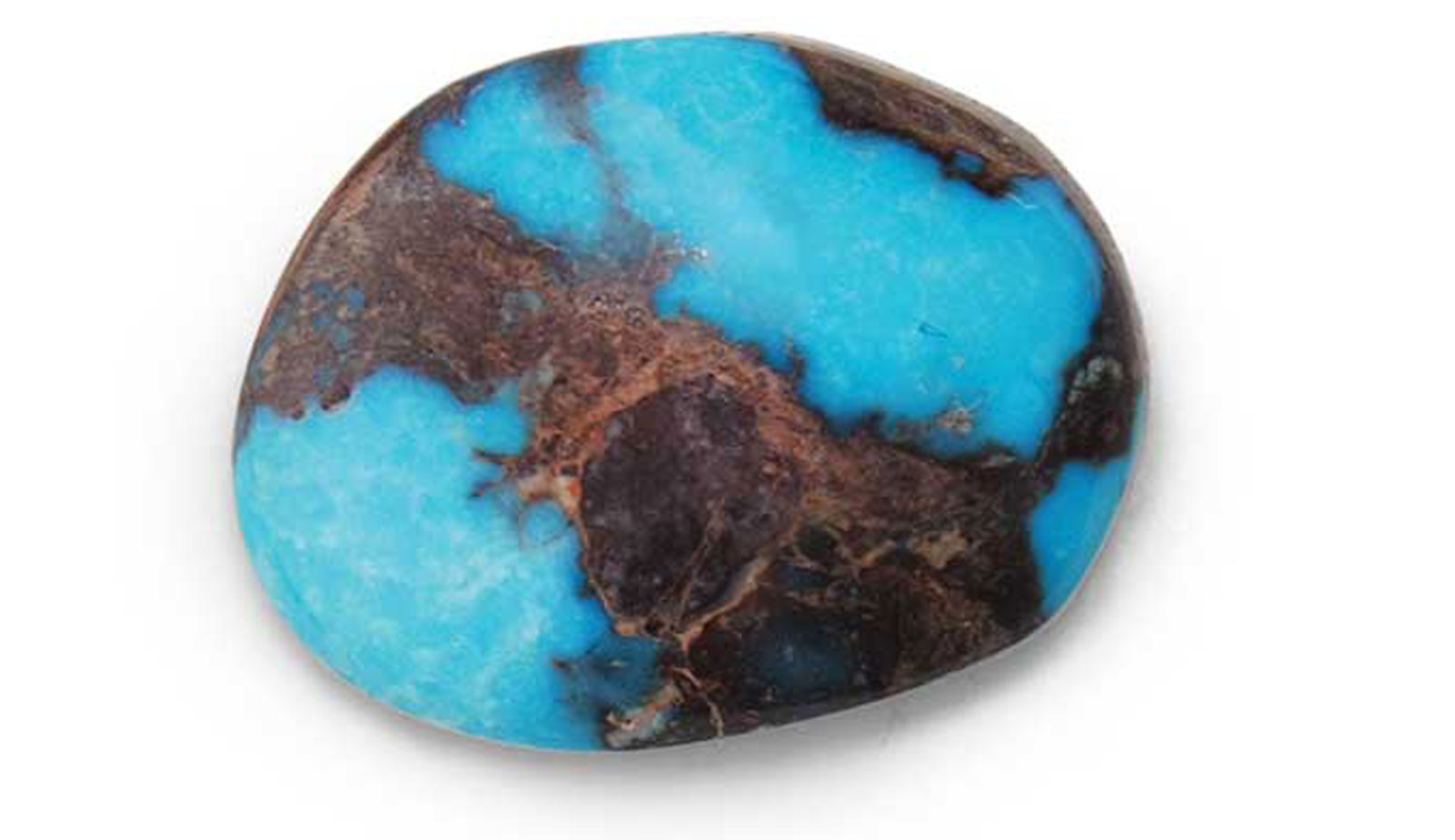 Bisbee
Bisbee turquoise is known for its brilliant color, especially its deep and vibrant blues. The popular stone comes from Bisbee, Arizona, famous for its large open pit mines, first opened during World War I to meet the copper demand of the war effort. The stone is known for its hardness, a plus for jewelers, and its wide range of looks, including a smoky variety. The mine is closed.
++++++++++++++++++++++++++++++++++++++++
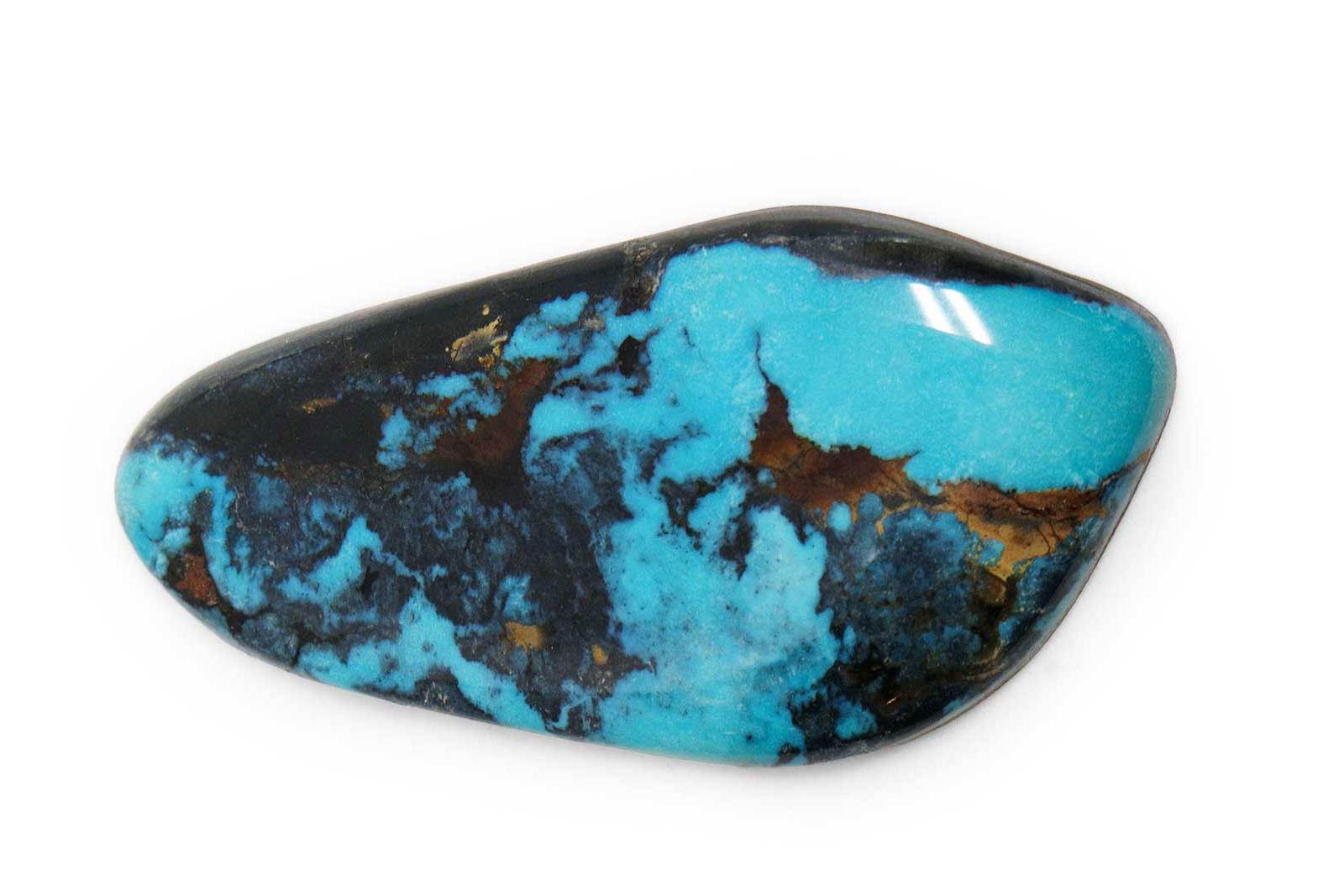 Blue Diamond
This Nevada mine was operated for 50 years beginning in the 1930s. This “hat mine”—so small the turquoise deposit could be covered by a hat—produced turquoise in plate form. The mine also produced beautiful blue stones, a high percentage of which came out with a smoky black matrix. The mine has seen some activity in recent years.
++++++++++++++++++++++++++++++++++++++++
 Blue Gem
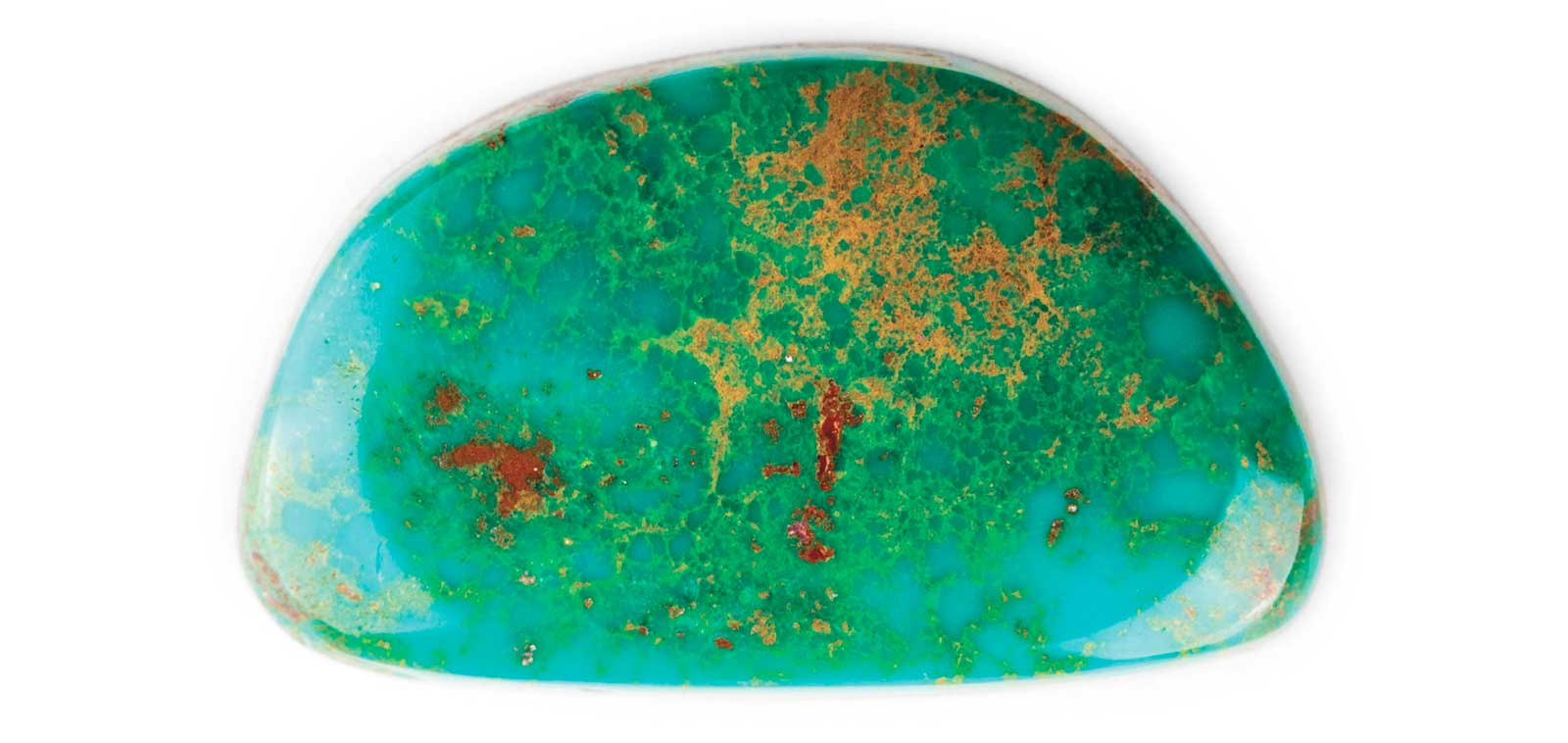
Blue Gem can refer to several types of turquoise—including Tonopah Blue Gem, Royal Blue and Battle Mountain Blue Gem—all of which originate near Battle Mountain, Nevada. The land there produced a bountiful harvest of turquoise in a stunning variety of colors. Much of the copper was pulled from the earth in 1968, but some turquoise mining still takes place there.
++++++++++++++++++++++++++++++++++++++++
 Blue Jay
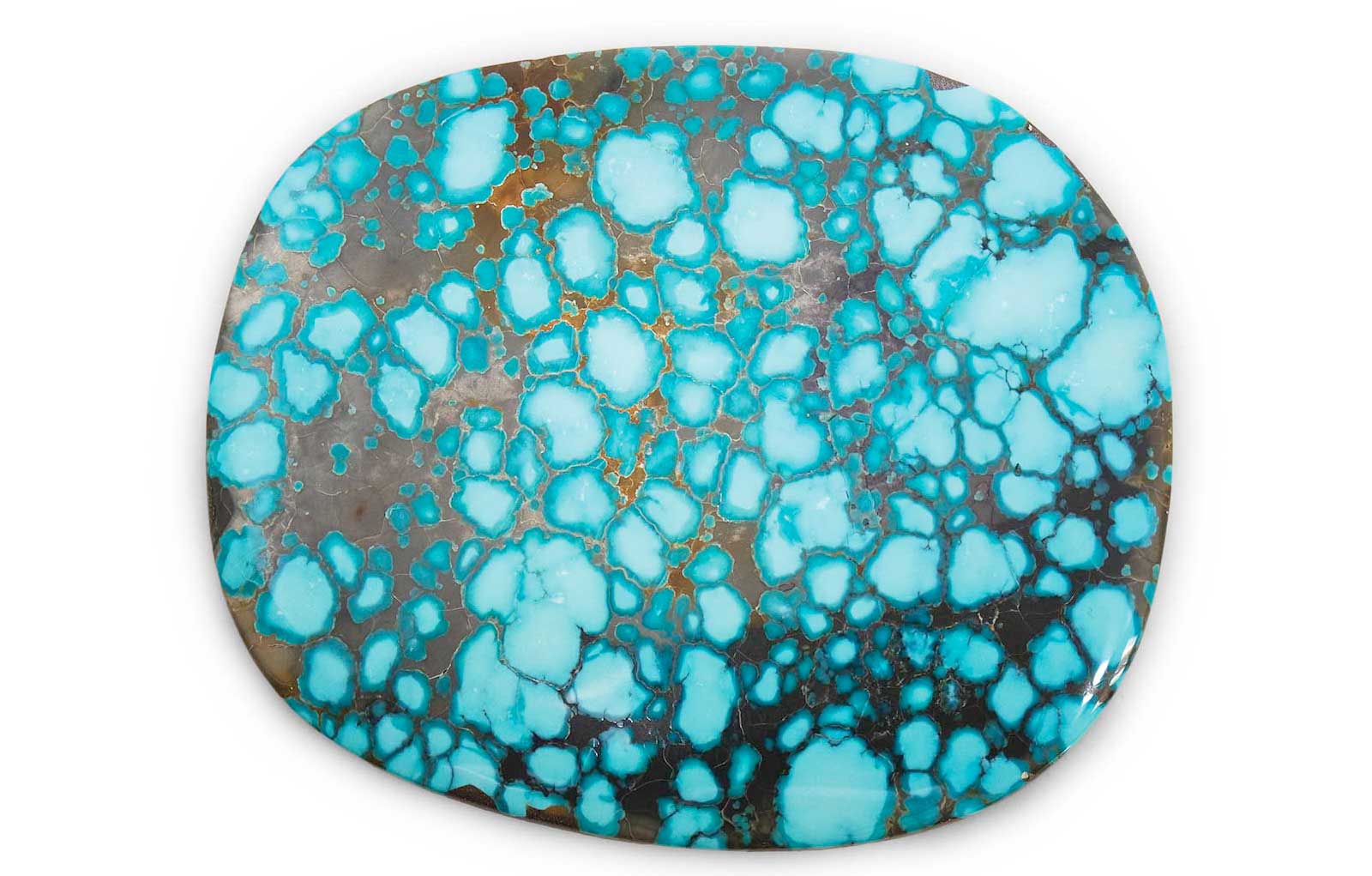
Like Blue Gem, Blue Jay also originates near Battle Mountain, Nevada. It’s a hard turquoise, which makes it great for cutting and polishing. Today the mine is no longer active. Sometimes Blue Jay is used as another name for lower-grade Lone Mountain, but artists swear by Blue Jay and use it in high-end pieces.
++++++++++++++++++++++++++++++++++++++++
 Blue Star
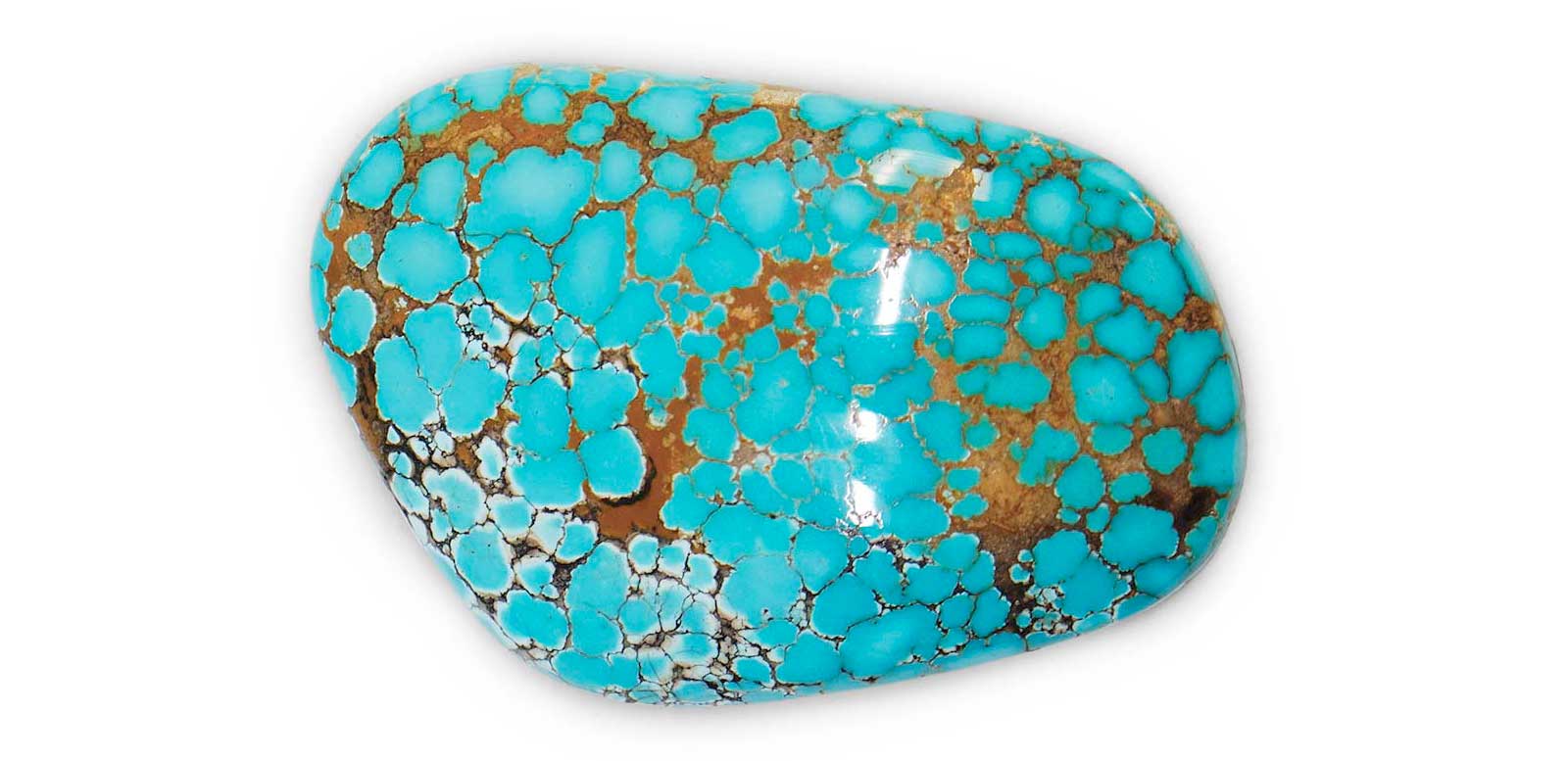
Formerly known as Widow Maker because the roads to the mine were so rocky and dangerous, Blue Star’s origins go back to a claim in the 1950s near the Apache Blue mine near Tonopah, Nevada. Blue Star is found in maroon host rock and usually has a brown matrix. This mine is active and producing.
++++++++++++++++++++++++++++++++++++++++
 Bounty
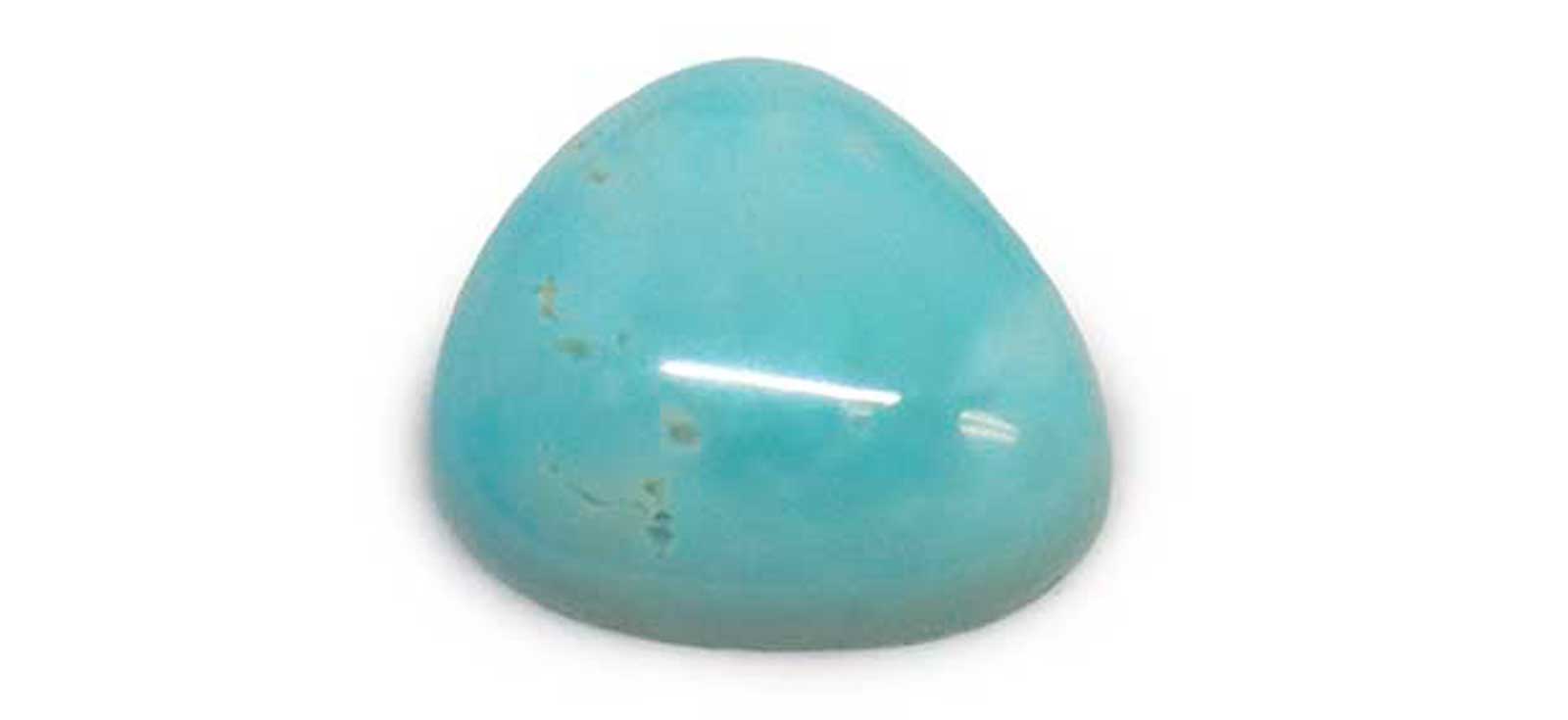
Not much is known about this Nevada stone. When artist Wes Willie acquired a collection of turquoise stones, one of the bags he acquired was marked “Bounty” and it contained three magnificent matrix-free rocks that looked like Sleeping Beauty. They likely came from the Bounty Claim in Elko County, Nevada.
++++++++++++++++++++++++++++++++++++++++
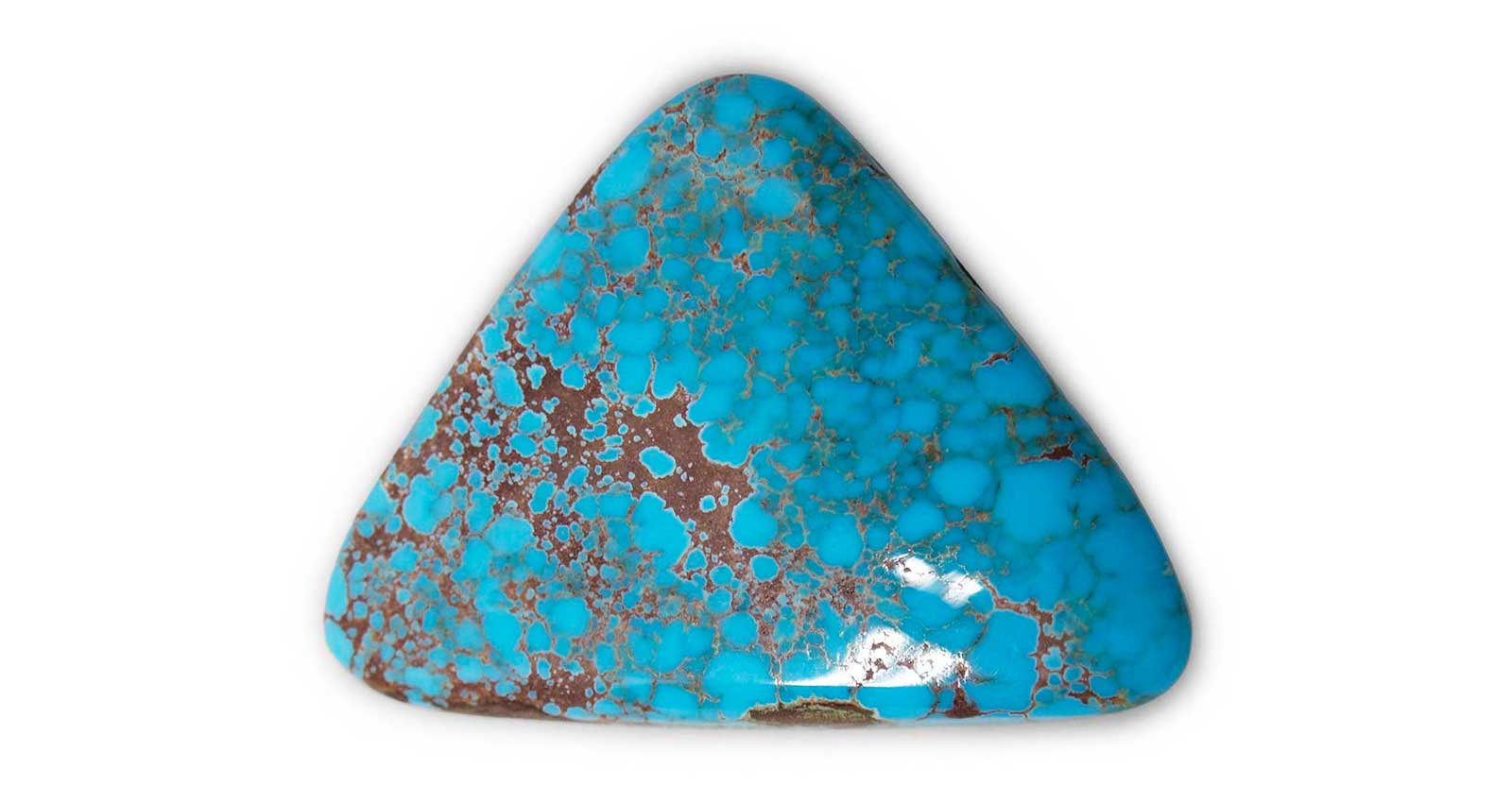 Candelaria
One of the most famous gem-quality turquoise stones on the market is Candelaria, which came from a gold, silver and copper mine in the Candelaria Hills in southwest Nevada. The most coveted stones come in deep blue with red webbing. The mine still has turquoise in it, but will likely remain closed due to the difficulty of mining it out.
++++++++++++++++++++++++++++++++++++++++
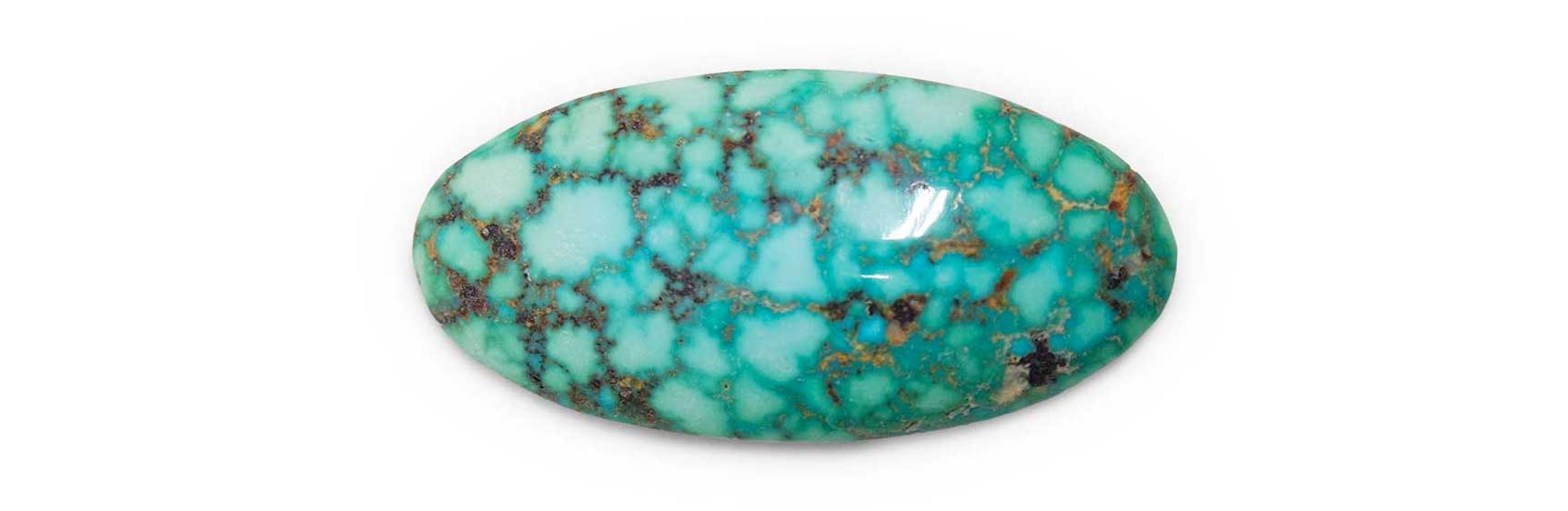 Carico Lake
Carico Lake is a dry lake bed in Lander County, Nevada. The mine produces many different colors, but is mostly known for its gorgeous greens, which come from the zinc in the mother stone. Once known as Stone Cabin and Aurora #8, Carico Lake is not active, but it is owned by Sunwest Silver founder Ernest Montoya, owner of one of the largest private collections of turquoise.
++++++++++++++++++++++++++++++++++++++++
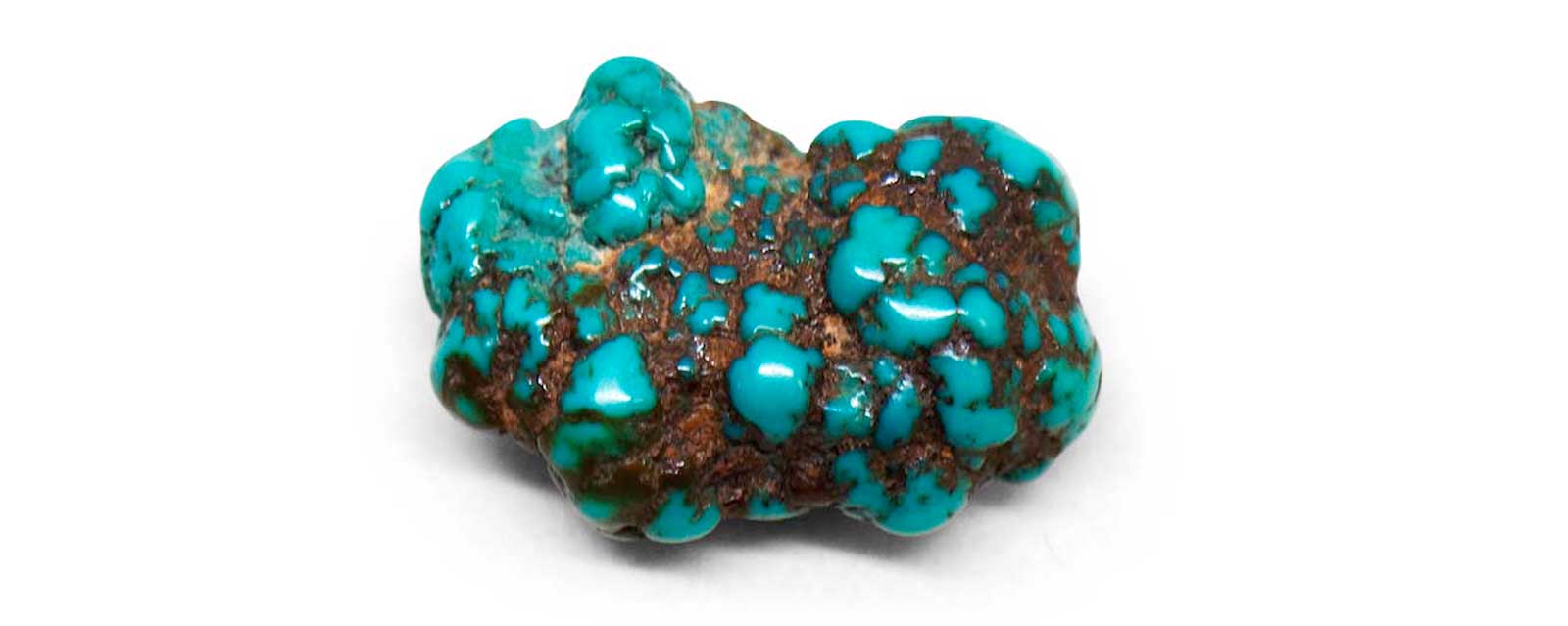 Cripple Creek
This variety of turquoise comes from a mine near Cripple Creek, Colorado, home to one of the most successful gold mines in the country. Claims using the Cripple Creek name include Elkhorn, Florence, O’Haver, the Roanoke Shaft, the Hidden Treasure Turquoise Mine and the Bad Boys of Cripple Creek. The area is still actively mined today.
++++++++++++++++++++++++++++++++++++++++
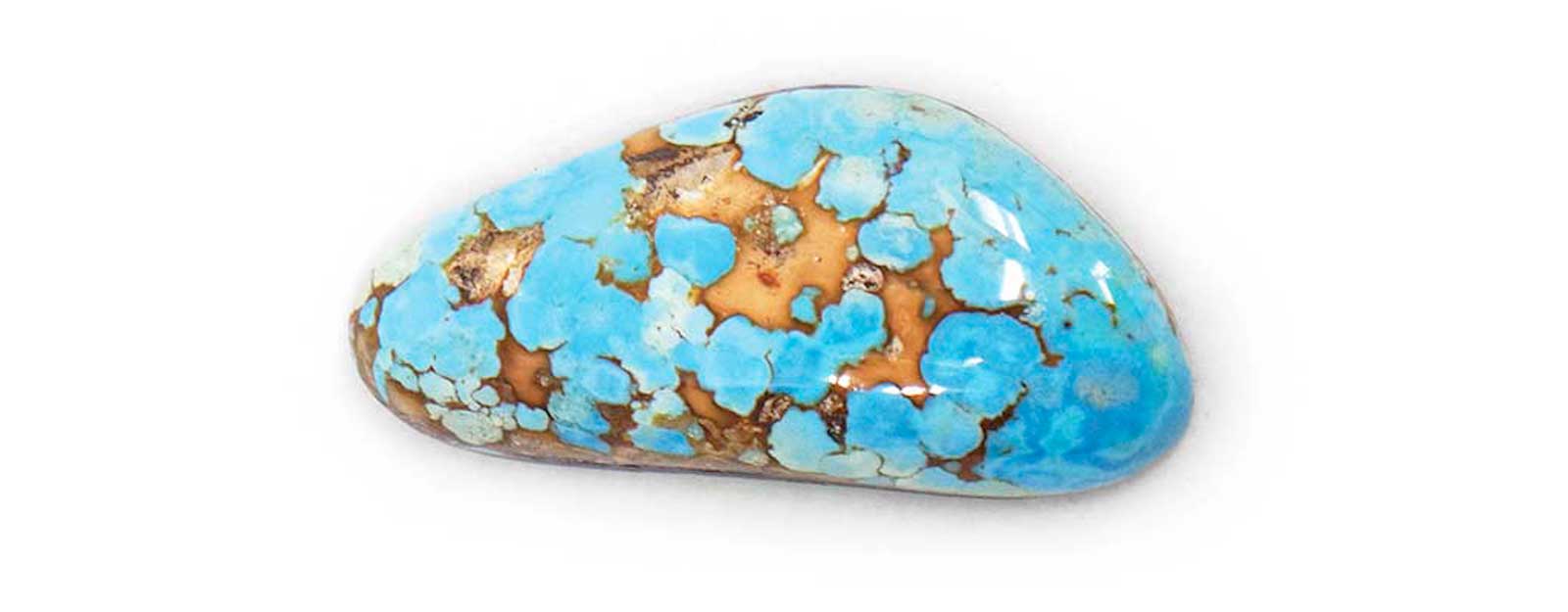 Danny Boy
Danny Boy originates from Nevada’s famous Royston mining district and comes in a lovely robin’s egg blue with brown matrix. Not an especially prevalent turquoise, it does pop up frequently for its stunning color and the patterning of the matrix.
++++++++++++++++++++++++++++++++++++++++
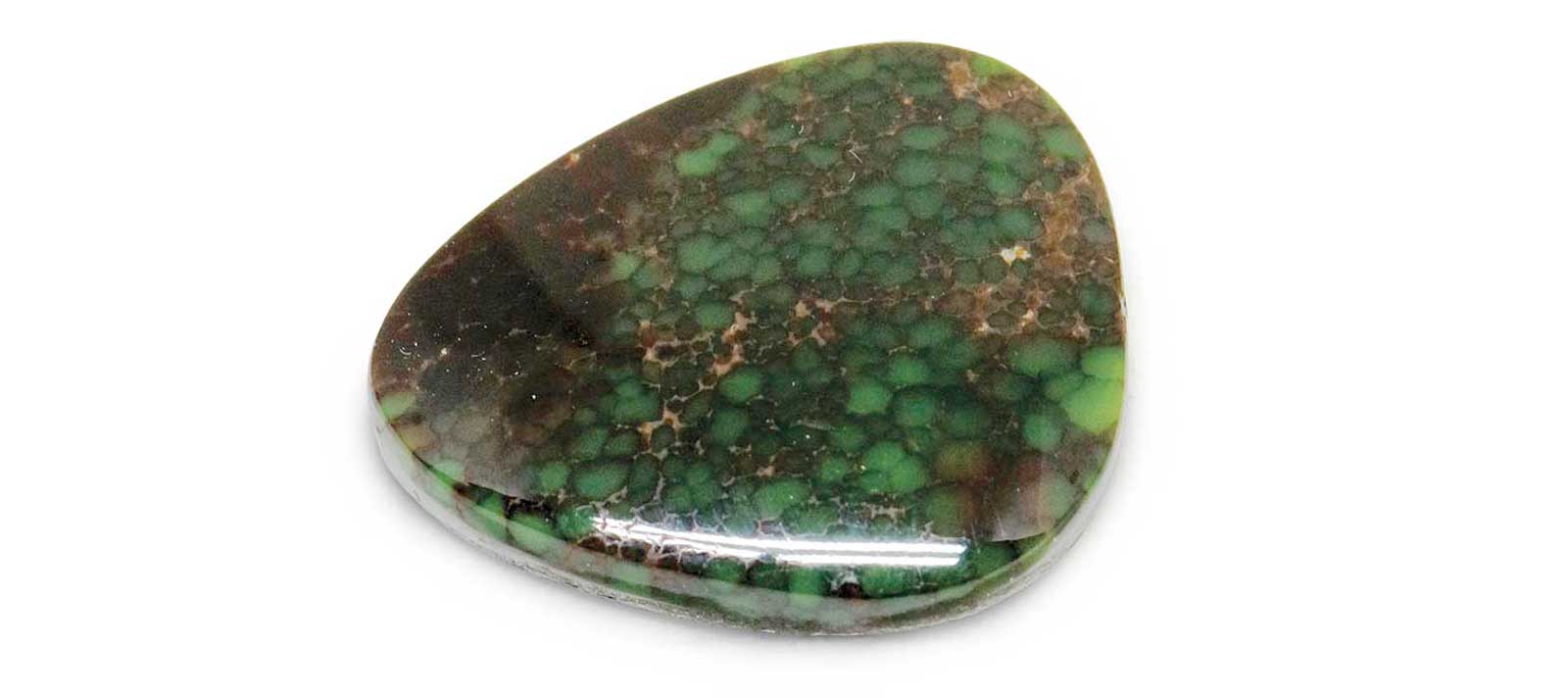 Demali
Demali comes from a mine in central Nevada, near the Carico Lake mine. Sometimes it uses spellings Damale, Damele and Damaile. The stone is unique for its zinc content, which gives it the unique yellow-green appearance. In rare cases it comes out of the ground in a mesmerizing lime-green color with variscite. The mine is no longer active.
++++++++++++++++++++++++++++++++++++++++
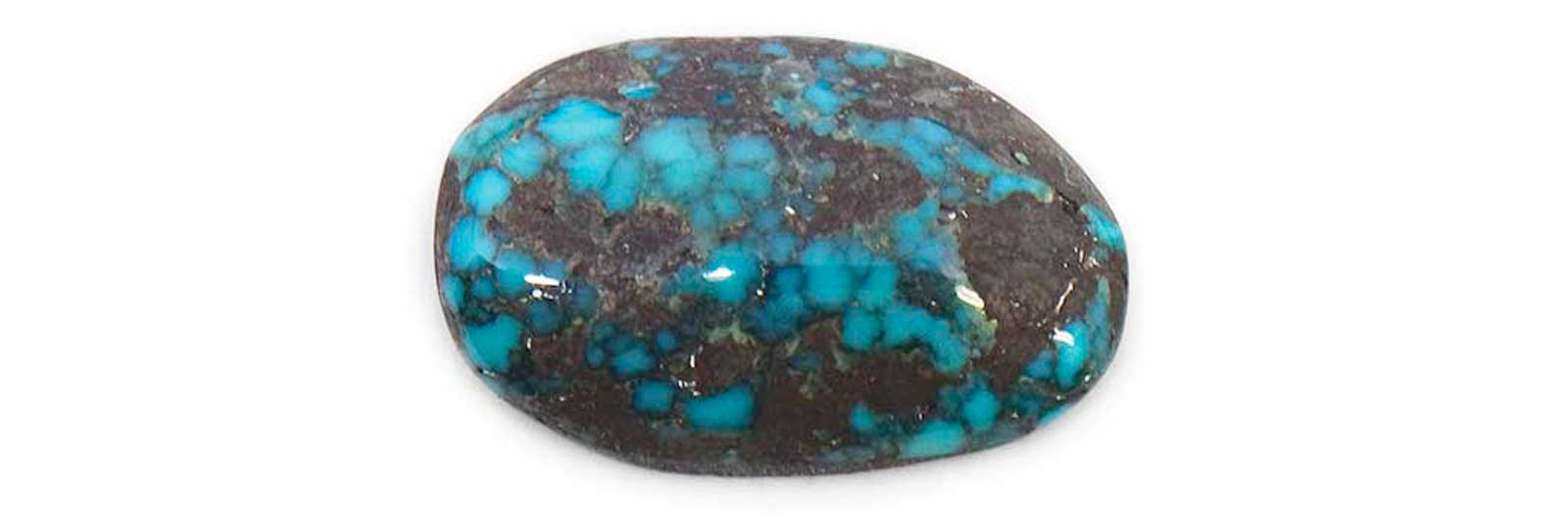 EE5
EE5
This is another stone from Wes Willie’s haul from a single collection. It was identified by only one name, EE5, which doesn’t produce any reliable results in an online search. We’re including it here because it shows how small some of the mines were. In some cases they were only identified by numbers or grid locations on a map. And if any history remains on them, it’s lost.
++++++++++++++++++++++++++++++++++++++++
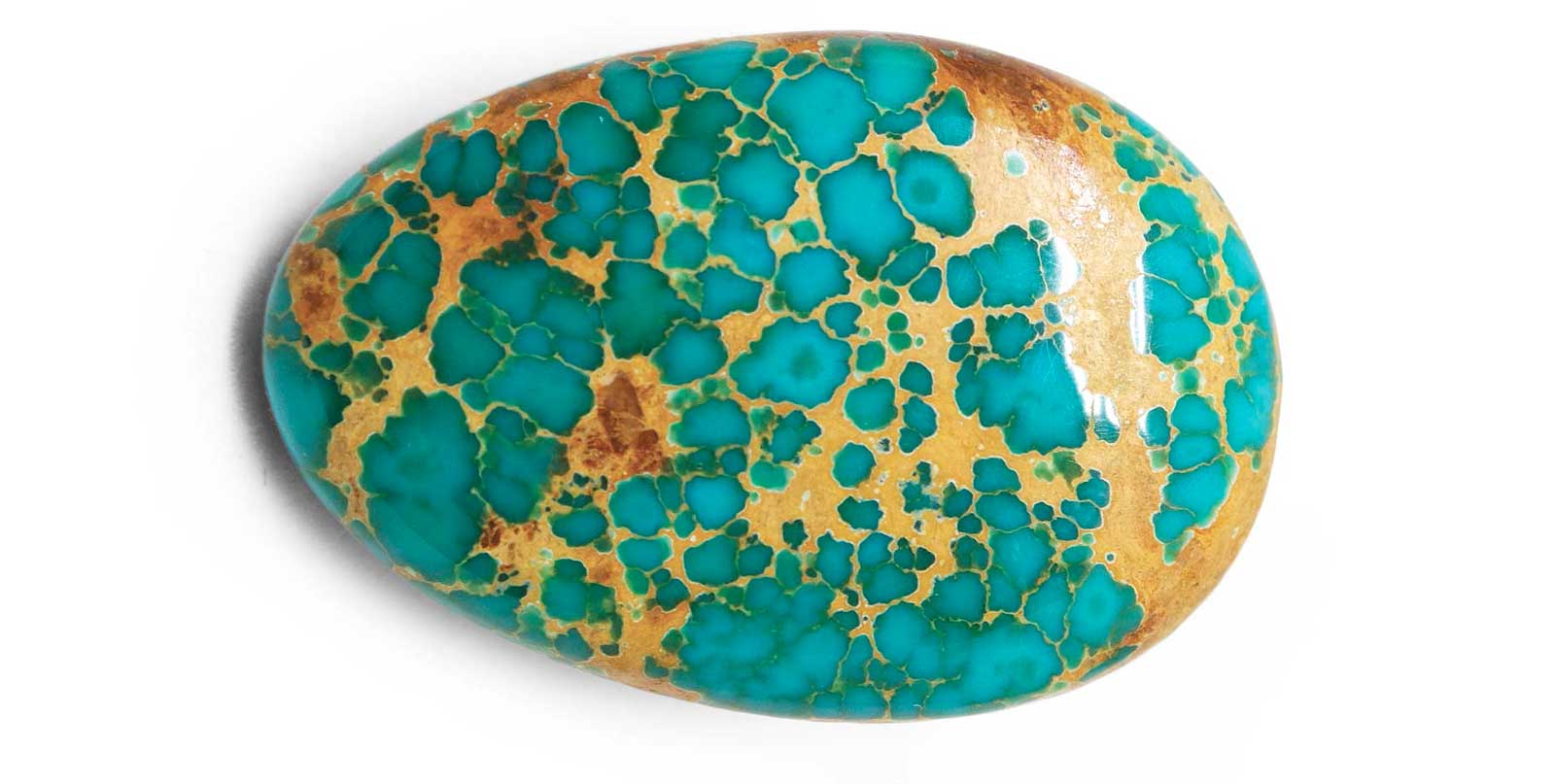 Fox
Fox
The Fox turquoise mine, once called the Cortez mine, is located near Lander County and was discovered in the early 1900s, though it was mined by Indigenous people. It was once Nevada’s largest producer of turquoise. It also uses the names White Horse, Green Tree and Smith depending on the color, which ranges from green to aqua blue. The mine is still active on and off today.
++++++++++++++++++++++++++++++++++++++++
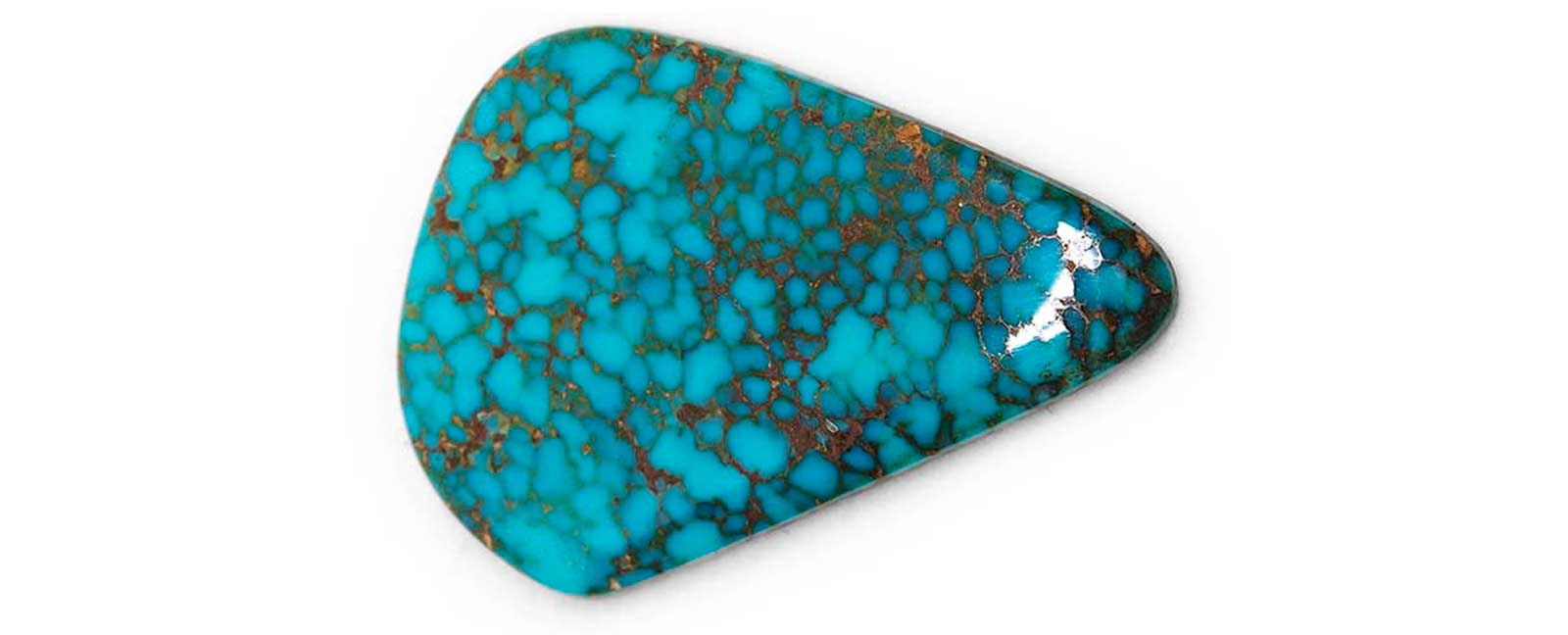 Godber-Burnham
Discovered in 1932 in Austin, Nevada, the mine was first claimed under the name “Last Chance.” Later it was sold to Frank Burnham and then, in 1934, to Walter Godber. The turquoise, sometimes called Dry Creek turquoise, was widely used and was even sold in Tiffany stores. The stones range from medium to dark blue. The mine is closed but is occasionally mined.
++++++++++++++++++++++++++++++++++++++++
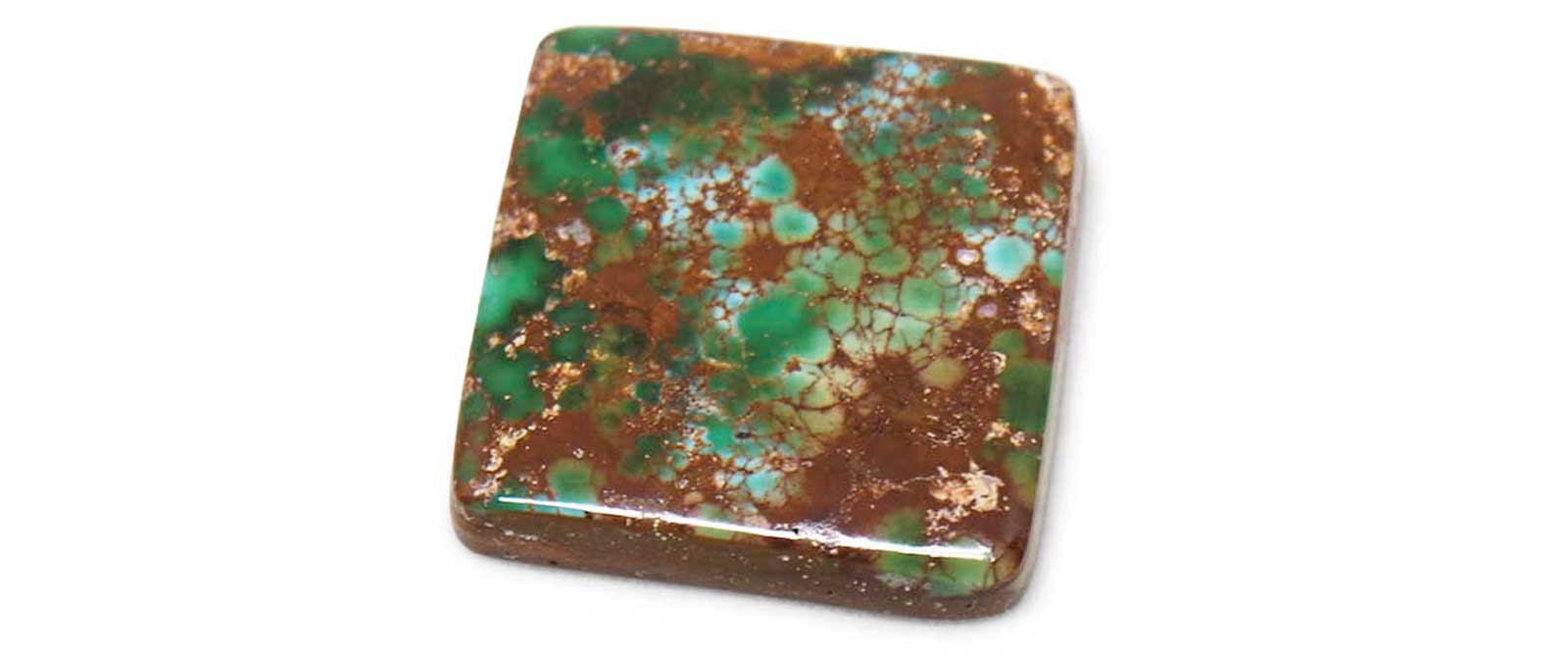 Hachita
Rare and difficult to find, Hachita comes from a New Mexico mine that hasn’t seen activity since 1905. Today it can be found in vintage jewelry and is quite hard to acquire. It sometimes goes under the name Azure.
++++++++++++++++++++++++++++++++++++++++
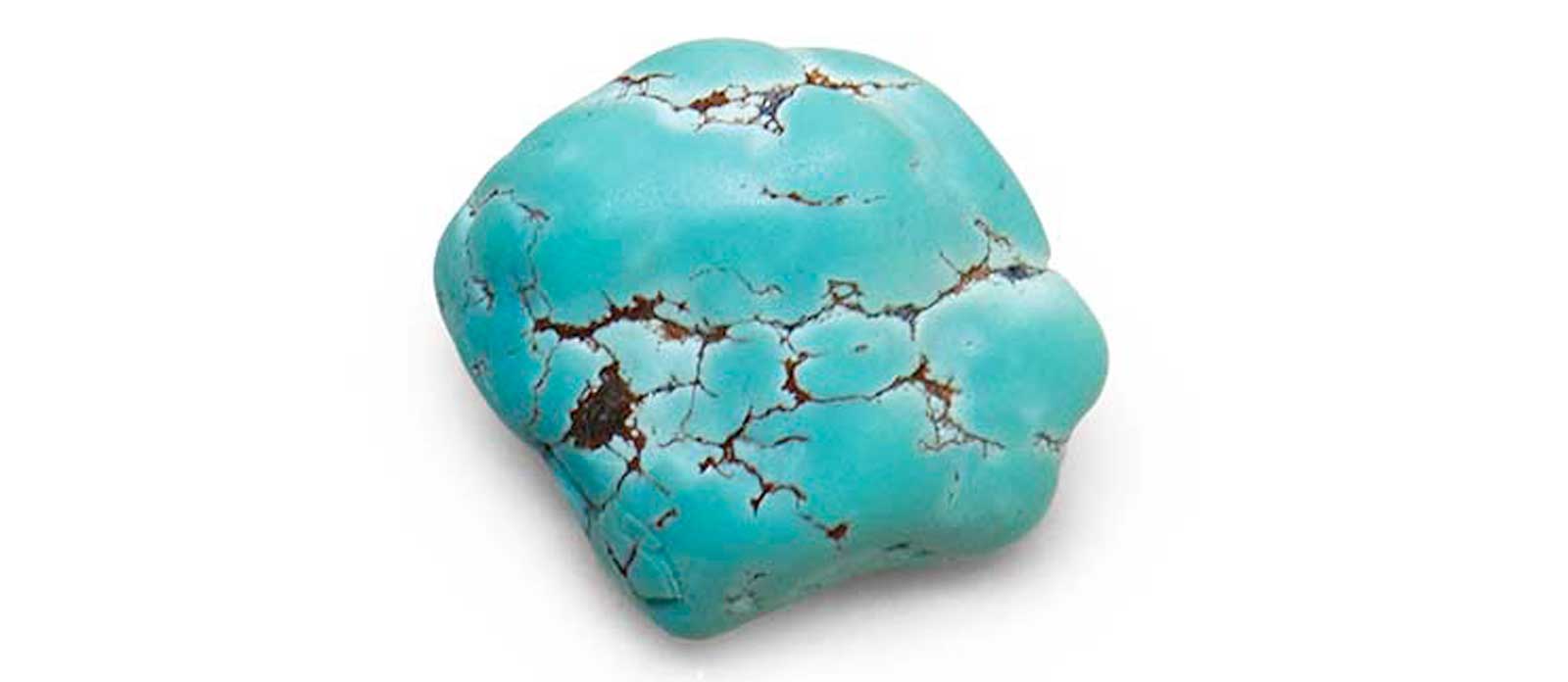 Happy
Happy
Not much is known about this stone. Many years ago jeweler Ric Charlie acquired a tray of unpolished rocks, many of which were very light in color. They were sold to him as “Happy” turquoise. The little stones hold a secret, though: break them open and the color darkens into the middle of the stone.
++++++++++++++++++++++++++++++++++++++++
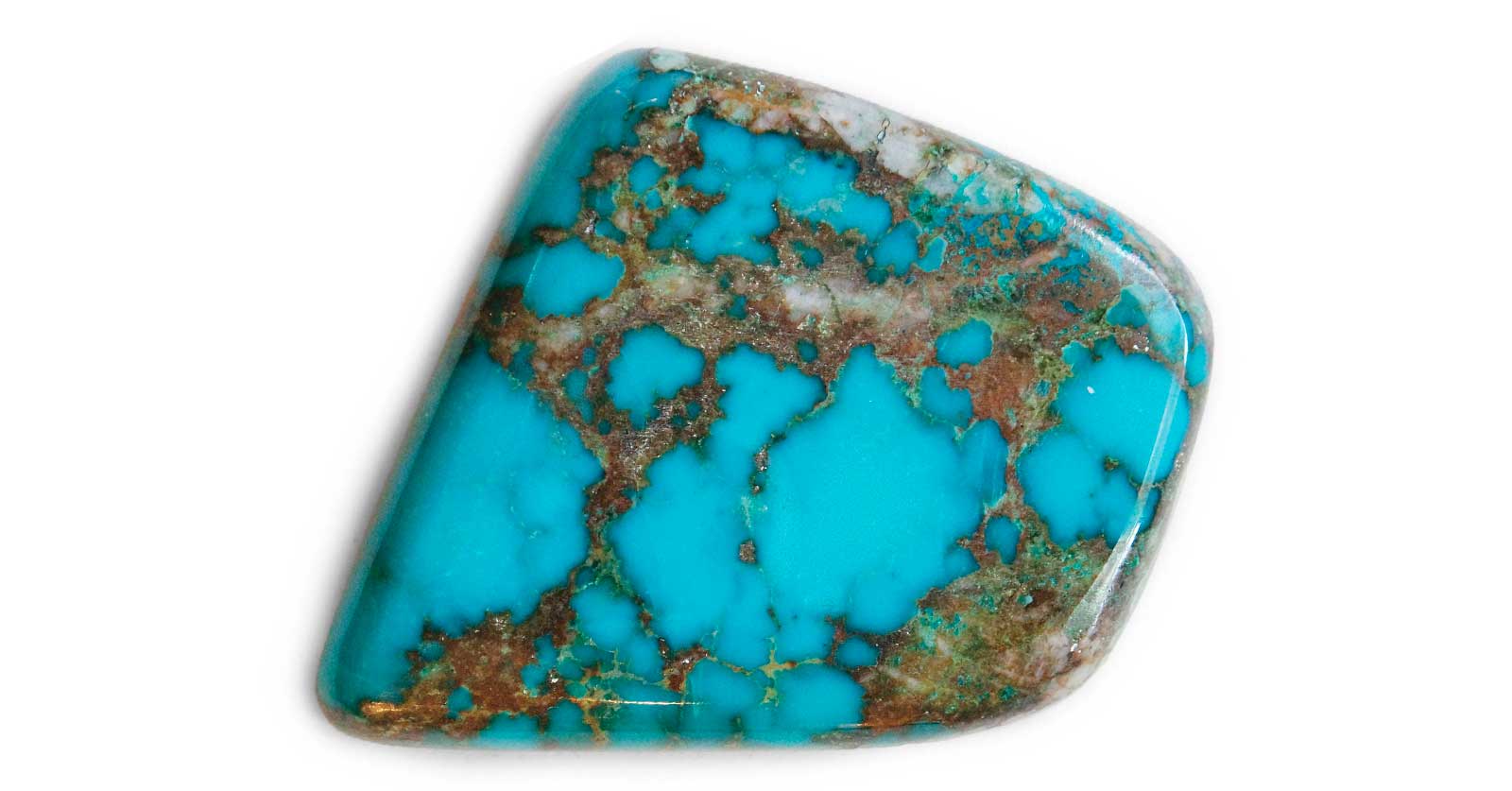 Hidden Valley
Rare and magnificent, Hidden Valley was first discovered in a small deposit in the 1980s. Not long after discovery the mine was lost in Nevada’s Candelaria Hills. Major stones from the mine turn up here and there, but never in great sizes or quantities. The artists who do use it tend to hang onto it or work it into their best jewelry pieces.
++++++++++++++++++++++++++++++++++++++++
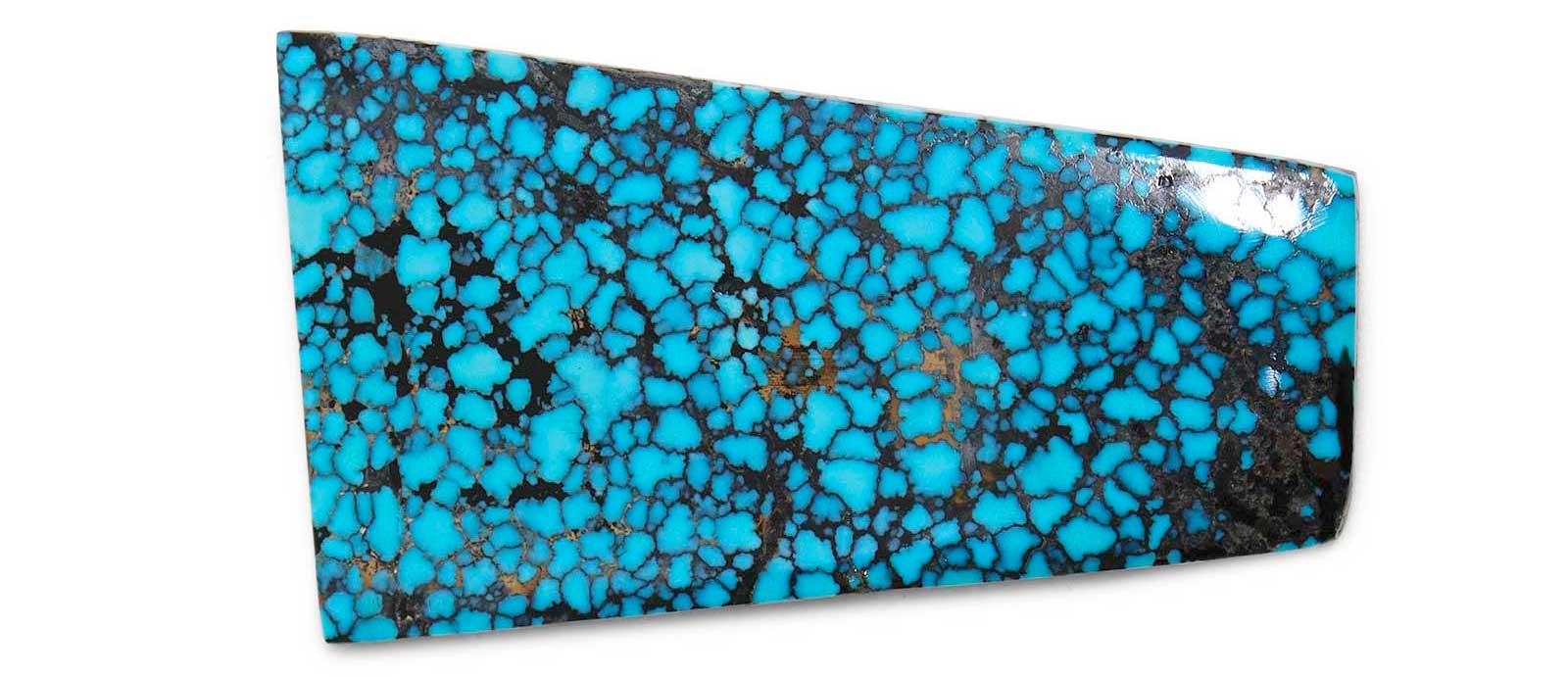 Indian Mountain
Supposedly discovered by a Shoshone sheepherder in 1970, Indian Mountain comes from Bald Mountain in Lander County. The claim was owned by Ed Mauzy and J.W. Edgar, both legends of Nevada turquoise. The mine would produce in the summer, but in the winter it was covered by 10 feet of snow. Indian Mountain is a cherished stone. The mine hasn’t been active for several decades.
++++++++++++++++++++++++++++++++++++++++
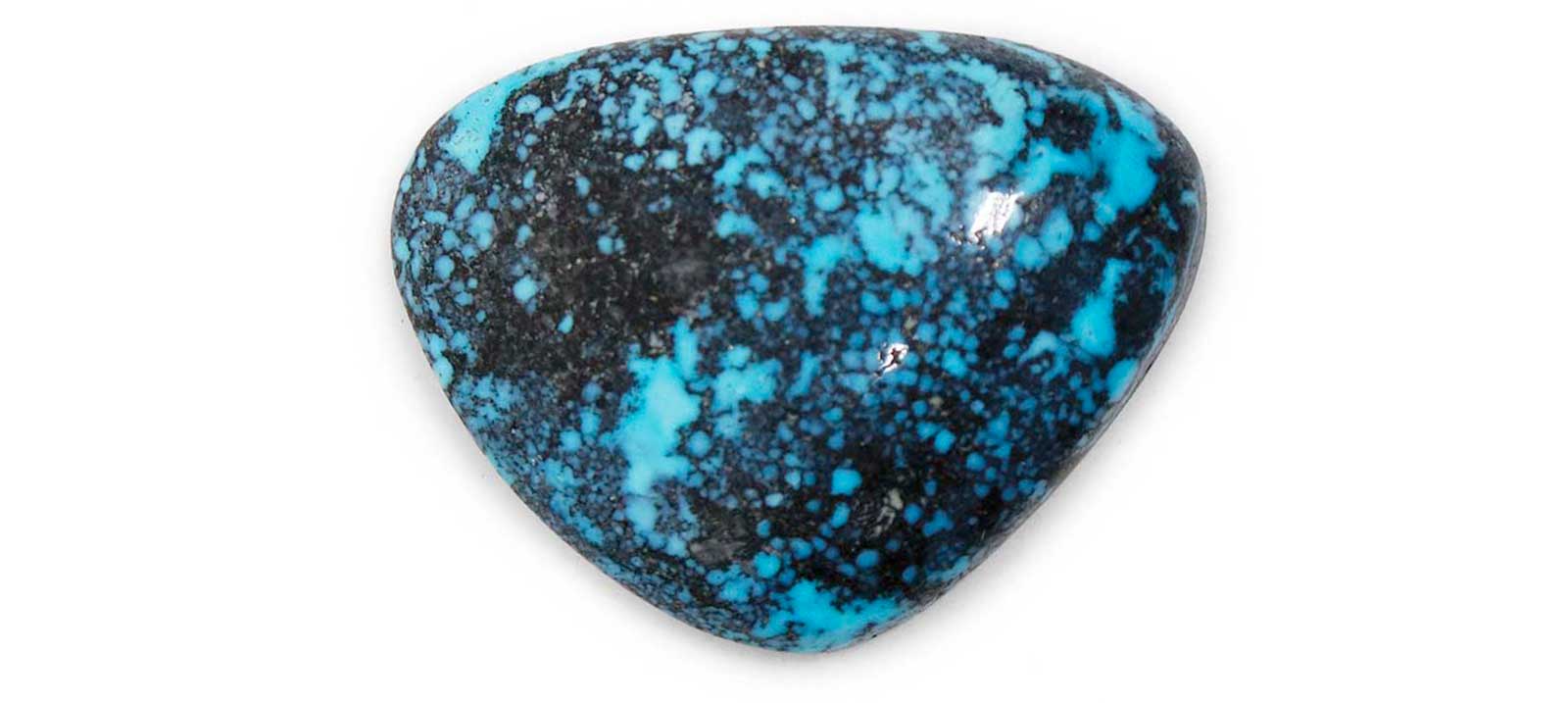 Kingman
Kingman turquoise comes from one of the largest mining operations in all of North America, located in Kingman, Arizona. Known for its high quality, hardness and variety of colors, Kingman doesn’t need much introduction when it comes to turquoise. Much of what comes from the mine, and there is a lot, needs to be stabilized, but natural Kingman is treasured by collectors.
++++++++++++++++++++++++++++++++++++++++
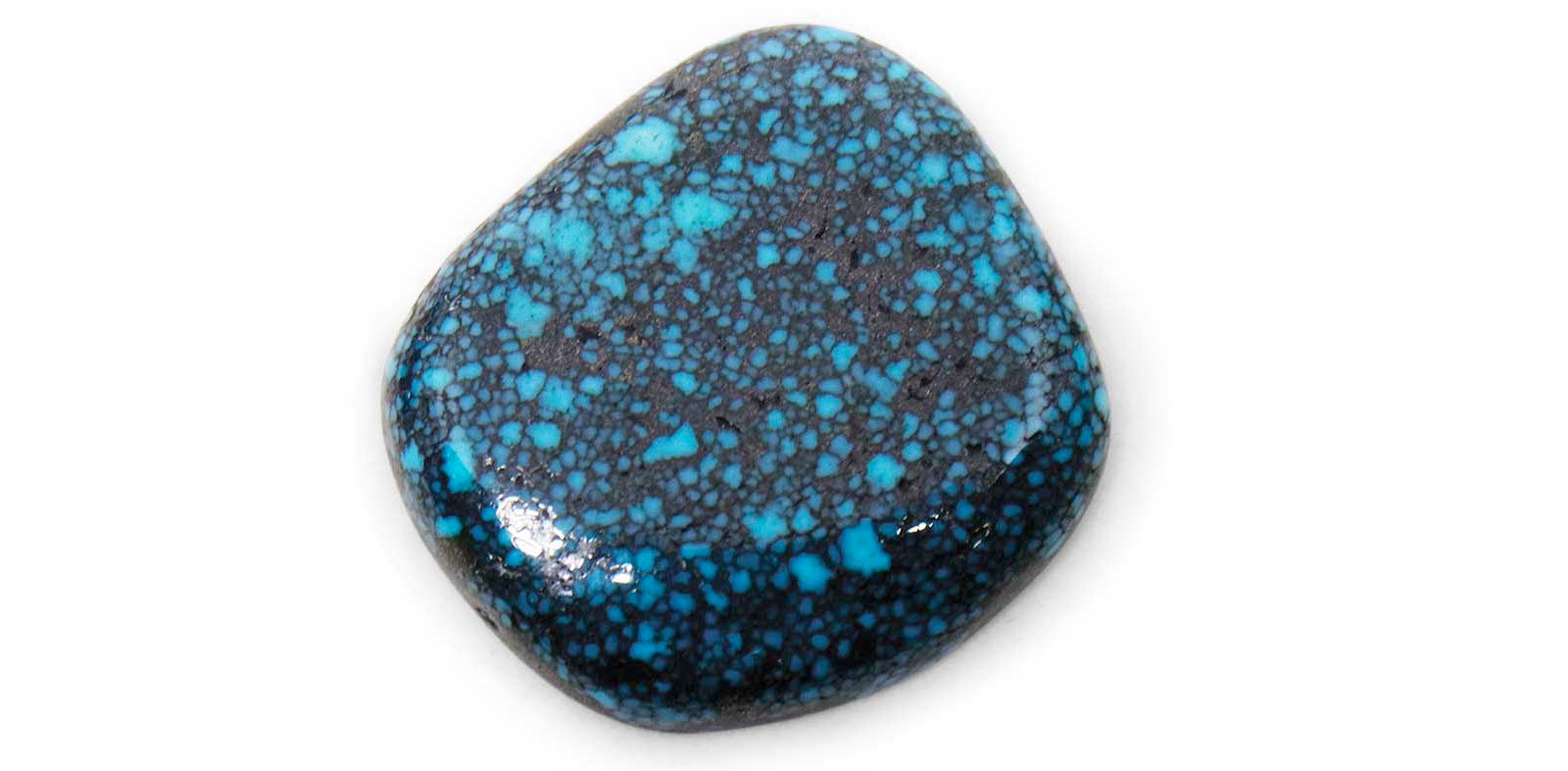 Lander Blue
Lander comes from Lander County, where Rita J. Hapgood, a blackjack dealer at the Nevada Club, discovered the deposit in 1973. She claimed the hat mine as the Mary Louise Lode Mining Claim. The story goes that only 108 pounds of high-grade Lander were taken out of the mine before it was exhausted. Today, those high-grade stones sell for $500 a carat.
++++++++++++++++++++++++++++++++++++++++
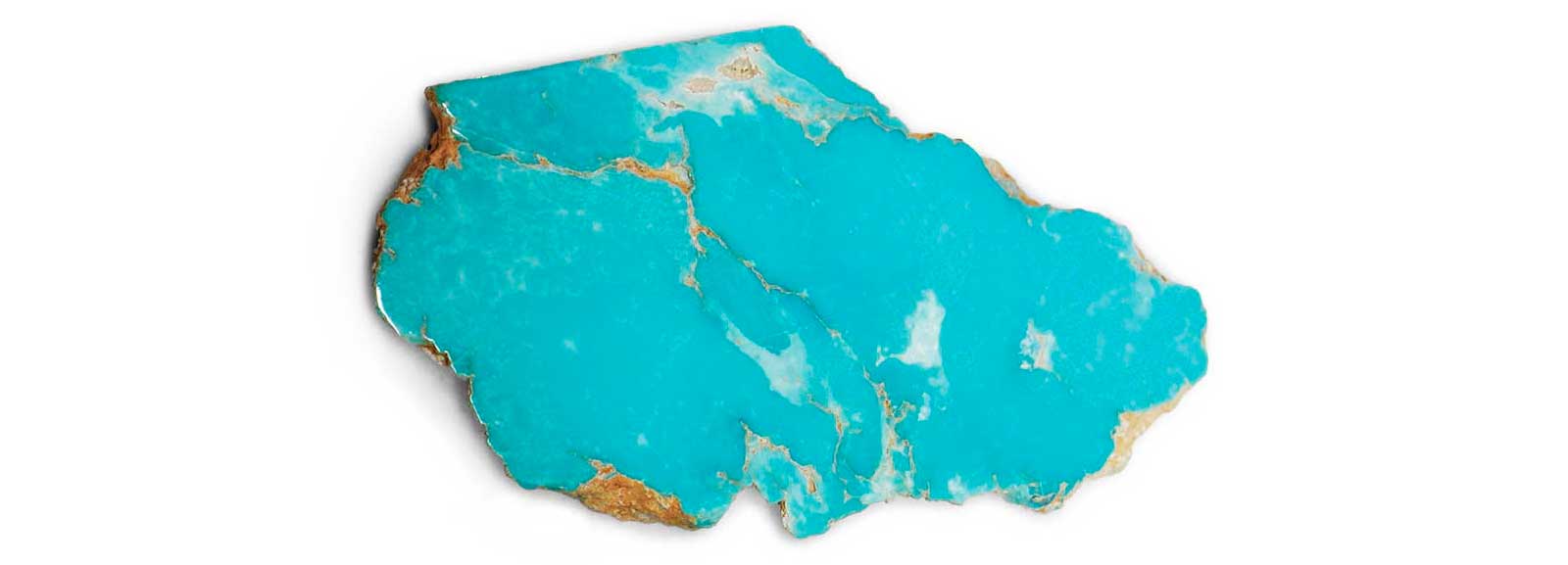 Lone Mountain
This mine is located in central Nevada, and produces a huge array of colors with varying patterns of webbing, as well as rare fossilized varieties. The mine was claimed by Lee Hand in 1920, first as the Blue Jay Mining Lode and later as Lone Mountain. In the 1960s, the mine was converted to an open pit operation. Lone Mountain commands some of the highest prices. The mine is still active today.
++++++++++++++++++++++++++++++++++++++++
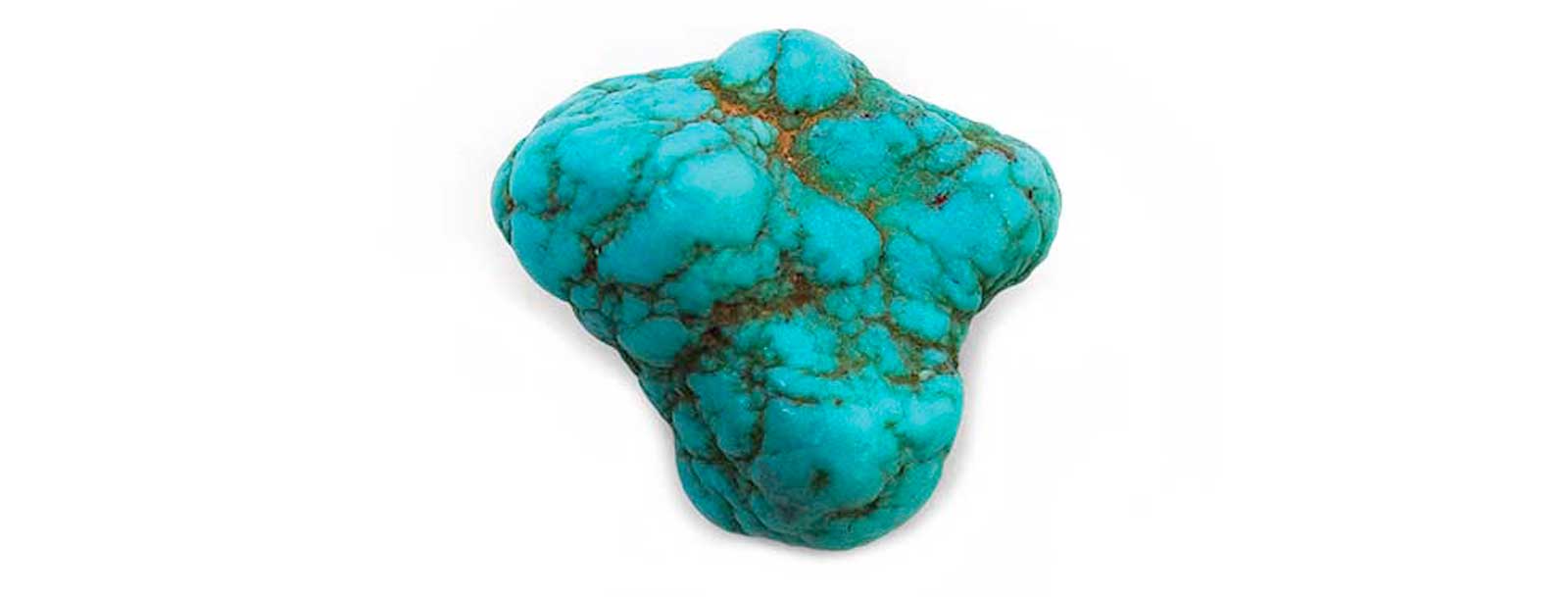 Lucky Lynn
The Lucky Lynn Mine is located near Mount Montgomery, Nevada. It is another great example of a mine that produced wonderful stones for a brief period of time and then closed. The stones still pop up here and there in old and new jewelry.
++++++++++++++++++++++++++++++++++++++++
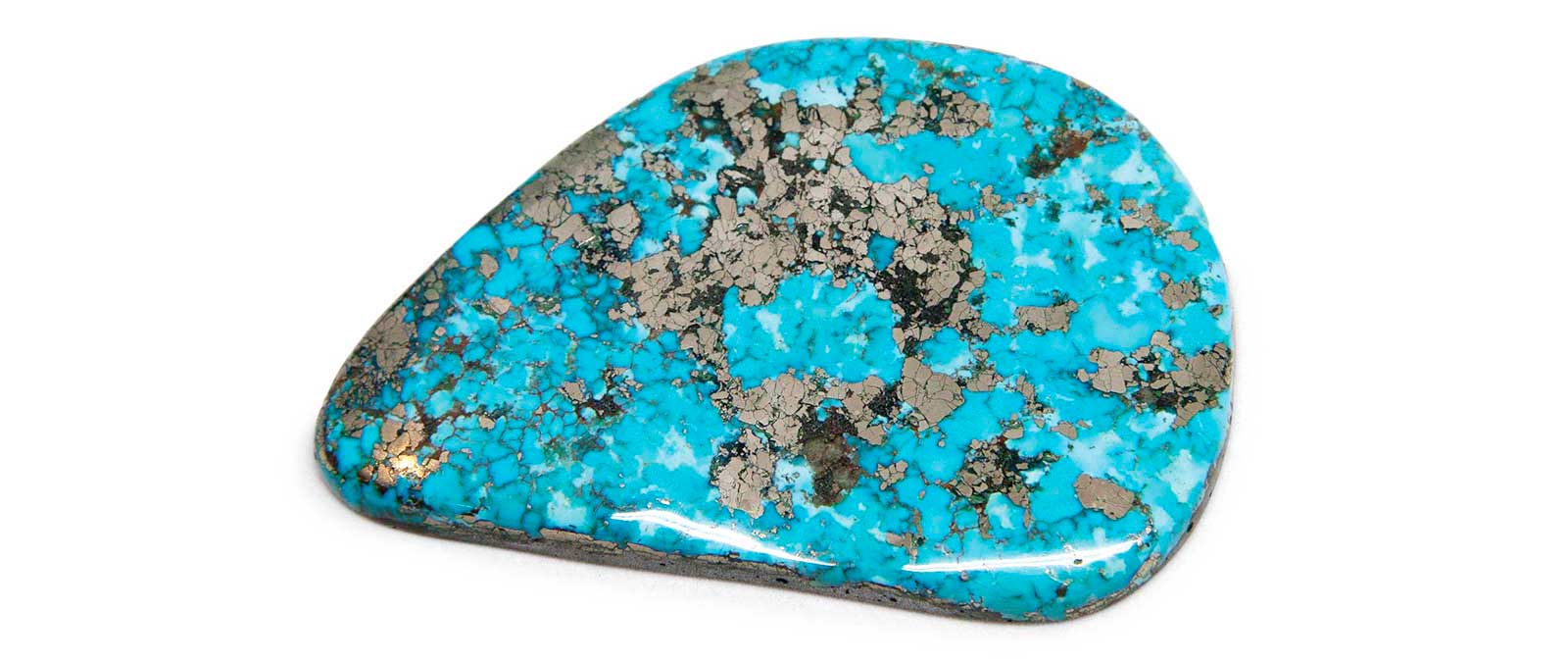 Morenci
Morenci turquoise comes from Greenlee County in southeastern Arizona. It is prized for its beautiful blue color and the inclusion of iron pyrite. From 1956 to 1984, the turquoise rights were granted to William “Lucky” Brown. Lucky retired in 1982 and his sons continued to mine the turquoise until the lease ended. Morenci is highly valued and difficult to obtain.
++++++++++++++++++++++++++++++++++++++++
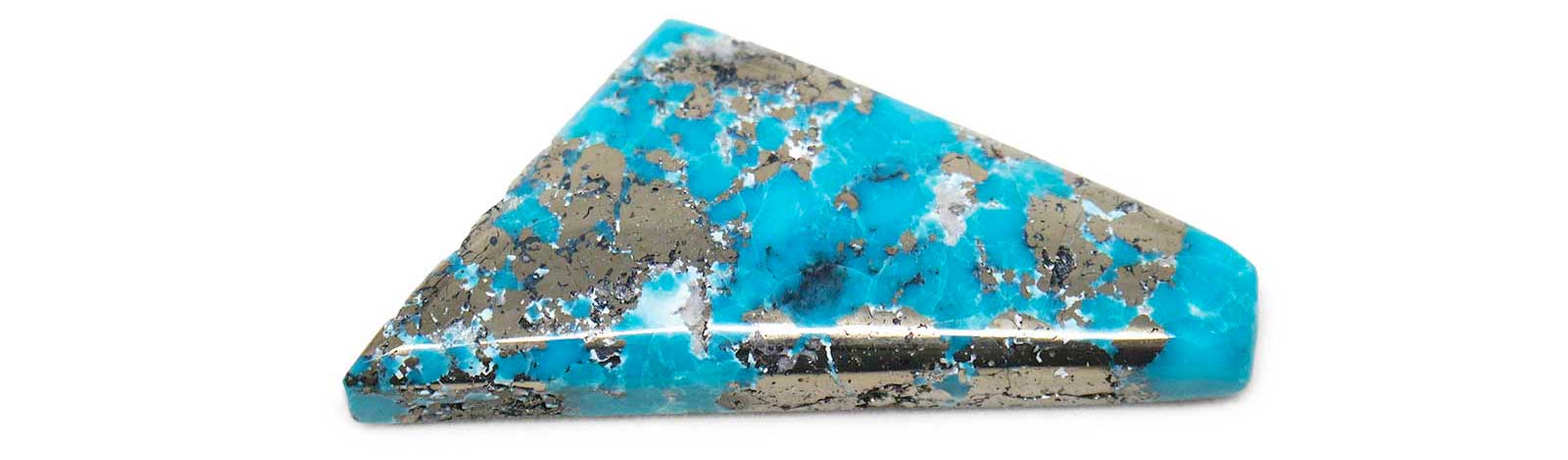 Morenci 2
We’re introducing this stone because it illustrates an important point: the name of the turquoise carries a lot of weight. When these stones, some of them Persian turquoise, first hit the market they were called Morenci 2. With all turquoise stones, collectors (and artists) are encouraged to ask questions when purchasing.
++++++++++++++++++++++++++++++++++++++++
 Nevada Blue
Once known as Pinto or Watts, the Nevada Blue mine is near the crest of the Shoshone Range in Lander County. The deposit, which is extremely difficult to get to, was first discovered by Jim Watts in 1901. High-grade Nevada Blue stones were used prominently in the 1970s and likely hit their peak in an April 1979 issue of Arizona Highways, where they were featured heavily.
++++++++++++++++++++++++++++++++++++++++
 #8
#8
Located in Carlin, Nevada, this mine was discovered in 1925 as the Eureka Mine. It produced some of the largest turquoise nuggets ever found, with colors ranging from light-blue to dark-blue to green. It is found with a black, gold, red or brown matrix. Stones with black spider webbing are the most valued. The mine is open today, but as a gold mine.
++++++++++++++++++++++++++++++++++++++++
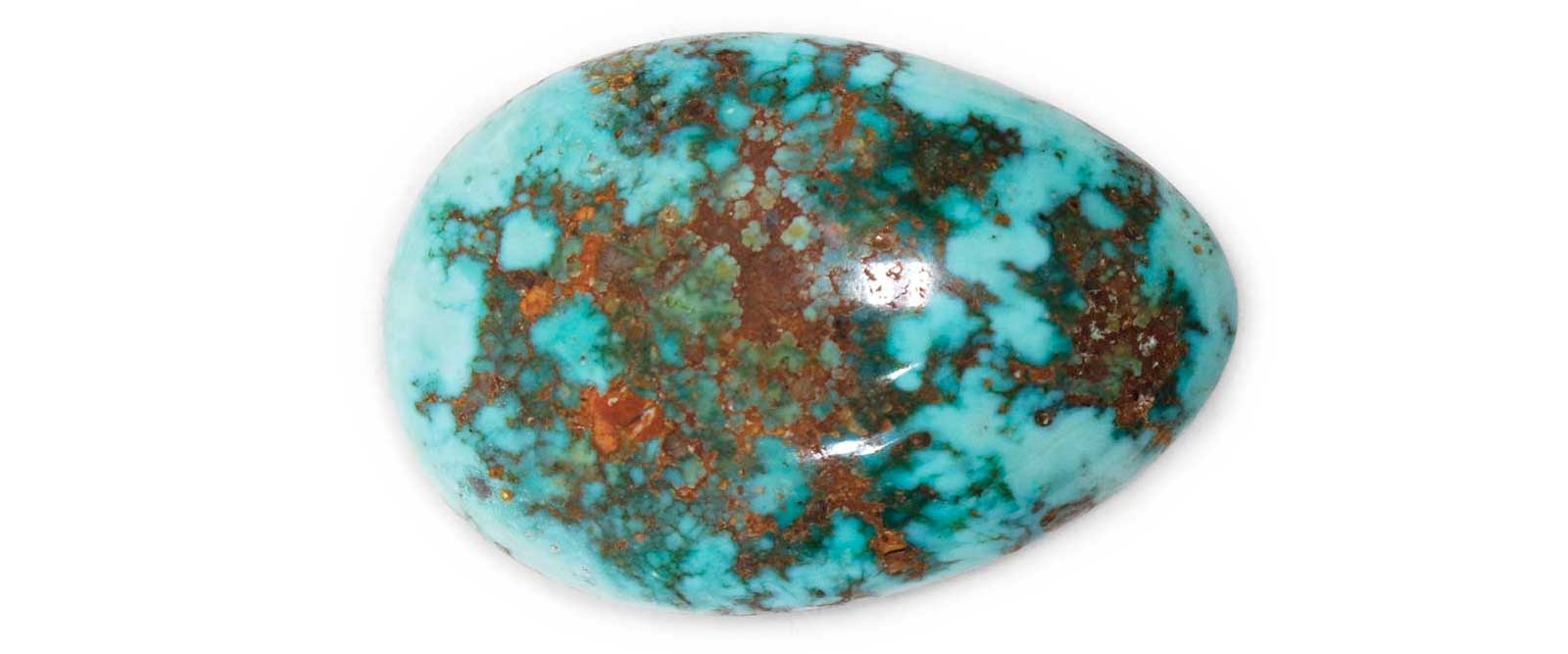 Paiute
This mine shares a mountain with Godber-Burnham and the Dry Creek mines in central Nevada. It was first mined in 1974 and has been in active production since 1992. It produces limited quantities of high-grade
spider-web turquoise. The very highest grade of Paiute turquoise is semitranslucent.
++++++++++++++++++++++++++++++++++++++++
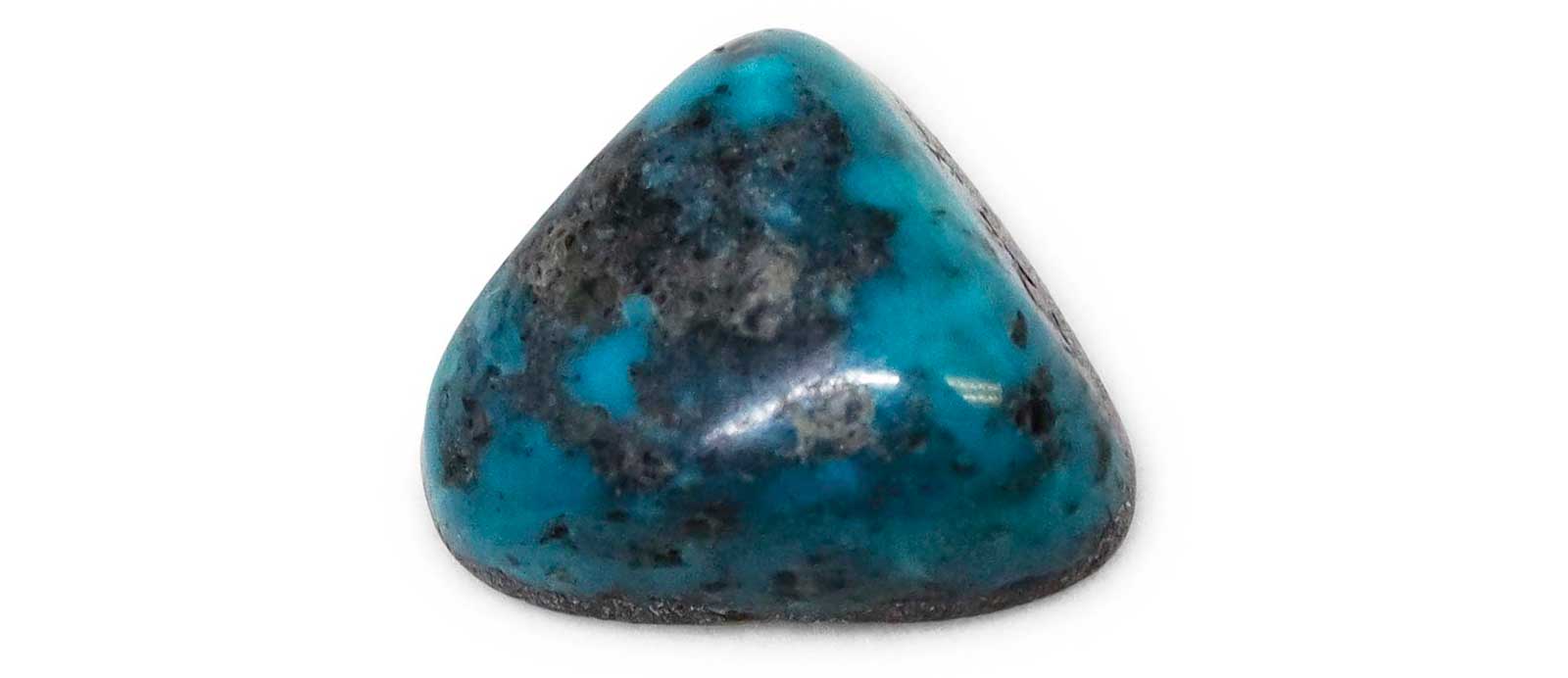 Papoose
Located in western Nevada, the Papoose is one of the state’s smaller mines. It produced a small amount of blue-green turquoise with brown matrix, much of which made its way into old pawn jewelry. The mine is no longer active.
++++++++++++++++++++++++++++++++++++++++
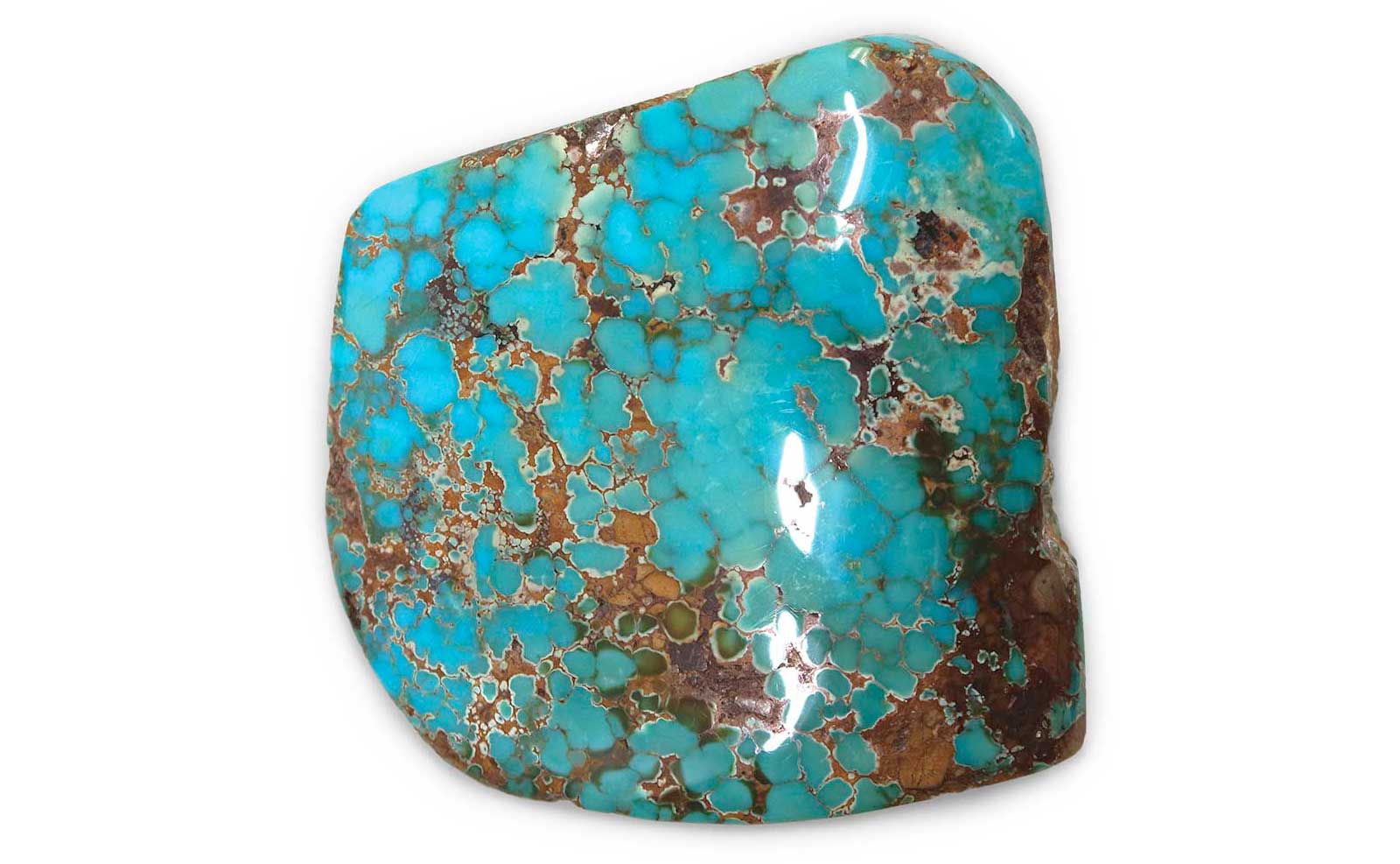 Pilot Mountain
Pilot Mountain is made up of a group of mines, including Montezuma and Troy Spring, at the southern end of the Pilot Mountains in Mineral County, Nevada. Pilot Mountain was first mined around 1930 as a tunnel mine. Later it became an open-pit mine. Turquoise in the area forms in thin sheets, with some nugget formations. It is mined today.
++++++++++++++++++++++++++++++++++++++++
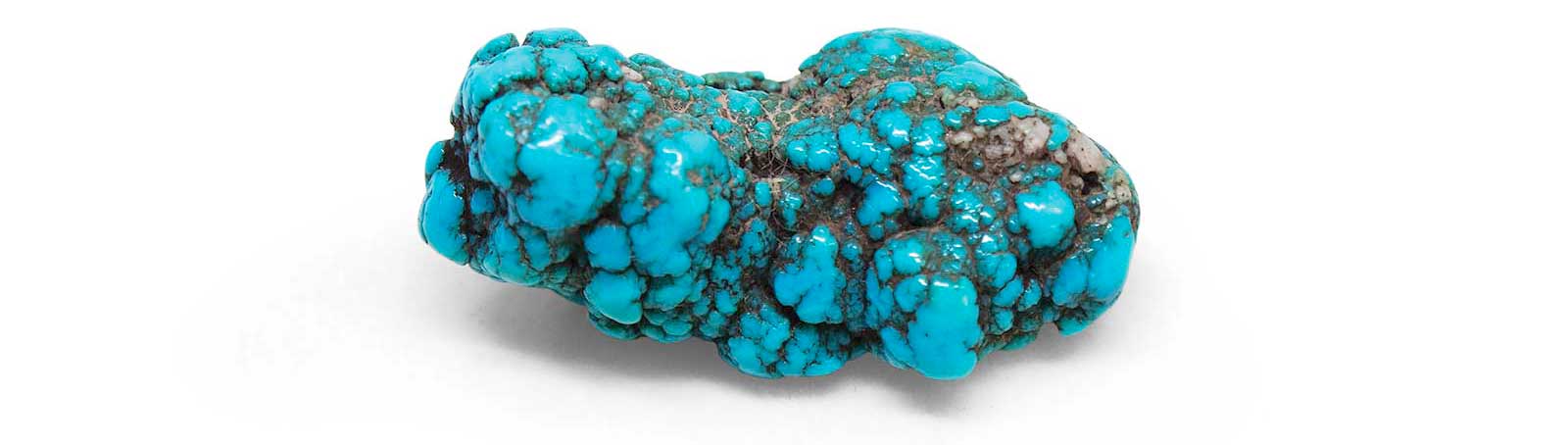 Red Mountain
Known for producing high-quality, gem-grade turquoise, the Red Mountain mine is in Lander County. It has been mined actively since the early 1980s. Today turquoise is still being found there, both in the mine’s old dumps as well as in newly mined veins. High-grade Red Mountain is very limited and cherished by collectors.
++++++++++++++++++++++++++++++++++++++++
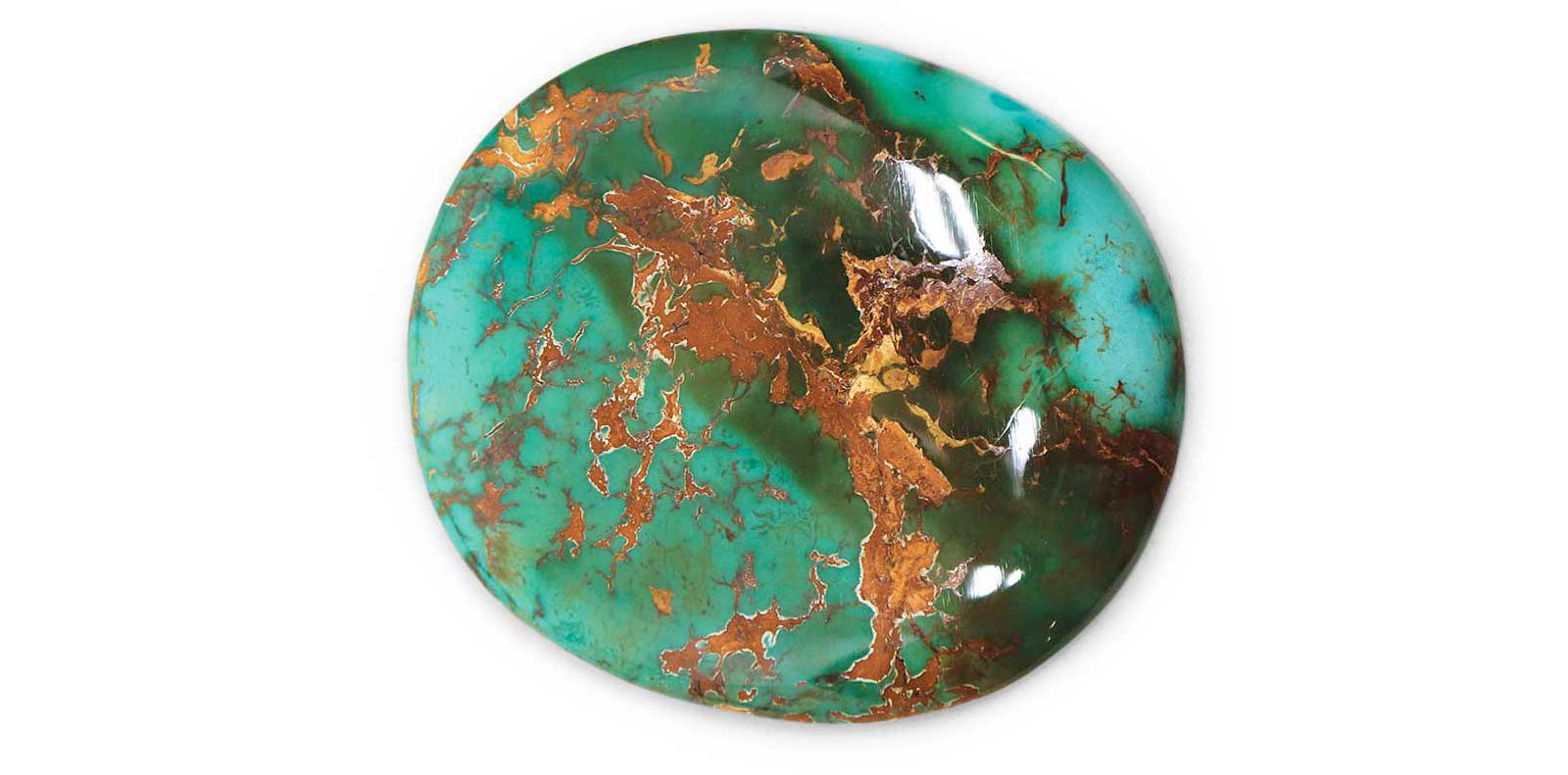 Royston
Royston is a mine located within the Royston District near Tonopah, Nevada. The district consists of several mines: Royston, Royal Blue, Oscar Wehrend and Bunker Hill. The turquoise is known for its beautiful deep-green to rich light-blue colors. Royston stones are often two-tone, displaying both dark and light green. Royston has a heavy matrix ranging from dark brown to gold in color.
++++++++++++++++++++++++++++++++++++++++
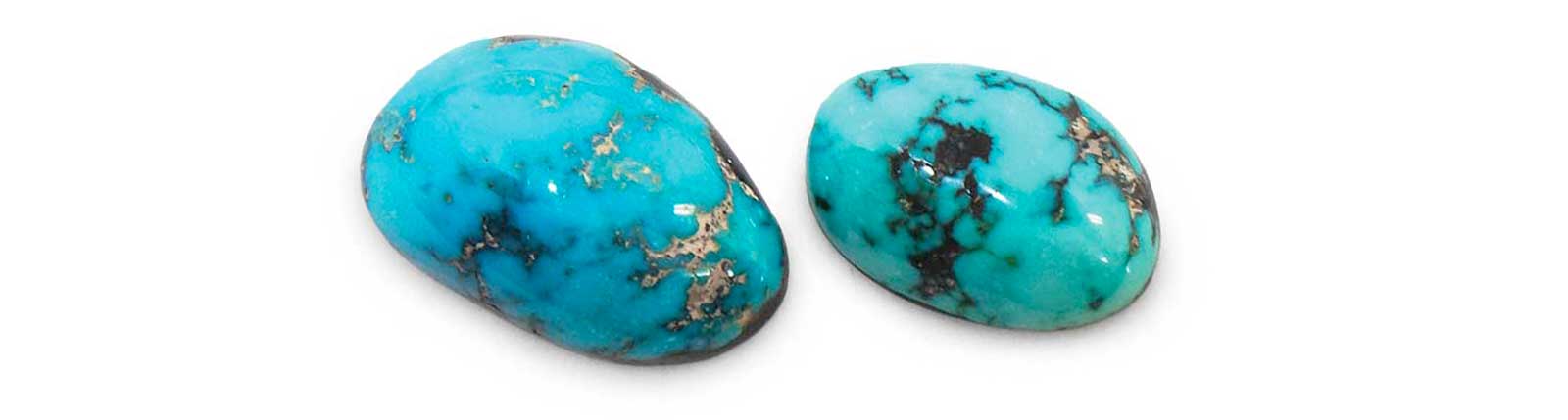 Silver Bell
The Silver Bell mine and the town of Silverbell are located near Tucson, Arizona. The mines, including several open pits, have produced copper and other metals since 1873 and silver since 1865. Prior to that, the Tohono O’odham Indians and their predecessors mined turquoise, hematite and clay, which were used for pottery, paint and decorative purposes. The mines are still active today.
++++++++++++++++++++++++++++++++++++++++
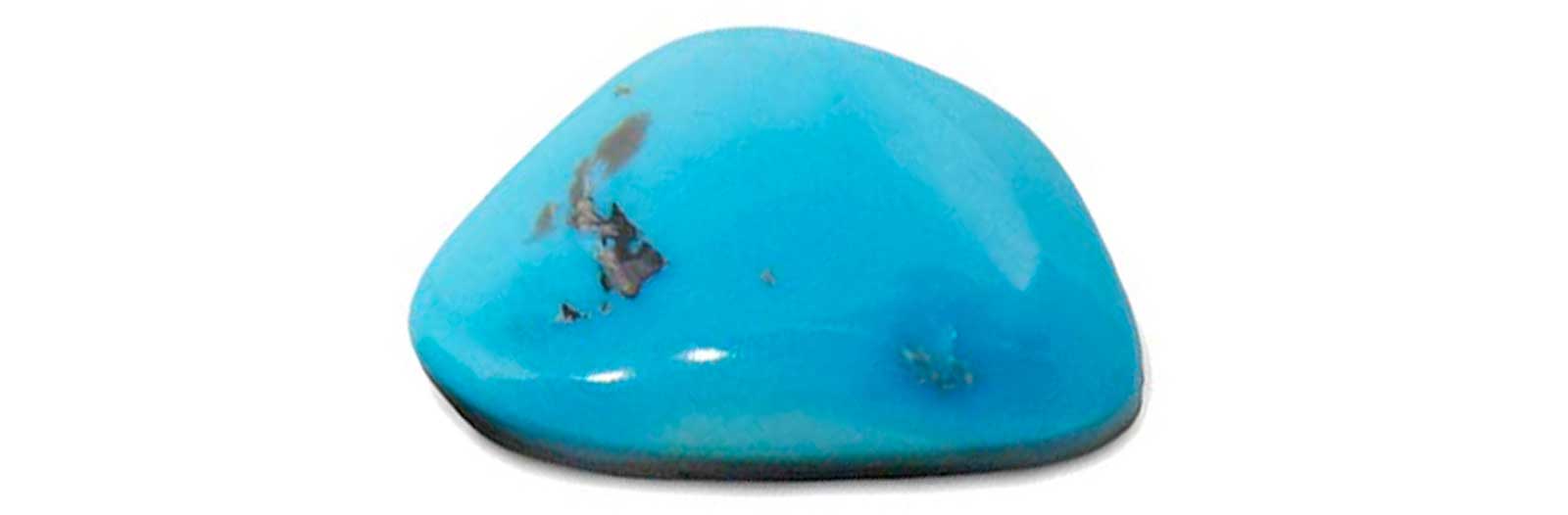 Sleeping Beauty
First discovered by the Anasazi people, Sleeping Beauty turquoise is famous for its matrix—or lack thereof. The mine is located in Globe, Arizona, and likely received its storybook name from a nearby mountain, which looks like a sleeping woman with crossed arms. The mine, which also used the names Pinto Valley and Castle Dome, closed in the 1960s, though it is occasionally reopened.
++++++++++++++++++++++++++++++++++++++++
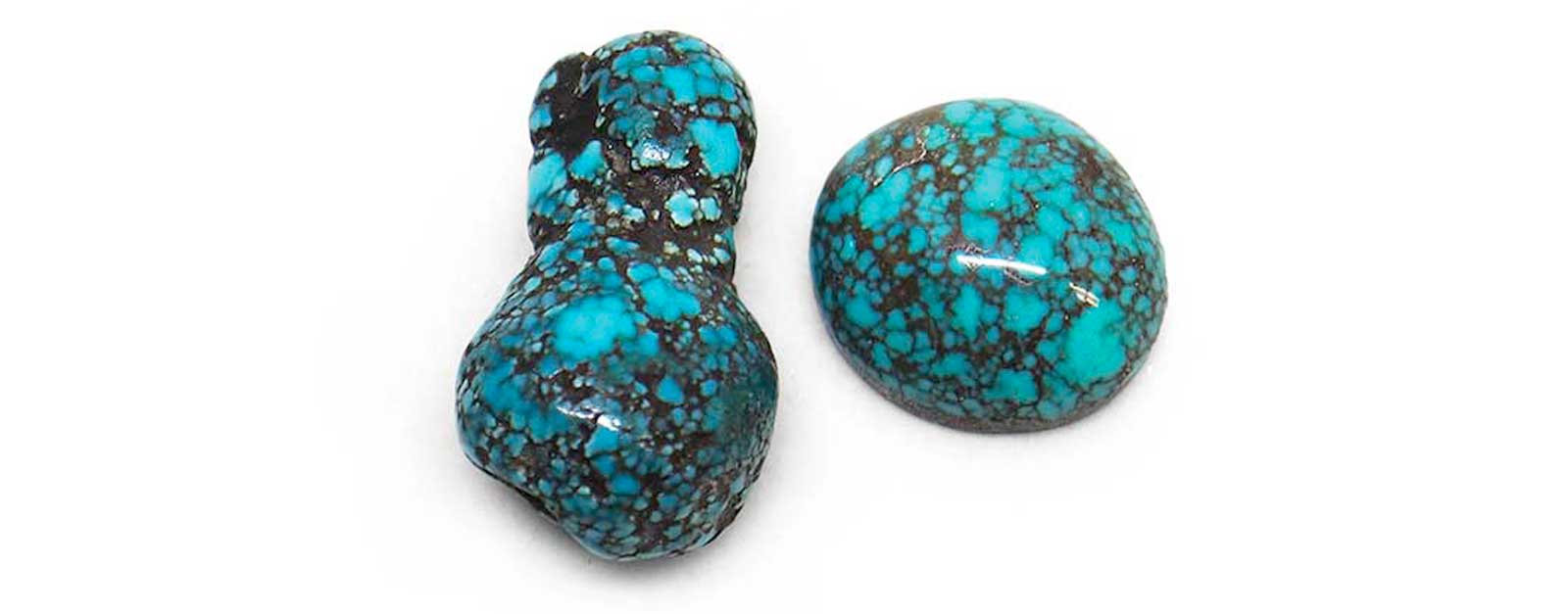 Warm Springs
Located in Nye County, near Tonopah, Nevada, Warm Springs’ origins go back to the 1970s. Turquoise from the area can produce golden webs with soft-blue colors. The mine also produced stones with little to no matrix and was a clear blue to aqua blue. The mine is no longer active.
OTHER SOURCES
There are so many great resources out there worth mentioning, and paramount among them is Mark P. Block’s book Turquoise: Mines, Minerals and Wearable Art. Not only does it have great descriptions of the mines, it has examples from each, including many not listed here. Durango Silver’s website (www.durangosilver.com) also has tons of information about turquoise mines, as does Waddell Gallery’s website (www.waddellgallery.com). Owner Gene Waddell is part owner of the Lone Mountain mine and helped provide stones for this piece, as did Bill Faust of Faust Gallery, and artists Ric Charlie and Wes Willie.
Powered by Froala Editor